

Estimated Reading Time: 15 minutes
As climate change intensifies, Kenyan farmers are increasingly abandoning hybrid maize—long promoted by extension services—in favor of drought-resistant traditional grains like sorghum, millet, and green gram. These crops require minimal rainfall, mature faster, and fetch premium prices in local and export markets. Yet, many farmers lack practical training on modern cultivation techniques for these grains. This guide addresses the urgent need for climate-smart, low-input farming by focusing on critical steps such as seed selection, soil conservation, and post-harvest handling.
TL;DR: Quick Takeaways
- Switching to drought-resistant grains reduces input costs and boosts yields.
- Implement soil and water conservation techniques to maximize crop growth.
- Post-harvest management is crucial to prevent contamination and ensure quality.
- Adopt climate-smart farming practices for sustainability and profit.
- Leverage local and global markets for premium pricing on traditional grains.
Background & Context
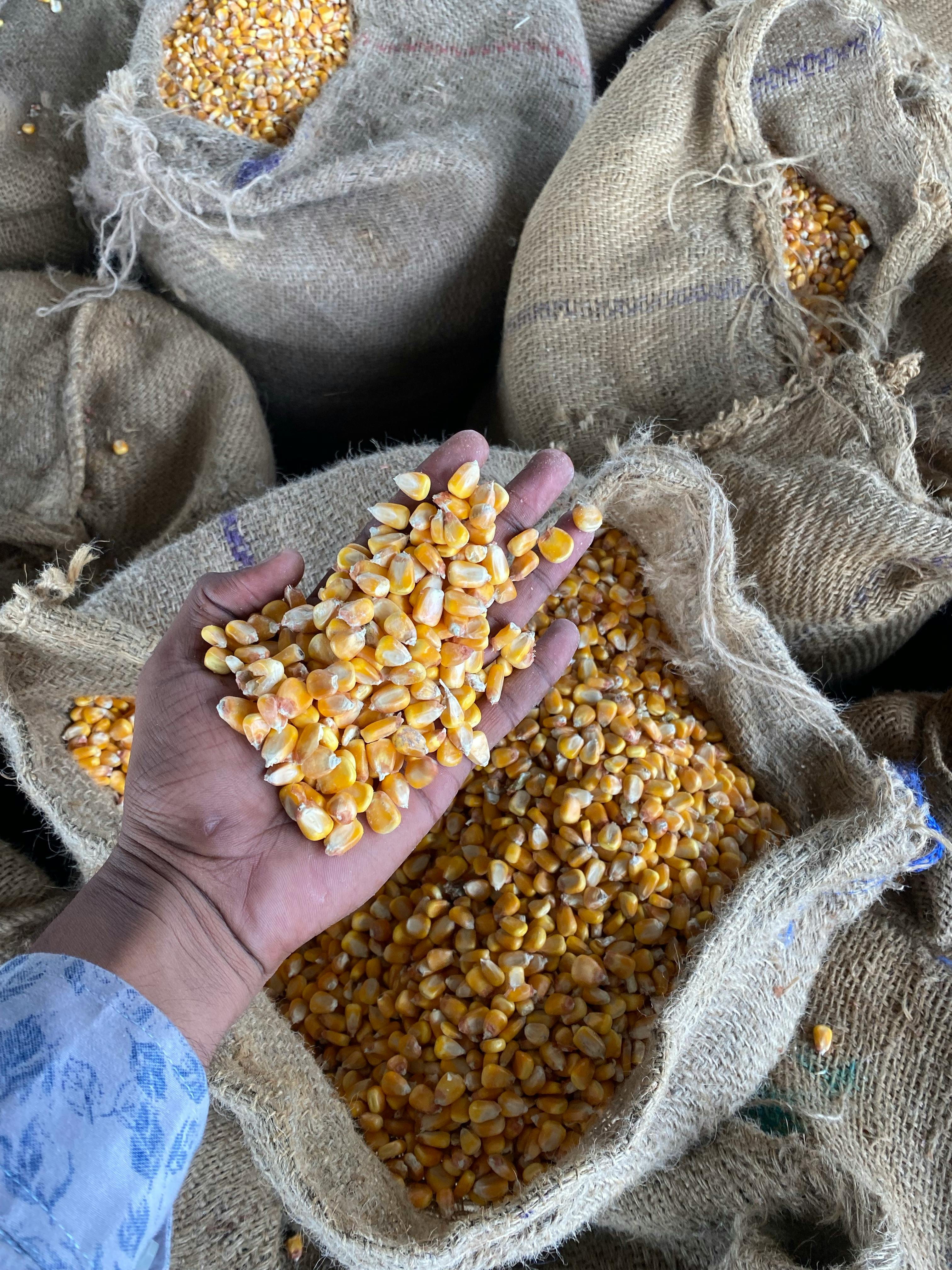
Kenya’s agricultural landscape is evolving, with a growing focus on sustainable and resilient farming. Organic and drought-resistant crops are at the forefront of this shift, offering promising returns as agribusiness grows in the region. Drought-tolerant varieties are helping mitigate poverty in regions hit hardest by climate variability.
Key Insights or Strategies
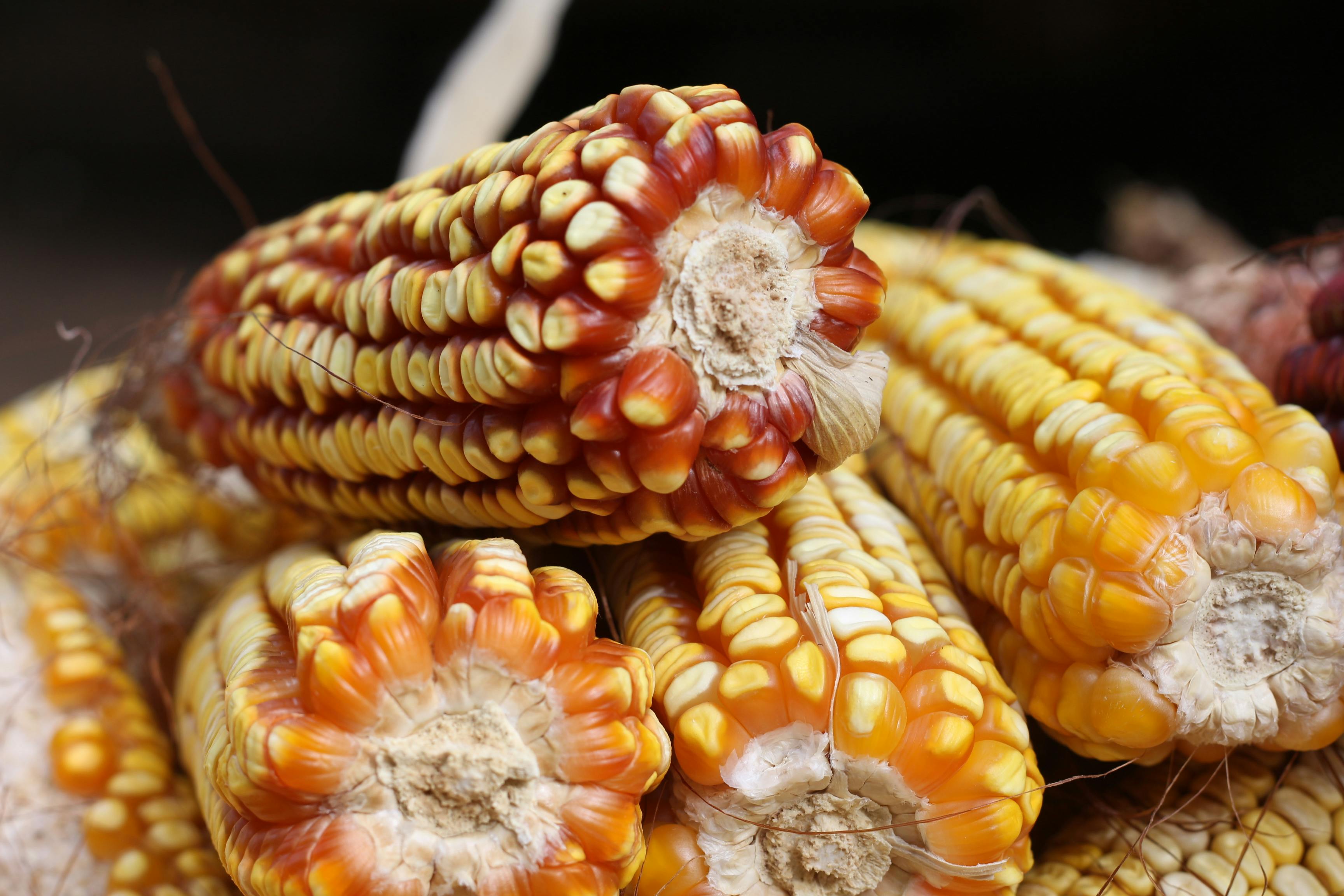
Seed Selection and Preservation
- Use certified drought-tolerant varieties.
- Engage with community seed banks for diverse and resilient seeds.
Boost your yields with the Raindrip Automatic Drip Irrigation System – available on Amazon.
Soil and Water Conservation
- Implement tied ridges to maximize water retention.
- Use mulching to reduce evaporation and maintain soil moisture.
Maximize water efficiency with CARPATHEN Drip Irrigation System Kit.
Explore sustainable organic farming solutions with Biofarm Kenya
Post-Harvest Handling
- Practice careful threshing and storage to prevent aflatoxin.
- Utilize storage solutions that maintain the quality of grains.
Case Studies, Examples, or Comparisons
Farmers in Kenya's drylands are experiencing success with drought-tolerant crops. County governments in Kitui, Makueni, and Taita-Taveta have piloted farms using high-yielding millets and sorghums, doubling yields and reducing costs by over 40%.
Common Mistakes to Avoid
- Over-reliance on synthetic fertilizers which can lead to soil acidification.
- Neglecting pest management can result in considerable crop damage.
- Failing to rotate crops might deplete soil nutrients crucial for plant growth.
Expert Tips or Best Practices
Ensure healthy soil with Espoma Organic Plant-Tone Fertilizer. Rotate crops to maintain soil fertility and biodiversity.
Engage in community farming initiatives with Biofarm Kenya
Future Trends or Predictions
The future of Kenyan agriculture is bright with innovations such as smart irrigation systems and AI-driven crop monitoring. These advancements promise increased efficiency and reduced labor costs, paving the way for sustainable agriculture practices.
Conclusion
By switching to drought-resistant grains and incorporating climate-smart practices, Kenyan farmers can significantly boost their profitability while ensuring sustainable use of resources. Discover trusted organic farming tools on Amazon and learn more about sustainable solutions with Biofarm Kenya.
FAQs
Can drought-resistant grains really improve farm yields?
Yes, according to CGIAR research, these grains can double yields while cutting costs significantly in arid regions.
What are the best practices for growing millet in Kenya?
Millet thrives in well-drained soil with a pH of 4.5-8. Proper planting techniques, including spacing and depth, are crucial for optimal growth. Consult this comprehensive guide for more insights.
How does organic farming contribute to sustainable agriculture?
Organic farming reduces reliance on synthetic inputs, enhancing soil health and minimizing environmental impact. According to Hyper Kenya, it is the fastest-growing agricultural method in the country.
Are drought-resistant grains commercially viable?
Yes, they fetch premium prices in local and export markets, providing a lucrative opportunity for farmers. Read more about their economic impact.
What role does Biofarm Kenya play in sustainable agriculture?
Biofarm Kenya offers resources and community support for farmers pursuing organic and sustainable agricultural practices. Join their network today.
How can farmers utilize technology in agriculture?
Technology such as drip irrigation systems improves water efficiency and crop yields. Explore options like the CARPATHEN Drip Irrigation System for sustainable farming.


0 Comments