

Estimated Reading Time: 10 minutes
TL;DR: Kenyan farmers can significantly boost maize yields and reduce chemical fertilizer dependence by adopting sustainable practices. Precision soil testing, compost augmentation, and crop rotation are evidence-based techniques proven to improve soil health and productivity. A 2025 Egerton University study indicates these methods can lead to 22% higher maize yields after two seasons. Embracing sustainable agriculture is crucial for long-term farm profitability, environmental resilience, and food security in Kenya. Biofarm Kenya offers resources and partnerships to empower farmers in this transition.
Key Takeaways:
- Reduce Chemical Reliance: Implement precision soil testing to understand exact nutrient needs and cut fertilizer use by 30-50%.
- Boost Soil Organic Matter: Integrate 2-3 tons/hectare of compost annually to restore soil health and nutrient retention.
- Harness Natural Nitrogen: Utilize leguminous cover crops in rotation to naturally fix nitrogen and suppress weeds.
- Adopt Integrated Practices: Combine practices like drip irrigation, mulching, and intercropping for holistic farm resilience.
- Seek Expert Guidance: Partner with organizations like Biofarm Kenya to access training, resources, and sustainable farming solutions.
Table of Contents
Introduction: Cultivating a Greener Future for Kenyan Maize
For generations, maize has been the cornerstone of food security and livelihoods for millions of households across Kenya. However, Kenyan farmers are increasingly struggling with soil degradation from over-fertilization, a growing concern that threatens both yields and the long-term viability of agricultural land. The relentless pursuit of higher yields through conventional methods has often come at the cost of soil health, leading to diminished productivity and increased input costs.
This comprehensive guide focuses on evidence-based techniques to reduce chemical fertilizer dependence by 30-50% while maintaining yields through precision soil testing, compost augmentation, and crop rotation. By embracing sustainable farming, farmers can restore soil vitality, enhance biodiversity, and secure a more profitable future. A 2025 study by Egerton University shows farms adopting these practices saw 22% higher maize yields after 2 seasons compared to conventional methods, underscoring the tangible benefits.
We delve into key steps including: 1) Conducting pH and nutrient tests to avoid over-application, 2) Integrating 2-3 ton/ha of compost to restore organic matter, and 3) Using leguminous cover crops to fix nitrogen naturally. Join us as we explore how these proven strategies can transform maize farming in Kenya.
Background & Context: The Shifting Landscape of Kenyan Agriculture
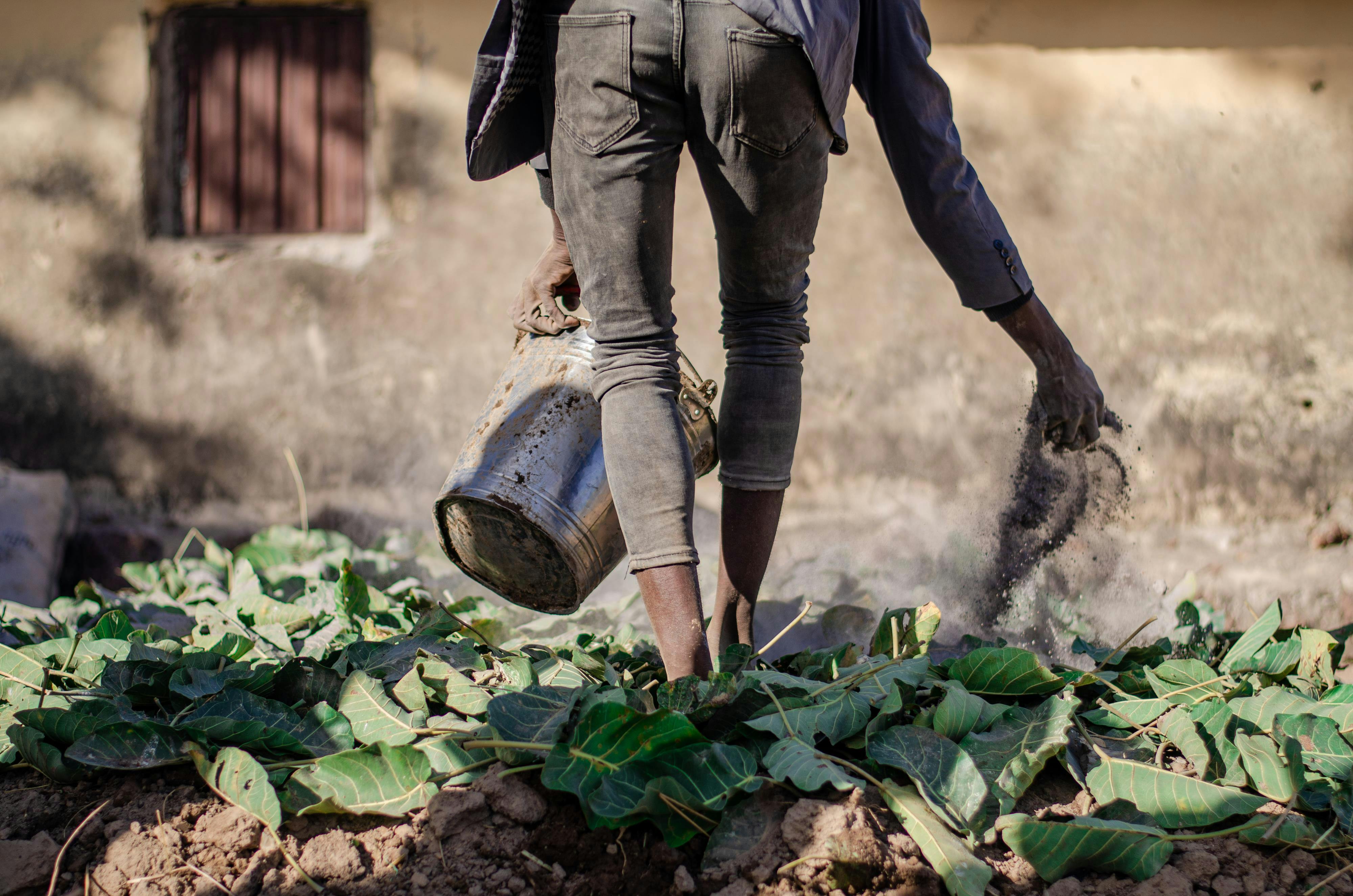
Kenya's agricultural sector, contributing approximately 22% to the country's Gross Domestic Product (GDP), faces dual challenges: feeding a rapidly growing population and contending with the impacts of climate change. Traditional farming practices, often characterized by monoculture and heavy reliance on synthetic inputs, have led to widespread soil degradation. The Food and Agriculture Organization (FAO) estimates that over one-third of the world’s soil is degraded, with significant portions in Africa, directly impacting food production capabilities.
In response, there's a significant push towards organic farming and sustainable agriculture. Government initiatives, non-governmental organizations, and research institutions like Egerton University and the Kenya Agricultural and Livestock Research Organization (KALRO) are actively promoting practices that enhance soil fertility, conserve water, and reduce environmental impact. The global agribusiness trend shows a clear shift towards sustainable methods, and Kenya is at the forefront of adopting these eco-friendly innovations, recognizing their potential to ensure long-term food security and economic stability for its farmers.
Key Insights & Strategies: Evidence-Based Techniques for Sustainable Success
Precision Soil Testing: Your Foundation for Informed Decisions
Understanding your soil's exact composition is the first and most critical step towards sustainable farming. Over-application of fertilizers not only harms the environment but also wastes money. Precision soil testing reveals pH levels, macro and micronutrient deficiencies, and organic matter content, allowing for targeted nutrient management. This approach can help Kenyan farmers reduce chemical fertilizer dependence by 30-50%.
- Collect soil samples from various parts of your farm.
- Send samples to an accredited laboratory for comprehensive analysis.
- Interpret results to create a customized fertilization plan, applying only what's necessary.
- Consider a reliable home kit for regular checks: Boost your yields with the 3-in-1 Soil pH Meter, available on Amazon.
Compost Augmentation: Restoring Soil Life and Fertility
Integrating 2-3 ton/ha of compost is paramount to restoring organic matter, improving soil structure, water retention, and nutrient availability. Compost enriches the soil with beneficial microorganisms, making nutrients more accessible to maize plants and enhancing their resilience against diseases and pests. This biological approach is a cornerstone of sustainable farming.
- Establish a composting system on your farm, utilizing crop residues, animal manure, and kitchen waste.
- Ensure proper aeration and moisture for efficient decomposition.
- Apply mature compost to your fields before planting or as a top dressing.
- For efficient composting, consider the Worm Factory 360 Composter – available on Amazon.
Crop Rotation with Leguminous Cover Crops: Nature's Nitrogen Fixers
Crop rotation is a time-tested strategy that disrupts pest and disease cycles while improving soil fertility. Incorporating leguminous cover crops like desmodium, mucuna, or various types of beans not only protects the soil from erosion but also naturally fixes atmospheric nitrogen. This reduces the need for synthetic nitrogen fertilizers, a major cost for maize farmers.
- Plan a rotation schedule that alternates maize with legumes and other non-cereal crops.
- Plant cover crops during fallow periods or intercrop them with maize.
- Terminate cover crops by rolling, crimping, or light tillage to release nutrients back into the soil.
Water Management: Efficiency through Drip Irrigation
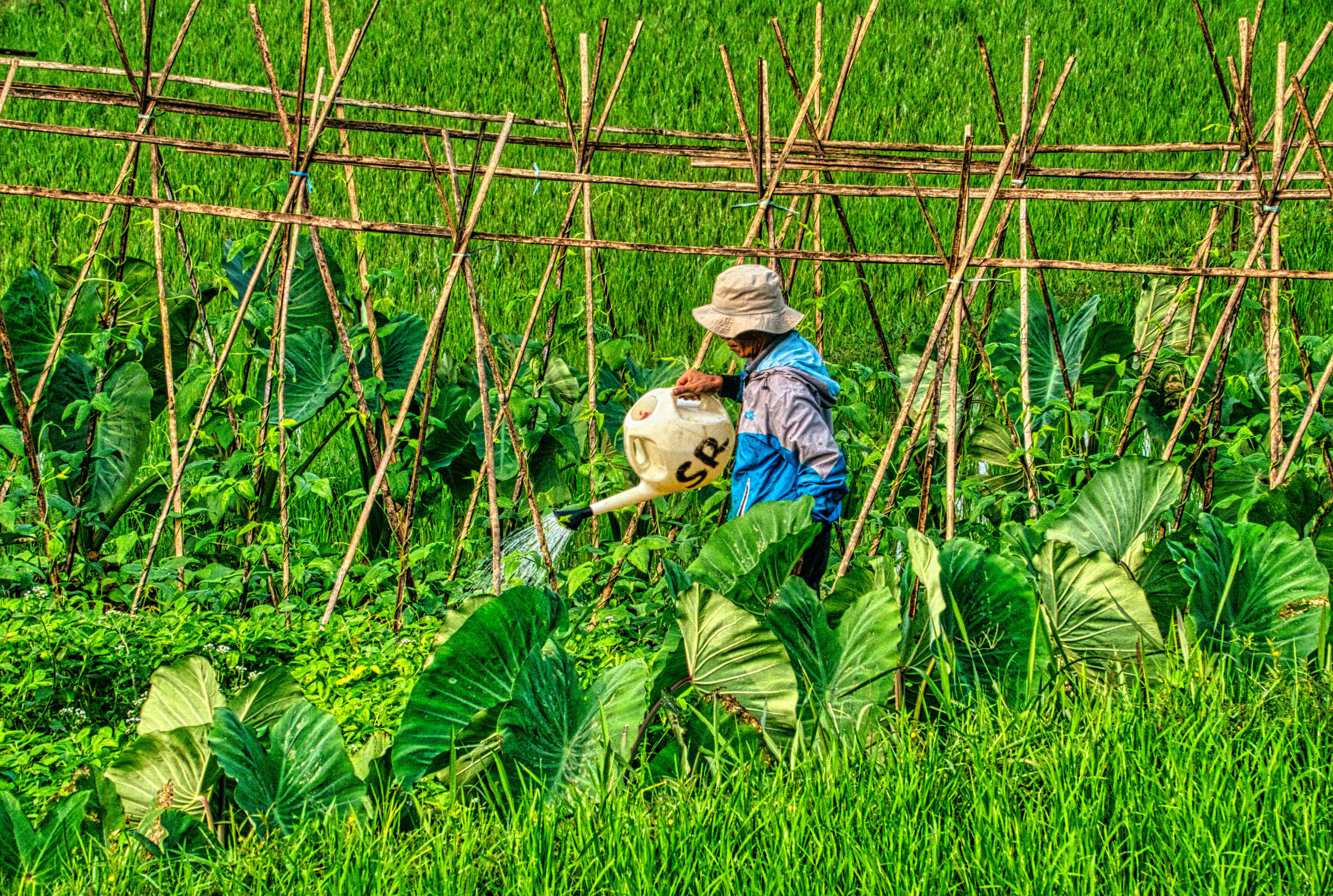
Water scarcity is a growing concern in many parts of Kenya. Efficient irrigation methods, particularly drip irrigation, deliver water directly to the plant roots, minimizing wastage. This not only conserves water but also reduces the incidence of waterborne diseases and nutrient leaching, making it an essential practice for sustainable maize cultivation, especially in arid and semi-arid regions.
- Assess your farm's water needs and available sources.
- Install a drip irrigation system tailored to your farm's layout.
- Monitor soil moisture to optimize irrigation schedules and prevent overwatering.
By implementing these strategies, Kenyan farmers can significantly enhance their maize yields while simultaneously improving soil health and reducing reliance on costly and environmentally damaging chemical inputs. To further explore sustainable organic farming solutions, we encourage you to Explore sustainable organic farming solutions with Biofarm Kenya.
Case Studies & Examples: Kenyan Farmers Leading the Way
Across Kenya, numerous farmers are demonstrating the success of sustainable agriculture. Consider the story of Mama Wanjiku from Kakamega County. Faced with declining maize yields and escalating fertilizer costs, she adopted a combination of precision soil testing, intercropping with beans, and utilizing farm-made compost. Within three seasons, her soil organic matter increased by 1.5%, and her maize yields stabilized, showing a slight increase, while her expenditure on synthetic fertilizers dropped by over 40%. Her farm now serves as a learning hub for neighboring farmers.
Another inspiring example comes from the 'Greenhouse Revolution' in parts of Central Kenya. Farmers, particularly those with smaller land parcels, are investing in greenhouse technology for high-value crops, but also integrating sustainable practices for staple crops like maize. By managing controlled environments, they minimize pest and disease pressure, reduce water usage through drip irrigation, and often employ organic pest control methods and nutrient-rich compost. While often associated with horticulture, the principles of sustainable resource management from these greenhouses are transferable and inspiring broader adoption.
The Ministry of Agriculture and Livestock Development, in collaboration with organizations like KALRO, has documented several success stories where farmers transitioning to sustainable maize farming have reported improved soil structure, enhanced water retention, and ultimately, more resilient and profitable farms. These localized successes underscore the potential for widespread adoption across the nation, validating the findings of institutions like Egerton University on the efficacy of these methods for boosting Kenyan maize yields.
Common Mistakes to Avoid: Ensuring Long-Term Farm Viability
Even with the best intentions, farmers can sometimes fall into common pitfalls that hinder their transition to sustainable practices. Avoiding these errors is crucial for achieving long-term success and maintaining productivity.
- Over-reliance on Monoculture: Continuously planting only maize on the same plot depletes specific nutrients, encourages specialized pests, and reduces soil biodiversity. Diversify your crops through rotation.
- Ignoring Soil Testing: Guessing nutrient needs leads to either over-fertilization, causing environmental harm and nutrient imbalances, or under-fertilization, resulting in poor yields. Always test your soil before applying inputs.
- Inefficient Water Use: Flood irrigation or overhead sprinklers in hot climates lead to significant water loss through evaporation. Invest in efficient irrigation methods like drip systems, especially for maize which can be sensitive to water stress at key growth stages.
- Burning Crop Residues: While seemingly a quick way to clear fields, burning crop residues destroys valuable organic matter, reduces soil carbon, and eliminates beneficial microorganisms. Instead, incorporate residues into the soil or use them for composting.
- Neglecting Cover Crops: Leaving fields bare during fallow periods exposes the soil to erosion, nutrient leaching, and allows weeds to flourish. Cover crops protect the soil, add organic matter, and fix nitrogen, providing multiple benefits.
- Improper Compost Application: Applying immature compost can harm plants and introduce pathogens. Ensure compost is fully decomposed before application. Also, applying too little will have minimal impact; ensure you meet the recommended 2-3 ton/ha.
Expert Tips & Best Practices: Practical Steps for Every Farmer
Empowering Kenyan farmers with practical, actionable advice is at the heart of fostering a sustainable agricultural revolution. Here are some expert tips to guide you:
- Start Small, Learn, and Expand: Don't try to transform your entire farm overnight. Dedicate a small section to sustainable practices, observe the results, learn from your experiences, and then gradually expand successful methods to other areas.
- Embrace Integrated Pest Management (IPM): Instead of relying solely on chemical pesticides, integrate biological controls, cultural practices (like crop rotation and resistant varieties), and mechanical methods to manage pests. This reduces costs and protects beneficial insects.
- Mulch for Moisture and Nutrients: Apply organic mulch (like straw, dried grass, or maize stalks) around your maize plants. This suppresses weeds, conserves soil moisture by reducing evaporation, and slowly releases nutrients as it decomposes.
- Intercrop Wisely: Beyond legumes, consider intercropping maize with other compatible crops like pumpkins or sweet potatoes. This can maximize land use, provide additional income, and create a more diverse and resilient ecosystem.
- Invest in Quality Tools: Having the right tools makes a significant difference. For maintaining healthy soil, a reliable compost solution is key; consider the Worm Factory 360 Composter – available on Amazon to kickstart your organic matter production. Similarly, efficient water delivery is vital: an effective Drip Irrigation Kit – available on Amazon can significantly reduce water waste.
- Attend Training and Workshops: Knowledge is power. Seek out opportunities for training offered by agricultural extension services, NGOs, or local universities. Learning from experienced practitioners can accelerate your transition.
- Connect with Fellow Farmers: Join farmer groups or cooperatives. Sharing experiences, challenges, and successes with peers provides invaluable support and practical solutions.
For more in-depth guidance and to access a network of resources, Explore sustainable organic farming solutions with Biofarm Kenya. Our partners are dedicated to providing the tools and knowledge necessary for your farm's success.
Future Trends & Predictions: Innovating for Tomorrow's Agriculture
The future of Kenyan agriculture is poised for significant transformation, driven by innovation and a deepening commitment to sustainability. Several emerging trends promise to redefine how maize and other crops are cultivated, offering exciting opportunities for farmers.
- Smart Agriculture and Precision Farming: The integration of technology like drones, sensors, and AI-driven analytics is becoming increasingly accessible. These tools can monitor crop health, soil conditions, and weather patterns with unprecedented accuracy, enabling farmers to make data-driven decisions on irrigation, fertilization, and pest control. This precision minimizes waste and optimizes resource use.
- Protected Cultivation (Greenhouses): While currently popular for high-value crops, advanced, climate-controlled greenhouses are being explored for staples, offering higher yields, reduced water usage, and protection from harsh weather and pests. Innovations in affordable, locally adaptable greenhouse kits could make this more viable for smaller maize farms.
- Vertical Farming and Urban Agriculture: As urbanization continues, vertical farming systems and other forms of urban agriculture are gaining traction. Though less applicable to large-scale maize production, these methods contribute to local food security and demonstrate efficient resource use, influencing broader agricultural practices.
- Biotechnology and Climate-Resilient Varieties: Research into developing drought-resistant, pest-resistant, and nutrient-efficient maize varieties through conventional breeding and biotechnology will continue to be crucial. These varieties will enable farmers to cope better with changing climatic conditions and reduce reliance on external inputs.
- Circular Economy in Agriculture: There will be an increased focus on closing nutrient loops. This means maximizing the use of farm waste (e.g., converting animal manure and crop residues into biogas and biofertilizers) to reduce external inputs and create additional revenue streams.
- Digital Platforms and Market Access: Online platforms will increasingly connect farmers directly with markets, provide real-time pricing information, and facilitate access to financing and extension services, empowering them with better economic opportunities.
These trends highlight a future where agriculture is not only productive but also highly efficient, resilient, and environmentally regenerative, further boosting Kenyan maize yields through innovative sustainable practices.
Conclusion: Harvesting Resilience, Yield, and Profit
The journey towards sustainable maize farming in Kenya is not merely an environmental imperative; it is a pathway to enhanced profitability and long-term food security for every farmer. By embracing evidence-based techniques such as precision soil testing, generous compost augmentation, and strategic crop rotation with leguminous cover crops, farmers can dramatically reduce their reliance on costly chemical fertilizers by 30-50% while simultaneously revitalizing their land. The compelling evidence from institutions like Egerton University, showing 22% higher maize yields on farms adopting these practices, underscores the significant advantages.
Transitioning to sustainable methods requires commitment and knowledge, but the benefits – healthier soils, stable or improved yields, reduced input costs, and greater resilience to climate shocks – far outweigh the initial effort. Biofarm Kenya stands ready to support this transformation, providing resources and fostering partnerships that empower farmers to cultivate a greener, more prosperous future.
Discover trusted organic farming tools on Amazon and learn more about sustainable solutions with Biofarm Kenya. Together, we can ensure a bountiful and sustainable harvest for generations to come.
FAQs: Your Questions on Sustainable Maize Farming Answered
Q1: What are the primary benefits of sustainable agriculture for Kenyan maize farmers?
Sustainable agriculture offers numerous benefits, including improved soil fertility and structure, reduced reliance on expensive chemical fertilizers, enhanced water retention, increased biodiversity, and greater resilience to climate change. Ultimately, these lead to more stable and potentially higher maize yields, alongside reduced input costs, increasing overall farm profitability and environmental sustainability. Learn more about FAO's Sustainable Development Goals.
Q2: How can Kenyan farmers improve soil fertility naturally without chemical fertilizers?
Farmers can naturally improve soil fertility by integrating 2-3 tons/hectare of compost annually, practicing crop rotation with leguminous cover crops (which fix nitrogen), using organic mulches, and incorporating animal manure. These methods build soil organic matter, enhance microbial activity, and improve nutrient cycling. Explore agricultural research from KALRO.
Q3: What is the role of crop rotation in boosting maize yields in Kenya?
Crop rotation plays a vital role by breaking pest and disease cycles specific to maize, improving soil structure, and balancing nutrient levels. When legumes are included in the rotation, they naturally fix atmospheric nitrogen into the soil, reducing the need for synthetic nitrogen fertilizers for subsequent maize crops and contributing to higher yields. Discover more about sustainable practices with Biofarm Kenya.
Q4: Are organic fertilizers as effective as synthetic fertilizers for maize in Kenya?
While synthetic fertilizers offer quick nutrient release, organic fertilizers, like compost and manure, provide nutrients slowly and steadily, improving soil health in the long run. Studies, including those by Egerton University, demonstrate that a combination of organic inputs and reduced chemical fertilizers can lead to comparable or even higher maize yields over time, especially as soil health improves and water retention increases. Visit Egerton University's Faculty of Agriculture.
Q5: Where can Kenyan farmers get training and resources on sustainable farming practices?
Kenyan farmers can access training and resources from various sources, including the Ministry of Agriculture and Livestock Development's extension services, non-governmental organizations promoting sustainable agriculture, local universities like Egerton, and agricultural research institutions like KALRO. Biofarm Kenya also offers partnerships and resources for farmers seeking to transition to sustainable methods. Explore sustainable organic farming solutions with Biofarm Kenya.
Q6: How does climate change specifically impact maize production in Kenya, and how can sustainable farming help?
Climate change impacts maize production through increased frequency of droughts, unpredictable rainfall patterns, and higher temperatures, leading to crop failures and reduced yields. Sustainable farming practices like improved soil organic matter (enhancing water retention), drought-resistant crop varieties, efficient irrigation (e.g., drip irrigation), and diverse cropping systems help build resilience, enabling maize to withstand these climate shocks better and ensure more consistent yields. Learn about environmental management from NEMA Kenya.



0 Comments