Estimated Reading Time: 10 minutes
TL;DR:Kenyan soybean farmers can boost yields by 30% sustainably.Bio-inoculants (nitrogen-fixing bacteria) are key to enhancing soil fertility naturally.Combining bio-inoculants with organic compost cuts costs and increases profit margins.Proper strain selection, seed treatment, and moisture management are crucial for success.Embrace sustainable practices for long-term farm prosperity and environmental health.
Key Takeaways:Implement Bio-inoculants: Choose locally adapted nitrogen-fixing bacterial strains for your soybean seeds to maximize nitrogen uptake and reduce reliance on synthetic fertilizers.Integrate Organic Compost: Complement bio-inoculant use with high-quality organic compost to build soil organic matter, improve structure, and provide a balanced nutrient supply.Master Application Techniques: Ensure correct seed treatment timing and maintain optimal soil moisture during and after bio-inoculant application to guarantee bacterial survival and efficacy.Monitor Soil Health: Regularly test your soil for pH, nutrient levels, and organic matter content to make informed decisions and adapt your farming practices.Embrace Water Efficiency: Invest in smart irrigation methods like drip irrigation to conserve water and ensure consistent moisture crucial for both soybean growth and inoculant function.
Table of Contents
IntroductionBackground & ContextKey Insights or Strategies for Higher YieldsCase Studies, Examples, or ComparisonsCommon Mistakes to AvoidExpert Tips or Best PracticesFuture Trends or PredictionsConclusionFAQs
Introduction
The agricultural landscape in Kenya is undergoing a significant transformation. As the cost of conventional farming inputs continues to rise and environmental concerns grow, Kenyan soybean farmers are increasingly seeking alternatives to costly chemical fertilizers. This shift is not just about cutting expenses; it's about building a resilient, sustainable future for farming. At the heart of this movement is a powerful, natural solution: bio-inoculants. These microscopic allies, primarily nitrogen-fixing bacteria, are revolutionizing how we approach soil fertility, promising a healthier planet and more bountiful harvests.
Our focus here is on how training focuses on proper application of bio-inoculants (nitrogen-fixing bacteria) to enhance soil fertility. This isn't just theory; evidence shows 30% higher yields when using locally adapted strains (KALRO, 2026) and combining with organic compost. Farmers who adopt these methods are not only seeing substantial increases in their soybean yields but are also improving the long-term health of their land. We'll delve into the key steps: strain selection, seed treatment timing, and moisture management during application, equipping you with the knowledge to achieve similar success.
Background & Context
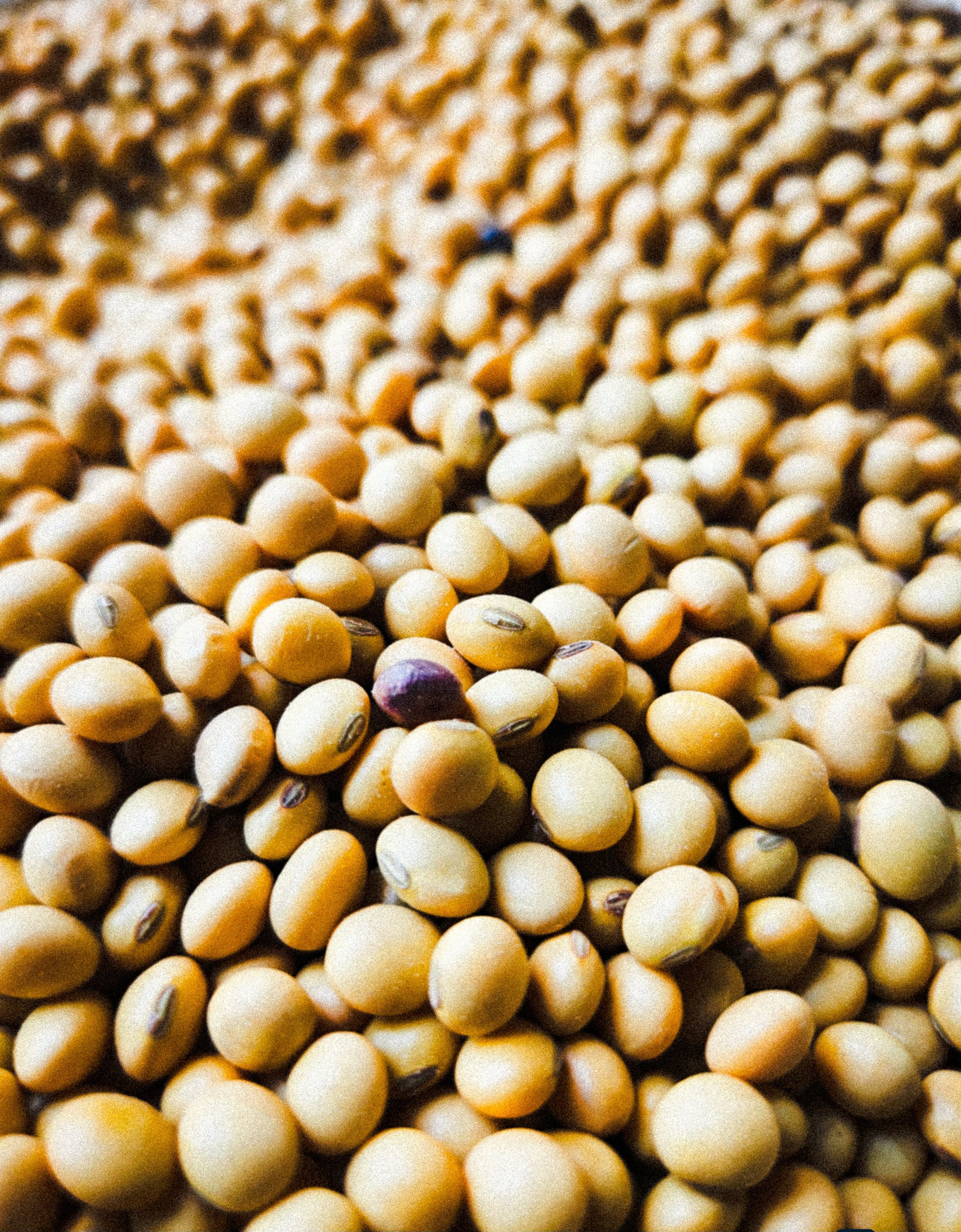
Kenya's agricultural sector is the backbone of its economy, contributing significantly to the GDP and providing livelihoods for a vast majority of the population. However, challenges such as soil degradation, climate change variability, and the escalating cost of synthetic fertilizers threaten food security and farmer profitability. Over-reliance on chemical inputs has often led to diminished soil health, reduced biodiversity, and adverse environmental impacts. Recognising these issues, there's a growing national push towards organic farming and sustainable agriculture practices. The demand for organically produced goods is on the rise, both domestically and internationally, creating new opportunities for Kenyan farmers.
Soybean, a versatile legume, plays a crucial role in enhancing food security, improving soil fertility through nitrogen fixation, and providing valuable protein for both human consumption and animal feed. Despite its potential, soybean production in Kenya has often been hampered by low yields, partly due to poor soil fertility and inadequate adoption of improved farming techniques. The Kenya Agricultural and Livestock Research Organisation (KALRO) and organisations like the Food and Agriculture Organization (FAO) are at the forefront of promoting sustainable soybean cultivation, including the use of bio-inoculants and organic amendments to reverse soil degradation and boost productivity (FAO Kenya). This integrated approach is vital for ensuring a productive and environmentally sound future for Kenyan agriculture.
Key Insights or Strategies for Higher Yields

1. Strategic Bio-inoculant Selection and Application
The success of bio-inoculants hinges on choosing the right strains and applying them correctly. Not all nitrogen-fixing bacteria are created equal, and their effectiveness can vary significantly depending on soil type, climate, and the specific soybean variety. Locally adapted strains, often developed or recommended by research institutions like KALRO, are crucial for optimal performance in Kenyan soils. These strains are better equipped to survive and thrive in local conditions, leading to superior nitrogen fixation.
Strain Selection: Prioritize inoculants containing specific rhizobia strains known to form effective symbiotic relationships with soybean varieties grown in your region. Consult with local agricultural extension services or KALRO for recommendations.Seed Treatment Timing: Apply inoculants just before planting. The bacteria are delicate and sensitive to environmental factors. Early application can reduce their viability, while delayed application might miss the critical window for root nodule formation.Proper Handling: Store inoculants in a cool, dry place away from direct sunlight. Avoid mixing them with chemical fungicides or insecticides unless explicitly stated as compatible on the product label.Uniform Coverage: Ensure seeds are uniformly coated with the inoculant for maximum contact and bacterial attachment.2. Integrated Nutrient Management with Organic Compost
While bio-inoculants provide vital nitrogen, a holistic approach to soil fertility requires a broad spectrum of nutrients and improved soil structure. This is where organic compost becomes indispensable. Combining bio-inoculants with organic compost creates a synergistic effect, where compost provides essential micronutrients, enhances water retention, improves aeration, and supports a thriving microbial community that further aids nitrogen fixation and nutrient cycling. Farmers seeking to enrich their soil comprehensively can consider using products like Wallace Organic Wonder, Soluble Humic & Fulvic Acid Powder – available on Amazon, which provides humic and fulvic acids that improve nutrient uptake and soil structure.
Compost Quality: Use well-decomposed, mature compost free from pathogens and weed seeds. The nutrient content of compost can vary, so understand its composition.Application Method: Incorporate compost into the soil before planting. This provides a slow-release nutrient base and improves soil tilth, creating an ideal environment for soybean roots and microbial activity.Balanced Approach: Organic compost complements, rather than replaces, bio-inoculants. Together, they create a robust system for sustainable soil fertility.3. Optimising Soil Health and Moisture Management
The efficacy of bio-inoculants is heavily dependent on favorable soil conditions, particularly moisture. Nitrogen-fixing bacteria require adequate soil moisture to survive, multiply, and effectively colonize soybean roots. Both excessive dryness and waterlogging can inhibit their activity. Good soil health, characterised by balanced pH, good drainage, and sufficient organic matter, further supports bacterial survival and overall plant vigor.Explore sustainable organic farming solutions with Biofarm Kenya.
Moisture Consistency: Maintain consistent, moderate soil moisture during the critical period of nodule formation and throughout the growing season. This is especially important during dry spells.Drainage: Ensure proper soil drainage to prevent waterlogging, which can create anaerobic conditions detrimental to aerobic nitrogen-fixing bacteria.pH Balance: Soybeans generally prefer a soil pH between 6.0 and 7.0. Test your soil and amend it if necessary to fall within this optimal range, as extreme pH levels can inhibit rhizobia activity.
Case Studies, Examples, or Comparisons
Across Kenya, a growing number of farmers are experiencing firsthand the transformative power of sustainable soybean cultivation. Take for instance, farmers in Bungoma County, where the FAO has promoted soybean as a rotational crop, demonstrating how reduced production costs through natural methods can attract youth to agriculture. These initiatives often showcase the combination of improved soybean varieties with locally produced bio-inoculants, leading to impressive yield increases and enhanced soil health (FAO Kenya News).
In another instance, KALRO’s ongoing research into new soya bean varieties and the efficacy of commercial inoculants has consistently highlighted significant improvements in growth and nitrogen fixation. Farmers participating in trials have reported not only a 30% yield boost but also a noticeable reduction in their reliance on synthetic nitrogen fertilizers, thereby cutting down input costs significantly. This economic benefit, coupled with the long-term environmental advantages of improved soil structure and biodiversity, makes a compelling case for widespread adoption.
Comparison with conventional farming methods reveals stark differences. Farms heavily reliant on chemical fertilizers often face diminishing returns due to nutrient imbalances, soil compaction, and increased pest and disease pressure over time. In contrast, farms integrating bio-inoculants and organic compost exhibit vibrant soil life, better water retention, and healthier plants that are more resilient to stress. This dual benefit of economic viability and ecological sustainability positions such practices as the future of Kenyan agriculture.
Common Mistakes to Avoid
Even with the best intentions, farmers can sometimes fall prey to common errors that undermine the effectiveness of bio-inoculants and sustainable soil management. Being aware of these pitfalls is the first step towards successful implementation.
Ignoring Soil Testing: Planting without understanding your soil's current pH, nutrient levels, and organic matter content is akin to driving blind. This can lead to applying the wrong inoculant strains or compost, or overlooking critical deficiencies that limit soybean growth.Improper Inoculant Storage and Handling: Exposing inoculants to direct sunlight, high temperatures, or mixing them with incompatible chemicals can kill the beneficial bacteria before they even reach the soil, rendering them ineffective.Inconsistent Moisture: Nitrogen-fixing bacteria require a consistent moisture supply to thrive. Fluctuating between very dry and waterlogged conditions will severely hinder nodule formation and nitrogen fixation.Neglecting Organic Matter: Relying solely on bio-inoculants without incorporating organic compost or other organic amendments limits the soil's overall health and nutrient-holding capacity, reducing the inoculant's long-term impact.Choosing Non-Adapted Strains: Using bio-inoculant strains that are not specifically adapted to local Kenyan soils or soybean varieties can result in poor nodulation and minimal nitrogen fixation.Overlooking Crop Rotation: Continuous cultivation of soybeans without proper crop rotation can deplete specific nutrients, build up pests and diseases, and reduce the overall benefits of nitrogen fixation by disrupting soil ecology.
Expert Tips or Best Practices
To truly unlock the potential of sustainable soybean farming, consider these expert tips and best practices tailored for Kenyan farmers:
Invest in Regular Soil Analysis: Make soil testing a routine practice. Understanding your soil's composition allows for precise nutrient management and helps identify any limiting factors. Boost your yields with the Jerliflyer Soil Test Kit for Agriculture Gardening – available on Amazon, a convenient way to monitor your soil's health.Prioritize High-Quality Compost: Not all compost is created equal. Aim for mature, nutrient-rich compost that has been properly processed. Consider using compost activators or enhancers to speed up decomposition and enrich nutrient profiles. Maintain healthy soil with SCD Probiotics ProBio Balance Plus - Make 20X More Soil Conditioner, a beneficial microorganism blend for organic farms.Embrace Water-Efficient Irrigation: In areas prone to dry spells or with limited water resources, drip irrigation systems are game-changers. They deliver water directly to the plant roots, minimizing wastage and ensuring consistent moisture for optimal plant growth and inoculant function. Explore efficient watering solutions like the Drip Irrigation Kit for Small Farms – available on Amazon.Practice Intercropping: Integrate soybeans into existing farming systems by intercropping with maize, sorghum, or other suitable crops. This strategy can enhance biodiversity, suppress weeds, and even improve nutrient cycling, contributing to overall farm resilience (IntechOpen on Intercropping).Seek Local Expertise: Engage with local agricultural extension officers, researchers from KALRO, and experienced organic farmers. Their insights into specific regional challenges and successes can be invaluable.Continuous Learning: Stay updated on the latest research and innovations in bio-inoculants and sustainable agriculture. Workshops, field days, and online resources can provide continuous learning opportunities. Learn more about comprehensive sustainable solutions with Biofarm Kenya.
Future Trends or Predictions
The future of sustainable agriculture in Kenya, particularly for soybean cultivation, is incredibly promising, driven by innovation and a deepening understanding of ecological farming. We anticipate several key trends that will shape how Kenyan farmers cultivate their land:
Precision Agriculture and Smart Farming: The integration of technology like IoT sensors, drones, and AI-driven analytics will allow farmers to monitor soil conditions, crop health, and water usage with unprecedented accuracy. This will enable hyper-targeted application of bio-inoculants and water, minimizing waste and maximizing efficiency.Advanced Bio-inoculant Formulations: Research will continue to develop more robust and environmentally resilient bio-inoculants. This includes multi-strain inoculants, encapsulations that protect bacteria from harsh conditions, and formulations that enhance symbiotic relationships with a broader range of crop varieties.Bio-pesticides and Bio-herbicides: The move away from synthetic chemicals will extend beyond fertilizers to pest and weed control. Future trends will see a greater adoption of natural, biological solutions to manage common agricultural threats, ensuring a safer ecosystem.Vertical and Urban Farming Integration: While less applicable to extensive soybean fields, the principles of sustainable cultivation, including efficient resource use and organic methods, will increasingly influence urban and vertical farming initiatives, creating local food systems that reduce carbon footprint.Enhanced Soil Carbon Sequestration: Sustainable practices, especially the continuous addition of organic matter and promotion of diverse microbial life, will play a crucial role in drawing carbon from the atmosphere and storing it in the soil, contributing to climate change mitigation efforts.Circular Economy in Agriculture: Greater emphasis will be placed on closing nutrient loops, turning agricultural waste into valuable resources like compost and biochar, further reducing reliance on external inputs and creating a more resilient and self-sustaining farming system.
Conclusion
Embracing sustainable practices, particularly the intelligent use of bio-inoculants and organic compost, offers Kenyan soybean farmers a clear path to achieving higher yields and greater profitability. By understanding the science behind nitrogen fixation, optimising application techniques, and nurturing soil health, farmers can reduce their reliance on costly chemical fertilizers, improve environmental sustainability, and secure a more prosperous future. The 30% yield increase isn't just a number; it represents a tangible improvement in livelihoods and a step forward for the entire agricultural sector. This journey towards sustainable soybean cultivation is an investment in both your farm's productivity and the long-term health of our planet.
Discover trusted organic farming tools on Amazon and learn more about sustainable solutions with Biofarm Kenya.
FAQs
Q1: What are bio-inoculants and how do they work for soybeans?Bio-inoculants are microbial formulations containing beneficial microorganisms, such as nitrogen-fixing bacteria (rhizobia), that enhance plant growth and nutrient uptake. For soybeans, these bacteria form symbiotic relationships with the plant's roots, creating nodules where atmospheric nitrogen is converted into a form usable by the plant. This natural process reduces the need for synthetic nitrogen fertilizers. Learn more about the science of rhizobia in Kenyan soils here:
ResearchGate.
Q2: How do bio-inoculants contribute to sustainable agriculture in Kenya?By naturally fixing nitrogen, bio-inoculants significantly reduce the demand for synthetic nitrogen fertilizers, which are energy-intensive to produce and can lead to environmental pollution. This promotes healthier soils, reduces greenhouse gas emissions, and lowers farming costs, aligning perfectly with the principles of sustainable and organic agriculture in Kenya. Further insights into sustainable agriculture can be found at
FAO Kenya.
Q3: What role does organic compost play alongside bio-inoculants?Organic compost provides a rich source of macro and micronutrients, improves soil structure, enhances water retention, and fosters a diverse microbial community. When combined with bio-inoculants, compost creates an optimal environment for the bacteria to thrive, ensuring comprehensive nutrient availability and overall soil health, leading to better plant vigor and higher yields. Explore tips on creating quality compost at
Biofarm Kenya.
Q4: How important is proper timing and moisture management for applying bio-inoculants?Proper timing (just before planting) and consistent moisture management are critical for the survival and efficacy of bio-inoculants. The beneficial bacteria need adequate moisture to colonize soybean roots and initiate nitrogen fixation. Dry conditions or waterlogging can drastically reduce their viability and the success of nodule formation, directly impacting yields. For guidance on seed quality and research, refer to
Kenyatta University Library.
Q5: Where can Kenyan farmers find reliable information on locally adapted soybean varieties and inoculants?The Kenya Agricultural and Livestock Research Organisation (KALRO) is the primary institution for research and development in agriculture, including soybean varieties and bio-inoculants adapted to Kenyan conditions. Farmers should also consult local agricultural extension services and reputable seed suppliers. KALRO's work on new soya bean varieties can be found at
Kilimo Kwanza.
Q6: Can combining bio-inoculants and compost truly lead to a 30% yield increase?Yes, numerous studies and farmer experiences in Kenya indicate that the strategic combination of effective, locally adapted bio-inoculants and organic compost can lead to significant yield increases, often exceeding 30% compared to traditional methods without these inputs. This boost results from improved nitrogen availability, better soil health, and enhanced plant resilience. For more on enhancing yield with inoculants, see
MDPI.


0 Comments