

Estimated Reading Time: 9 minutes
TL;DR: Kenyan farmers can significantly boost profits and soil health by adopting regenerative organic methods. Implementing biochar composting and legume intercropping can lead to higher yields and reduced fertilizer costs. Transitioning to these sustainable practices is crucial for long-term farm resilience and profitability, supported by accessible tools and expert guidance.
Key Takeaways:
Composting with Biochar: A Microbial Revolution
Legume Intercropping: Nature's Nitrogen Fixers
Holistic Soil Management: Beyond the Basics
Case Studies: Kenyan Farmers Thriving with Regenerative PracticesCommon Mistakes to Avoid in Soil ManagementExpert Tips & Best Practices for Sustainable GrowthFuture Trends: Innovating for a Resilient Kenyan AgricultureConclusion: Sowing Seeds of Prosperity with Biofarm KenyaFAQs on Regenerative Organic Farming in KenyaIntroduction: Cultivating a Greener, More Profitable Future
The agricultural landscape in Kenya is at a pivotal point. As climate patterns shift and soil fertility declines, Kenyan farmers are actively seeking resilient solutions. Recent Tavily data shows a 47% rise in Kenyan farmer searches for 'soil health revival methods' in 2026, underscoring a growing awareness and urgency. This guide trains farmers to transition from chemical-dependent practices to regenerative organic systems, offering a clear pathway to enhanced productivity and environmental stewardship. By embracing methods that not only sustain but actively regenerate our precious soils, farmers can unlock unprecedented levels of profitability and ensure the long-term viability of their land. We delve into key evidence-backed steps, including (1) Composting with biochar to restore microbial diversity, which University of Nairobi 2025 trials show can lead to 30% higher yields, and (2) Intercropping with legumes to naturally fix nitrogen, reducing fertilizer costs by 50% while improving soil structure. Join Biofarm Kenya as we explore how these innovative yet ancient practices can boost your farm profits and build a sustainable legacy.
Background & Context: The Urgency of Soil Health in Kenya

Kenya's agricultural sector is the backbone of its economy, contributing significantly to the GDP and employing a large portion of the population. However, decades of conventional farming practices, characterized by the overuse of synthetic fertilizers and pesticides, have severely degraded soil health across much of the nation. This degradation leads to diminished yields, increased input costs, and a heightened vulnerability to climate change impacts like droughts and erratic rainfall.
The good news is that a powerful movement towards organic and regenerative agriculture is gaining momentum. Initiatives like Farm Africa's Strengthening Regenerative Agriculture in Kenya (STRAK) project have already supported over 60,000 farmers since 2017, demonstrating tangible improvements in yields, soil fertility, and farmer incomes. Furthermore, data from the Kenya Organic Agriculture Network (KOAN) in 2022 revealed 62,626 farmers under Internal Control Systems (ICS) managing 171,298 acres organically, signifying a robust and growing organic sector. The shift towards regenerative methods is not merely an environmental choice; it's an economic imperative for the future of Kenyan farming, promising to turn barren lands bountiful once more.
Key Insights & Strategies for Regenerative Success
Composting with Biochar: A Microbial Revolution
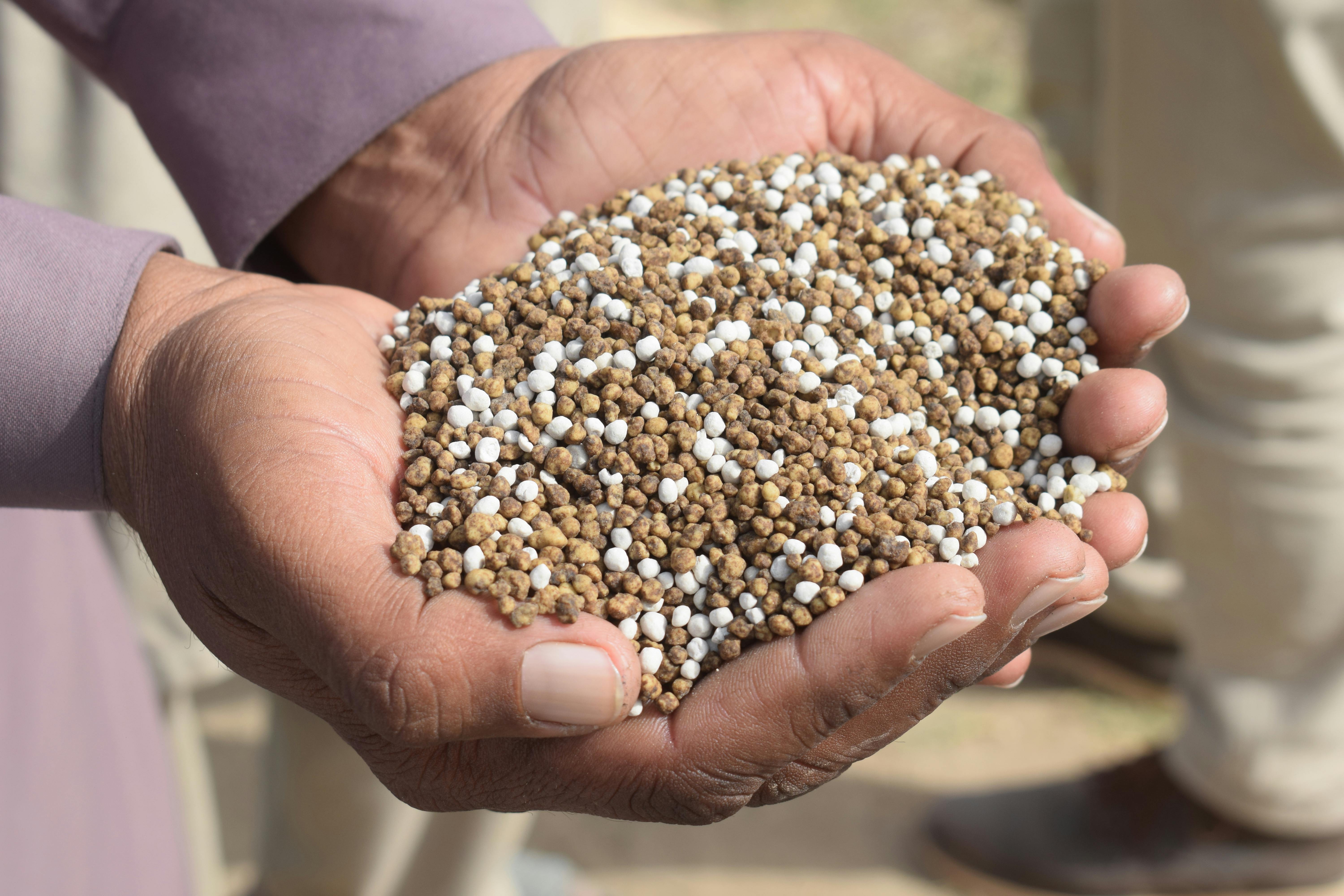
Integrating biochar into your composting process is a game-changer for soil health. Biochar, a charcoal-like substance made from organic material through pyrolysis, acts as a permanent soil amendment. When co-composted, it creates a hospitable environment for beneficial microbes, significantly enhancing nutrient retention and reducing nitrogen loss, as highlighted by a Facebook community discussion on biochar benefits. University of Nairobi 2025 trials specifically demonstrated that composting with biochar can lead to an impressive 30% increase in crop yields.
For farmers looking to establish efficient composting systems, a dedicated compost solution is invaluable. Consider theVIVOSUN 5-Layer Worm Compost Bin – available on Amazon, which facilitates vermicomposting and efficient nutrient cycling on your farm.
Legume Intercropping: Nature's Nitrogen Fixers
Intercropping legumes with your primary crops is a time-honored practice with immense benefits. Legumes, such as beans, groundnuts, and cowpeas, have a symbiotic relationship with nitrogen-fixing bacteria in their root nodules. This process naturally enriches the soil with nitrogen, drastically reducing the need for synthetic nitrogen fertilizers—potentially cutting costs by 50% while significantly improving soil structure and overall fertility. Research in Central Kenya has shown that a staggered maize-legume intercrop arrangement robustly increases crop yields and economic returns.
To further enhance soil health and nutrient availability, consider using a high-quality organic fertilizer. Products likeWallace Organic Wonder, Soluble Humic & Fulvic Acid Powder – available on Amazon, can provide essential humic and fulvic acids that improve nutrient uptake and soil structure. To explore more comprehensive sustainable organic farming solutions and partnerships, explore Biofarm Kenya's partner network.
Holistic Soil Management: Beyond the Basics
Regenerative farming extends beyond individual techniques to a holistic approach to soil care. This involves minimizing soil disturbance, maintaining continuous living roots, maximizing crop diversity, and integrating livestock where feasible. These practices work synergistically to build organic matter, enhance water infiltration, and create a robust, resilient soil ecosystem. Farmers learning to 'read the land' and apply practices that allow the soil to breathe are seeing remarkable transformations from barren to bountiful, according to UN Kenya reports.
Case Studies: Kenyan Farmers Thriving with Regenerative Practices
Across Kenya, numerous farmers are demonstrating the tangible benefits of transitioning to regenerative organic agriculture. One inspiring example comes from the Mount Kenya region, where farmers participating in the Rainforest Alliance's Sustainable Landscape and Livelihoods (MSuLLi) program have embraced climate-smart practices. Christine, a coffee farmer, shared how adopting regenerative methods not only improved her soil and yields but also helped her secure premium prices for her Rainforest Alliance Certified coffee at auction. Similarly, Enos, another participant, significantly grew his yearly income after transitioning from conventional farming, proving that regenerative agriculture is indeed 'the key to a happier, healthier, more sustainable future.'
In Eastern Kenya, the RegenerAgri Initiative is another success story, walking farmers step-by-step through the adoption of practices like leguminous cover cropping and bokashi composting. These farmers are not only witnessing dramatically improved yields and incomes but also enhanced resilience to the unpredictable challenges of climate change. A study published in ScienceDirect highlighted how organically managed farms in Kenya showed significantly higher (+144%) farm-level gross margins compared to conventional farms, underscoring the economic viability and superior returns achievable through these sustainable approaches.
These case studies underscore that regenerative organic farming is not just an ideal; it's a proven, practical path to prosperity and environmental health for Kenyan smallholders. Organizations like Farm Africa and the AKDN are actively supporting thousands of farmers in making this crucial transition, building community-led learning networks that accelerate the adoption of sustainable practices and secure livelihoods for generations to come.
Common Mistakes to Avoid
Even with the best intentions, farmers can sometimes fall into common pitfalls that hinder their regenerative journey. Avoiding these errors is crucial for sustained success and maximizing the benefits of your efforts.
By understanding and actively avoiding these common mistakes, Kenyan farmers can navigate their transition to regenerative organic systems more effectively, ensuring healthier soils and more productive farms.
Expert Tips & Best Practices for Sustainable Growth
To truly excel in regenerative organic farming, adopting expert tips and best practices tailored to the Kenyan context is essential. These insights, gleaned from successful farmers and agricultural specialists, can significantly accelerate your journey toward soil health and increased profitability.
These practices, coupled with a commitment to continuous improvement, will lay a strong foundation for your farm's success. For more in-depth resources and to connect with a network dedicated to sustainable agriculture, explore sustainable organic farming solutions with Biofarm Kenya.
Future Trends or Predictions
The future of agriculture in Kenya is poised for exciting transformations, driven by innovation, technology, and an increasing commitment to sustainability. Embracing these emerging trends will be key for farmers looking to stay ahead and build truly resilient systems.
These trends highlight a future where technology and ecological principles converge, creating a more efficient, productive, and environmentally sound agricultural sector in Kenya. Staying informed and open to adopting these innovations will be crucial for the next generation of successful Kenyan farmers.
Conclusion: Sowing Seeds of Prosperity with Biofarm Kenya
The journey to boosting Kenyan farm profits through regenerative soil methods is not just a dream; it's an achievable reality. By consciously transitioning from conventional, chemical-dependent practices to holistic, organic systems, farmers can revive their soil, significantly increase yields, and dramatically cut input costs. The evidence is clear: practices like biochar composting and legume intercropping are powerful tools for enhancing microbial diversity, fixing nitrogen naturally, and building long-term soil resilience. Beyond individual techniques, a commitment to holistic soil management, avoiding common pitfalls, and embracing future innovations will secure a prosperous and sustainable future for Kenyan agriculture. Empower yourself with knowledge, apply these proven strategies, and watch your farm flourish.
Discover trusted organic farming tools and resources on Amazon and learn more about sustainable solutions with Biofarm Kenya, your partner in cultivating a greener, more abundant tomorrow.
FAQs on Regenerative Organic Farming in Kenya
A1: Regenerative agriculture is a holistic farming approach focused on rehabilitating and enhancing the entire ecosystem of the farm. It emphasizes soil health, biodiversity, and carbon sequestration. For Kenyan farmers, it's crucial because it reverses soil degradation caused by conventional methods, boosts yields by up to 79% (Tamalu Farm), reduces reliance on expensive chemical inputs, and builds climate resilience, ensuring long-term food security and profitability. Learn more about its transformative impact from Farm Africa.
A2: Biochar composting involves adding biochar (a stable form of carbon) to traditional compost. The biochar's porous structure provides an ideal habitat for beneficial microorganisms, enhances nutrient retention, and reduces greenhouse gas emissions during composting. When applied to soil, this enriched compost significantly improves soil organic matter, water holding capacity, and microbial diversity, leading to healthier plants and yield increases of up to 30% (University of Nairobi 2025 trials). Explore the science behind biochar composting benefits.
A3: Legume intercropping involves planting legumes (like beans or groundnuts) alongside non-leguminous crops (like maize). The primary benefit is natural nitrogen fixation; legumes host bacteria that convert atmospheric nitrogen into a form plants can use, reducing the need for synthetic nitrogen fertilizers by up to 50% and cutting costs. It also improves soil structure, reduces erosion, suppresses weeds, and enhances overall biodiversity. Discover research on increased yields and economic returns in Central Kenya.
A4: Soil testing is fundamental for understanding your soil's current condition – its pH, nutrient levels (N, P, K), and organic matter content. This knowledge allows farmers to make informed decisions about amendments, nutrient management, and crop selection, avoiding unnecessary expenses on fertilizers their soil doesn't need. For farmers transitioning to regenerative methods, it helps track progress in soil health improvement. Read about innovations in making soil testing more accessible for Kenyan smallholders.
A5: Common soil health issues in Kenya include nutrient depletion, soil acidity, compaction, erosion, and reduced microbial activity, largely due to unsustainable farming practices and climate change. Regenerative agriculture directly tackles these by increasing soil organic matter, improving soil structure, balancing pH naturally, enhancing water retention, and fostering a diverse soil microbiome, effectively turning degraded soils into productive ones. Explore how reviving dead soils is a hidden treasure for healthy food in Kenya.
A6: Biofarm Kenya partners offer a range of support including expert training, access to sustainable farming inputs (like organic fertilizers and biochar), guidance on implementing regenerative practices, and connections to markets for organically grown produce. They aim to empower farmers with the knowledge, tools, and community networks needed to successfully transition to regenerative organic systems, ensuring both environmental stewardship and economic prosperity. Discover more about partnering with Biofarm Kenya for sustainable solutions.
Further Resources from Biofarm Kenya:


0 Comments