

Estimated Reading Time: 11 minutes
TL;DR: Agroforestry offers a powerful, sustainable solution for Kenyan farmers facing climate challenges. By integrating drought-tolerant trees with crops, farmers can significantly boost soil moisture, enhance fertility, and increase yields. This guide provides actionable steps, from tree selection to pruning, demonstrating how these methods foster resilience, diversify income, and support Kenya's agricultural future, particularly in arid regions.
Key Takeaways:
- Agroforestry can increase maize yields by 58% and soil moisture by 40% in Kenyan arid regions.
- Selecting nitrogen-fixing, drought-tolerant trees like Acacia and Grevillea is crucial for success.
- Proper spacing and pruning techniques maximize light, minimize competition, and provide fodder.
- Sustainable practices like organic fertilization and drip irrigation complement agroforestry for optimal results.
- Embrace technology and expert advice for long-term farm resilience and profitability.
Table of Contents
- Introduction
- Background & Context
- Key Insights or Strategies
- Selecting the Right Tree Species
- Optimizing Spacing and Intercropping
- Effective Pruning for Multiple Benefits
- Case Studies, Examples, or Comparisons
- Common Mistakes to Avoid
- Expert Tips or Best Practices
- Future Trends or Predictions
- Conclusion
- FAQs
Introduction
In the face of unpredictable climate patterns and persistent food security challenges, sustainable agriculture has become not just an option, but a necessity for nations worldwide. Nowhere is this more apparent than in Kenya, where a growing population depends on a fluctuating agricultural landscape. Kenyan farmers in arid regions are increasingly adopting agroforestry to combat soil degradation and erratic rainfall. This innovative approach, integrating trees with crops and livestock, is proving to be a lifeline, offering a multifaceted solution to environmental and economic pressures. This training guide delves into the transformative power of agroforestry, focusing on practical, evidence-backed methods for boosting farm yields and building long-term resilience. We will explore how to integrate drought-tolerant trees (e.g., Acacia, Grevillea) with crops like maize or beans, drawing on the latest research and local success stories to empower you with the knowledge needed to thrive.
The benefits extend far beyond immediate harvests. Agroforestry systems contribute significantly to soil health, enhance biodiversity, and provide diverse income streams, fostering a more robust and adaptable farming ecosystem. For smallholder farmers in particular, these methods offer a pathway to improved livelihoods and greater food security, transforming marginal lands into productive assets.
Background & Context
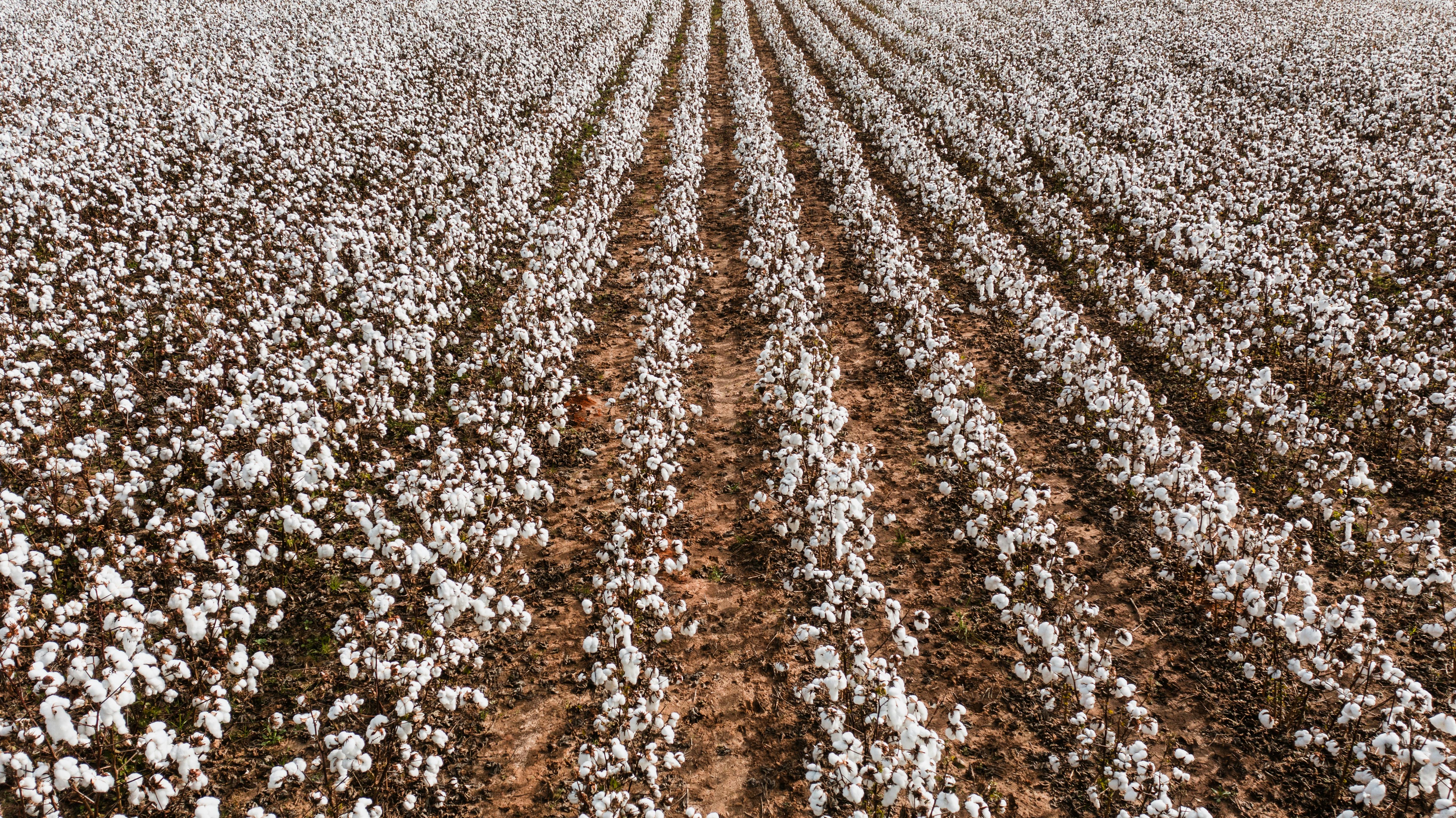
Kenya's agricultural sector, the backbone of its economy, faces immense pressure from climate change, leading to recurrent droughts and land degradation. Statistics reveal a stark reality: East Africa experiences soil degradation affecting up to 40% of its land, with only approximately 20% of Kenya's land considered fit for food production. This soil degradation is characterized by low fertility, poor water holding capacity, and a severe lack of organic matter, collectively reducing agricultural output by an estimated 30%. These challenges necessitate a radical shift towards sustainable and regenerative farming practices.
Organic farming, a key component of sustainable agriculture, is gaining significant momentum across East Africa. There's a noticeable increase in demand for organically produced food, reflecting a growing consumer awareness of food safety and environmental impact. This trend presents a lucrative opportunity for Kenyan farmers to adopt methods that prioritize soil health and ecological balance, such as composting, crop rotation, and natural pest management. Agroforestry stands out as a particularly effective sustainable practice, offering a holistic approach to land management that directly addresses many of these critical issues, providing both ecological restoration and economic uplift.
Key Insights or Strategies

Adopting agroforestry successfully in Kenya's arid regions hinges on a few critical strategies. By carefully selecting tree species, optimizing their arrangement, and implementing strategic pruning, farmers can create a harmonious system where trees and crops mutually benefit.
Selecting the Right Tree Species
The foundation of a successful agroforestry system lies in choosing tree species that are well-suited to arid conditions and offer multiple benefits. Key evidence-backed steps include: 1) Selecting tree species that fix nitrogen and minimize water competition. Nitrogen-fixing trees naturally enrich the soil, reducing the need for synthetic fertilizers. Drought-tolerant species are crucial for survival and productivity in water-scarce environments.
- Prioritize Indigenous Drought-Tolerant Varieties: Trees like Acacia tortilis (muaa) and Terminalia brownie (kiuku) are excellent choices for dryland regions in Kenya. They are adapted to harsh conditions and provide valuable resources.
- Incorporate Nitrogen Fixers: Species such as Faidherbia albida (Apple ring acacia) and various Acacia species enrich soil fertility by converting atmospheric nitrogen into a usable form for crops.
- Consider Multi-Purpose Trees: Grevillea robusta (Gravillea), while not a nitrogen fixer, is fast-growing, provides timber, fuelwood, and fodder, and its root system is less competitive with crops compared to some other species. Moringa oleifera is another excellent choice, offering nutritional leaves, oil, and drought resilience.
- Consult Local Expertise: Engage with agricultural extension officers or organizations like the Kenya Forestry Research Institute (KEFRI) for recommendations tailored to your specific microclimate and soil type.
For farmers looking to improve soil structure and nutrient availability, consider incorporating advanced organic amendments. The Wallace Organic Wonder, Soluble Humic & Fulvic Acid Powder – available on Amazon , can significantly boost microbial activity and nutrient uptake in your soil, making it more hospitable for both trees and crops.
Optimizing Spacing and Intercropping
Once the right trees are selected, their arrangement within the farm is critical to ensure optimal light, water, and nutrient distribution. 2) Spacing techniques to optimize light and root zone separation are vital for minimizing competition and maximizing yields for both trees and companion crops.
- Alley Cropping: Plant trees in widely spaced rows (alleys), leaving the inter-row spaces for annual crops. This maximizes light penetration to crops while providing tree benefits.
- Boundary Planting: Utilize farm boundaries for tree planting, creating windbreaks, reducing erosion, and providing additional products without directly competing for prime cropping land.
- Appropriate Density: Avoid over-planting, which can lead to excessive shading and water competition. The ideal density will depend on the tree species, crop type, and local rainfall patterns.
- Root Zone Management: For some tree species, consider root pruning techniques or planting in trenches with barriers to prevent roots from spreading excessively into crop areas.
Effective Pruning for Multiple Benefits
Pruning is not just about shaping trees; it's a strategic management tool in agroforestry that can directly impact crop yields and provide valuable resources. 3) Pruning practices to enhance livestock fodder production while maintaining crop yields are essential for a truly integrated system.
- Canopy Management: Regularly prune tree branches to allow sufficient sunlight to reach understory crops. This is especially important during the cropping season.
- Fodder Production: The pruned branches and leaves from certain species (like Calliandra, Leucaena, and even some Acacia) can be a rich source of nutritious fodder for livestock, reducing reliance on external feed.
- Mulch and Green Manure: Pruned biomass can be used as mulch to conserve soil moisture, suppress weeds, and decompose into organic matter, enriching the soil.
- Fuelwood and Timber: Strategic pruning can also yield fuelwood and smaller timber products, offering additional income streams for farmers.
To further support your agroforestry efforts and explore a wider range of sustainable farming solutions, be sure to explore sustainable organic farming solutions with Biofarm Kenya .
Case Studies, Examples, or Comparisons
The theoretical benefits of agroforestry are vividly brought to life by the experiences of Kenyan farmers. Across various counties, innovative approaches are demonstrating how integrating trees with agriculture can yield substantial results, even in the most challenging environments.
A compelling example comes from Baringo County, an arid region where the impacts of climate change are acutely felt. A 2025 study by the Kenya Agricultural & Forestry Research Institute (KAFRI) highlighted the profound success of agroforestry systems in the area. The findings showed that these integrated systems impressively increased soil moisture retention by 40% and boosted maize yields by 58%. This significant increase in productivity and resilience underscores the transformative potential of agroforestry, offering a tangible pathway out of food insecurity for communities in similar arid and semi-arid lands (ASALs). These results are not just statistical achievements but represent real improvements in farmers' livelihoods and local ecological health.
Another testament to agroforestry's effectiveness can be seen in initiatives supported by organizations like the World Agroforestry Centre (ICRAF) and government programs. Farmers in Kitui and Makueni counties, for instance, have successfully integrated fruit trees such as mangoes and citrus with staple crops. These systems not only diversify dietary intake but also provide an additional source of income from fruit sales, creating a buffer against crop failures and market fluctuations. The trees also act as living fences, providing shade, and preventing soil erosion on slopes, thus protecting the valuable topsoil that is crucial for sustained agricultural production.
Moreover, a study by the Food and Agriculture Organization (FAO) emphasizes that sustainable land management practices, including agroforestry, are crucial for achieving food security and poverty reduction in sub-Saharan Africa. The FAO advocates for policy support and technical assistance to scale up these practices, citing their proven capacity to restore degraded lands and improve the adaptive capacity of farming communities. The success stories from Kenya exemplify this, demonstrating that with the right knowledge and resources, farmers can transform their landscapes and secure a more prosperous future. (Source: FAO Land and Water Division)
Common Mistakes to Avoid
While agroforestry offers immense potential, certain pitfalls can hinder its success. Being aware of these common mistakes allows farmers to implement strategies effectively and maximize their returns.
- Ignoring Tree-Crop Compatibility: A frequent error is planting trees that are highly competitive for water, nutrients, or light, or those that release allelopathic chemicals detrimental to crops.
Correction: Research thoroughly and select species known for their compatibility, nitrogen-fixing abilities, and appropriate canopy architecture. Consult local agricultural extension services for recommended pairings. - Improper Spacing and Density: Planting trees too densely or too close to crops leads to excessive shading, root competition, and reduced crop yields.
Correction: Follow recommended spacing guidelines for specific tree and crop combinations. Design your system to optimize light penetration and minimize root overlap, perhaps using alley cropping or boundary planting. - Neglecting Pruning: Failing to prune trees regularly can lead to excessive shading of crops, reduced air circulation, and lower overall farm productivity.
Correction: Develop a consistent pruning schedule. Prune branches that overshade crops and utilize the biomass for mulch or fodder. - Poor Soil Management: Even with trees, neglecting overall soil health (e.g., not replenishing organic matter, improper tillage) will limit the benefits.
Correction: Implement integrated soil fertility management practices. This includes composting, cover cropping, and minimal tillage, which work synergistically with agroforestry to build robust soil health. Regular soil testing can guide these efforts. - Inadequate Water Management: Relying solely on rainfall, especially in arid regions, without supplementary irrigation or water harvesting can stress both trees and crops.
Correction: Integrate water-saving technologies like drip irrigation and implement rainwater harvesting techniques to ensure consistent water availability, particularly during dry spells. - Lack of Diversification: Focusing on only one or two tree or crop species can leave the farm vulnerable to pests, diseases, or market fluctuations.
Correction: Diversify your agroforestry system with a mix of tree species (fruit, fodder, timber) and different crops to enhance resilience and provide multiple income streams.
Expert Tips or Best Practices
Harnessing the full potential of agroforestry requires a blend of traditional wisdom and modern agricultural science. Here are some expert tips for Kenyan farmers:
- Start Small and Learn: Begin with a manageable plot to experiment with different tree-crop combinations and observe what works best in your specific micro-environment. This iterative approach minimizes risk and builds confidence.
- Integrate Livestock Wisely: If you have livestock, consider silvopastoral systems where trees provide shade, fodder, and improve pasture quality. Ensure proper tree protection from browsing animals, especially young seedlings. The pruned branches from trees like Calliandra calothyrsus and Leucaena leucocephala are excellent sources of protein-rich fodder.
- Monitor Soil Health Regularly: Healthy soil is the bedrock of agroforestry. Regularly check your soil's pH, nutrient levels, and organic matter content. For accurate and professional insights into your farm's foundation, the Luster Leaf Products 1665 Professional Soil Kit – available on Amazon , provides comprehensive testing for pH, N, P, and K, enabling you to make informed decisions for soil amendment.
- Embrace Water Efficiency: In arid and semi-arid regions, efficient water use is non-negotiable. Beyond rainwater harvesting, consider advanced irrigation methods. A reliable system like the Drip Irrigation Kit for Small Farms – available on Amazon , delivers water directly to the root zone, significantly reducing waste and ensuring your trees and crops receive adequate moisture.
- Utilize Local Nurseries and Seed Banks: Source your drought-tolerant tree seedlings from reputable local nurseries that specialize in indigenous and climate-adapted species. Support your local economy and ensure your plants are suited for regional conditions. For establishing your own tree nursery to propagate these vital species, equipping yourself with the right tools is essential. Consider investing in quality Nursery Pots – available on Amazon , to give your seedlings the best start before transplanting them into your agroforestry system.
- Continuous Learning and Adaptation: Agricultural science is always evolving. Stay informed about new research, attend local farmer field days, and adapt your practices based on observed results and changing environmental conditions.
Remember, building a resilient agroforestry system is a long-term investment. Patience, observation, and continuous learning are your greatest assets. For more in-depth guidance and resources tailored to sustainable practices in Kenya, be sure to explore sustainable organic farming solutions with Biofarm Kenya .
Future Trends or Predictions
The future of agriculture in Kenya, particularly in the context of sustainable farming and agroforestry, is being shaped by exciting innovations and evolving technologies. These trends promise to enhance productivity, resilience, and profitability for farmers across the nation.
One major prediction is the wider adoption of smart irrigation systems. Leveraging sensors, AI, and localized weather data, these systems will precisely deliver water where and when it's needed, drastically reducing water waste and maximizing crop efficiency. This is particularly crucial for arid regions, where every drop counts. Paired with agroforestry, smart irrigation can ensure optimal growth for both trees and crops, even during extended dry spells.
Vertical farming and controlled environment agriculture (CEA) are also on the horizon for urban and peri-urban areas. While not directly agroforestry, the principles of maximizing land use and controlled resource application can inspire innovations in integrating food production into smaller spaces, complementing broader landscape-level agroforestry efforts. These technologies can provide high-value crops with minimal land and water input.
Furthermore, AI-driven crop monitoring and precision agriculture will become more accessible. Drones and satellite imagery, combined with artificial intelligence, can detect early signs of pest infestation, nutrient deficiencies, or water stress across vast farm landscapes, including complex agroforestry systems. This allows for targeted interventions, minimizing resource use and maximizing yields. Farmers will receive real-time insights, enabling proactive management rather than reactive responses.
Finally, the development of enhanced drought-tolerant and disease-resistant crop varieties through advanced plant breeding techniques will complement agroforestry efforts. These robust crop varieties, designed to thrive alongside trees in challenging conditions, will further solidify the resilience and productivity of integrated farming systems, ensuring food security in the face of a changing climate.
Conclusion
Agroforestry is not merely a farming technique; it's a profound philosophy for sustainable land management, especially vital for Kenyan farmers in arid regions increasingly adopting agroforestry to combat soil degradation and erratic rainfall. As we’ve explored, integrating drought-tolerant trees like Acacia and Grevillea with staple crops such as maize or beans offers a compelling pathway to enhanced yields, improved soil health, and diversified livelihoods. The evidence is clear: from a 58% boost in maize yields to a 40% increase in soil moisture retention, agroforestry delivers tangible, life-changing results.
By adhering to key principles—meticulous tree selection, strategic spacing, and informed pruning—farmers can cultivate resilient ecosystems that not only withstand climate shocks but also flourish economically. Avoiding common mistakes and embracing expert tips further empowers farmers to optimize their systems, ensuring long-term success. The future of Kenyan agriculture is undoubtedly intertwined with these sustainable innovations, promising a more secure and prosperous tomorrow.
Discover trusted organic farming tools on Amazon and learn more about sustainable solutions with Biofarm Kenya .
FAQs
Q1: How does agroforestry help Kenyan communities cope with climate change?
Agroforestry enhances climate resilience by improving soil moisture retention, reducing soil erosion, regulating microclimates, and diversifying income sources for farmers. Trees act as carbon sinks, mitigating climate change impacts while providing food, fodder, and fuelwood. This multi-faceted approach builds stronger, more adaptable communities. (Source: World Agroforestry Centre - Kenya)
Q2: What are the primary ecosystem services provided by agroforestry systems?
Agroforestry provides a wealth of ecosystem services, including enhanced soil fertility through nitrogen fixation and organic matter accumulation, improved water quality and regulation, increased biodiversity (for both flora and fauna), carbon sequestration, and habitat provision. These services contribute to overall ecological health and sustainable agricultural production. (Source: UNEP Africa)
Q3: What challenges do Kenyan farmers face when adopting agroforestry, and how can they be overcome?
Common challenges include limited access to quality tree seedlings, insufficient knowledge on appropriate species and management, insecure land tenure, and initial investment costs. These can be overcome through farmer training programs, access to microfinance, establishment of community nurseries, and supportive government policies that promote secure land rights and extension services. (Source: Biofarm Kenya Partner Solutions)
Q4: What is Kenya's National Agroforestry Strategy, and what are its goals?
Kenya officially launched its National Agroforestry Strategy 2025–2035, marking a pivotal milestone in advancing climate-smart agriculture, resilient livelihoods, and environmental restoration. The strategy aims to integrate trees into farming landscapes across the country, boosting agricultural productivity, improving livelihoods, and contributing to national climate change mitigation and adaptation goals. (Source: Vi Agroforestry)
Q5: How does agroforestry contribute to food security in Kenya's arid regions?
Agroforestry bolsters food security by diversifying food sources (fruits, nuts, leaves), increasing staple crop yields due to improved soil fertility and moisture, and providing resilience against drought. It reduces reliance on a single crop, offering consistent food availability even when conditions are challenging for conventional farming. (Source: FAO Kenya)
Q6: Where can farmers find reliable information and support for implementing agroforestry?
Farmers can find reliable information and support from government agricultural extension services, organizations like the Kenya Forestry Research Institute (KEFRI), the World Agroforestry Centre (ICRAF), and various NGOs focused on sustainable agriculture. Additionally, local farmer cooperatives and online resources (like Biofarm Kenya) offer valuable insights and community support. (Source: Kenya Forestry Research Institute (KEFRI))
Additional Authoritative External Links:
- National Environmental Management Authority (NEMA) Kenya
- Ministry of Agriculture, Livestock, Fisheries and Co-operatives, Kenya
- Kenya Bureau of Standards (KEBS)
- World Agroforestry Centre (ICRAF)
- Center for International Forestry Research (CIFOR)
- CGIAR Research Program on Forests, Trees and Agroforestry
Internal Biofarm Kenya Links (already integrated above, for clarity and completeness):

0 Comments