

Estimated Reading Time: 9 minutes
Table of Contents
- Introduction: Cultivating a Greener Future in KenyaBackground & Context: The Shifting Sands of Kenyan AgricultureKey Insights & Strategies: Mastering No-Till for Maize SuccessCase Studies & Examples: Kenyan Farmers Leading the WayCommon Mistakes to Avoid in No-Till TransitionExpert Tips & Best Practices for No-Till FarmingFuture Trends & Innovations in Sustainable Kenyan AgricultureConclusion: Embracing No-Till for a Resilient KenyaFAQs: Your No-Till Farming Questions Answered
Introduction: Cultivating a Greener Future in Kenya
In Kenya, where agricultural resilience is paramount, farmers are confronting the dual challenges of intensifying droughts and widespread soil degradation. The urgent need for sustainable solutions has led to a growing embrace of no-till farming practices. This innovative approach offers a beacon of hope, promising not only to preserve precious moisture and restore soil fertility but also to significantly boost crop yields. As Kenya's farmers are increasingly adopting no-till practices to preserve moisture and fertility, this guide aims to empower them with the knowledge to implement effective no-till systems.
Evidence from various studies and farmer testimonials, including research aligned with institutions like ILRI (International Livestock Research Institute), consistently points to the remarkable benefits of minimal soil disturbance. These findings suggest the potential for substantial yield increases, with some reports indicating up to a 30% rise or even more in maize production, alongside improved soil health and reduced input costs. By transitioning to minimal soil disturbance, integrating cover crops for organic matter, and utilizing compost over synthetic fertilizers, Kenyan agriculture can embark on a path of renewed vitality, aligning with rising queries about 'low-cost soil revival' and 'chemical-free farming.'
Background & Context: The Shifting Sands of Kenyan Agriculture
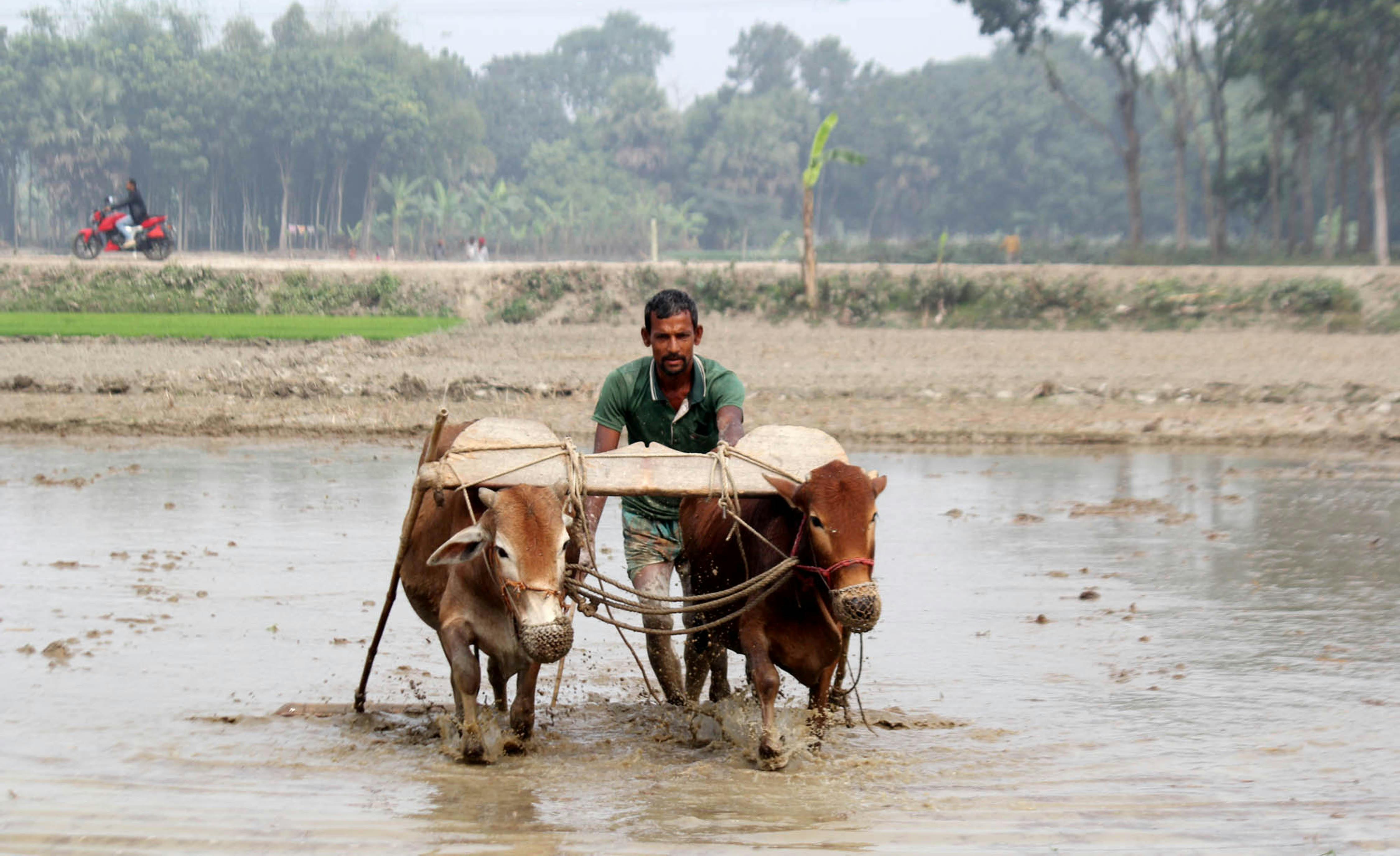
Kenya's agricultural sector, the backbone of its economy, faces mounting pressure from climate change and conventional farming methods. Decades of intensive plowing, monocropping, and reliance on synthetic chemicals have led to severe soil degradation, characterized by loss of organic matter, reduced water retention, and nutrient depletion. The UN estimates that approximately 2.6 million hectares of land in Kenya are affected by various forms of degradation, directly impacting food security for millions.
However, there's a significant shift towards organic farming and sustainable agriculture. Over 150,000 Kenyan farmers have already adopted organic methods, driven by the desire for healthier soils, reduced input costs, and access to niche markets. Organizations like Biovision Africa Trust, through initiatives like RegenerAgri, are demonstrating that regenerative practices can restore degraded land and empower smallholder farmers. This movement is not just about environmental protection; it's about economic resilience and ensuring a sustainable future for Kenya's agrarian communities. The 2025 research by Laub et al. on 'Maize yield responses to soil organic carbon under...' further underscores the critical link between sustainable practices and productive outcomes.
Key Insights & Strategies: Mastering No-Till for Maize Success
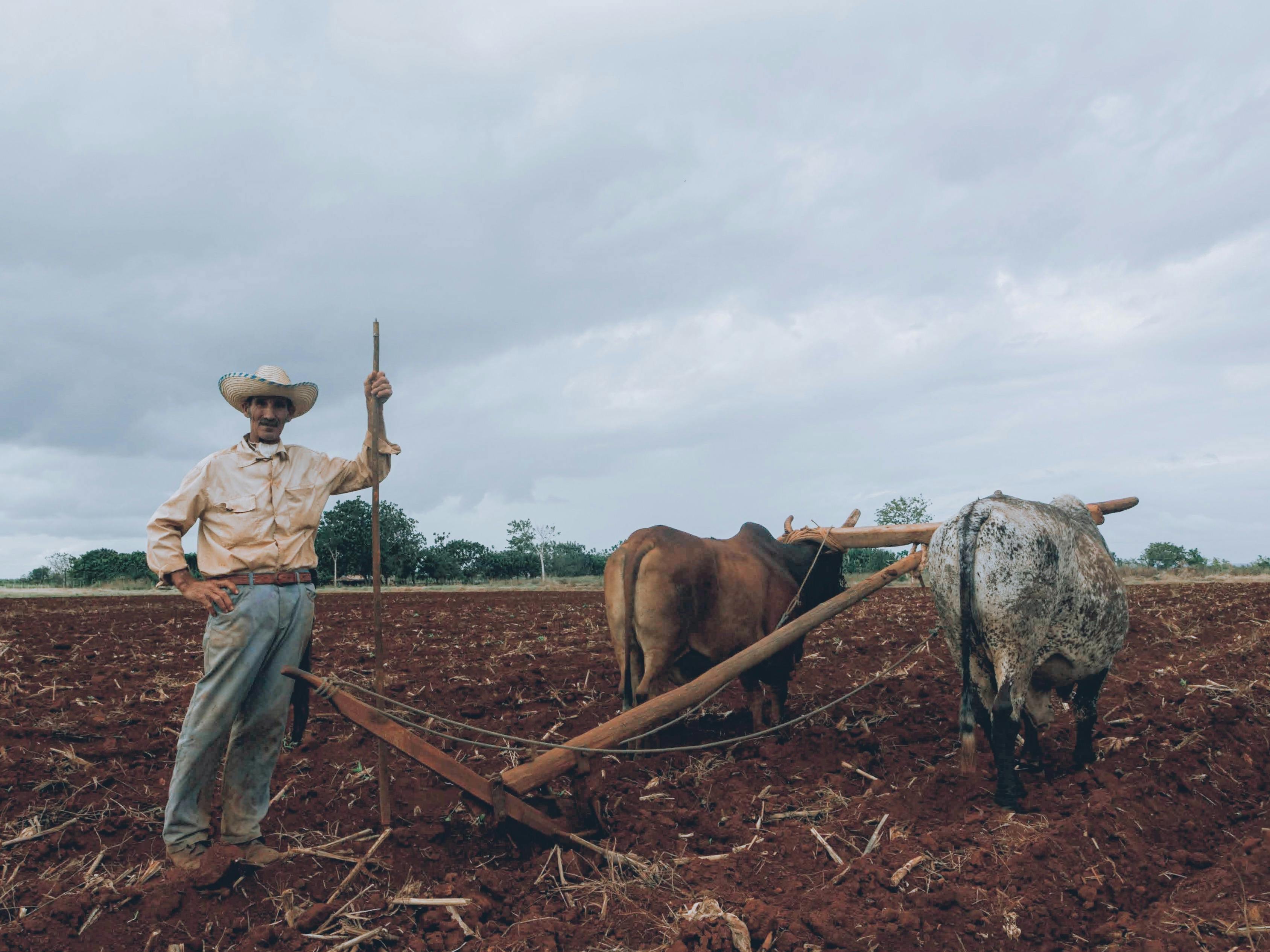
Adopting no-till farming is a holistic process that transforms your farm into a thriving, resilient ecosystem. Here are the core strategies for successful implementation in Kenya, particularly for maize production:
1. Minimal Soil Disturbance: The Foundation of No-Till
The essence of no-till farming is to disturb the soil as little as possible. This means moving away from traditional plowing and harrowing. Instead, planting is done directly into the previous crop's residue. This preserves soil structure, enhances microbial activity, and prevents erosion, especially crucial during heavy rains or strong winds.
2. Integrating Cover Crops: Nature's Soil Builders
Cover crops are non-cash crops planted primarily to manage soil erosion, fertility, quality, water, weeds, pests, and diseases. They are vital for no-till systems, mimicking natural ecosystems where soil is always covered.
3. Utilizing Compost Over Synthetic Fertilizers
Organic matter is the lifeblood of healthy soil. No-till farming thrives when synthetic fertilizers are replaced or significantly reduced by nutrient-rich compost and other organic amendments.
By implementing these strategies, Kenyan farmers can unlock the full potential of their land, securing higher maize yields and contributing to a more sustainable agricultural landscape. Explore sustainable organic farming solutions with Biofarm Kenya for more resources and guidance.
Case Studies & Examples: Kenyan Farmers Leading the Way
Across Kenya, pioneering farmers are demonstrating the tangible benefits of no-till and sustainable practices. Their successes offer compelling evidence that a shift away from conventional methods is not only possible but profitable.
In western Kenya, smallholder maize farmers involved in conservation agriculture programs have reported significant improvements. For instance, farmers transitioning to no-till combined with crop rotation and cover cropping have observed yield increases of 50-100% within a few seasons, even under challenging climatic conditions. These farmers have also noted a reduction in labor costs, improved soil structure, and better water infiltration, which is critical during dry spells. This aligns with observations from a CGIAR report indicating how integrated approaches can lead to substantial maize yield increases, sometimes doubling harvests for smallholder farmers (Source: CGIAR - REPORTING 2025 EVIDENCE).
Another inspiring example comes from the semi-arid regions, where water scarcity is a constant threat. Here, farmers who have adopted minimal tillage and utilized drought-resistant cover crops like cowpeas have seen their fields retain moisture for longer periods, leading to more consistent maize harvests. The reduced soil erosion also means less loss of valuable topsoil, preserving the long-term productivity of their land. These localized successes underscore the adaptability and effectiveness of no-till methods across Kenya's diverse agro-ecological zones.
Common Mistakes to Avoid in No-Till Transition
While no-till farming offers immense benefits, a successful transition requires careful planning and avoiding common pitfalls:
Expert Tips & Best Practices for No-Till Farming
Optimizing your no-till system in Kenya requires attention to detail and a commitment to understanding your specific farm's needs:
By integrating these expert tips, Kenyan farmers can not only overcome initial challenges but also significantly enhance the productivity and sustainability of their no-till maize systems. To further your knowledge and connect with a community dedicated to sustainable practices, explore sustainable organic farming solutions with Biofarm Kenya.
Future Trends & Innovations in Sustainable Kenyan Agriculture
The landscape of sustainable agriculture in Kenya is continuously evolving, with exciting innovations poised to transform farming practices. These trends promise to make farming more efficient, resilient, and environmentally friendly:
Smart Irrigation Systems: Beyond basic drip irrigation, intelligent systems are emerging that use sensors to monitor soil moisture and weather patterns, automatically adjusting water delivery. This precision irrigation minimizes water waste and ensures crops receive exactly what they need, a game-changer for water-stressed regions.
Vertical Farming and Urban Agriculture: As urbanization increases, vertical farms and controlled-environment agriculture are gaining traction. These systems allow for high-density food production in limited spaces, often using hydroponics or aeroponics, significantly reducing land and water requirements. This could provide fresh produce for Kenyan cities year-round.
AI-Driven Crop Monitoring and Analytics: Artificial intelligence and machine learning are being deployed to analyze drone imagery and sensor data, identifying crop health issues, pest infestations, and nutrient deficiencies with unprecedented accuracy. This enables farmers to intervene early and efficiently, reducing losses and optimizing yields.
Bio-Fertilizers and Biopesticides: Research and development into biological alternatives to synthetic chemicals are accelerating. These natural inputs harness beneficial microorganisms and plant extracts to enhance soil fertility and control pests, further supporting chemical-free farming and biodiversity.
Precision Agriculture: Combining GPS technology, sensor data, and variable-rate application machinery, precision agriculture allows farmers to apply inputs (seeds, water, nutrients) only where and when they are needed. This hyper-efficient approach reduces costs, waste, and environmental impact, making farming more sustainable and profitable.
These emerging trends, coupled with the proven benefits of practices like no-till, signal a bright future for Kenyan agriculture – one that is productive, sustainable, and resilient in the face of environmental challenges.
Conclusion: Embracing No-Till for a Resilient Kenya
The journey towards sustainable agriculture in Kenya is not merely an aspiration but a vital necessity. No-till farming, with its core principles of minimal soil disturbance, strategic cover cropping, and the judicious use of organic inputs, stands as a cornerstone of this transformation. It offers a powerful antidote to soil degradation and water scarcity, paving the way for healthier ecosystems and significantly higher maize yields for Kenyan farmers.
As we've explored, adopting no-till is a long-term investment that yields compounding benefits—from enhanced soil fertility and increased moisture retention to reduced labor and input costs. The success stories of countless Kenyan farmers attest to its efficacy, demonstrating that a commitment to working with nature, rather than against it, can lead to both environmental regeneration and economic prosperity. By embracing these practices, farmers not only secure their livelihoods but also contribute to the broader food security and ecological resilience of the nation.
The future of Kenyan agriculture is undoubtedly green, innovative, and deeply rooted in sustainable principles. Discover trusted organic farming tools on Amazon and learn more about sustainable solutions with Biofarm Kenya.







0 Comments