

Estimated Reading Time: 11 minutes
TL;DR: Kenyan farmers can significantly improve soil health and crop resilience by adopting conservation agriculture (CA). This involves three core principles: minimal soil disturbance (no-till), permanent soil cover (mulching and cover crops), and diverse crop rotations. CA practices enhance soil moisture retention, boost fertility, and protect against erosion, crucial for smallholders battling drought and degradation. Evidence from KALRO and ICRAF supports these methods, proving their effectiveness in securing sustainable yields and agricultural prosperity across Kenya.
Key Takeaways:
Introduction to Conservation Agriculture
In the face of escalating climate change and persistent challenges like soil degradation and erratic rainfall, Kenyan farmers are increasingly questioning conventional tillage. The need for resilient and sustainable farming practices has never been more urgent. This comprehensive guide trains farmers in conservation agriculture—focusing on no-till planting, mulching, and cover crops—to fundamentally enhance soil moisture retention and fertility. These practices are not just theoretical; they are backed by robust evidence, including KALRO's ongoing field trials and ICRAF's insightful data.
Conservation agriculture (CA) offers a transformative approach, moving away from practices that deplete the land towards methods that regenerate it. For smallholders facing drought stress, CA provides practical, cost-effective strategies to secure livelihoods and ensure food security. By adopting minimal soil disturbance, maintaining a permanent soil cover, and diversifying crops, farmers can unlock their land's full potential, creating a more sustainable and productive agricultural future.
Background & Context: The State of Kenyan Agriculture
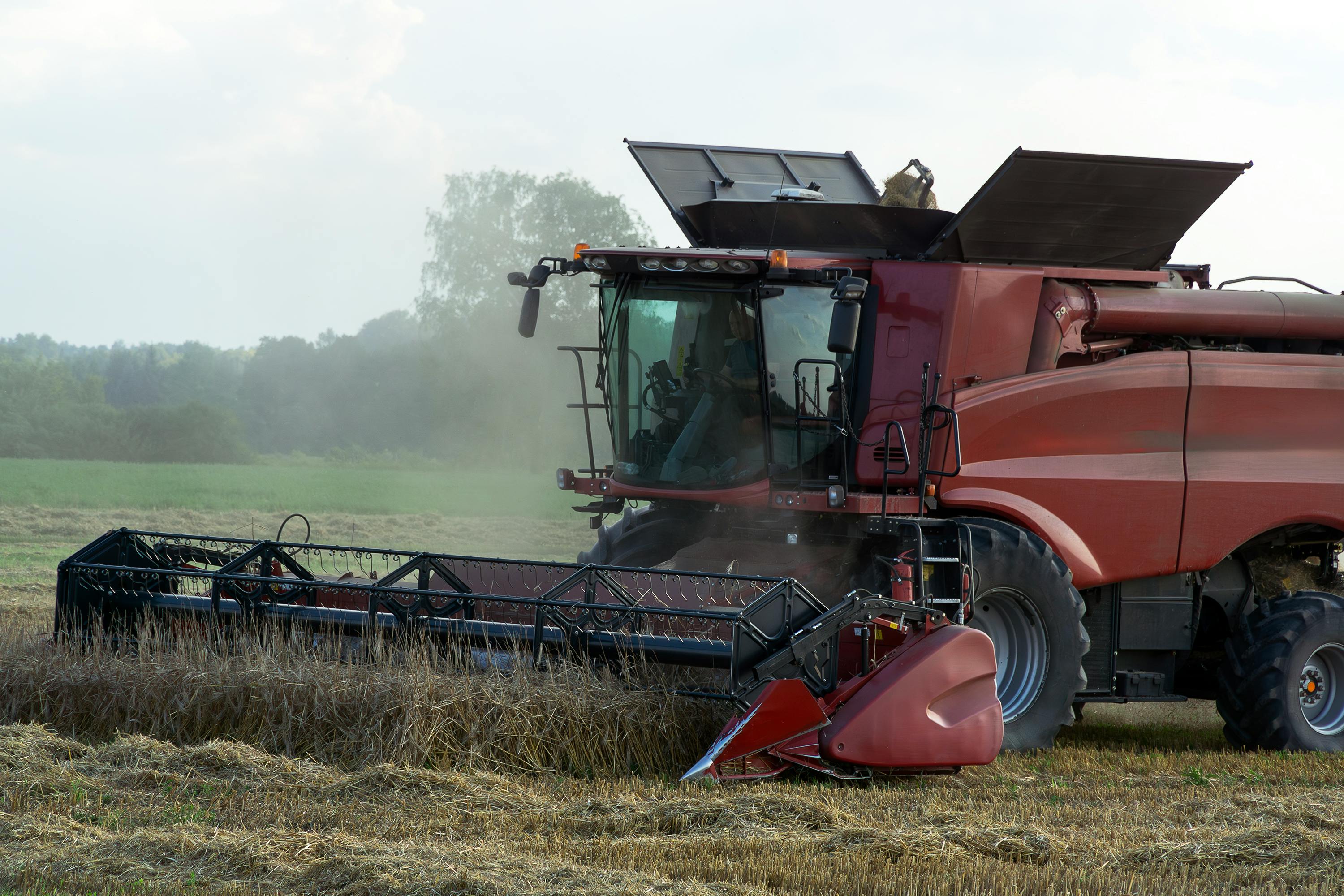
Kenya's agricultural sector, the backbone of its economy, provides livelihoods for over 70% of its rural population. However, it faces immense pressure from a growing population, climate change impacts, and widespread soil degradation. Studies by the Ministry of Agriculture, Livestock, Fisheries and Cooperatives indicate that over 32% of Kenya's land is moderately to severely degraded, significantly impacting food production capacity. Conventional tillage practices, while seemingly effective in the short term, are major contributors to this degradation, leading to soil erosion, loss of organic matter, and reduced water infiltration.
The urgency for adopting sustainable agriculture practices is palpable. Organic farming, a key component of sustainability, is gaining traction as farmers and consumers alike recognize its long-term benefits for human health and the environment. Agribusiness growth in Kenya is increasingly focusing on climate-smart agriculture and sustainable solutions that can withstand environmental shocks. Conservation agriculture stands out as a pragmatic solution, offering a pathway to enhance soil fertility, improve water use efficiency, and ultimately, build more resilient farming systems capable of confronting the challenges of a changing climate.
Key Insights & Strategies for Conservation Agriculture
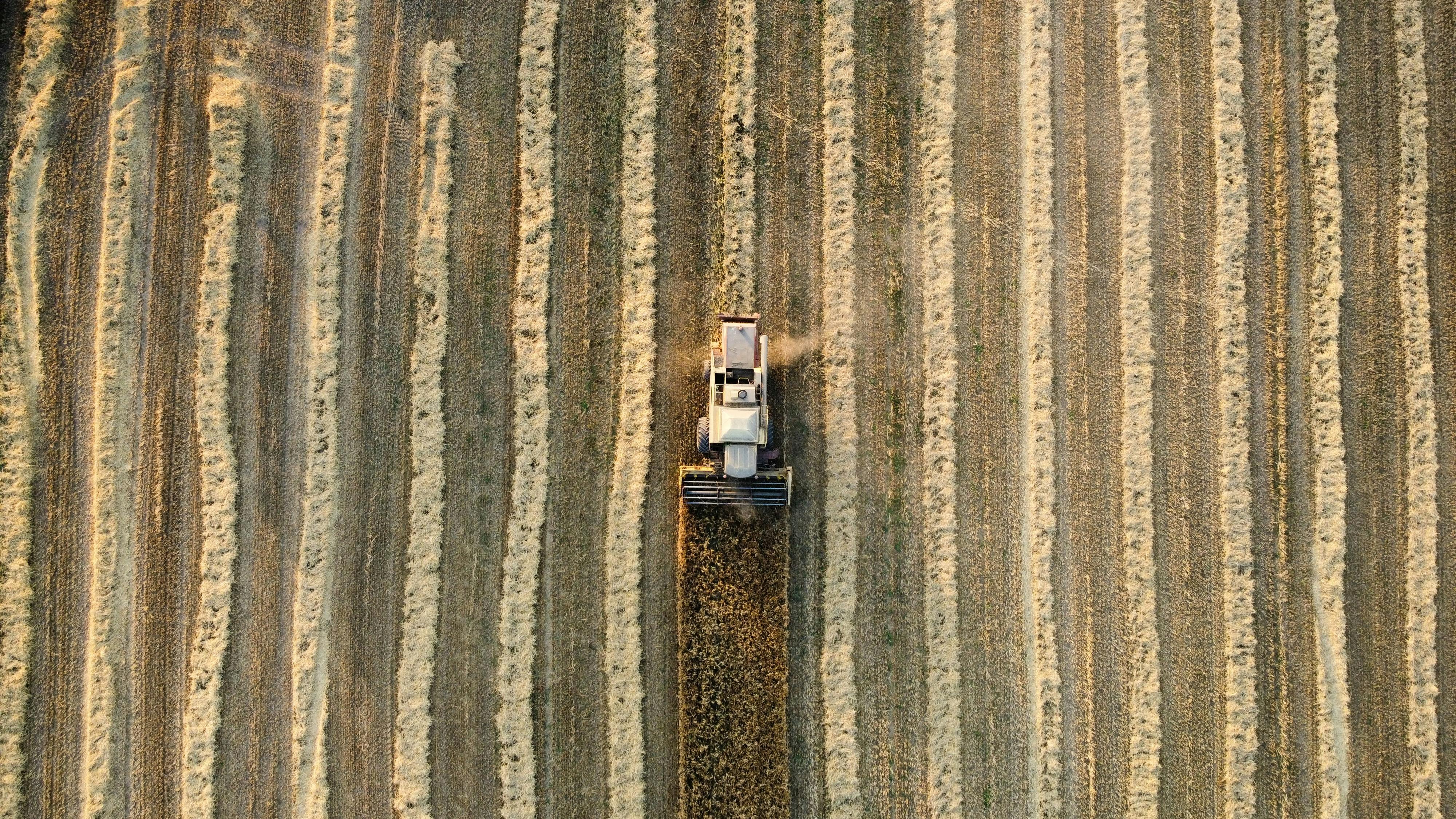
Adopting conservation agriculture involves a paradigm shift, but its core principles are straightforward and highly effective. These strategies work synergistically to restore and maintain soil health, making your farm more productive and resilient.
1. Reducing Soil Disturbance (No-Till Farming)
The cornerstone of CA is minimal soil disturbance, often referred to as no-till or zero-tillage farming. This practice involves planting crops directly into the soil without plowing or harrowing. This preserves the soil's natural structure, protects beneficial microorganisms, and prevents the loss of organic matter. KALRO's 2025 field trials consistently show that reducing soil disturbance significantly improves soil aggregation and microbial biodiversity, leading to healthier and more productive land.
For farmers looking to understand their soil's current state before transitioning, a reliable soil testing kit is invaluable. Boost your yields with the Luster Leaf 1601 Rapitest Soil Test Kit – available on Amazon, which helps you make informed decisions about nutrient management and soil pH.
2. Maintaining Permanent Soil Cover (Mulching and Cover Crops)
Keeping the soil surface covered at all times is vital for protecting it from the elements. This can be achieved through mulching with crop residues or planting cover crops. Mulch acts as a protective blanket, reducing water evaporation, moderating soil temperature, and suppressing weed growth. ICRAF's 2026 data indicates that using maize stalk mulch can cut evaporation by a remarkable 40%, a critical factor in drought-prone regions.
To give your soil a head start, especially when establishing cover crops or enriching existing beds, consider adding an organic boost. Maintain healthy soil with Dr. Earth Organic 5 Tomato, Vegetable & Herb Fertilizer – available on Amazon, which provides essential nutrients in a sustainable way.
3. Diversifying Crop Rotations
Crop rotation involves growing different types of crops in the same area in sequential seasons. This practice is essential for breaking pest and disease cycles, improving nutrient cycling, and enhancing soil structure. Rotating legumes with cash crops, for instance, naturally fixes nitrogen in the soil, reducing the need for synthetic fertilizers.
By integrating these three pillars, Kenyan farmers can systematically improve their land's health, increase productivity, and build resilience against climate variability. To further your journey towards sustainable farming, Explore sustainable organic farming solutions with Biofarm Kenya.
Case Studies: Kenyan Farmers Thriving with CA
The success of conservation agriculture is not just theoretical; it's being realized by numerous smallholder farmers across Kenya. Their experiences provide compelling evidence of CA's transformative power.
In the drier regions of Kitui and Machakos, where erratic rainfall is a constant threat, farmers participating in initiatives supported by the Food and Agriculture Organization (FAO) have seen remarkable improvements. Mr. John Kyalo, a maize farmer in Kitui, adopted no-till practices and mulching with crop residues three seasons ago. He reports a significant reduction in soil erosion and a noticeable increase in soil moisture retention, leading to more consistent yields even during dry spells. 'Before, when the rains failed, my crops failed. Now, with the mulch, the soil stays moist longer, and my maize has a fighting chance,' he stated in a recent FAO field report on climate-smart agriculture in semi-arid lands.
Similarly, in Western Kenya, a group of farmers working with the Kenya Agricultural and Livestock Research Organization (KALRO) have successfully integrated cover crops, particularly mucuna and lablab, into their maize-bean rotation systems. These legumes not only provide a protective soil cover but also naturally enrich the soil with nitrogen. Ms. Agnes Otieno, a farmer from Busia, noted, 'My soil feels softer, and I use less fertilizer since I started planting these cover crops. My yields for both maize and beans have improved, and the cost of production has gone down.' These examples underscore the practical benefits and adaptability of CA to diverse Kenyan agricultural contexts.
These case studies highlight that with proper training and support, Kenyan farmers can achieve significant gains in productivity and sustainability, directly addressing the challenges of soil degradation and erratic rainfall. The evidence is clear: conservation agriculture is a viable and profitable path forward.
Common Mistakes to Avoid
While the principles of conservation agriculture are straightforward, farmers often encounter pitfalls that can hinder their success. Understanding these common mistakes and how to correct them is crucial for effective implementation.
By consciously avoiding these mistakes, Kenyan farmers can ensure their transition to conservation agriculture is smooth and yields the maximum benefits for their land and livelihoods.
Expert Tips & Best Practices
To truly excel in conservation agriculture and optimize your farm's productivity, consider these expert tips and best practices tailored for the Kenyan context.
By applying these expert tips, Kenyan farmers can enhance their conservation agriculture practices, leading to healthier soils, higher yields, and a more sustainable farming future. For further support and access to innovative organic farming solutions, Explore sustainable organic farming solutions with Biofarm Kenya.
Future Trends or Predictions
The landscape of agriculture is constantly evolving, with new technologies and approaches emerging to address the complex challenges of food security and environmental sustainability. For Kenyan farmers, staying abreast of these future trends can offer a significant competitive edge and bolster resilience.
These trends highlight a future where agriculture is not only more productive but also more intelligent, resource-efficient, and environmentally friendly. By embracing these innovations, Kenyan farmers can position themselves at the forefront of sustainable agricultural development.
Conclusion: Cultivating a Sustainable Future
The journey towards sustainable agriculture in Kenya is a continuous one, but conservation agriculture offers a robust and proven pathway. By focusing on minimal soil disturbance, maintaining permanent soil cover through mulching and cover crops, and practicing diverse crop rotations, Kenyan farmers can transform their land from degraded plots into vibrant, productive ecosystems.
This guide has underscored the critical importance of these practices for enhancing soil moisture retention, boosting fertility, and combating the pervasive challenges of soil degradation and erratic rainfall. The evidence from institutions like KALRO and ICRAF, alongside inspiring farmer success stories, provides a strong foundation for widespread adoption. As we look to the future, embracing innovation and continuing to learn from both traditional wisdom and modern science will be key to securing food security and prosperity for generations to come.
Empower your farm with the right tools and knowledge. Discover trusted organic farming tools on Amazon and learn more about sustainable solutions with Biofarm Kenya.
Frequently Asked Questions (FAQs)
1. What are the three core principles of conservation agriculture?
The three core principles of conservation agriculture (CA) are: minimal soil disturbance (no-till farming), permanent soil cover (through mulching or cover crops), and diversification of crop species (crop rotation). These principles work together to improve soil health, water retention, and biodiversity.
Source: FAO - Conservation Agriculture
2. How does no-till farming help Kenyan farmers combat drought?
No-till farming helps combat drought by preserving soil structure, which enhances water infiltration and reduces surface runoff. More importantly, it leaves crop residues on the surface, which act as mulch, significantly reducing evaporation from the soil and conserving moisture for longer periods, crucial during dry spells. KALRO research consistently demonstrates these benefits.
Source: Kenya Agricultural and Livestock Research Organization (KALRO)
3. What are the best cover crops for improving soil fertility in Kenya?
For improving soil fertility in Kenya, leguminous cover crops are highly recommended due to their nitrogen-fixing capabilities. Examples include Mucuna (velvet bean), Lablab (hyacinth bean), Crotalaria, and Dolichos bean. These also add organic matter to the soil and suppress weeds. ICRAF has extensive data on these applications.
Source: World Agroforestry Centre (ICRAF)
4. How can smallholder farmers manage crop residues effectively for mulching?
Smallholder farmers can effectively manage crop residues by leaving them on the field after harvest. Instead of burning or removing them for fodder, residues like maize stalks, bean husks, or cereal stubble should be uniformly spread over the soil surface. Chopping them into smaller pieces can accelerate decomposition. This provides a protective mulch layer that conserves moisture and adds organic matter.
Source: Ministry of Agriculture, Livestock, Fisheries and Cooperatives, Kenya
5. What role does crop rotation play in pest and disease control in CA?
Crop rotation is vital for pest and disease control in conservation agriculture because it breaks the life cycles of pests and pathogens that are specific to certain crops. By alternating different plant families, farmers can reduce the build-up of host-specific diseases and insect populations, minimizing the need for chemical interventions and promoting a healthier soil ecosystem.
Source: National Environment Management Authority (NEMA), Kenya
6. Where can Kenyan farmers find reliable information and support for adopting conservation agriculture?
Kenyan farmers can find reliable information and support from various sources, including the Kenya Agricultural and Livestock Research Organization (KALRO), the Food and Agriculture Organization (FAO), local agricultural extension services, farmer field schools, and reputable agricultural organizations like Biofarm Kenya. These bodies offer training, technical advice, and resources to facilitate the transition to conservation agriculture.
Source: Biofarm Kenya Partner Resources


0 Comments