

Estimated Reading Time: 11 minutes
TL;DR: Kenyan maize farmers can significantly boost profits and yields by embracing sustainable practices, especially intercropping with legumes like pigeonpeas and beans. This method naturally enhances soil fertility, reduces reliance on expensive synthetic inputs, and effectively deters pests like the fall armyworm. By adopting integrated soil fertility management and organic pest control, farmers are securing a more resilient and profitable future, aligning with emerging agricultural trends in Kenya for improved food security and environmental health.
Key Takeaways:
Table of Contents
Introduction
In Kenya, maize is more than just a crop; it's a staple, a livelihood, and a cornerstone of food security. However, for many Kenyan farmers, the journey from seed to harvest is fraught with challenges. Maize yield losses from persistent pests like the devastating fall armyworm and widespread soil depletion pose significant threats to profitability and sustainability. Traditional monoculture practices have often exacerbated these issues, leading to diminished returns and environmental strain. Yet, a transformative solution is gaining traction: intercropping maize with legumes. This article delves into how this sustainable approach, championed by Biofarm Kenya, can boost maize profits, enhance soil health, and secure a more resilient future for farmers across the nation.
Kenyan farmers are increasingly seeking solutions to maize yield losses from pests and soil depletion. Training on intercropping maize with legumes (e.g., pigeonpeas, beans) offers a proven, high-impact strategy. Key steps include: 1) Plant legumes between maize rows to fix nitrogen and deter pests like fall armyworms, reducing fertilizer/pesticide costs (2025 KALRO trials show 30% yield increase). 2) Optimize spacing for light access to both crops. 3) Harvest legumes first for additional income. This method challenges traditional monoculture norms but aligns with 2026 trends in sustainable, profitable farming.
Background & Context
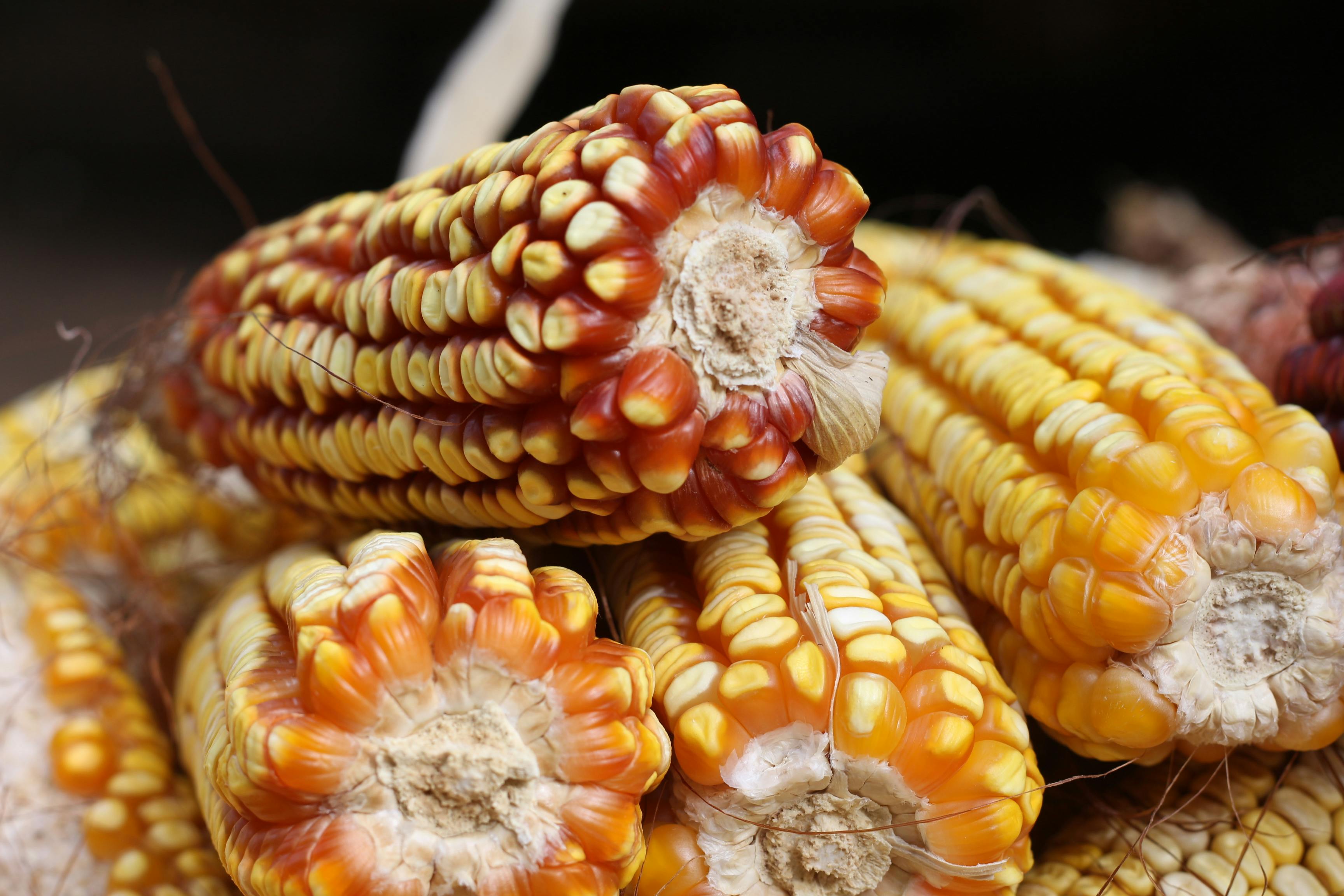
Agriculture is the backbone of Kenya's economy, contributing over 20% to the Gross Domestic Product (GDP). Maize farming alone engages a vast majority of smallholder farmers, making its productivity critical for national well-being. However, years of intensive farming and reliance on synthetic inputs have led to a concerning decline in soil fertility across many regions. Experts like Peter Murage, founder of Mount Kenya Organic Farming (MOOF-Africa), highlight how overuse of synthetic fertilizers and hazardous pesticides has severely degraded soils, leading to reduced yields despite increased input costs.
The imperative for sustainable agriculture in Kenya is undeniable. With a growing population and the increasing volatility of climate change, farmers need resilient, cost-effective methods. Organic farming, while still a niche, is gaining traction. The 2024 Kenya Organic Data Survey Report indicates an increasing trend in organic acreage and income, suggesting a shift in farmer perception and market demand. Integrated Soil Fertility Management (ISFM), which combines mineral fertilizers with organic inputs and conservation practices, has shown to significantly increase maize yields and rebuild soil organic carbon, even under variable rainfall conditions (Kenya Green Harvest).
Key Insights & Strategies

1. Embrace Intercropping with Legumes for Enhanced Soil Health and Pest Control
Intercropping maize with legumes such as pigeonpeas, common beans, or cowpeas is a game-changer for Kenyan farmers. This traditional practice, now backed by modern research, offers a multi-faceted approach to sustainability and profitability.
For farmers looking to understand their soil's specific needs before embarking on intercropping, a reliable soil testing kit is invaluable. Boost your yields with the Pawfly 4 in 1 Soil Test Kit – available on Amazon. This kit helps you accurately measure pH, nitrogen, phosphorus, and potassium, allowing for targeted nutrient management.
2. Implement Integrated Soil Fertility Management (ISFM)
ISFM is about smart resource utilization. It's not just about adding fertilizer; it's about making every input count and building long-term soil health.
Explore more sustainable organic farming solutions with Biofarm Kenya.
Case Studies, Examples, or Comparisons
Across Kenya, farmers are already witnessing the tangible benefits of sustainable practices. Jackline Sakwa, a 63-year-old farmer from Bungoma County, is a prime example. Through a project supporting sustainable farming, she experienced a remarkable increase in her maize harvest, transforming her livelihood (Solidaridad Network). Similarly, Colleta Odera, another Kenyan farmer, attributes boosted yields to intercropping maize with beans.
Research from the CGIAR confirms these successes, showing that a staggered maize-legume intercrop arrangement, known as the MBILI system, significantly increases crop yields and economic returns in the highlands of Central Kenya. This system, involving common beans, cowpea, and groundnut as intercrops, demonstrated positive effects regardless of initial soil fertility levels (CGIAR). These real-world applications underscore the potential for widespread adoption and success.
Common Mistakes to Avoid
Even with the best intentions, farmers can fall into common pitfalls that hinder their maize profitability and soil health. Recognizing and correcting these errors is key to sustainable success.
1. Late Planting: Planting maize late exposes the crop to drought stress during critical growth stages and often leads to lower yields. Always adhere to optimal planting windows recommended for your specific ecological zone.
2. Using Uncertified Seeds: Opting for cheap, uncertified seeds can result in poor germination rates, weak plants, and susceptibility to pests and diseases. Invest in certified, high-quality, and ideally drought-resistant maize varieties suited for your region.
3. Excessive Reliance on Synthetic Fertilizers: While mineral fertilizers have their place in ISFM, over-reliance without incorporating organic matter leads to soil degradation, nutrient imbalances, and increased input costs in the long run. Soils become less resilient and less capable of retaining water and nutrients.
4. Inadequate Pest and Disease Monitoring: Ignoring early signs of pest infestations or disease outbreaks can lead to widespread crop loss. Regular scouting and timely intervention, especially with organic control methods, are crucial. For fall armyworm, early detection is vital for effective management.
5. Poor Spacing in Intercropping: When intercropping, improper spacing can lead to competition for light, water, and nutrients between maize and legumes, negating the benefits. Ensure adequate spacing to allow both crops to thrive.
Expert Tips & Best Practices
To maximize maize profits and ensure long-term sustainability, adopt these expert-backed best practices tailored for Kenyan conditions.
For more in-depth guidance on these practices, explore sustainable organic farming solutions with Biofarm Kenya.
Future Trends & Predictions
The landscape of Kenyan agriculture is continually evolving, with innovation driving the sector towards greater resilience and productivity. Future trends in maize farming will likely be characterized by a blend of traditional ecological wisdom and cutting-edge technology.
1. Smart Agriculture & Digital Tools: Expect increased adoption of digital tools for precision farming, including AI-driven crop monitoring, satellite imagery for field analysis, and weather forecasting apps. Innovations like M-Farm and iCow have already set the precedent for technology adoption in Kenyan agriculture, as part of the country's Vision 2030.
2. Climate-Resilient Crop Varieties: Genetic engineering and advanced breeding techniques will play a crucial role in developing maize varieties that are more tolerant to drought, heat, and new pest strains. This will enhance food security in the face of climate change.
3. Vertical Farming and Controlled Environments: While large-scale maize production remains field-based, localized vertical farms and greenhouses for high-value crops could reduce pressure on arable land and provide fresh produce year-round, contributing to food diversity.
4. Circular Agriculture Economy: There will be a stronger emphasis on closed-loop systems, where waste from one part of the farm becomes an input for another. This includes integrated livestock-crop systems, biogas production from agricultural waste, and extensive composting, reducing environmental impact and maximizing resource use.
5. Market Access and Value Addition: Farmers will increasingly seek opportunities for direct market access and value addition, processing their maize or legumes into higher-value products to capture more of the supply chain profit. This also includes connecting to local and international organic markets.
Conclusion
The path to increased maize profits for Kenyan farmers lies firmly in the embrace of sustainable agricultural practices. By moving beyond conventional monoculture and adopting proven strategies like intercropping maize with legumes, farmers can significantly improve soil health, naturally control pests, and boost yields by as much as 30%. This not only reduces reliance on expensive, environmentally damaging inputs but also builds long-term resilience against climate change and market fluctuations.
The success stories of farmers like Jackline Sakwa and Colleta Odera underscore the immense potential when knowledge meets practical application. As Kenya looks towards a future of enhanced food security and agricultural prosperity, these sustainable methods, combined with emerging innovations, offer a blueprint for success. Discover trusted organic farming tools on Amazon and learn more about sustainable solutions with Biofarm Kenya.
FAQs
1. What are the primary benefits of sustainable maize farming in Kenya?
Sustainable maize farming in Kenya offers multiple benefits, including increased yields and profitability, improved soil health through organic matter and nitrogen fixation, reduced reliance on expensive chemical inputs, better pest and disease management (e.g., fall armyworm control), enhanced biodiversity, and greater resilience to climate change. It ensures long-term productivity and environmental health. For more, refer to Kenya Green Harvest.
2. How does intercropping maize with legumes improve soil health and yields?
Intercropping maize with legumes (such as beans or pigeonpeas) significantly improves soil health by fixing atmospheric nitrogen, thereby enriching the soil naturally and reducing the need for synthetic nitrogen fertilizers. This practice also adds organic matter, improves soil structure, enhances water retention, and can suppress weeds. The symbiotic relationship leads to healthier maize plants and increased overall yields, as demonstrated by the MBILI system in Central Kenya. Learn more from CGIAR research.
3. What are effective organic methods for controlling Fall Armyworm in maize?
Effective organic methods for controlling fall armyworm in maize include intercropping with deterrent crops (like certain legumes), encouraging natural enemies such as parasitic wasps and predatory beetles, and applying organic biopesticides. Neem-based products, for instance, have shown efficacy in disrupting the armyworm's life cycle. Early detection and consistent monitoring are crucial for successful organic management. The FAO is actively involved in sustainable Fall Armyworm control trials.
4. How can Kenyan farmers restore degraded soil in maize fields?
Restoring degraded soil in Kenyan maize fields requires a shift towards regenerative agricultural practices. Key strategies include incorporating organic matter through composting and farmyard manure, planting cover crops and practicing crop rotation, implementing conservation tillage to minimize soil disturbance, and using bio-fertilizers. Avoiding the overuse of synthetic chemicals is also vital. The Mount Kenya Organic Farming (MOOF-Africa) provides valuable insights into soil restoration.
5. What are the common mistakes to avoid in maize cultivation in Kenya?
Common mistakes to avoid in Kenyan maize cultivation include late planting, which exposes crops to drought and lowers yields; using uncertified or poor-quality seeds; over-relying solely on synthetic fertilizers without organic matter; neglecting pest and disease monitoring; and improper spacing when intercropping, which can lead to competition among plants. Adhering to recommended practices and investing in quality inputs are critical. Further information on avoiding common mistakes can be found at Greenlife Kenya.
6. What are the future trends in agricultural innovation for Kenyan maize farmers?
Future trends in agricultural innovation for Kenyan maize farmers include the adoption of smart agriculture technologies like AI-driven crop monitoring and precision irrigation systems. There's also a strong focus on developing climate-resilient maize varieties through advanced genetic engineering, promoting circular agriculture models that minimize waste, and enhancing market access for value-added products. These innovations aim to make farming more efficient, productive, and sustainable. For insights into agricultural innovation, visit IDIA Innovation.
External Authoritative Links:
Internal Biofarm Kenya Links:


0 Comments