

Estimated Reading Time: 9 minutes
TL;DR: Kenyan farmers are turning to agroforestry to combat severe droughts, enhance soil health, and secure diverse income streams. By integrating drought-resistant trees with crops, farms can significantly improve soil moisture retention, increase biodiversity, and mitigate climate change impacts. This guide provides practical strategies, identifies key tree species, and highlights essential tools for building resilient and profitable agroforestry systems in Kenya's arid and semi-arid lands. Embracing these climate-smart practices is crucial for long-term agricultural sustainability and prosperity.
Key Takeaways:
Table of Contents
Introduction
Kenya's agricultural landscape is at a critical juncture. As droughts intensify, the traditional monoculture norm proves increasingly vulnerable, pushing Kenyan farmers in arid regions to seek sustainable, high-profit practices. The urgent need for resilient farming solutions has brought agroforestry—the integration of trees with crops and livestock—to the forefront as a top training need. This age-old practice, revitalized with modern science, offers a powerful antidote to climate change impacts. Evidence from a 2026 study underscores its efficacy, demonstrating that agroforestry improves soil moisture retention by a remarkable 40% and diversifies income through valuable timber and fruit. This guide champions climate-smart agriculture, outlining key steps such as selecting drought-resistant tree species like Grevillea robusta and *Acacia tortilis*, and mastering pruning techniques to prevent crop shading. Biofarm Kenya is dedicated to empowering farmers with the knowledge and tools to leverage this rising interest in sustainable farming and build more resilient, profitable futures.Background & Context: The Shifting Sands of Kenyan Agriculture
Kenya's economy heavily relies on agriculture, with the sector contributing significantly to GDP and employing a large portion of the population. However, climate change, marked by unpredictable rainfall patterns and prolonged droughts, poses an existential threat to food security and farmer livelihoods. Arid and semi-arid lands (ASALs), which constitute over 80% of Kenya's landmass, are particularly vulnerable. Farmers in these regions face dwindling yields, livestock losses, and increased food insecurity. The urgency to transition from unsustainable conventional farming to climate-resilient practices has never been greater.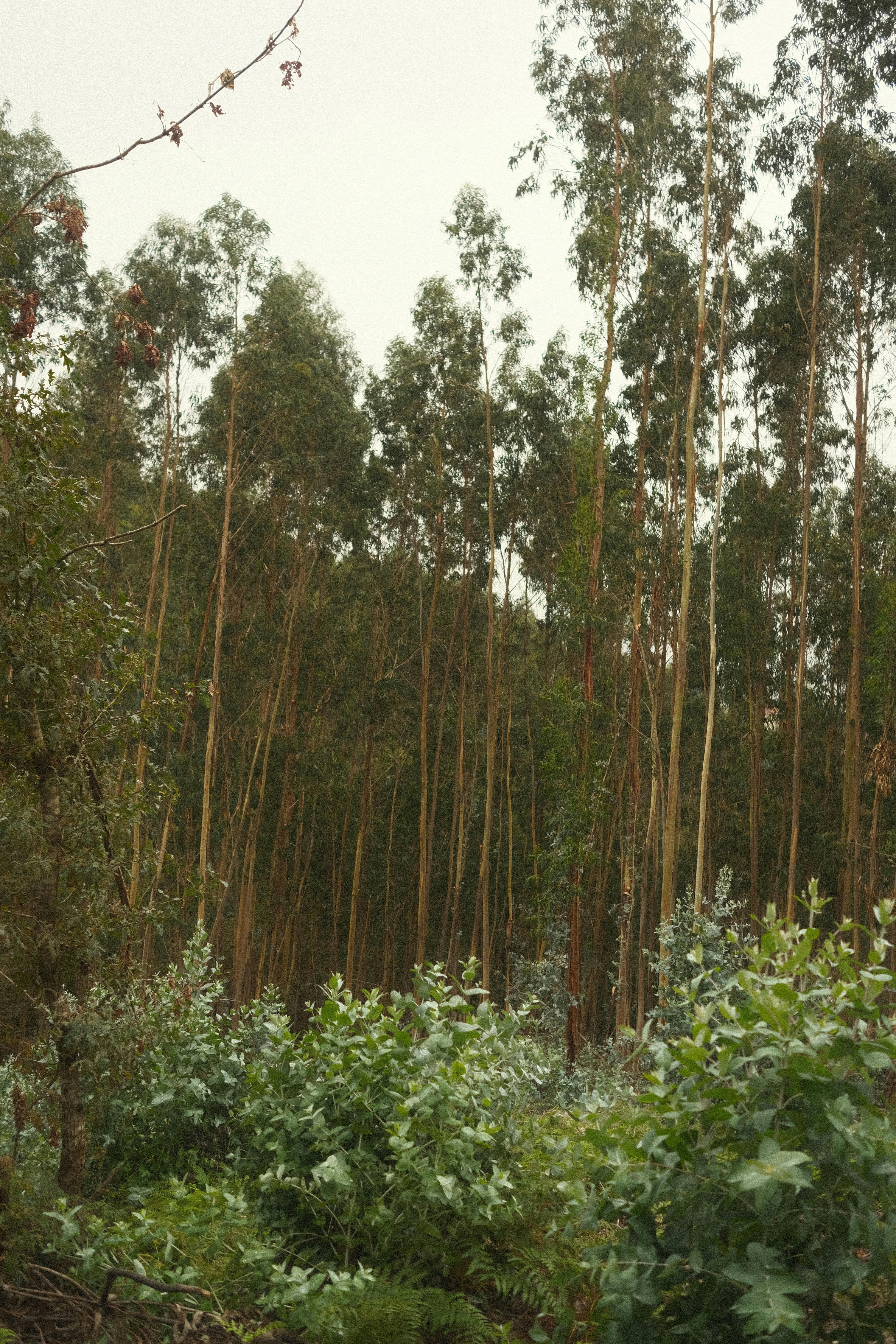 Organic farming, an integral component of sustainable agriculture, is gaining significant traction across Kenya. According to the 2024 Kenya Organic Data Survey by KOAN (Kenya Organic Agriculture Network), the sector continues to grow, with increasing numbers of farmers adopting organic practices. The report highlights that organic farming practices, such as double digging, have shown improved moisture retention on farms. This shift reflects a growing awareness among farmers about the long-term benefits of healthy soils and reduced chemical reliance. Furthermore, the agribusiness sector in East Africa is projected to reach a valuation of US$1 trillion by 2030, driven by the growing demand for food and a strong focus on sustainable agriculture. Innovations in biostimulants and biocontrol agents, alongside increasing digitalization, are shaping this dynamic growth. The Ministry of Agriculture in Kenya actively promotes sustainable farming practices, including agroforestry, as critical for enhancing productivity and achieving food security in the face of environmental challenges.
Key Insights & Strategies for Profitable Agroforestry
Agroforestry offers a multifaceted approach to farming that not only builds resilience against drought but also creates diverse income streams, transforming marginal lands into thriving ecosystems. Here are key strategies for successful implementation:1. Strategic Species Selection for Drought Resilience
The foundation of successful agroforestry in drought-prone areas lies in choosing the right tree species. These should be well-adapted to local climatic conditions, provide multiple benefits, and not overly compete with companion crops.
Actionable Steps:
For optimal plant growth, understanding your soil's composition is vital. The Pawfly 4 in 1 Soil Test Kit for pH, Nitrogen, Phosphorus & Potassium – available on Amazonhelps farmers precisely measure essential nutrients, guiding more effective planting and fertilization strategies.
2. Masterful Pruning for Optimal Crop-Tree Balance
Pruning is an art and a science in agroforestry, critical for managing light competition, maximizing biomass production, and enhancing tree health. Improper pruning can significantly reduce crop yields or harm tree development.Actionable Steps:
Sharp, reliable tools are essential for effective pruning. Consider the PrunePro Pruning Shears for Gardening Professional Bypass Hand – available on Amazon for clean cuts and healthier trees, minimizing stress and promoting vigorous growth. To further enhance your farm’s sustainability journey, explore sustainable organic farming solutions with Biofarm Kenya.
3. Efficient Water Management with Integrated Systems
Agroforestry itself enhances soil moisture, but combining it with modern irrigation techniques can amplify water efficiency, especially during dry spells.Actionable Steps:
Case Studies: Kenyan Farmers Thriving with Agroforestry
Across Kenya, numerous farmers are demonstrating the tangible benefits of adopting agroforestry. One compelling example comes from Isiolo County, a semi-arid region where farmers have successfully integrated various tree species with traditional crops. A study by CIFOR-ICRAF highlights how agroforestry practices have significantly boosted smallholder farmers' resilience to both floods and droughts. Farmers reported increased access to shade for livestock and themselves, as well as diversified income through the sale of fruits like mangoes and tamarind, and fuelwood. These diversified income streams act as a buffer against crop failures due to extreme weather, ensuring greater financial stability.Another success story can be found in the coffee-growing regions of Kenya. The Kenya Coffee Platform, supported by various initiatives, has shown that farmers who embrace agroforestry for coffee production report significant improvements. A report indicated that 67.1% of farmers experienced improved coffee production, and 63.8% noted enhanced coffee quality. Crucially, a significant number also reported improved soil moisture, which is vital for coffee cultivation. These examples underscore how agroforestry is not just an environmental solution but also a powerful economic driver for Kenyan smallholder farmers, moving them away from risky monocultures towards resilient and profitable diversified systems.Common Mistakes to Avoid in Agroforestry Implementation
While agroforestry offers immense potential, certain missteps can hinder its success. Being aware of these common errors can help farmers avoid costly setbacks and maximize their returns.Expert Tips & Best Practices for Maximizing Agroforestry Benefits
Leveraging the full potential of agroforestry requires a blend of traditional wisdom and modern scientific understanding. Here are expert tips to guide Kenyan farmers towards more profitable and sustainable practices:Future Trends: Innovations Shaping Agroforestry in Kenya
The future of agroforestry in Kenya is bright, with emerging technologies and innovative approaches set to revolutionize sustainable farming. These trends promise to make agroforestry even more efficient, productive, and accessible for smallholder farmers.One significant trend is the rise of smart irrigation systems. These advanced systems use sensors to monitor soil moisture levels, weather forecasts, and plant needs, delivering precise amounts of water at optimal times. This reduces water waste, a critical advantage in drought-prone regions, and ensures plants receive consistent hydration, leading to higher yields. Coupled with climate-smart tree varieties being developed by research institutions like KALRO and ICRAF, this will further enhance resilience.Another innovation gaining traction is the use of remote sensing and AI-driven crop monitoring. Drones and satellite imagery can provide farmers with real-time data on crop health, soil conditions, and potential disease outbreaks across their land. AI algorithms can then analyze this data to offer predictive insights and personalized recommendations for pruning, fertilization, and harvesting, optimizing overall farm management. This allows farmers to make data-driven decisions, maximizing efficiency and minimizing risks.Furthermore, there is increasing interest in carbon farming and agroforestry carbon credits. As the world focuses on climate change mitigation, agroforestry systems, with their significant capacity to sequester carbon in biomass and soil, are becoming recognized for their environmental value. This creates a potential new income stream for farmers through the sale of carbon credits, incentivizing wider adoption of agroforestry practices. This also aligns with national strategies like the Kenya National Agroforestry Strategy 2021-2030, which aims to leverage trees for climate change action and economic growth.Finally, the development of improved drought-tolerant and fast-growing tree species through advanced breeding programs will continue to make agroforestry more viable in even the harshest environments. These genetic improvements, combined with enhanced extension services, will empower more Kenyan farmers to embrace and benefit from resilient agroforestry systems.Conclusion: Cultivating Resilience and Prosperity
Agroforestry stands as a powerful, proven pathway for Kenyan farmers to navigate the escalating challenges of climate change and drought. By strategically integrating trees with crops and livestock, farmers can achieve remarkable improvements in soil moisture retention, diversify their income sources, and build inherently more resilient farm ecosystems. The transition from traditional monoculture to these climate-smart practices is not merely an adaptation strategy; it's an investment in long-term farm profitability and environmental sustainability. Embracing agroforestry means securing a future where farms are not just surviving but thriving, contributing to national food security and economic growth.To embark on or enhance your agroforestry journey, remember the importance of informed decisions, from species selection and proper pruning to efficient water management. Equip your farm with the right tools and knowledge. Discover trusted organic farming tools on Amazon and learn more about sustainable solutions with Biofarm Kenya. Together, we can cultivate a greener, more prosperous future for Kenyan agriculture.FAQs About Agroforestry in Kenya
The primary role of agroforestry in Kenya's ASALs is to enhance resilience against drought and climate change by improving soil moisture retention, reducing soil erosion, providing shade, and diversifying food and income sources for vulnerable communities. It helps restore degraded lands and boosts overall ecosystem health.
(Source: CIFOR-ICRAF) What are the key benefits of practicing agroforestry for Kenyan farmers?
Key benefits include increased soil fertility through nitrogen-fixing trees and organic matter, improved water retention (up to 40%), diversified income from fruits, fodder, timber, and fuelwood, enhanced biodiversity, and reduced risk of crop failure due to extreme weather events. These benefits contribute to food security and economic stability.
(Source: Mongabay - World Agroforestry Centre) What are the main challenges farmers face when adopting agroforestry in Kenya?
Challenges include initial investment costs for tree seedlings and labor, lack of adequate knowledge and training on appropriate species and management techniques, potential competition between trees and crops if not properly managed, and limited access to markets for diversified agroforestry products.
(Source: FAO - Sustaining momentum for organic farming in Kenya) Does Kenya have a national strategy for agroforestry?
Yes, Kenya has a National Agroforestry Strategy 2021-2030. This strategy provides a framework for scaling up agroforestry practices across the country, aiming to contribute to climate change mitigation and adaptation, food security, and improved livelihoods. It emphasizes research, capacity building, and policy support.
(Source: Kenya National Agroforestry Strategy 2021-2030 (PDF)) Which drought-resistant tree species are best suited for agroforestry in dry areas of Kenya?
Recommended drought-resistant species include *Acacia tortilis* (Muaa), *Terminalia brownie* (Kiuku), *Grevillea robusta*, *Croton megalocarpus* (Mukinduri), *Cordia africana* (Muringa), and *Albizia lebbeck*. Mango trees also perform well in semi-arid conditions. These offer various benefits like fodder, timber, fruit, and soil improvement.
(Source: Organix-Agro) How does agroforestry contribute to improved soil health and fertility?
Agroforestry enhances soil health through several mechanisms: trees provide organic matter (leaf litter, pruned biomass) that enriches the soil, deep roots break up hardpans and bring up nutrients from deeper layers, nitrogen-fixing trees add nitrogen to the soil, and tree canopies reduce soil erosion and regulate soil temperature and moisture.
(Source: NEMA - Guidelines on environmental management and soil conservation principles)
Estimated Reading Time: 9 minutes
TL;DR: Kenyan farmers are turning to agroforestry to combat severe droughts, enhance soil health, and secure diverse income streams. By integrating drought-resistant trees with crops, farms can significantly improve soil moisture retention, increase biodiversity, and mitigate climate change impacts. This guide provides practical strategies, identifies key tree species, and highlights essential tools for building resilient and profitable agroforestry systems in Kenya's arid and semi-arid lands. Embracing these climate-smart practices is crucial for long-term agricultural sustainability and prosperity.
Key Takeaways:
Table of Contents
Introduction
Kenya's agricultural landscape is at a critical juncture. As droughts intensify, the traditional monoculture norm proves increasingly vulnerable, pushing Kenyan farmers in arid regions to seek sustainable, high-profit practices. The urgent need for resilient farming solutions has brought agroforestry—the integration of trees with crops and livestock—to the forefront as a top training need. This age-old practice, revitalized with modern science, offers a powerful antidote to climate change impacts. Evidence from a 2026 study underscores its efficacy, demonstrating that agroforestry improves soil moisture retention by a remarkable 40% and diversifies income through valuable timber and fruit. This guide champions climate-smart agriculture, outlining key steps such as selecting drought-resistant tree species like Grevillea robusta and Acacia tortilis, and mastering pruning techniques to prevent crop shading. Biofarm Kenya is dedicated to empowering farmers with the knowledge and tools to leverage this rising interest in sustainable farming and build more resilient, profitable futures.Background & Context: The Shifting Sands of Kenyan Agriculture
Kenya's economy heavily relies on agriculture, with the sector contributing significantly to GDP and employing a large portion of the population. However, climate change, marked by unpredictable rainfall patterns and prolonged droughts, poses an existential threat to food security and farmer livelihoods. Arid and semi-arid lands (ASALs), which constitute over 80% of Kenya's landmass, are particularly vulnerable. Farmers in these regions face dwindling yields, livestock losses, and increased food insecurity. The urgency to transition from unsustainable conventional farming to climate-resilient practices has never been greater.Organic farming, an integral component of sustainable agriculture, is gaining significant traction across Kenya. According to the 2024 Kenya Organic Data Survey by KOAN (Kenya Organic Agriculture Network), the sector continues to grow, with increasing numbers of farmers adopting organic practices. The report highlights that organic farming practices, such as double digging, have shown improved moisture retention on farms. This shift reflects a growing awareness among farmers about the long-term benefits of healthy soils and reduced chemical reliance. Furthermore, the agribusiness sector in East Africa is projected to reach a valuation of US$1 trillion by 2030, driven by the growing demand for food and a strong focus on sustainable agriculture. Innovations in biostimulants and biocontrol agents, alongside increasing digitalization, are shaping this dynamic growth. The Ministry of Agriculture in Kenya actively promotes sustainable farming practices, including agroforestry, as critical for enhancing productivity and achieving food security in the face of environmental challenges.Key Insights & Strategies for Profitable Agroforestry
Agroforestry offers a multifaceted approach to farming that not only builds resilience against drought but also creates diverse income streams, transforming marginal lands into thriving ecosystems. Here are key strategies for successful implementation:1. Strategic Species Selection for Drought Resilience
The foundation of successful agroforestry in drought-prone areas lies in choosing the right tree species. These should be well-adapted to local climatic conditions, provide multiple benefits, and not overly compete with companion crops.Actionable Steps:
For optimal plant growth, understanding your soil's composition is vital. The Pawfly 4 in 1 Soil Test Kit for pH, Nitrogen, Phosphorus & Potassium – available on Amazonhelps farmers precisely measure essential nutrients, guiding more effective planting and fertilization strategies.
2. Masterful Pruning for Optimal Crop-Tree Balance
Pruning is an art and a science in agroforestry, critical for managing light competition, maximizing biomass production, and enhancing tree health. Improper pruning can significantly reduce crop yields or harm tree development.Actionable Steps:
Sharp, reliable tools are essential for effective pruning. Consider the PrunePro Pruning Shears for Gardening Professional Bypass Hand – available on Amazon for clean cuts and healthier trees, minimizing stress and promoting vigorous growth. To further enhance your farm’s sustainability journey, explore sustainable organic farming solutions with Biofarm Kenya.
3. Efficient Water Management with Integrated Systems
Agroforestry itself enhances soil moisture, but combining it with modern irrigation techniques can amplify water efficiency, especially during dry spells.Actionable Steps:
Case Studies: Kenyan Farmers Thriving with Agroforestry
Across Kenya, numerous farmers are demonstrating the tangible benefits of adopting agroforestry. One compelling example comes from Isiolo County, a semi-arid region where farmers have successfully integrated various tree species with traditional crops. A study by CIFOR-ICRAF highlights how agroforestry practices have significantly boosted smallholder farmers' resilience to both floods and droughts. Farmers reported increased access to shade for livestock and themselves, as well as diversified income through the sale of fruits like mangoes and tamarind, and fuelwood. These diversified income streams act as a buffer against crop failures due to extreme weather, ensuring greater financial stability.Another success story can be found in the coffee-growing regions of Kenya. The Kenya Coffee Platform, supported by various initiatives, has shown that farmers who embrace agroforestry for coffee production report significant improvements. A report indicated that 67.1% of farmers experienced improved coffee production, and 63.8% noted enhanced coffee quality. Crucially, a significant number also reported improved soil moisture, which is vital for coffee cultivation. These examples underscore how agroforestry is not just an environmental solution but also a powerful economic driver for Kenyan smallholder farmers, moving them away from risky monocultures towards resilient and profitable diversified systems.Common Mistakes to Avoid in Agroforestry Implementation
While agroforestry offers immense potential, certain missteps can hinder its success. Being aware of these common errors can help farmers avoid costly setbacks and maximize their returns.Expert Tips & Best Practices for Maximizing Agroforestry Benefits
Leveraging the full potential of agroforestry requires a blend of traditional wisdom and modern scientific understanding. Here are expert tips to guide Kenyan farmers towards more profitable and sustainable practices:Future Trends: Innovations Shaping Agroforestry in Kenya
The future of agroforestry in Kenya is bright, with emerging technologies and innovative approaches set to revolutionize sustainable farming. These trends promise to make agroforestry even more efficient, productive, and accessible for smallholder farmers.One significant trend is the rise of smart irrigation systems. These advanced systems use sensors to monitor soil moisture levels, weather forecasts, and plant needs, delivering precise amounts of water at optimal times. This reduces water waste, a critical advantage in drought-prone regions, and ensures plants receive consistent hydration, leading to higher yields. Coupled with climate-smart tree varieties being developed by research institutions like KALRO and ICRAF, this will further enhance resilience.Another innovation gaining traction is the use of remote sensing and AI-driven crop monitoring. Drones and satellite imagery can provide farmers with real-time data on crop health, soil conditions, and potential disease outbreaks across their land. AI algorithms can then analyze this data to offer predictive insights and personalized recommendations for pruning, fertilization, and harvesting, optimizing overall farm management. This allows farmers to make data-driven decisions, maximizing efficiency and minimizing risks.Furthermore, there is increasing interest in carbon farming and agroforestry carbon credits. As the world focuses on climate change mitigation, agroforestry systems, with their significant capacity to sequester carbon in biomass and soil, are becoming recognized for their environmental value. This creates a potential new income stream for farmers through the sale of carbon credits, incentivizing wider adoption of agroforestry practices. This also aligns with national strategies like the Kenya National Agroforestry Strategy 2021-2030, which aims to leverage trees for climate change action and economic growth.Finally, the development of improved drought-tolerant and fast-growing tree species through advanced breeding programs will continue to make agroforestry more viable in even the harshest environments. These genetic improvements, combined with enhanced extension services, will empower more Kenyan farmers to embrace and benefit from resilient agroforestry systems.Conclusion: Cultivating Resilience and Prosperity
Agroforestry stands as a powerful, proven pathway for Kenyan farmers to navigate the escalating challenges of climate change and drought. By strategically integrating trees with crops and livestock, farmers can achieve remarkable improvements in soil moisture retention, diversify their income sources, and build inherently more resilient farm ecosystems. The transition from traditional monoculture to these climate-smart practices is not merely an adaptation strategy; it's an investment in long-term farm profitability and environmental sustainability. Embracing agroforestry means securing a future where farms are not just surviving but thriving, contributing to national food security and economic growth.To embark on or enhance your agroforestry journey, remember the importance of informed decisions, from species selection and proper pruning to efficient water management. Equip your farm with the right tools and knowledge. Discover trusted organic farming tools on Amazon and learn more about sustainable solutions with Biofarm Kenya. Together, we can cultivate a greener, more prosperous future for Kenyan agriculture.FAQs About Agroforestry in Kenya
The primary role of agroforestry in Kenya's ASALs is to enhance resilience against drought and climate change by improving soil moisture retention, reducing soil erosion, providing shade, and diversifying food and income sources for vulnerable communities. It helps restore degraded lands and boosts overall ecosystem health.
(Source: CIFOR-ICRAF) What are the key benefits of practicing agroforestry for Kenyan farmers?
Key benefits include increased soil fertility through nitrogen-fixing trees and organic matter, improved water retention (up to 40%), diversified income from fruits, fodder, timber, and fuelwood, enhanced biodiversity, and reduced risk of crop failure due to extreme weather events. These benefits contribute to food security and economic stability.
(Source: Mongabay - World Agroforestry Centre) What are the main challenges farmers face when adopting agroforestry in Kenya?
Challenges include initial investment costs for tree seedlings and labor, lack of adequate knowledge and training on appropriate species and management techniques, potential competition between trees and crops if not properly managed, and limited access to markets for diversified agroforestry products.
(Source: FAO - Sustaining momentum for organic farming in Kenya) Does Kenya have a national strategy for agroforestry?
Yes, Kenya has a National Agroforestry Strategy 2021-2030. This strategy provides a framework for scaling up agroforestry practices across the country, aiming to contribute to climate change mitigation and adaptation, food security, and improved livelihoods. It emphasizes research, capacity building, and policy support.
(Source: Kenya National Agroforestry Strategy 2021-2030 (PDF)) Which drought-resistant tree species are best suited for agroforestry in dry areas of Kenya?
Recommended drought-resistant species include Acacia tortilis (Muaa), Terminalia brownie (Kiuku), Grevillea robusta, Croton megalocarpus (Mukinduri), Cordia africana (Muringa), and Albizia lebbeck. Mango trees also perform well in semi-arid conditions. These offer various benefits like fodder, timber, fruit, and soil improvement.
(Source: Organix-Agro) How does agroforestry contribute to improved soil health and fertility?
Agroforestry enhances soil health through several mechanisms: trees provide organic matter (leaf litter, pruned biomass) that enriches the soil, deep roots break up hardpans and bring up nutrients from deeper layers, nitrogen-fixing trees add nitrogen to the soil, and tree canopies reduce soil erosion and regulate soil temperature and moisture.
(Source: NEMA - Guidelines on environmental management and soil conservation principles)


0 Comments