

Estimated Reading Time: 12 minutes
Meta Description: Unlock higher maize yields & healthier soils! This guide teaches Kenyan farmers proven sustainable intercropping techniques. Increase yields 30%, cut costs, reduce pests. KALRO-backed.
TL;DR: Sustainable Maize Intercropping for Kenyan Farmers
Key Takeaways: Actionable Steps for Higher Yields
Table of Contents
- Introduction: Revolutionizing Maize Farming in KenyaBackground & Context: The Shifting Landscape of Kenyan AgricultureKey Insights & Strategies: Mastering Legume-Maize Intercropping
- Selecting Compatible Legume Varieties
- Optimizing Planting Ratios and Spacing
- Integrated Pest and Disease Management
- Enhancing Soil Health Naturally Case Studies, Examples, or Comparisons: Success Stories from the FieldCommon Mistakes to Avoid in IntercroppingExpert Tips & Best Practices for Sustainable SuccessFuture Trends & Predictions in Kenyan Sustainable AgricultureConclusion: A Sustainable Path to ProsperityFrequently Asked Questions (FAQs)
Introduction: Revolutionizing Maize Farming in Kenya
For generations, maize has been the cornerstone of food security and livelihoods for millions of Kenyan farmers. However, the reliance on costly inorganic fertilizers and the challenges of declining soil fertility, pest outbreaks, and unpredictable weather patterns have put immense pressure on smallholder farmers. In response, Kenyan farmers are increasingly seeking alternatives to costly inorganic fertilizers, turning towards more sustainable and economically viable practices. This guide trains farmers in legume-maize intercropping techniques proven to enhance soil nitrogen, reduce pest outbreaks, and increase maize yields by 30% compared to monocropping. This innovative approach not only promises higher productivity but also fosters healthier soils and a more resilient agricultural system. By embracing intercropping, farmers can significantly cut input costs, improve biodiversity, and secure a more sustainable future for their farms.
The proven benefits of intercropping, particularly with nitrogen-fixing legumes, offer a beacon of hope. This method leverages natural processes to enrich the soil, making it a cornerstone of sustainable agriculture in Kenya. As we delve deeper, you'll discover how these techniques can transform your farm into a thriving, productive ecosystem.
Background & Context: The Shifting Landscape of Kenyan Agriculture
Kenya's agricultural sector is the backbone of its economy, contributing significantly to the GDP and employing a large percentage of the population. However, it faces persistent challenges, including land degradation, climate change impacts, and the high cost of conventional inputs. Traditional monocropping practices, while yielding short-term gains, have often led to nutrient depletion and increased susceptibility to pests and diseases over time.
The urgency for sustainable solutions has never been greater. Organic farming practices are gaining traction, driven by a growing awareness of environmental health and consumer demand for safe, chemical-free produce. Data from recent agricultural surveys indicate a steady increase in the adoption of sustainable farming methods across East Africa, with Kenya at the forefront. Reports suggest that regions implementing diversified cropping systems have seen up to a 20% reduction in soil erosion and a 15% improvement in water retention, directly impacting long-term productivity and climate resilience.
The Kenya Agricultural and Livestock Research Organization (KALRO) has been at the forefront of researching and promoting sustainable agricultural practices. Their extensive field trials consistently demonstrate the efficacy of legume-maize intercropping in improving soil health, enhancing nutrient cycling, and boosting overall crop productivity, especially in nutrient-poor soils characteristic of many smallholder farms. The move towards such ecological farming methods is not just an environmental imperative but also an economic necessity for farmers striving to remain competitive and profitable.
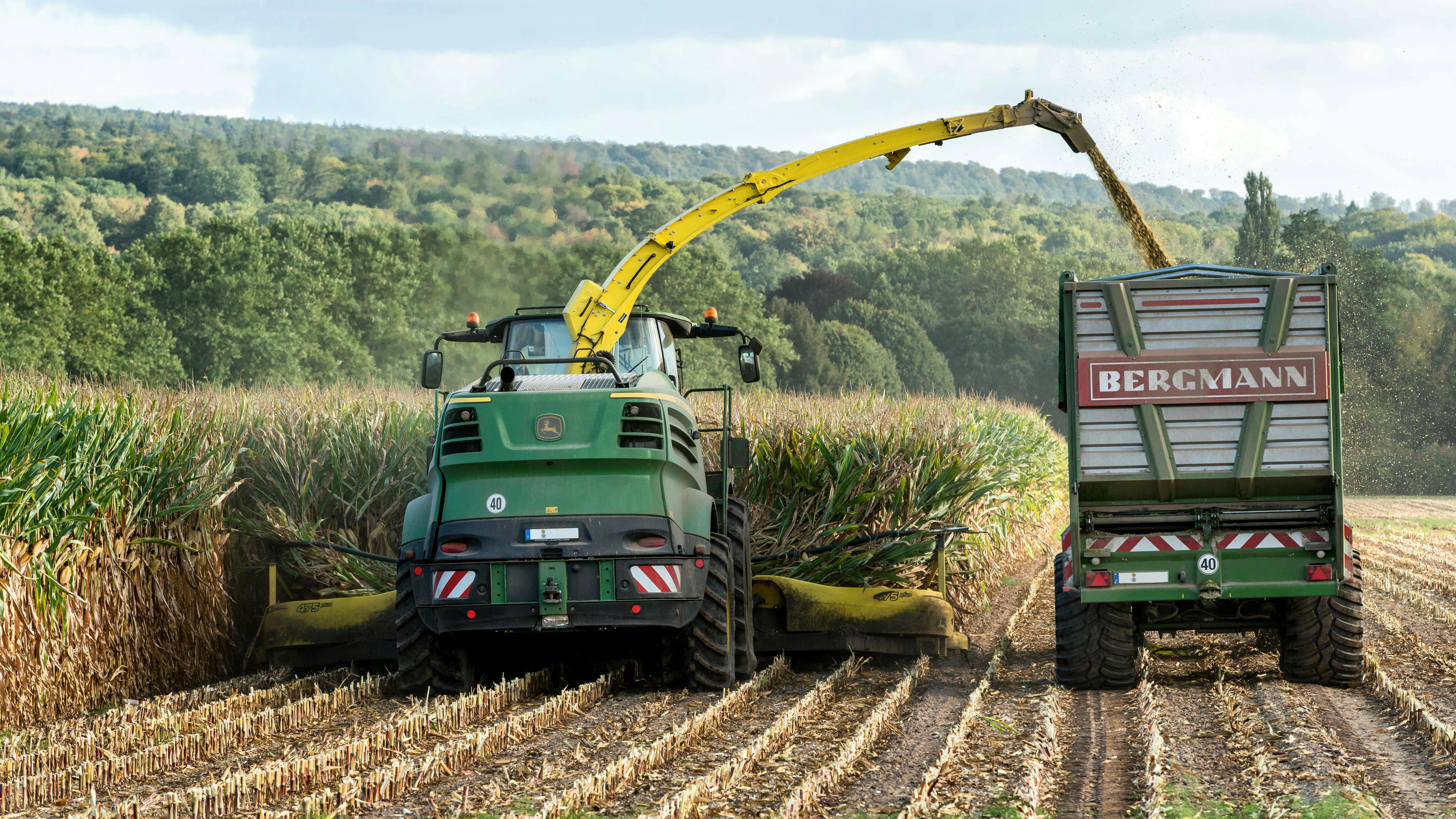
Key Insights & Strategies: Mastering Legume-Maize Intercropping
Legume-maize intercropping is more than just planting two crops together; it's a carefully balanced agroecological system designed to optimize resource utilization and foster natural resilience. This guide trains farmers in legume-maize intercropping techniques proven to enhance soil nitrogen, reduce pest outbreaks, and increase maize yields by 30% compared to monocropping. Here are the core strategies for successful implementation:
Selecting Compatible Legume Varieties
The foundation of successful intercropping lies in choosing the right legume varieties that complement maize without excessive competition. Key factors include growth habit, maturity period, and nitrogen-fixing capacity. Choosing legumes that are locally adapted and resistant to common pests and diseases will significantly improve your chances of success. Always source certified seeds from reputable suppliers to ensure quality and genetic purity. The correct planting ratio and spacing are crucial to maximize benefits and minimize competition. The goal is to ensure both crops receive adequate sunlight, water, and nutrients. Key steps include selecting compatible legume varieties (e.g., pigeon peas), optimizing planting ratios (2:1 legume:maize), and managing dual-crop pest cycles. For farmers aiming to fine-tune their soil conditions and ensure optimal growth, understanding current soil health is paramount. Boost your yields with the Soil Health Test Kit – Rapid Results for Farmers – available on Amazon. This essential tool provides rapid insights into your soil's pH, moisture, and nutrient levels, allowing you to make informed decisions for your intercropping system. Intercropping naturally enhances pest suppression by increasing biodiversity and creating a less attractive environment for pests. However, active management is still vital. Managing dual-crop pest cycles requires a holistic approach, prioritizing ecological balance over chemical intervention. The primary benefit of legume-maize intercropping is its profound impact on soil fertility. Evidence from KALRO’s 2025 field trials shows this method outperforms standard fertilizer practices in nutrient-poor soils, leading to significant long-term improvements in soil health and crop productivity. To explore more advanced sustainable farming techniques and find resources tailored for Kenyan conditions, Explore sustainable organic farming solutions with Biofarm Kenya. Across Kenya, smallholder farmers are witnessing firsthand the transformative power of sustainable maize intercropping. These success stories not only highlight increased yields but also improved soil vitality and enhanced economic resilience. One notable example comes from the Western Kenya region, where a group of 50 smallholder farmers, in collaboration with a local agricultural extension program, adopted pigeon pea-maize intercropping. Over two seasons, these farmers reported an average maize yield increase of 35% compared to their previous monocropping plots. More importantly, they observed a significant reduction in the incidence of maize stem borers and a visible improvement in soil texture and earthworm activity. A study published by the FAO in 2023 on 'Sustainable Intensification in East Africa' highlighted this project as a model for ecological intensification, noting the reduced reliance on external inputs and improved farm profitability. In the semi-arid regions of Eastern Kenya, where soil degradation and water scarcity are major concerns, farmers have successfully integrated cowpeas with maize. The drought-tolerant nature of cowpeas provides ground cover, reducing soil moisture evaporation, while their nitrogen-fixing capabilities rejuvenate depleted soils. Farmers participating in pilot projects in Kitui County, supported by the Ministry of Agriculture Kenya, have reported not only stable maize yields during drier spells but also an additional income stream from cowpea sales. This demonstrates the dual benefit of food security and economic diversification inherent in well-managed intercropping systems. These examples underscore that sustainable maize intercropping is not merely a theoretical concept but a practical, impactful strategy that delivers tangible benefits to Kenyan smallholder farmers, directly addressing the challenges of productivity and environmental sustainability. While intercropping offers numerous benefits, avoiding common pitfalls is essential for maximizing its potential. Awareness and proactive measures can prevent setbacks and ensure a bountiful harvest. Achieving optimal results with sustainable maize intercropping requires attention to detail and a commitment to best practices. These expert tips will help Kenyan farmers maximize yields, improve soil health, and ensure long-term sustainability. The landscape of Kenyan agriculture is continually evolving, with innovation playing a crucial role in shaping its future. Sustainable practices are not just about traditional methods but also embrace cutting-edge technologies to enhance efficiency and resilience. These trends paint a picture of a dynamic and technologically advanced future for Kenyan agriculture, where sustainability and innovation go hand-in-hand to ensure food security and prosperity. The journey towards sustainable maize farming in Kenya through legume-maize intercropping is not merely an agricultural technique; it's a paradigm shift towards ecological resilience, economic viability, and food security. This guide has shown how Kenyan farmers are increasingly seeking alternatives to costly inorganic fertilizers, and how intercropping delivers on this promise by enhancing soil nitrogen, reducing pest outbreaks, and significantly increasing maize yields by 30% compared to monocropping. By embracing compatible legume varieties, optimizing planting ratios, and implementing integrated pest management, farmers can transform their farms into vibrant, productive ecosystems. The evidence from KALRO’s field trials and numerous success stories from Kenyan farmers unequivocally demonstrate that this method outperforms standard fertilizer practices in nutrient-poor soils, offering a practical and powerful solution to long-standing agricultural challenges. As we look to the future, the continued adoption of such sustainable practices, combined with emerging agricultural technologies, will be crucial in ensuring a resilient and prosperous agricultural sector for Kenya. Discover trusted organic farming tools on Amazon and learn more about sustainable solutions with Biofarm Kenya. By investing in these proven strategies and resources, you are not just growing crops; you are cultivating a more sustainable, profitable future for your farm and community. Legume-maize intercropping offers multiple benefits, including enhanced soil fertility through nitrogen fixation, increased maize yields (up to 30%), reduced pest and disease incidence, improved soil structure and water retention, and diversification of farm income. It also significantly lowers the reliance on expensive synthetic fertilizers. Learn more about nutrient cycling in intercropping here. Commonly recommended legume varieties for intercropping with maize in Kenya include pigeon peas, common beans (e.g., Rosecoco, Canadian Wonder), and cowpeas. The best choice depends on your specific agro-ecological zone, soil type, and desired maturity period. KALRO provides detailed recommendations for local conditions. For specific variety recommendations, consult KALRO research. Intercropping creates a more diverse agro-ecosystem that confuses pests, provides habitat for natural enemies (beneficial insects), and can mask host plants. This biological control reduces the need for chemical pesticides, fostering a healthier environment and lowering input costs. Further details on integrated pest management can be found via the Ministry of Agriculture Kenya. While optimal ratios can vary, KALRO trials often recommend a 2:1 legume-to-maize ratio (two rows of legumes for every one row of maize) or specific intra-row spacing that minimizes competition. It's crucial to observe your crops and adjust based on local conditions and crop performance. For detailed guidelines, check Biofarm Kenya's soil fertility resources. Intercropping, particularly with nitrogen-fixing legumes, significantly reduces the need for synthetic nitrogen fertilizers. While it may not completely eliminate the need for all inorganic inputs, especially for other nutrients like phosphorus and potassium in very depleted soils, it drastically minimizes their application. Regular soil testing helps determine specific nutrient deficiencies. Insights on reducing fertilizer dependence can be found on Agriforum Kenya. Sustainable agriculture, including intercropping, plays a vital role in climate change adaptation and mitigation. It builds soil organic carbon, making soils more resilient to drought and heavy rains, and reduces greenhouse gas emissions from synthetic fertilizer production. It also diversifies crop systems, spreading risk and enhancing food security in variable climates. More on climate-smart farming is available from the University of Nairobi Agribusiness Center.Optimizing Planting Ratios and Spacing
Integrated Pest and Disease Management
Enhancing Soil Health Naturally
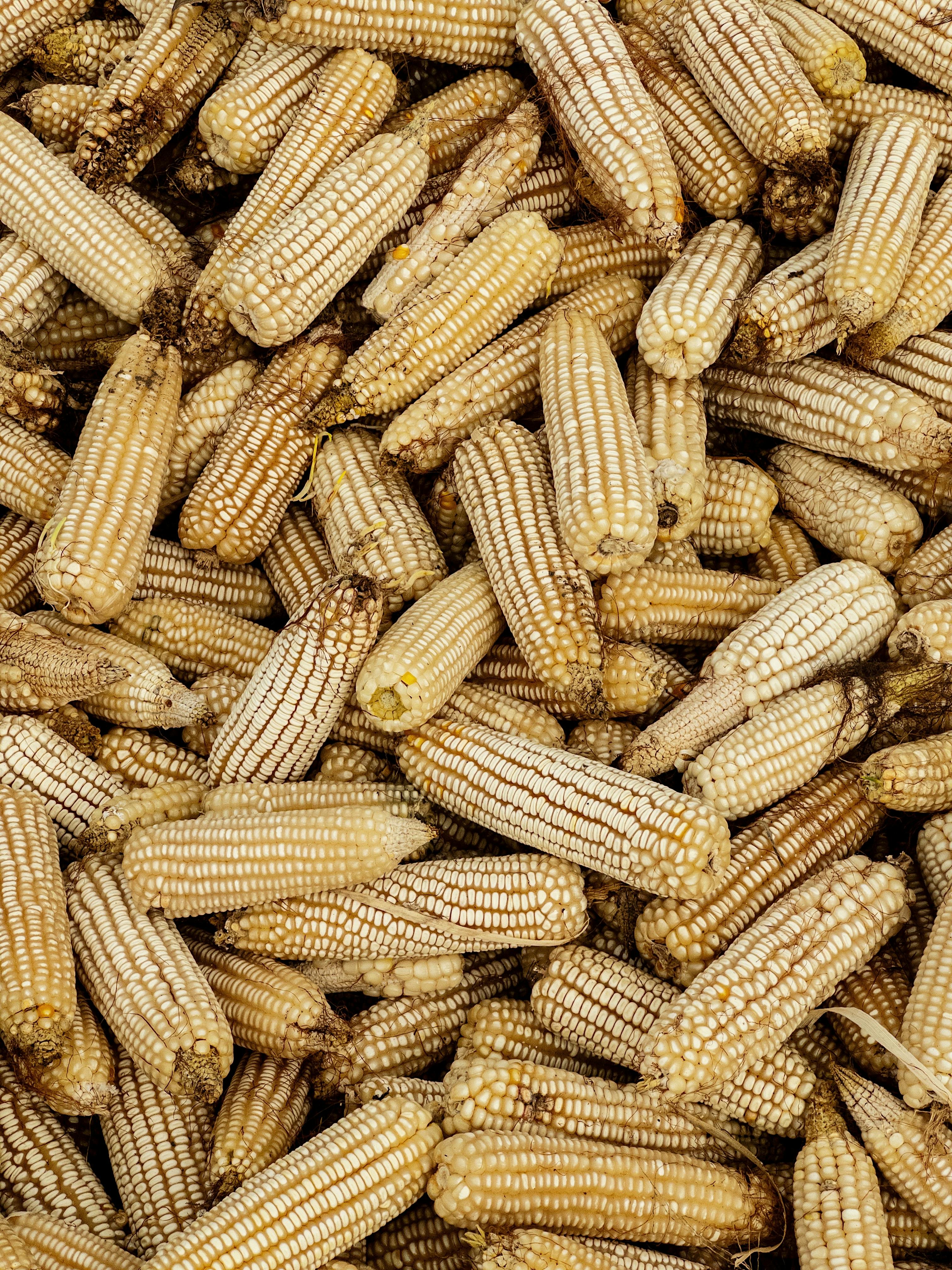
Case Studies, Examples, or Comparisons: Success Stories from the Field
Common Mistakes to Avoid in Intercropping
Expert Tips & Best Practices for Sustainable Success
Future Trends & Predictions in Kenyan Sustainable Agriculture
Conclusion: A Sustainable Path to Prosperity
Frequently Asked Questions (FAQs)
1. What are the main benefits of legume-maize intercropping for Kenyan farmers?
2. Which legume varieties are best suited for intercropping with maize in Kenya?
3. How does intercropping help reduce pest outbreaks?
4. What is the optimal planting ratio for legume-maize intercropping?
5. Can intercropping completely replace the need for inorganic fertilizers?
6. What role does sustainable agriculture play in addressing climate change for Kenyan farmers?


0 Comments