Implement a step-by-step fermentation process for cassava peels to neutralize harmful cyanide.Carefully balance the feed ratio of fermented cassava peels, molasses, and reduced commercial feed.Monitor your herd's health and milk production closely during the 14-day transition period.Source cassava peels and molasses locally to maximize cost savings and support local economies.Continuously evaluate feed efficiency and adjust the diet based on cow performance and local availability.Introduction
In Kenya's vibrant agricultural landscape, dairy farming stands as a cornerstone of rural livelihoods and national food security. However, escalating production costs, particularly for animal feed, continually squeeze profit margins for hardworking farmers. Kenyan dairy farmers are increasingly seeking cost-cutting strategies without compromising milk yield. This pressing need has driven innovative research and practical solutions aimed at revolutionizing feed management.
This comprehensive guide delves into a groundbreaking, JKUAT-backed strategy designed to empower farmers to replace up to 30% of commercial feed with readily available, locally-sourced alternatives: fermented cassava peels and molasses. Validated by a promising 2025 Jomo Kenyatta University study, this approach demonstrates a potential 15% reduction in feed costs while remarkably maintaining stable milk production. We'll explore the critical steps involved: (1) Fermenting cassava peels to safely neutralize cyanide toxins, (2) Blending with molasses to achieve a balanced energy profile, and (3) Implementing a gradual, 14-day transition period to safeguard digestive health. This method directly challenges the conventional reliance on often expensive, imported feed, all while prioritizing food safety, nutritional integrity, and rigorous cost analysis for maximum farmer benefit.
Background & Context
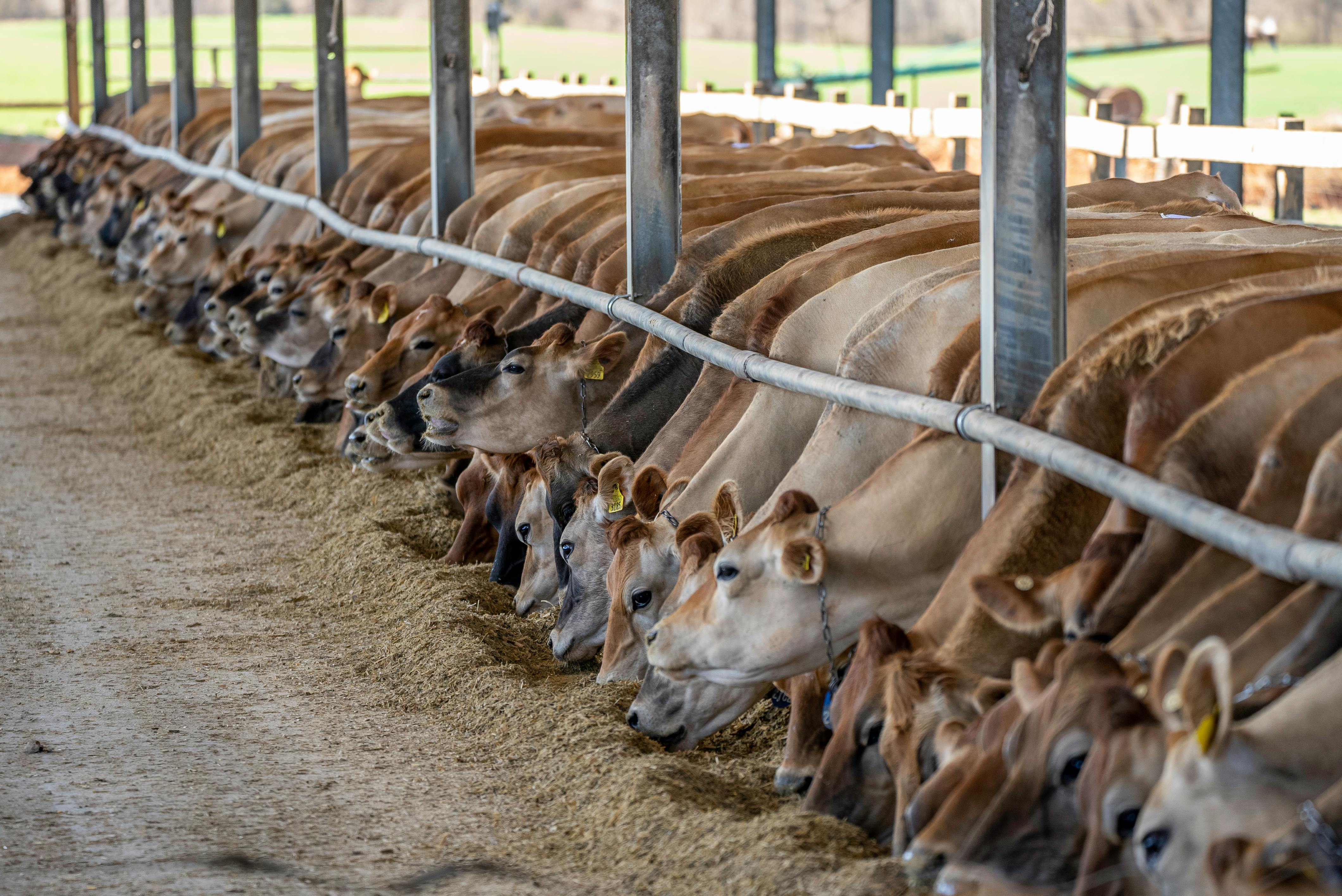
Kenya's dairy sector, a significant contributor to the national GDP, faces persistent challenges including climate variability, market fluctuations, and the rising cost of inputs. The reliance on commercial feeds, often formulated from imported raw materials, makes dairy farming susceptible to global price volatilities. This economic pressure underscores the urgent need for sustainable, localized feed solutions. Organic farming practices are gaining traction across Kenya, with a growing emphasis on utilizing local resources to enhance soil fertility, promote biodiversity, and reduce dependency on synthetic inputs. This ethos extends naturally to livestock feed, where incorporating locally available, nutrient-rich by-products like cassava peels aligns perfectly with the principles of a circular economy and sustainable agriculture.
Data from the Ministry of Agriculture consistently highlights the significant portion of dairy production costs attributed to feed, often ranging between 60-70%. This statistic alone serves as a powerful motivator for farmers to explore viable alternatives. The Jomo Kenyatta University of Agriculture and Technology (JKUAT) has been at the forefront of agricultural innovation, conducting extensive research into alternative feed sources that are both cost-effective and nutritionally sound. Their ongoing studies, including the prospective 2025 validation, aim to provide definitive scientific backing for practices that can transform feed economics for small and large-scale dairy farmers alike, promoting agribusiness growth and greater food security within the nation.
Key Insights & Strategies: The Biofarm Kenya Approach

Optimizing dairy feed for both profitability and cow health requires a strategic, informed approach. Biofarm Kenya champions methods that are not only economically sound but also environmentally sustainable. Here’s how you can implement the JKUAT-backed strategy:
1. Mastering Cassava Peel Fermentation for Safety
Cassava peels are abundant, especially in cassava-growing regions, and are rich in carbohydrates. However, raw cassava contains cyanogenic glycosides, which release toxic hydrogen cyanide when hydrolyzed. Fermentation is the key to neutralizing these toxins, making the peels safe and palatable for livestock. This process also enhances digestibility and nutrient availability.
Collection & Preparation: Collect fresh cassava peels immediately after harvesting. Wash them thoroughly to remove soil and impurities.Chipping/Grating: Chip or grate the peels into smaller pieces (1-3 cm) to increase surface area for microbial action.Anaerobic Fermentation: Place the prepared peels into airtight containers or silage bags. Pack them densely to expel air and create anaerobic conditions. For accelerated and more consistent fermentation, consider using a specialized starter. Boost your feed fermentation process with the Silage Starter Culture for Livestock Feed – available on Amazon, which ensures efficient detoxification and nutrient preservation.Duration: Allow fermentation for 5-7 days in a cool, dark place. The fermentation process is evident by a distinct, pleasant acidic smell, similar to silage.Drying (Optional): For longer storage, the fermented peels can be sun-dried or machine-dried.2. Blending with Molasses for Energy Balance
Molasses is a by-product of sugar refining and an excellent source of readily available energy, minerals, and palatability enhancers. It plays a crucial role in complementing the fermented cassava peels, which primarily provide carbohydrates and some fiber, ensuring a balanced diet for high-producing dairy cows.
Ratio Determination: The JKUAT study suggests replacing up to 30% of commercial feed. A recommended starting ratio could be 70% reduced commercial feed, 20% fermented cassava peels, and 10% molasses (by dry matter basis), though this should be adjusted based on the specific nutritional needs of your herd and milk production goals.Mixing: Thoroughly mix the fermented cassava peels and molasses with the commercial feed ration. A good quality feed mixer is indispensable for achieving uniform distribution of nutrients, preventing selective feeding, and ensuring every cow receives the intended balanced diet. For efficient and thorough mixing of your custom feed, explore the Small Farm Electric Feed Mixer – available on Amazon.Palatability: Molasses significantly improves the palatability of the overall feed, encouraging cows to consume the alternative components readily.3. Gradual Transition Over 14 Days
Any sudden change in a cow's diet can lead to digestive upsets, reduced feed intake, and a drop in milk production. A gradual transition is paramount to allow the cow's rumen microbes to adapt to the new feed components.
Phase 1 (Days 1-4): Introduce a small amount (e.g., 5-10% of the new ration) of the fermented cassava peel and molasses mix, replacing an equivalent amount of commercial feed.Phase 2 (Days 5-9): Gradually increase the new feed components to 15-20% of the total ration.Phase 3 (Days 10-14): Reach the target 30% replacement level, closely monitoring feed intake, dung consistency, and milk yield.Observation: Throughout the transition, observe your cows for any signs of discomfort, changes in appetite, or fluctuations in milk production and composition. Adjust the pace of transition if necessary.Implementing these strategies requires dedication and attention to detail, but the long-term benefits in terms of cost savings and sustainable farming are substantial.Explore sustainable organic farming solutions with Biofarm Kenya for more resources and expert guidance.
Case Studies: Kenyan Farmers Leading the Way
Across Kenya, pioneering dairy farmers are already demonstrating the viability and profitability of innovative feed strategies. Take, for instance, Mama Njeri, a smallholder farmer in Murang'a. Facing soaring feed costs, she adopted a localized approach, initially focusing on improved silage techniques and then experimenting with safe, fermented crop by-products, including limited amounts of sweet potato vines and, more recently, carefully processed cassava peels. By meticulously following detoxification and blending protocols, she managed to reduce her commercial feed dependence by 20%, leading to a noticeable increase in her monthly profit margins without any drop in milk quality or quantity. Her success, detailed in a local agricultural journal, underscores the practical application of university research findings on the ground.
Another inspiring example comes from a cooperative in Bungoma, a region known for cassava cultivation. This cooperative invested in basic processing equipment for cassava peels and partnered with local farmers to procure the by-product. By collectively producing fermented cassava-molasses blocks, they not only provided a cheap feed alternative for their members but also created a new income stream for cassava farmers. This collective effort, supported by local agricultural extension services, highlights how community-based initiatives can drive significant change in agribusiness. Such models align with recommendations from the Food and Agriculture Organization (FAO) on promoting local feed resources for sustainable livestock production, emphasizing the economic and environmental benefits of reducing transport costs and valorizing agricultural waste (Source: FAO Livestock Production).
Common Mistakes to Avoid in Feed Management
While the promise of cost-cutting through alternative feeds is compelling, certain pitfalls can negate the benefits or even harm your herd. Awareness is key to prevention.
Inadequate Cassava Peel Detoxification: Rushing the fermentation process or failing to ensure anaerobic conditions can leave residual cyanide in the peels, which is highly toxic to cattle. Always follow the fermentation timeline strictly and observe for the characteristic acidic smell. Never feed raw or improperly fermented cassava peels.Improper Feed Ratios: An imbalanced diet can lead to nutritional deficiencies, reduced milk yield, or even health issues like acidosis or ketosis. While replacing commercial feed, ensure the new ration still meets the protein, energy, mineral, and vitamin requirements of your dairy cows. Regularly consult with an animal nutritionist or agricultural extension officer.Abrupt Dietary Changes: Introducing new feed components too quickly is a common mistake. A sudden change can shock the rumen microbes, causing digestive upset, diarrhea, and a significant drop in milk production. Always adhere to a gradual transition period, ideally over 10-14 days.Poor Feed Storage: Improper storage of fermented peels, molasses, or even commercial feed can lead to spoilage, mold growth, and nutrient degradation. This not only wastes feed but can also introduce harmful mycotoxins. Invest in appropriate, airtight storage solutions to preserve feed quality. Secure your valuable feed resources with durable and critter-proof solutions like the Heavy-Duty UV Protected Animal Feed Storage Bin – available on Amazon.Neglecting Water Quality and Availability: Feed efficiency is directly linked to water intake. Providing dirty or insufficient water can severely impact digestion and nutrient absorption, irrespective of the feed's quality. Always ensure cows have access to clean, fresh water at all times.Ignoring Soil Health: While focusing on feed, it's easy to overlook the foundation of your farm's productivity: the soil. Healthy soil grows nutritious forage and crops, reducing your reliance on purchased feed in the long run. Regularly test your soil and implement fertility management practices.
Expert Tips & Best Practices for Dairy Feed Optimization
Achieving sustainable feed cost reduction while maintaining high milk yields is an ongoing process that benefits from continuous learning and adaptation. Here are some expert tips tailored for Kenyan dairy farmers:
Regular Soil Testing: Understand your soil's nutritional profile. This knowledge allows you to grow healthier forages with optimal nutrient content, reducing the need for costly mineral supplements. A high-quality soil testing kit is an invaluable tool for any progressive farmer. Equip your farm with precise data using the Professional 3-in-1 Soil pH, Moisture, Light Tester – available on Amazon to make informed decisions.Forage Quality is Paramount: While alternative feeds cut costs, they should complement, not replace, quality forage. Invest in improving your pasture management, hay production, or silage making. High-quality forage reduces the amount of concentrated feed needed.Water Harvesting and Management: Clean water is as crucial as quality feed. Implement rainwater harvesting and efficient water management systems to ensure a consistent supply of clean drinking water for your herd, especially during dry seasons.Strategic Supplementation: Even with a balanced diet of alternative and commercial feeds, specific micro-nutrients might be lacking. Work with a local vet or nutritionist to identify any deficiencies in your herd and provide targeted mineral and vitamin supplements.Record Keeping: Maintain meticulous records of feed intake, milk production (individual cow and herd average), feed costs, and any health issues. This data is vital for making informed adjustments to your feed program and evaluating its effectiveness.Community Learning & Collaboration: Join local farmer groups or cooperatives. Share experiences, learn from peers, and collectively address challenges. This peer-to-peer learning is often the most practical and relevant.Embrace Technology: Even simple technologies, like feed mixers or automated watering systems, can significantly improve efficiency and reduce labor costs in the long run. Consider incorporating a liquid supplement like molasses for enhanced palatability and energy. Optimize your cattle's diet and health with Organic Liquid Molasses Supplement for Livestock – available on Amazon.By integrating these expert tips, Kenyan dairy farmers can build resilient, profitable, and sustainable farming systems for generations to come.Explore sustainable organic farming solutions with Biofarm Kenya for more resources and expert guidance.
Future Trends in Sustainable Dairy Farming in Kenya
The landscape of dairy farming in Kenya is continually evolving, with innovation playing a pivotal role in shaping its future. Several key trends are emerging that promise to further enhance sustainability, efficiency, and profitability for farmers.
Smart Irrigation and Water Management: With increasing climate variability, precision irrigation systems (like drip irrigation) and smart sensors will become more commonplace. These technologies optimize water use for forage production, ensuring higher yields with less water, directly impacting feed availability and quality.AI-Driven Crop and Livestock Monitoring: Artificial intelligence and machine learning are set to revolutionize farm management. From AI-powered applications that analyze feed conversion rates to sensors monitoring individual cow health and estrus cycles, these tools will enable farmers to make data-driven decisions, reducing waste and improving productivity.Vertical Farming for Forage: In land-scarce areas or regions with harsh climates, vertical farming solutions for fodder production are gaining interest. These controlled-environment systems can produce fresh, high-quality feed year-round, independent of weather conditions, offering a consistent feed source.Enhanced Bio-security Measures: As farms become more integrated and supply chains expand, advanced bio-security protocols will be crucial to prevent disease outbreaks, which can devastate herds and negate feed efficiencies. This includes improved sanitation, vaccination programs, and early detection systems.Renewable Energy Integration: More dairy farms are likely to adopt solar power for milking parlors, refrigeration, and even powering feed processing equipment. This reduces operational costs and lowers the carbon footprint, aligning with global sustainability goals.Valorization of Agricultural Waste: The JKUAT-backed cassava peel initiative is just one example. Future trends will see even more sophisticated methods for converting other agricultural by-products and waste streams into valuable animal feed, further enhancing the circular economy model within Kenyan agribusiness.These trends, while challenging to implement initially, hold immense potential for creating a more resilient, environmentally friendly, and economically robust dairy sector in Kenya.
Conclusion
Reducing feed costs by 15% through the strategic use of fermented cassava peels and molasses, as championed by the JKUAT-backed guide, represents a transformative opportunity for Kenyan dairy farmers. This innovative approach not only promises significant financial relief but also fosters greater self-reliance, food safety, and environmental stewardship within the agricultural sector. By embracing localized, sustainable feed alternatives, farmers can mitigate the risks associated with volatile commercial feed prices and build more resilient farming operations.
The journey involves careful planning, precise execution of fermentation and blending, and a patient, gradual transition for your herd. However, the long-term benefits of stable milk yields, improved profitability, and a reduced ecological footprint make this strategy an invaluable asset for any forward-thinking dairy farmer in Kenya. Adopt these practices, and you'll not only maximize your dairy profit but also contribute to a healthier, more sustainable agricultural future for our nation.
Discover trusted organic farming tools on Amazon and learn more about sustainable solutions with Biofarm Kenya.
FAQs: Maximizing Dairy Profit in Kenya
How much commercial feed can I safely replace with fermented cassava peels and molasses?The JKUAT-backed guide suggests safely replacing up to 30% of commercial feed with a blend of fermented cassava peels and molasses. It's crucial to follow a gradual 14-day transition period and monitor your cows' health and milk production closely. (Source: Kenya Agricultural and Livestock Research Organization (KALRO))Is fermented cassava peel truly safe for dairy cows?Yes, when properly fermented, cassava peels are safe. The fermentation process effectively neutralizes the cyanogenic glycosides, which are toxic in their raw form. Improper fermentation, however, can leave toxins. Always ensure a complete and thorough fermentation. (Source: International Livestock Research Institute (ILRI))What are the key benefits of adding molasses to dairy feed?Molasses is an excellent source of readily available energy, enhances the palatability of the feed, acts as a binder, and provides essential minerals. It helps balance the diet when combined with other feed ingredients, encouraging higher feed intake and supporting milk production. (Source: Dairy Kenya)How can I ensure the quality of my locally sourced cassava peels and molasses?For cassava peels, source from reliable farmers who harvest mature crops and process the peels quickly to prevent spoilage. For molasses, procure from reputable sugar factories or distributors. Look for quality certifications or test samples if buying in large quantities. (Source: Kenya Bureau of Standards (KEBS))What are the signs of digestive upset during a feed transition, and what should I do?Signs of digestive upset include reduced feed intake, changes in dung consistency (very loose or very dry), lethargy, and a sudden drop in milk production. If these signs appear, immediately revert to the previous feed ratio and slow down the transition process. Consult a veterinarian if symptoms persist. (Source: Biofarm Kenya Health Resources)Beyond feed, what other strategies can Kenyan dairy farmers use to maximize profit?Other strategies include improving genetics through artificial insemination, implementing stringent disease prevention and control measures, optimizing breeding programs, practicing rotational grazing for pasture management, ensuring adequate clean water supply, and maintaining detailed farm records for informed decision-making. (Source: Agricultural Development Corporation (ADC) Kenya)Explore Biofarm Kenya Products
Read More from Biofarm Kenya Blog
Contact Biofarm Kenya Experts
Learn About Biofarm Kenya
Biofarm Kenya Success Stories
Biofarm Kenya Farmer Resources


0 Comments