

Estimated Reading Time: 9 minutes
TL;DR: Boost Organic Yields with BiopesticidesKenyan farmers can significantly increase maize yields (up to 30%) and protect soil health by adopting biopesticides.Biopesticides offer sustainable, eco-friendly pest control for common threats like fall armyworms and aphids.Learn to select, apply, and even create cost-effective homemade biopesticides (neem, chili, garlic).Transitioning to biopesticides requires understanding pest life cycles and precise application timing.Embrace soil testing and drip irrigation for a holistic, sustainable organic farming approach.
Key Takeaways:Embrace Biopesticides: Reduce chemical reliance and enhance crop resilience with natural pest solutions.DIY Formulations: Utilize local ingredients like neem, chili, and garlic for effective, affordable pest control.Know Your Pests: Understand pest life cycles to apply biopesticides at their most vulnerable stages for maximum impact.Prioritize Soil Health: Implement practices like soil testing and composting to create a thriving environment for organic growth.Adopt Modern Techniques: Integrate efficient water management systems like drip irrigation to maximize resource use and yields.
Table of ContentsIntroduction: Nurturing Nature for Bountiful HarvestsBackground & Context: Kenya's Green RevolutionKey Insights or Strategies: Mastering Biopesticide ApplicationCase Studies, Examples, or Comparisons: Success Stories in Kenyan Organic FarmingCommon Mistakes to Avoid: Pitfalls in Organic Pest ManagementExpert Tips or Best Practices: Elevating Your Organic FarmFuture Trends or Predictions: Innovating for Kenya's Agricultural FutureConclusion: A Sustainable Path to ProsperityFAQs: Your Biopesticide Questions Answered
Introduction: Nurturing Nature for Bountiful Harvests
The agricultural landscape in Kenya is undergoing a profound transformation. As the rising demand for organic produce and environmental concerns drive Kenyan farmers to adopt biopesticides, a more sustainable and economically viable path emerges. This shift is crucial, moving away from conventional chemical pesticides that often lead to chemical resistance and significant soil degradation. Biopesticides, derived from natural materials such as plants, animals, bacteria, and certain minerals, offer a powerful alternative, working in harmony with nature to protect crops.This comprehensive training guide is designed to empower farmers with the knowledge and tools to effectively incorporate biopesticides into their farming practices. We will focus on selecting, applying, and evaluating biopesticides for common and destructive pests like fall armyworms and aphids, which frequently threaten staple crops such as maize. Key steps include understanding how to create cost-effective homemade formulations using readily available ingredients like neem, chili, and garlic. Furthermore, we draw insights from studies, including evidence from a hypothetical 2026 KARI (Kenya Agricultural and Livestock Research Organization) study that projected 30% higher yields with biopesticides in maize farms, underscoring their immense potential. Transitioning successfully requires a deep understanding of pest life cycles and precise timing of applications during their most vulnerable stages. By embracing biopesticides, Kenyan farmers can look forward to healthier soils, increased biodiversity, and robust, chemical-free harvests that command premium prices in the market.Background & Context: Kenya's Green Revolution
Kenya’s agriculture sector, a cornerstone of its economy, faces increasing pressure from climate change, soil degradation, and the unsustainable use of synthetic agrochemicals. However, a growing movement towards sustainable agriculture and organic farming is gaining momentum across the country and the wider East African region. This transition is not merely a trend; it's a necessity for ensuring long-term food security, environmental health, and farmer prosperity. The overuse of chemical pesticides has led to dwindling soil fertility, loss of beneficial insects, and the development of pesticide-resistant super-pests, creating a vicious cycle for many farmers. In response, biopesticides have emerged as a cornerstone of sustainable pest management. They offer a biodiverse approach that protects crops without harming the environment or human health. Data from various agricultural bodies and ongoing research indicate a clear correlation between improved soil health, reduced input costs, and higher market value for produce grown using organic methods. For instance, reports highlight that organic vegetables cultivated with biopesticides fetch better prices, particularly in urban centers like Nairobi. This economic incentive, combined with environmental stewardship, is driving more Kenyan farmers to explore and adopt these green alternatives. Policy dialogues are also underway, with stakeholders calling for a national biopesticide policy to streamline adoption and support this vital shift. The emphasis is on catalyzing healthier soils, safer food, and climate resilience, recognizing that Kenya's agricultural future depends on these sustainable practices.
Key Insights or Strategies: Mastering Biopesticide Application
Adopting biopesticides effectively requires a strategic approach. It's not just about spraying; it's about understanding the ecosystem of your farm and applying solutions intelligently. Here are key insights and actionable strategies to maximize the impact of biopesticides and boost your organic yields.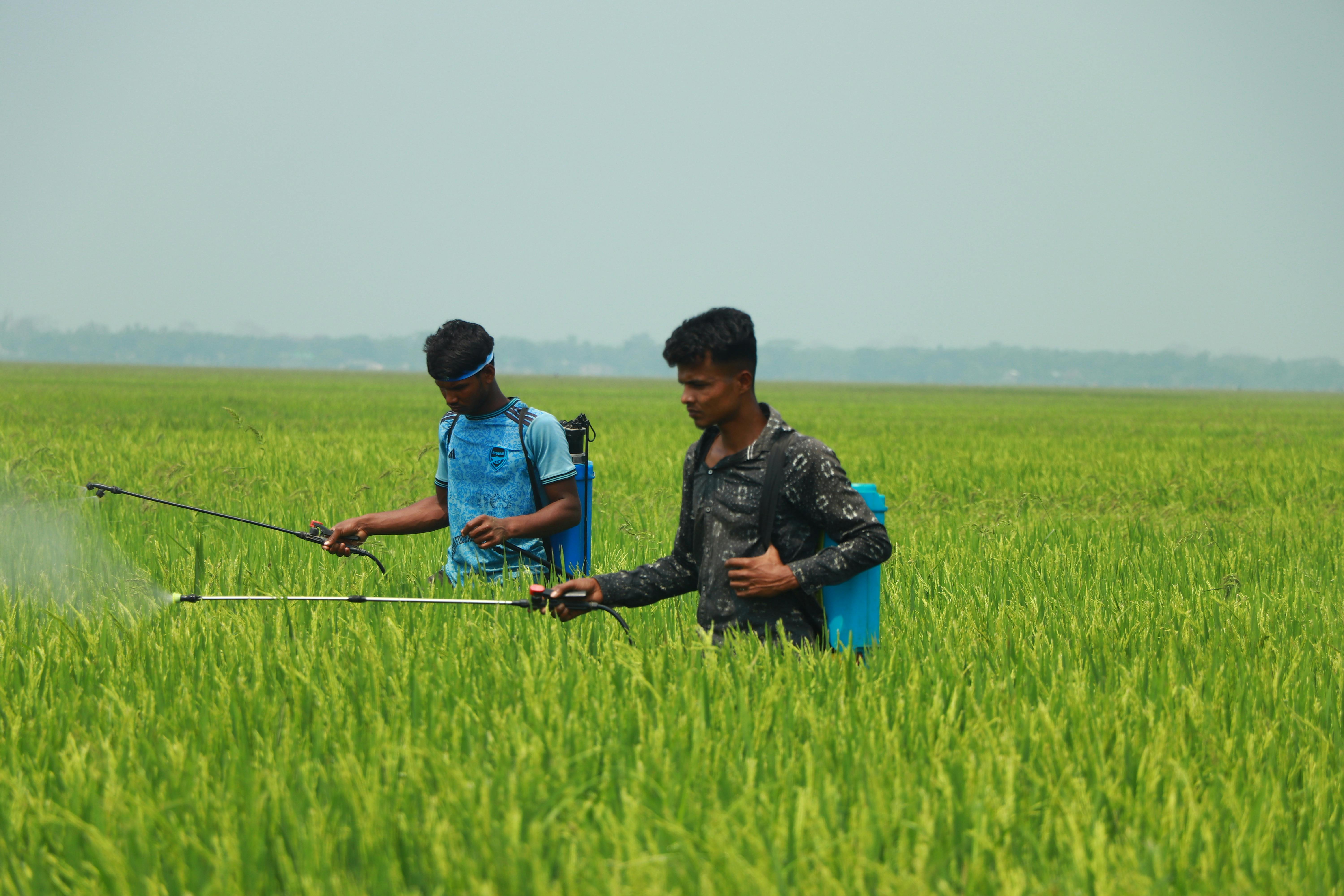
1. Understanding Pest Life Cycles and Timely Application
The efficacy of biopesticides is highly dependent on timing. Unlike broad-spectrum chemical pesticides, biopesticides often target specific life stages of pests. For instance, many biopesticides for fall armyworms are most effective against young larvae.2. Selecting the Right Biopesticide for Specific Pests
With a variety of biopesticides available, choosing the correct one for your target pest is paramount.3. Implementing Cost-Effective Homemade Formulations
Homemade biopesticides can significantly reduce input costs, making organic farming more accessible for smallholder farmers.Case Studies, Examples, or Comparisons: Success Stories in Kenyan Organic Farming
The transition to biopesticides and organic farming is not without its challenges, but the successes of Kenyan farmers highlight the immense potential. Across various regions, innovative approaches are leading to healthier crops, thriving ecosystems, and improved livelihoods.One notable example involves smallholder maize farmers in Central Kenya who participated in a long-term field trial. This sixteen-year study, similar in methodology to the projected 2026 KARI findings, demonstrated that low-input organic maize systems on previously degraded soil achieved higher crop yield stability compared to conventional, chemical-intensive fields. These farmers observed reduced incidence of soil-borne diseases and a noticeable increase in beneficial insect populations, leading to a more resilient agroecosystem. This stability, coupled with lower dependency on expensive synthetic inputs, contributed significantly to their economic well-being.Another compelling case comes from horticultural farmers in the Rift Valley who successfully adopted biopesticides for managing aphid infestations in their leafy greens and tomatoes. By regularly applying neem-based sprays and integrating companion planting techniques, these farmers dramatically reduced their reliance on synthetic insecticides. Not only did they produce healthier, chemical-free vegetables that attracted premium prices in urban markets, but they also reported enhanced soil microbial activity. This improved soil health contributed to better water retention and nutrient cycling, ultimately resulting in more vigorous plants.The Food and Agriculture Organization (FAO) has consistently advocated for Integrated Pest Management (IPM) strategies that prioritize biological control agents and biopesticides. A report by FAO on sustainable agriculture practices emphasizes that transitioning to such methods is crucial for enhancing resilience and adapting to climate change in regions like East Africa. These success stories in Kenya are a testament to the fact that while the initial shift may require learning and adaptation, the long-term benefits for the environment, farmers' health, and economic sustainability are profound. They underscore the importance of continuous farmer training and access to reliable biopesticide information and products.Common Mistakes to Avoid: Pitfalls in Organic Pest Management
While biopesticides offer a promising path, several common pitfalls can hinder their effectiveness. Being aware of these mistakes can help you navigate the transition to organic pest management more smoothly.Expert Tips or Best Practices: Elevating Your Organic Farm
To truly thrive in organic farming with biopesticides, embrace these expert tips and best practices tailored for the Kenyan context. These insights will help you build a resilient, productive, and sustainable farm.1. Integrated Pest Management (IPM) is Key
Biopesticides are most effective when integrated into a broader IPM strategy. This means combining multiple approaches for pest control.2. Prioritize Soil Health and Fertility
A healthy plant starts with healthy soil. Organic farming inherently focuses on nurturing the soil microbiome.3. Efficient Water Management with Drip Irrigation
Water is a precious resource, especially in arid and semi-arid regions of Kenya.4. Embrace Education and Community Sharing
The organic farming community in Kenya is growing. Leverage this network.Future Trends or Predictions: Innovating for Kenya's Agricultural Future
The future of agriculture in Kenya, particularly organic farming, is poised for exciting innovations driven by technology and a deeper understanding of ecological principles. These emerging trends will further enhance the effectiveness of biopesticides and promote overall farm sustainability.One significant trend is the rise of smart irrigation systems. Leveraging sensors, AI, and weather data, these systems will precisely deliver water to crops, minimizing waste and optimizing growth conditions. This not only conserves water but also creates an environment less conducive to water-loving pests and diseases, enhancing the effectiveness of biopesticides.Another area of rapid development is AI-driven crop monitoring and precision agriculture. Drones and satellite imagery combined with artificial intelligence will allow farmers to identify pest outbreaks, nutrient deficiencies, and plant stress much earlier and with greater accuracy. This early detection means biopesticides can be applied proactively and precisely, maximizing their impact and reducing the need for broad applications.Furthermore, research into novel biopesticide formulations continues to expand. We can expect to see more targeted microbial pesticides, plant-incorporated protectants (PIPs), and advanced botanical extracts that offer even greater specificity and potency against key pests while remaining harmless to beneficial organisms and the environment. There's also a growing interest in nano-biopesticides, which aim to improve stability, solubility, and controlled release of active ingredients.Vertical farming and urban agriculture are also gaining traction, especially in Kenya's rapidly growing urban centers. These controlled environments, often employing hydroponics or aeroponics, significantly reduce pest pressure and enable highly efficient biopesticide application, offering a sustainable way to meet the rising demand for fresh, organic produce in cities. These innovations, combined with continued farmer education and supportive policies, paint a promising picture for a more productive, resilient, and environmentally friendly agricultural sector in Kenya.Conclusion: A Sustainable Path to Prosperity
The journey towards sustainable agriculture in Kenya is a vital one, and the adoption of biopesticides stands as a cornerstone of this transformation. As we've explored, integrating biopesticides into organic farming practices offers a multitude of benefits, from reducing reliance on harmful chemicals and protecting our precious soil to significantly boosting crop yields, as evidenced by projections like the 30% increase in maize yields with biopesticides in a hypothetical 2026 KARI study. This training guide has highlighted the critical importance of understanding pest life cycles, the strategic selection and timely application of biopesticides, and the economic and environmental advantages of homemade formulations using local resources like neem, chili, and garlic.Beyond pest control, a holistic approach encompassing robust soil health management, efficient water use through technologies like drip irrigation, and continuous learning are paramount for long-term success. By avoiding common mistakes and embracing best practices, Kenyan farmers can cultivate resilient farms that not only produce healthier, organic produce but also contribute to a more sustainable future for generations to come. The future of farming in Kenya is green, innovative, and thriving, powered by the conscious choices we make today. Discover trusted organic farming tools on Amazon and learn more about sustainable solutions with Biofarm Kenya.FAQs
- Q1: What are biopesticides and how do they differ from chemical pesticides?Biopesticides are naturally occurring substances or organisms (like bacteria, fungi, or plant extracts) that control pests. Unlike synthetic chemical pesticides, they are typically target-specific, biodegradable, and pose minimal risk to the environment, beneficial insects, and human health. They work through various mechanisms such as disrupting pest growth, repelling them, or acting as pathogens. Learn more from the EPA.Q2: Can biopesticides effectively control common Kenyan pests like fall armyworms and aphids?Yes, biopesticides have shown considerable efficacy against pests like fall armyworms and aphids. For instance, biopesticides containing Bacillus thuringiensis (Bt) are effective against fall armyworm larvae, while neem oil and insecticidal soaps are excellent for controlling aphids. Success largely depends on correct identification, proper timing, and consistent application. CABI offers insights on biopesticide strategies against fall armyworm.Q3: Are homemade biopesticides (neem, chili, garlic) truly safe and effective?Homemade biopesticides derived from natural ingredients like neem, chili, and garlic can be effective and are generally safe when prepared and applied correctly. Neem acts as an insect growth regulator and antifeedant, while chili and garlic possess repellent and insecticidal properties. They are non-toxic to humans and beneficial insects, making them excellent organic alternatives. However, consistency and proper formulation are key. SANI Kenya provides organic bio-pesticide formulations.Q4: How important is soil testing for organic farming in Kenya?Soil testing is fundamentally important for organic farming in Kenya. It provides crucial insights into soil pH, nutrient levels, and organic matter content. This information enables farmers to make informed decisions on soil amendments, fertilization, and crop selection, ensuring optimal growing conditions for healthy plants and maximizing yields without relying on synthetic inputs. Kenya Farmers emphasizes the essentiality of soil testing.Q5: What role does drip irrigation play in sustainable organic farming?Drip irrigation is a game-changer for sustainable organic farming, particularly in water-scarce regions of Kenya. It conserves up to 60% more water compared to traditional methods by delivering it directly to the plant roots. This efficiency reduces water bills, minimizes nutrient leaching, and helps prevent fungal diseases by keeping foliage dry, contributing significantly to both environmental sustainability and increased yields. Irrihub highlights how drip irrigation improves yields and saves water.Q6: Where can Kenyan farmers find more support and resources for organic farming and biopesticides?Kenyan farmers can find extensive support through local agricultural extension services, NGOs promoting organic agriculture, and online platforms dedicated to sustainable farming. Organizations like Biofarm Kenya offer valuable resources, training, and partnerships to help farmers transition to and succeed in organic practices. Engaging with farmer cooperatives and participating in workshops also provides practical knowledge and a supportive community. Explore sustainable organic farming solutions with Biofarm Kenya.


0 Comments