Estimated Reading Time: 12 minutes
TL;DR: Embrace organic soil practices to cut up to 30% of farming costs, improve crop yield with composting techniques, and leverage integrated pest management. Transition from chemical to organic methods for long-term profits.
Key Takeaways:
Invest in soil testing to determine nutrient needs.Convert livestock waste into biofertilizers to reduce input costs.Use neem oil and trap crops for sustainable pest control.Table of Contents:
Background & ContextKey Insights or StrategiesCase Studies, Examples, or ComparisonsCommon Mistakes to AvoidExpert Tips or Best PracticesFuture Trends or PredictionsConclusionFAQsBackground & Context

Kenyan farmers face rising input costs and climate stress, making soil health optimization critical. This training focuses on transitioning from chemical to organic practices for long-term profitability. Key steps include soil testing to baseline fertility, composting livestock waste into biofertilizers, and integrated pest management using neem oil and trap crops.
Key Insights or Strategies
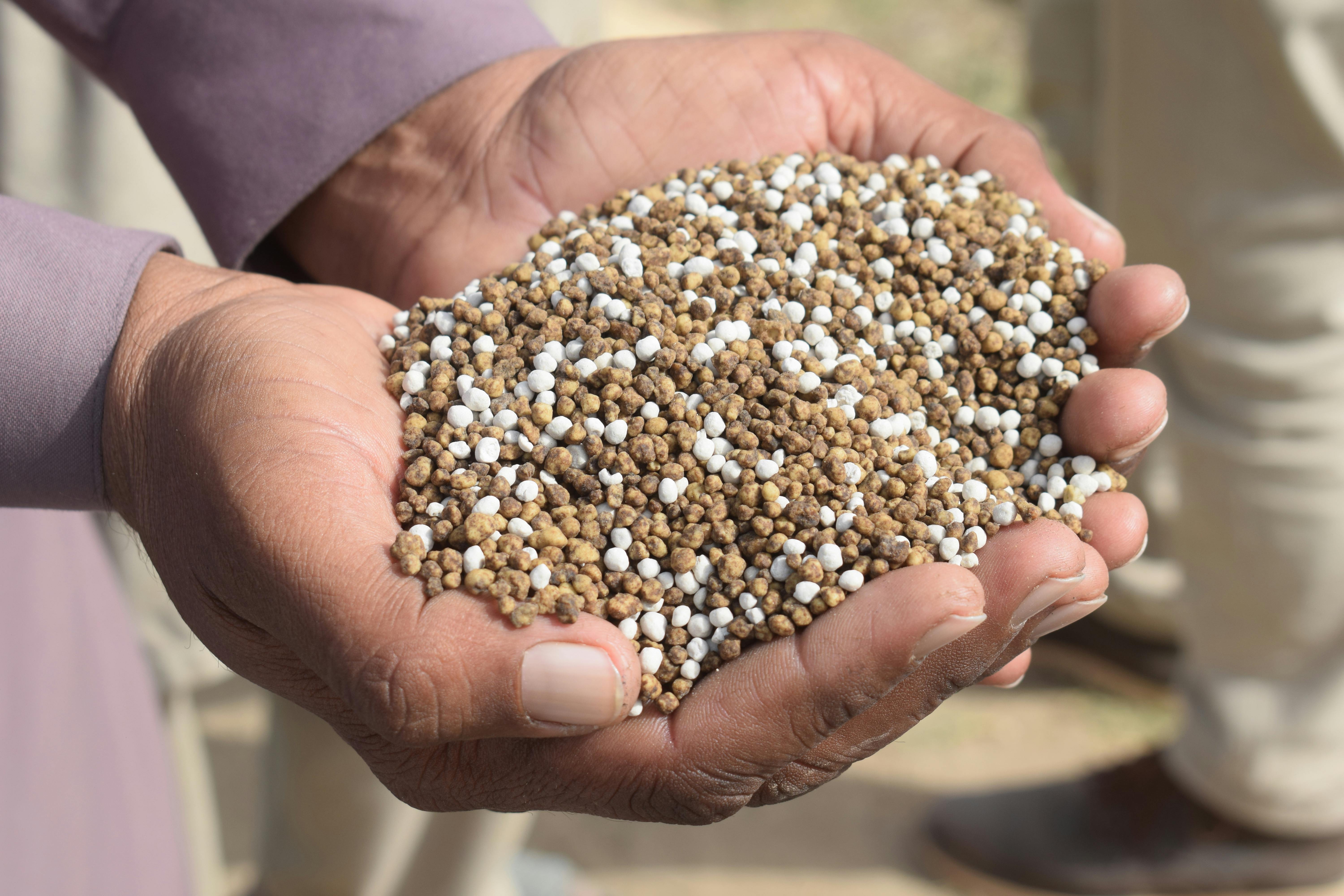
1. Soil Testing
Understanding soil health is the first step toward sustainable agriculture.
Invest in a reliable soil testing kit like the University of Florida Soil Test Kit to measure pH and nutrient levels.Create a soil health management plan tailored to test results.2. Composting and Biofertilizers
Utilize livestock waste to produce compost.Explore compost solutions like the Drammatic® Organic™ Original Fertilizer available on Amazon.Monitor compost quality and adjust as needed to maximize nutrient content.Explore sustainable organic farming solutions with Biofarm KenyaCase Studies, Examples, or Comparisons
Consider the success stories of smallholder farmers in Kenya who have transitioned to organic methods. A notable example is from the Ecological Organic Agriculture Directory, featuring farmers who improved yields by adopting organic practices.
For further details, see Ecological Organic Agriculture Directory.
Common Mistakes to Avoid
Overusing nitrogen fertilizers. Utilize soil tests to avoid this common mistake.Ignoring pest control planning. Implement integrated methods like neem oil applications.Poor composting practices which lead to nutrient loss. Monitor and adjust compost regularly.Expert Tips or Best Practices
Use a drip irrigation system like the CARPATHEN Drip Irrigation System Kit to enhance water efficiency.Adopt the use of organic compost starters for better soil health management. Maintain healthy soil with Oasis Blend Organic Fertilizer .Explore sustainable organic farming solutions with Biofarm KenyaFuture Trends or Predictions
The future of sustainable farming in Kenya includes smart irrigation systems, AI-driven crop monitoring, and advanced organic practices. This technological integration is crucial for maximizing farm productivity amid climate challenges.
Conclusion
Transitioning to organic soil practices offers long-term sustainability and financial savings for Kenyan farmers. Discover trusted organic farming tools on Amazon and learn more about sustainable solutions with Biofarm Kenya.
FAQs
What are the benefits of soil testing? Soil testing helps identify necessary nutrients to optimize plant growth. For more information, refer to the FAO soil testing guide. How can biofertilizers reduce costs? By converting waste into valuable plant nutrients, biofertilizers cut input costs significantly. See NEMA Kenya for more on organic waste management. Why integrate pest management? Integrated pest management minimizes chemical use while controlling pests effectively. Visit FAO IPM Resources. What are composting best practices? Ensure proper aeration and monitoring for nutrient-rich compost, as detailed by the Kenya Organic Agriculture Network. What are the latest trends in organic farming? Smart technologies and eco-friendly innovations are setting new trends. Explore updates at Biofarm Kenya Blog. Are organic practices eco-friendly? Yes, they significantly reduce pollution and promote ecological balance, supported by studies from the FAO.


0 Comments