

Estimated Reading Time: 12 minutes
Solar Irrigation Guide for Kenyan Farmers
With Kenya's erratic rainfall, solar irrigation adoption is surging, but debates rage over its viability for smallholders. This guide trains farmers to evaluate solar vs. diesel pumps, install cost-effective systems using local suppliers, and leverage government subsidies.
- KALRO trials show solar systems reduce fuel costs by 60% but require upfront investment.
- Key steps include soil-water monitoring and system maintenance to avoid overuse.
- Farmers must weigh climate resilience against capital constraints.
Background & Context

Kenya has long relied on rain-fed agriculture, with 5.4 million farmers being susceptible to inconsistent rainfall patterns. The introduction of solar irrigation offers a sustainable alternative, enhancing food security and economic stability. According to a IISD report, solar irrigation is seen as a game-changer for Kenya's agriculture sector.
Key Insights or Strategies
Understanding Solar Irrigation
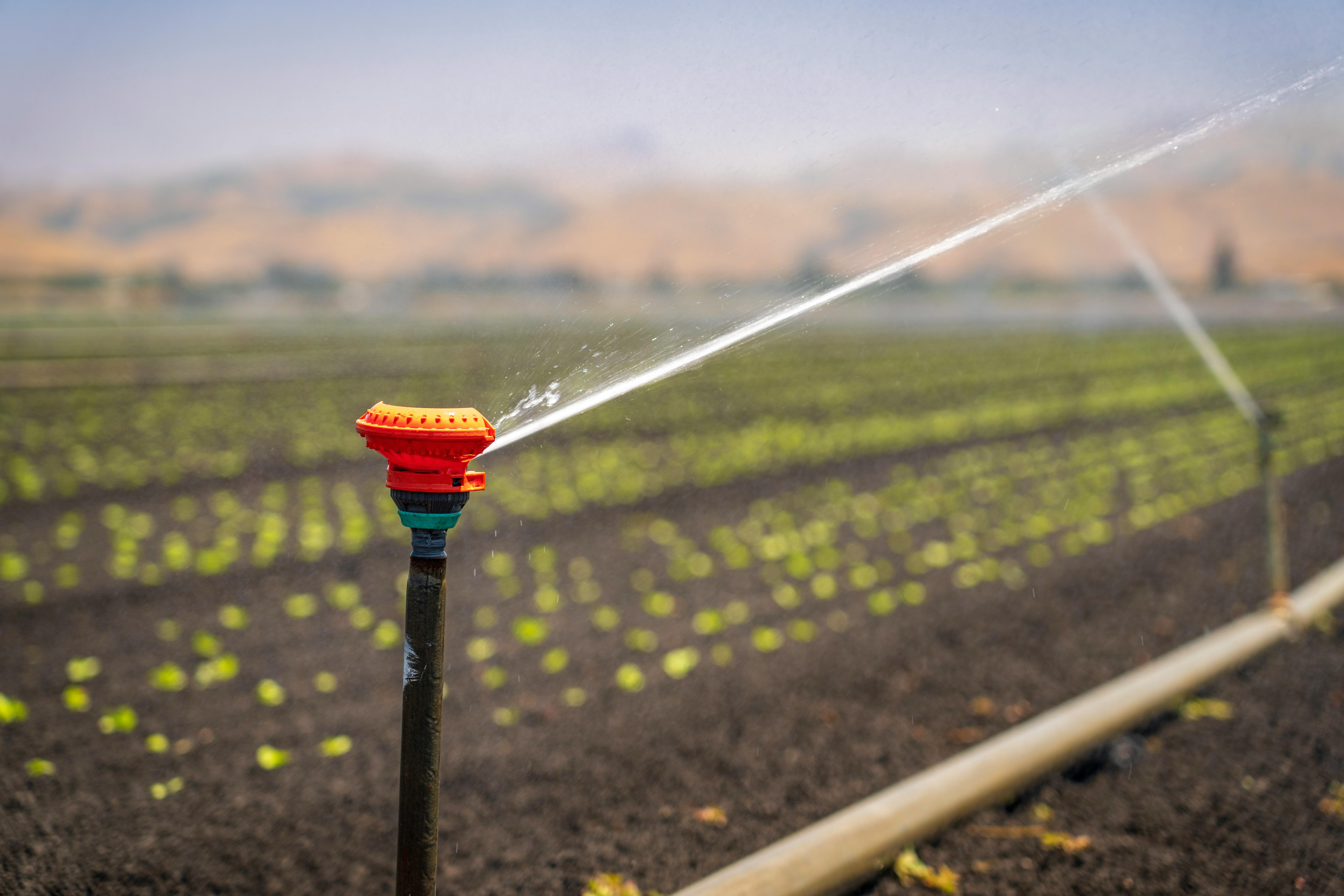
Farmers are increasingly adopting solar-powered systems to reduce dependency on expensive diesel pumps. The technology utilizes solar panels to power water pumps, making it both cost-efficient and environmentally friendly.
- Cost Analysis: Compare the initial costs of solar systems with traditional diesel pumps.
- Leak Detection: Implement regular checks to ensure the system's efficiency.
- Soil Monitoring: Continuously assess soil moisture to prevent over-irrigation.
Consider enhancing your operational efficiency with a Premium Organic Fertilizer.
For further information on sustainable solutions, Explore sustainable organic farming solutions with Biofarm Kenya.
Case Studies, Examples, or Comparisons
In a pilot project by Futurepump, Kenyan smallholder farmers reported reduced water expenses and improved crop yields by switching to solar irrigation. The Climate Impact project highlighted that 90% of participating farmers observed increased savings.
Common Mistakes to Avoid
- Underestimating Water Needs: Improper system sizing can lead to inefficiencies.
- Ignoring Maintenance: Regular cleaning and check-ups are crucial for longevity.
- Dependence on a Single Water Source: Always have a backup plan to avoid reliance on one source.
Expert Tips or Best Practices
Solar irrigation can transform agricultural productivity. Here are some expert tips:
- Start Small: Begin with a pilot project to see what works best.
- Community Training: Educate fellow farmers on system benefits and operation.
- Regular Soil Tests: Employ a Soil Test Kit to ensure optimal soil health.
Keep your soil in prime condition with an Organic Blood Meal option from Amazon.
For further insights on sustainable farming, Explore sustainable organic farming solutions with Biofarm Kenya.
Future Trends or Predictions
The future of farming in Kenya is promising, especially with advancements like AI-driven crop monitoring and smart irrigation systems. Innovations are leading to higher efficiency and better yields, positioning Kenya at the forefront of eco-friendly agriculture.
Conclusion
Solar irrigation offers a sustainable pathway to increasing productivity and reducing operational costs for Kenyan farmers. By evaluating various models, understanding benefits, and leveraging local resources, farmers can make an informed choice for their agricultural needs.
Discover trusted organic farming tools on Amazon and learn more about sustainable solutions with Biofarm Kenya.
FAQs
- What is the main advantage of solar irrigation?
- Solar irrigation significantly reduces fuel costs. For more details, check this report.
- What government support is available for solar irrigation?
- The Kenyan government offers subsidies and financing options for solar irrigation projects. Visit FAO Kenya for more information.
- How can I maintain my solar irrigation system?
- Regular maintenance, such as cleaning solar panels and checking for leaks, is essential. Learn more at NEMA.
- What are the environmental benefits of switching to solar irrigation?
- It reduces greenhouse gas emissions and preserves local ecosystems. Read more on NEMA.
- Is solar irrigation viable for smallholder farms?
- Yes, with proper planning and financing. Check REEEP for insights.
- How do I choose the right solar irrigation system?
- Consider factors like water needs, farm size, and budget. Visit Biofarm Kenya for guidance.


0 Comments