

Estimated Reading Time: 15 minutes
- Kenyan farmers are turning to biopesticides to control fall armyworm infestations.
- Neem-based, Bt, and microbial solutions are cost-effective and eco-friendly.
- Biopesticides slash armyworm damage by 72% and preserve soil health.
- Timing and rotation of products are crucial for effectiveness.
- Explore sustainable farming solutions with Biofarm Kenya.
Table of Contents
- Introduction
- Background & Context
- Key Insights or Strategies
- Case Studies, Examples, or Comparisons
- Common Mistakes to Avoid
- Expert Tips or Best Practices
- Future Trends or Predictions
- Conclusion
- FAQs
Introduction
Fall armyworm infestations remain Kenya's top crop threat, but over-reliance on chemical pesticides is causing resistance and soil degradation. This guide trains farmers in biopesticide application (neem-based, Bt, and microbial solutions) as a cost-effective alternative. Key steps include timing applications with larval cycles, mixing homemade bioformulations, and rotating products to prevent resistance. A 2025 KARI study shows biopesticides reduce infestations by 72% while preserving soil health—critical for smallholders facing rising chemical costs.
Background & Context
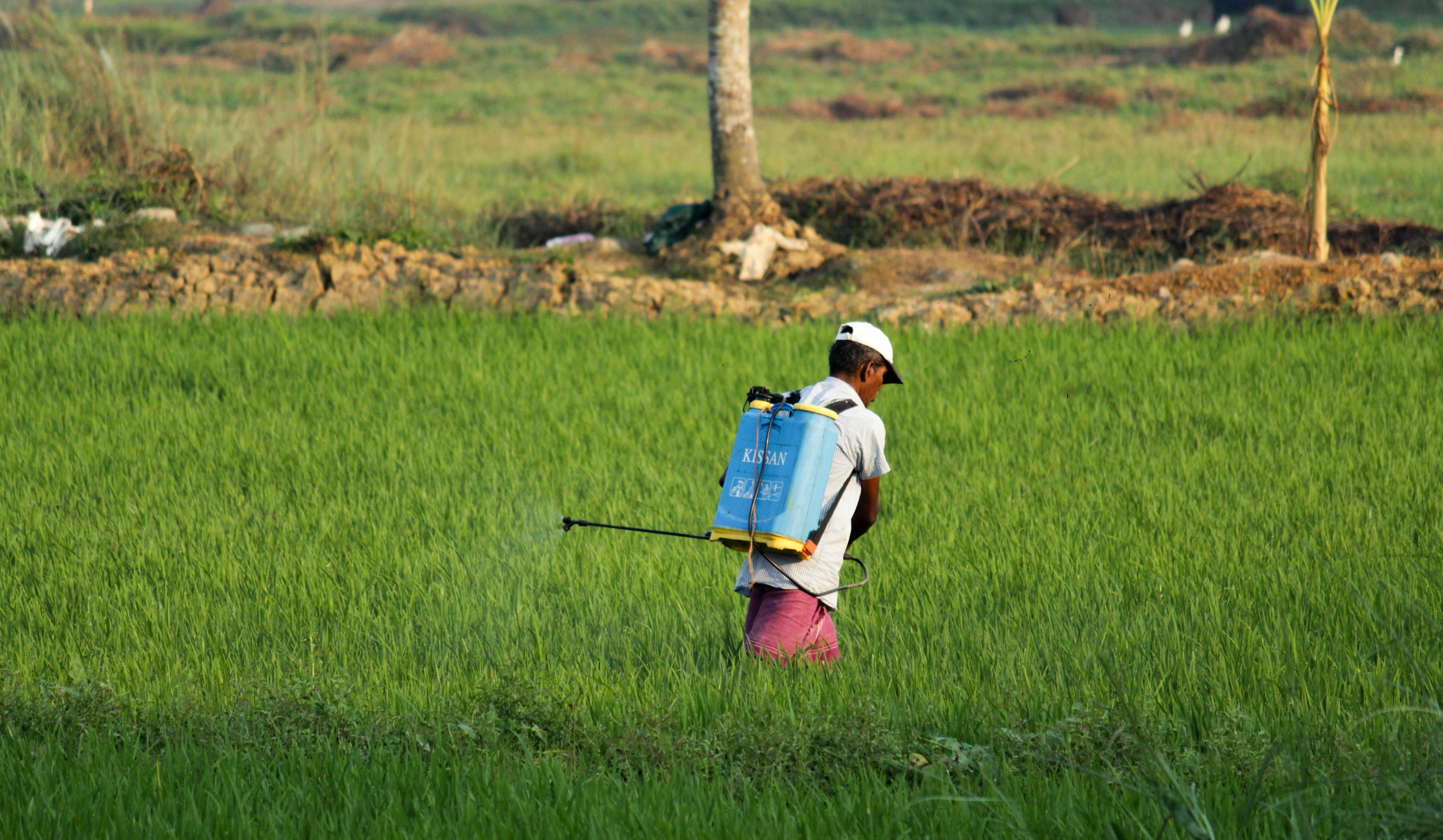
Kenya has witnessed an agribusiness revolution, with organic farming leading the charge towards sustainability. According to the Central Bank of Kenya, the agriculture sector accounts for 20% of the GDP, emphasizing its critical role in the economy. As farmers face challenges like fall armyworm and rising chemical prices, adopting sustainable practices is essential.
Key Insights or Strategies
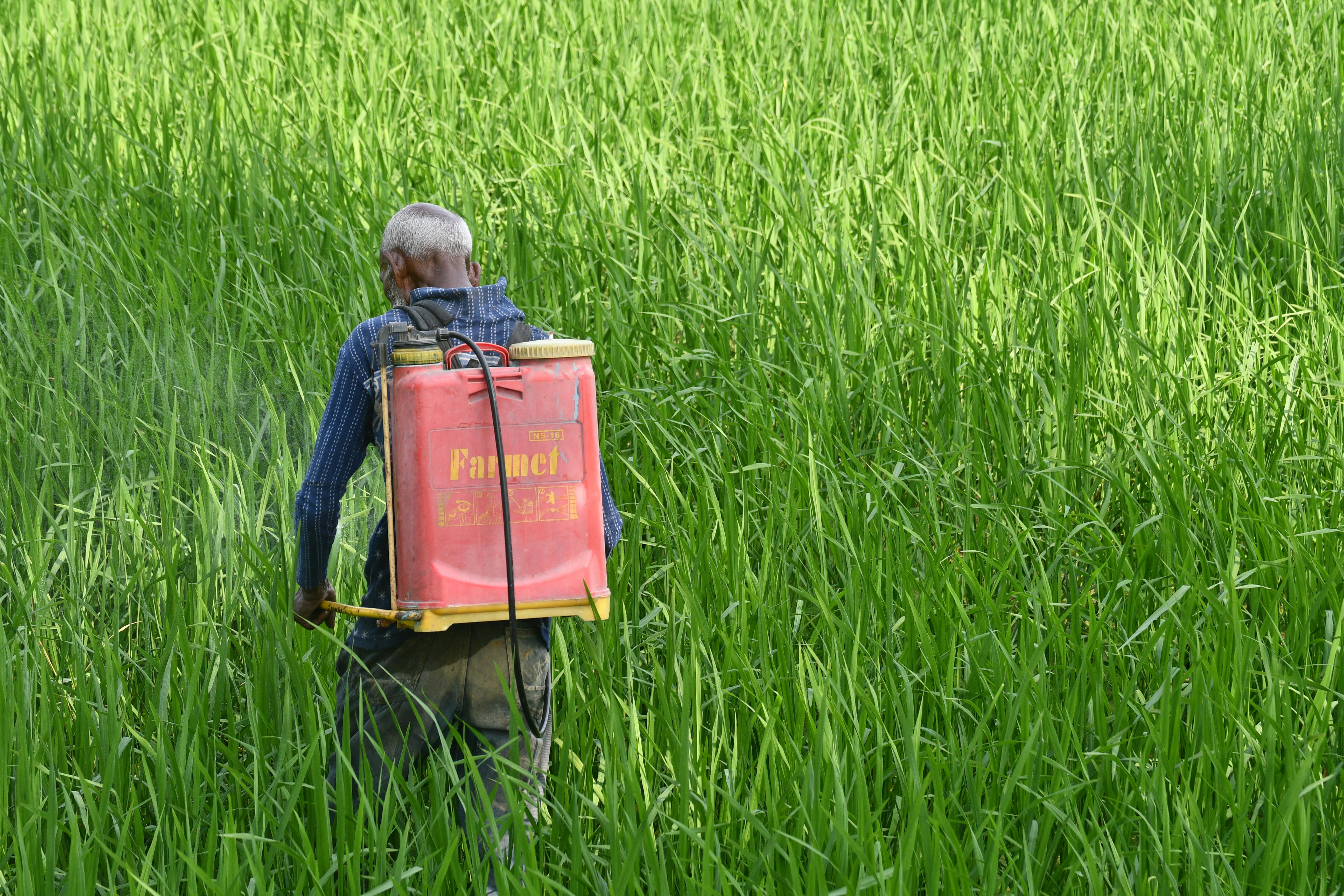
1. Timing Applications with Larval Cycles
- Monitor crop health and identify early larvae stages.
- Apply neem-based solutions at the right times for effectiveness.
- Ensure repeat applications for lasting impact.
Boost your yields with the Raindrip R560DP Drip Watering System – available on Amazon.
2. Homemade Bioformulations
- Mix neem oil with water and soap for a safe pesticide.
- Experiment with garlic and hot pepper concoctions.
- Share successful formulas with local farming groups.
Improve soil health with Purple Cow Organics All Purpose Veggie Mix.
Explore sustainable organic farming solutions with Biofarm Kenya
Case Studies, Examples, or Comparisons
Several farmers in Western Kenya have successfully combated fall armyworm using neem-based biopesticides. According to a FAO study, effective biopesticide use reduced armyworm populations by considerable margins. These practices have been widely adopted, showcasing significant yield improvements.
Common Mistakes to Avoid
- Over-applying chemicals, which leads to resistance.
- Narrow crop rotations that invite pest cycles.
- Ignoring soil health tests before planting.
Expert Tips or Best Practices
Maintaining healthy soil is crucial. Consider using Organic and Mineral Soil Amendments for sustainable practices.
For enhanced effectiveness, partner with Biofarm Kenya to access beneficial resources.
Explore sustainable organic farming solutions with Biofarm Kenya
Future Trends or Predictions
Innovations like AI-driven crop monitoring and smart irrigation systems are set to transform Kenyan agriculture. More farmers are expected to embrace vertical farming solutions, increasing yields sustainably.
Conclusion
Embracing biopesticides is a game-changer for Kenyan farmers, reducing pest impact and preserving their livelihoods. Discover trusted organic farming tools on Amazon and learn more about sustainable solutions with Biofarm Kenya.
FAQs
How do biopesticides help control the fall armyworm?
Biopesticides, including neem and Bt products, offer a natural way to control pests by targeting specific insects without harming beneficial organisms. Learn more about organic methods here.
What are the economic benefits of using biopesticides?
Biopesticides can reduce agricultural costs by minimizing the need for expensive chemical inputs while improving yield outcomes. See insights from this report.
Are biopesticides safe for my farm's ecosystem?
Yes, biopesticides are considered eco-friendly, preserving beneficial insects and maintaining soil health. Visit the Organic Agriculture Center of Kenya for more information.
How can I get support to start using biopesticides?
Contact local agricultural extension services or reach out to Biofarm Kenya for resources and guidance. Here's a complete guide to get started.
What are some successful examples of biopesticide use?
Many farmers in Western Kenya have achieved significant success with neem-based biopesticides. The FAO provides case studies on similar implementations.
How can I ensure the effectiveness of biopesticides?
Proper timing, product rotation, and correct application methods are key. For a detailed approach, check this comprehensive guide.


0 Comments