

Estimated Reading Time: 10 minutes
TL;DR:
Key Takeaways:
Table of Contents:
- IntroductionBackground & ContextKey Insights or StrategiesCase Studies, Examples, or ComparisonsCommon Mistakes to AvoidExpert Tips or Best PracticesFuture Trends or PredictionsConclusionFAQs
Introduction
In the vibrant agricultural landscapes of Kenya, a green gold rush is underway. The demand for avocados, particularly the prized Hass variety, has surged globally, positioning Kenya as a leading exporter. The lush farms, often smallholder operations, are at the heart of this boom, cultivating the fruit that graces tables worldwide. However, beneath this veneer of success lies a deeply troubling reality for those who toil the land. Despite record avocado exports, Kenya's smallholder farmers face systematic exploitation. Learn how cartels dictate prices, leaving producers with meager returns. This pervasive issue threatens the livelihoods of countless families and undermines the potential of one of Kenya's most promising agricultural sectors.
The allure of the international market, with its promise of prosperity, has been overshadowed by predatory practices within the domestic supply chain. Farmers, often lacking direct market access and bargaining power, find themselves at the mercy of powerful cartels that control collection, transportation, and pricing. This article delves into the intricate web of exploitation, explores the economic consequences for small-scale farmers, and highlights potential pathways towards a more equitable and sustainable avocado industry in Kenya.
Background & Context

Kenya's journey as an avocado powerhouse has been remarkable. The country boasts ideal climatic conditions for avocado cultivation, leading to consistent high yields. In recent years, avocado exports have climbed significantly, with projections indicating further expansion. For instance, reports suggest that Kenya's avocado production could expand by 4.8 percent in 2026 to 727 thousand metric tons (TMT), supported by expanded area and yield recovery in key production zones. In 2025, avocado was a major agricultural export by value for Kenya, underscoring its economic importance (Kenya National Bureau of Statistics, Economic Survey 2023). This growth has attracted significant foreign investment and has been touted as a key driver for rural economic development.
However, this success story has a darker side. Smallholder farmers, who constitute the backbone of the industry, often receive only a fraction of the final market price. Middlemen, often operating as part of organized cartels, exploit farmers' limited access to market information, storage facilities, and transport. They often buy avocados at incredibly low prices during harvest season when supply is high, only to sell them at significant markups in urban centers or to exporters. This stark income disparity creates a cycle of poverty and discourages farmers from investing further in their farms, despite the global demand for their produce. The lack of robust regulatory frameworks and enforcement mechanisms has exacerbated the vulnerability of these farmers, leaving them with little recourse against these exploitative practices.
Key Insights or Strategies
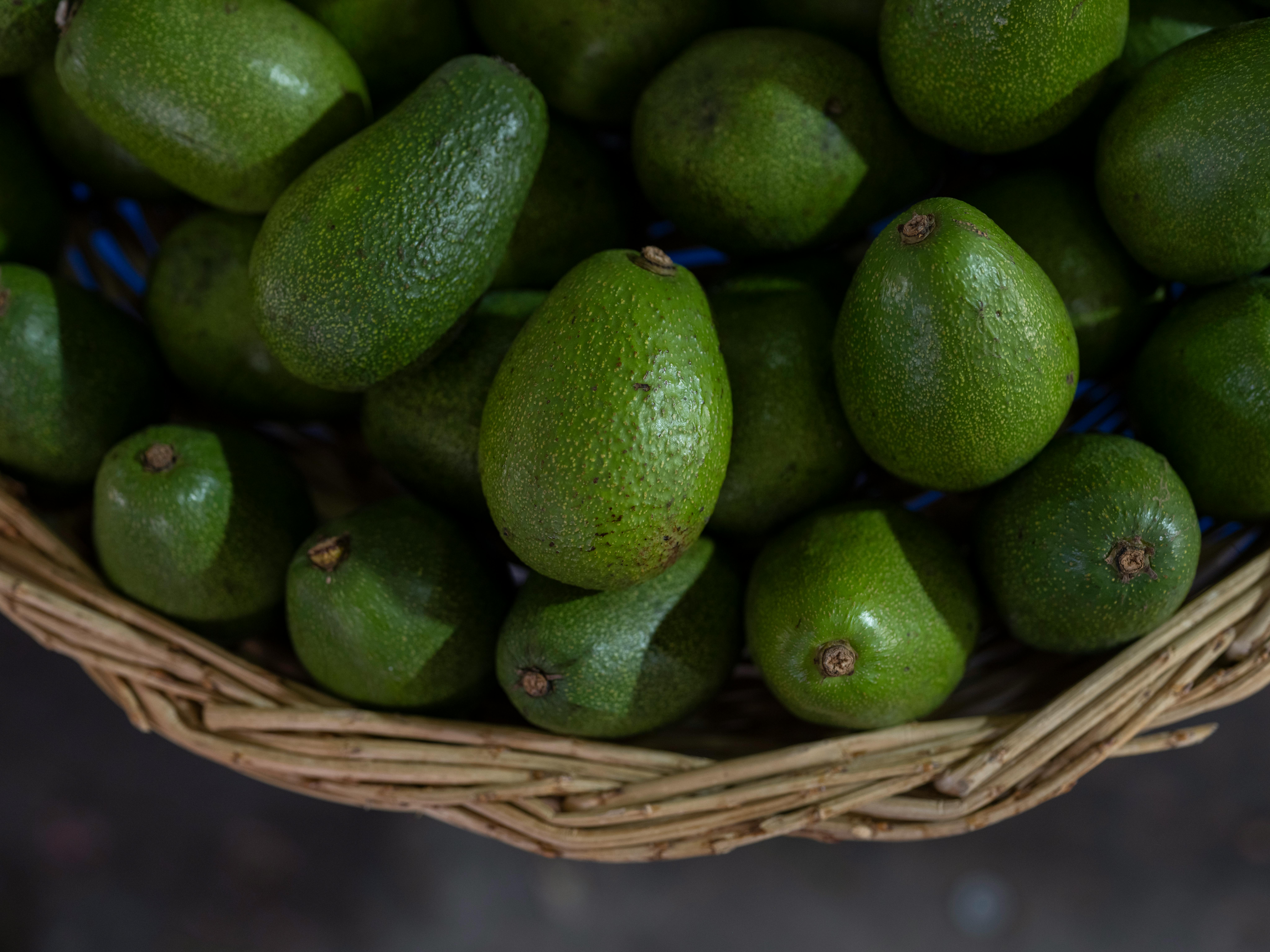
To combat the systemic exploitation faced by smallholder avocado farmers in Kenya, a multi-pronged approach is essential. Empowering farmers requires a combination of legislative action, market reforms, and community-led initiatives.
1. Strengthening Regulatory Frameworks and Enforcement
The absence of clear and enforced regulations has allowed cartels to thrive. Establishing and implementing strict rules regarding pricing, contracts, and quality control is paramount. For example, the Murang'a County government has taken a significant step by formulating a bill to regulate the avocado sector, specifically designed to protect farmers from exploitation by cartels. Such legislative efforts need to be replicated and enforced across all major avocado-producing regions. Furthermore, greater traceability in the horticulture supply chain is becoming law in Kenya, requiring farmers to register and log pesticide use to meet strict EU standards, which can also help in identifying points of exploitation.
2. Promoting Farmer Cooperatives and Collective Bargaining
One of the most effective strategies for smallholder farmers is to unite. Farmer cooperatives allow individual farmers to aggregate their produce, gain economies of scale, and collectively negotiate for better prices with buyers and exporters. This reduces their individual vulnerability to price manipulation and provides access to shared resources such as improved storage facilities, transportation, and market information. Cooperatives can also facilitate direct contracts with exporters, bypassing exploitative middlemen entirely.
3. Enhancing Market Access and Transparency
Direct market access for farmers, through digital platforms or farmer-to-buyer initiatives, can significantly reduce the influence of cartels. Transparency in pricing and supply chain operations is critical. Projects like those with One Acre Fund and Sokolink are actively working to improve fairness, inclusivity, transparency, and traceability within avocado value chains. These initiatives empower farmers with information and direct connections, ensuring they receive a fairer share of the profits. Technologies like blockchain could also play a role in creating immutable records of transactions, increasing accountability across the supply chain.
4. Adopting Sustainable and Quality-Focused Practices
While fighting exploitation, farmers can also focus on enhancing the quality and sustainability of their produce. Adopting sustainable avocado farming techniques not only benefits the environment through biodiversity conservation and improved soil health but also positions farmers to access premium markets. High-quality, sustainably grown avocados fetch better prices and attract reputable buyers committed to ethical sourcing. Embracing practices that enhance soil microbial life and nutrient availability can reduce reliance on synthetic inputs, further benefiting both the farmer and the environment. To delve deeper into sustainable agricultural practices and find resources for improving farm operations, Explore sustainable living solutions with Eco-Oasis Firm.
Case Studies, Examples, or Comparisons
Examining real-world examples can illuminate both the challenges and potential solutions for Kenya's avocado farmers. While direct, detailed case studies on individual farmers combating cartels are often hard to find due to the sensitive nature of the topic, we can look at broader initiatives and comparisons that offer insights.
The Murang'a County Bill: A Local Initiative with National Implications
As noted earlier, Murang'a County stands out for its proactive approach. The county government, recognizing the severe exploitation of its avocado farmers, has drafted a bill aimed at regulating the sector. This legislative effort seeks to control pricing, ensure fair contracts between farmers and buyers, and prevent unwarranted deductions by middlemen. While the full impact and enforcement of such a bill will take time to materialize, it represents a significant step towards creating a fairer trading environment. This local initiative could serve as a model for other counties facing similar challenges, demonstrating the power of localized governance in addressing agricultural exploitation.
The Role of Cooperatives: Learning from Other Agricultural Sectors
While specific detailed case studies for avocado cooperatives combating cartels directly are limited in publicly available information, the success of cooperatives in other Kenyan agricultural sectors offers a template. For instance, coffee and tea cooperatives have historically empowered smallholder farmers by providing collective bargaining power, quality control, and direct market access. These cooperatives manage processing, marketing, and sales, ensuring that a larger share of the final price reaches the farmers. Replicating and strengthening this cooperative model within the avocado sector, possibly with support from NGOs and government agencies, could significantly mitigate cartel influence. Studies have shown that farmers participating in export markets via structured channels, often through groups or direct contracts, derive a greater share of income from their sales compared to those relying on informal local markets (AAEA Annual Meeting Paper, 2018).
International Fair Trade Models
Comparing Kenya's situation with international fair trade models in other fruit sectors, such as bananas or cocoa, provides a vision for the future. Fair trade certification schemes guarantee minimum prices, promote sustainable practices, and ensure transparent supply chains, directly benefiting producers. While implementing such large-scale certification for all Kenyan avocados might be a long-term goal, establishing similar principles within the domestic market could be transformative. Initiatives that partner with organizations like One Acre Fund and Sokolink, focused on building fairness, inclusivity, transparency, and traceability into avocado value chains, are moving in this direction and offer a promising path forward.
Common Mistakes to Avoid
For smallholder avocado farmers in Kenya, avoiding certain pitfalls can be as crucial as adopting best practices in combating exploitation and ensuring profitability. Understanding these common mistakes can empower them to make more informed decisions.
Expert Tips or Best Practices
Empowering smallholder avocado farmers in Kenya against cartel exploitation requires a blend of strategic planning, sustainable practices, and community engagement. Here are some expert tips and best practices:
Future Trends or Predictions
The future of Kenya's avocado industry, especially for its smallholder farmers, presents a complex interplay of growth potential and persistent challenges. Several key trends are likely to shape the landscape in the coming years.
Continued Export Growth and Diversification: Kenya is poised to remain a dominant player in the global avocado market. Projections for 2026 indicate continued expansion, driven by increasing global demand and enhanced productivity. There will likely be a push to diversify export markets beyond Europe, exploring opportunities in Asia and the Middle East, which could create more competition among buyers and potentially benefit farmers. However, logistical issues, as highlighted in some reports, remain a significant hurdle that needs to be addressed for this growth to be fully realized.
Increased Focus on Traceability and Sustainability: Consumer demand for sustainably and ethically sourced produce is growing worldwide. This trend will compel Kenya's avocado industry to adopt stricter traceability measures, environmental certifications, and fair labor practices. The new regulations requiring farmers to register and log pesticide use to meet EU standards are a precursor to this. This could eventually lead to premium pricing for certified sustainable avocados, benefiting smallholder farmers who adopt these practices. This aligns perfectly with the mission to Explore sustainable living solutions with Eco-Oasis Firm.
Technological Integration in the Supply Chain: Digital solutions are likely to play a more significant role in streamlining the avocado supply chain. This includes mobile platforms for market information, digital payment systems that ensure transparent transactions, and potentially blockchain technology for end-to-end traceability. Such innovations could empower farmers with real-time data and direct market access, reducing the reliance on exploitative intermediaries.
Strengthening of Farmer Cooperatives and Associations: The recognition of collective power will likely lead to a resurgence and strengthening of farmer cooperatives. As farmers become more aware of the benefits of collective bargaining and shared resources, these organizations will become crucial in combating cartels and securing fairer prices. Government and NGO support will be vital in facilitating the formation and growth of these groups.
Policy and Regulatory Reforms: The pressure from farmers and civil society organizations will likely drive further policy and regulatory reforms to protect smallholders. Inspired by initiatives like Murang'a County's bill, more counties and potentially the national government may implement stricter laws against price manipulation and exploitation. Effective enforcement will be the key to the success of these reforms.
While the threat of cartels remains a significant challenge, the increasing awareness, technological advancements, and a growing emphasis on ethical sourcing offer a glimmer of hope. The future will depend heavily on collaborative efforts from farmers, government, civil society, and responsible businesses to create a truly equitable and sustainable avocado industry in Kenya.
Conclusion
The narrative of Kenya's avocado industry is one of immense potential marred by systemic exploitation. While the nation proudly stands among the world's leading avocado exporters, the prosperity generated often bypasses the very hands that cultivate this sought-after fruit. Despite record avocado exports, Kenya's smallholder farmers face systematic exploitation, as cartels dictate prices, leaving producers with meager returns. This enduring challenge demands urgent and concerted action from all stakeholders.
Empowering smallholder farmers is not merely an economic imperative but a moral one. By strengthening regulatory frameworks, fostering robust farmer cooperatives, enhancing market transparency through technology, and championing sustainable agricultural practices, we can dismantle the structures of exploitation. The success stories of local legislative efforts and the growing global demand for ethically sourced produce offer a clear path forward. It is time to ensure that the green gold of Kenya truly benefits those who nurture it from the soil. Let us collectively strive for an avocado industry where fairness, sustainability, and prosperity are accessible to every farmer.
We encourage you to learn more about sustainable agriculture and how you can support ethical farming practices. Explore sustainable living solutions with Eco-Oasis Firm and become a part of the movement towards a fairer, greener future.
FAQs
1. How do avocado cartels in Kenya typically operate?
Avocado cartels in Kenya primarily operate by exploiting the lack of market information and bargaining power of smallholder farmers. They often act as middlemen, purchasing avocados at significantly low prices directly from farms during peak season when supply is abundant. These cartels then control transportation, storage, and access to larger markets or exporters, allowing them to dictate higher selling prices and pocket the substantial difference, leaving farmers with minimal profits. They might also engage in illegal harvesting of unripe fruit to meet demand, further impacting quality and the market reputation of Kenyan avocados. (Business Daily Africa, 2020)
2. What specific impact do cartels have on smallholder farmers' incomes?
The impact of cartels on smallholder farmers' incomes is severe and often leaves producers with meager returns. Farmers might sell a kilogram of avocados for as little as KES 5-10 at the farm gate, while the same kilogram can fetch KES 50-100 or more in urban markets or for export. This massive disparity means that farmers receive only a fraction—sometimes less than 10-20%—of the final market value. This income suppression makes it difficult for farmers to reinvest in their farms, improve practices, or provide for their families, trapping them in a cycle of poverty despite cultivating a high-value cash crop. (Standard Digital, 2021)
3. What government actions are being taken to curb cartel activities?
Several government actions are being taken at both national and county levels. A notable example is the Murang'a County government, which has formulated a bill specifically aimed at regulating the avocado sector and protecting farmers from cartel exploitation. This bill seeks to control pricing, establish fair contracts, and ensure transparency. Nationally, there's a growing emphasis on horticulture traceability, with new regulations requiring farmers to register, log pesticide use, and meet stringent international standards, which can help in identifying illegal trading practices. However, effective enforcement of these regulations remains a critical challenge. (Kenya News Agency, 2022)
4. How can smallholder farmers improve their bargaining power against cartels?
Smallholder farmers can significantly improve their bargaining power by forming or joining farmer cooperatives and producer organizations (FPOs). These groups allow farmers to pool their produce, collectively negotiate with buyers, and access better market prices. Cooperatives can also invest in shared resources like storage facilities and transportation, reducing individual farmers' vulnerability to immediate sales at low prices. Additionally, seeking direct market linkages with reputable exporters or processing companies, possibly through fair trade initiatives, can bypass exploitative middlemen. (FAO, Producer Organizations and Agri-business Development)
5. What role does sustainable farming play in empowering avocado farmers?
Sustainable farming plays a crucial dual role in empowering avocado farmers. Firstly, by adopting practices that enhance soil health, biodiversity, and water conservation, farmers can improve the long-term productivity and resilience of their farms, leading to higher quality and consistent yields. Secondly, sustainably grown and often organically certified avocados can command premium prices in niche export markets, attracting buyers committed to ethical sourcing. This diversification of market access reduces reliance on local channels dominated by cartels and provides farmers with a competitive edge, ensuring better returns for their efforts. (ResearchGate, Sustainable Avocado Production in Kenya)
6. What are the long-term economic implications for Kenya if cartel exploitation continues?
The long-term economic implications for Kenya if cartel exploitation continues are dire. It undermines the country's potential to fully capitalize on the booming global avocado market. Continued exploitation discourages smallholder farmers from investing in their land and improving production, leading to stagnated growth, reduced quality, and a loss of competitiveness. It also exacerbates rural poverty and income inequality, potentially leading to social unrest. Ultimately, it damages Kenya's reputation as a reliable and ethical source of agricultural produce on the international stage, hindering future trade relationships and economic development. (USAID, Kenya Horticulture Value Chain Assessment)
Internal Link Suggestions:


0 Comments