

Estimated Reading Time: 11 minutes
Feeding World Vertical Farming
The Vertical Farming Revolutionizes Crop Production as a transformative approach to agriculture that could sustainably feed a growing global population — especially in places like Kenya where arable land is limited but food security is critical. Vertical farming offers innovative ways to grow more crops with less water, space, and environmental impact by stacking layers of plants vertically indoors or in controlled environments.
In this article, we explore the background, strategies, examples, and future trends of vertical farming in Kenya and East Africa, with insights from regional agribusiness trends and sustainable practices. For farmers and agribusinesses seeking practical solutions, we also highlight key tools and products to boost productivity and sustainability.
Table of Contents
- Background & Context
- Key Insights or Strategies
- Case Studies, Examples, or Comparisons
- Common Mistakes to Avoid
- Expert Tips or Best Practices
- Future Trends or Predictions
- Conclusion
- FAQs
Background & Context
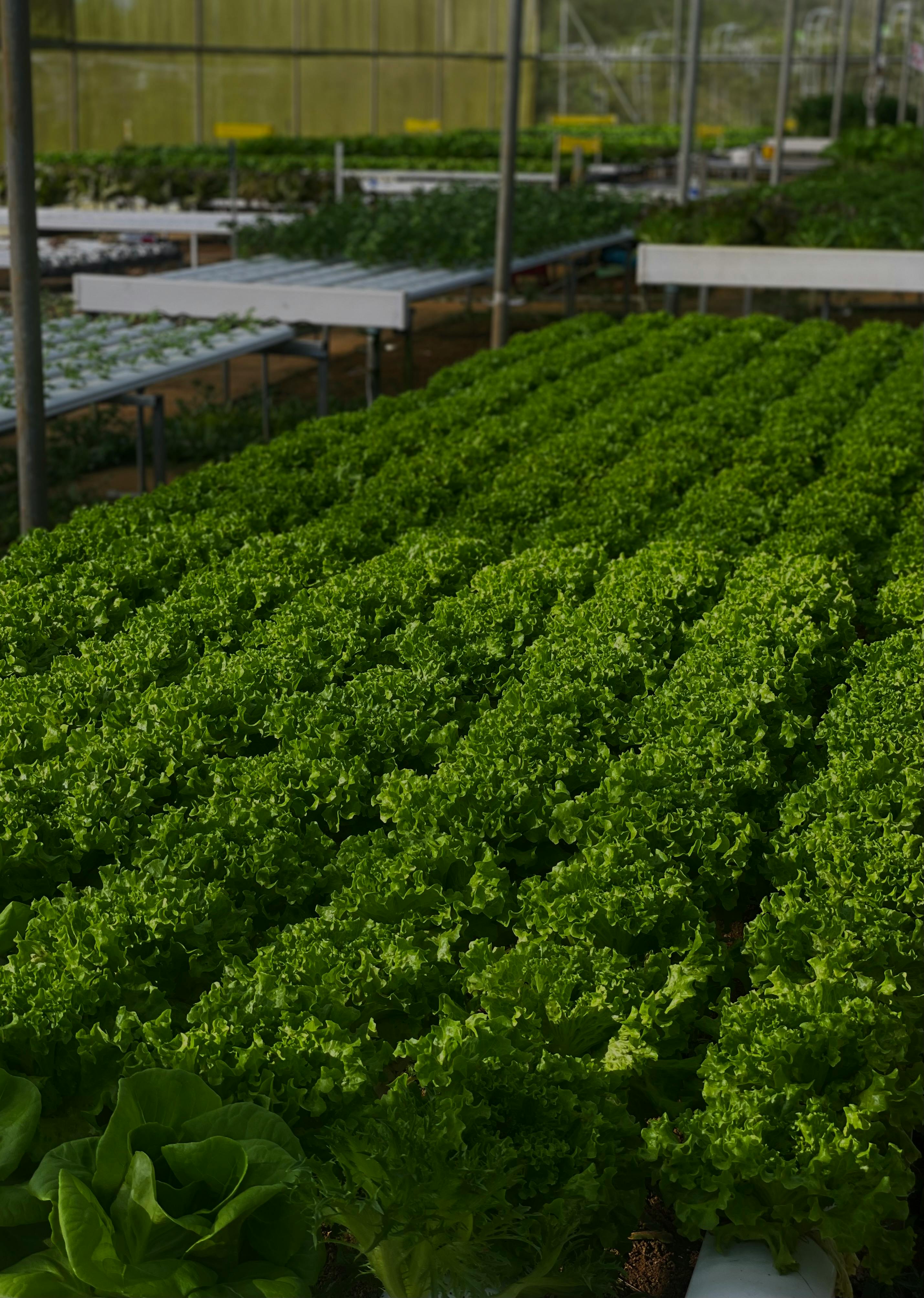
Kenya's agribusiness sector is growing rapidly, driven by a young population and rising demand for food and organic produce. According to recent data, less than 12% of Kenya's land is arable, and traditional farming faces challenges including soil degradation, unpredictable rainfall, and urban expansion.
Organic farming in Kenya is gaining momentum as farmers adopt sustainable practices that improve soil fertility without synthetic chemicals. Vertical farming—an innovative method that grows crops in vertically stacked layers often integrated with controlled-environment agriculture—addresses land limitations by maximizing production in small urban or peri-urban spaces.
Such techniques conserve water, reduce the need for pesticides, and enhance year-round production. These aspects align with Kenya’s National Climate Change Action Plan and food security targets, making vertical farming a promising tool for the region’s future.
Key Insights or Strategies

1. Employ Hydroponics for Soil-Free Cultivation
Hydroponics allows growing plants without soil by using nutrient-rich water solutions, ideal for vertical farms.
- Set up a vertical hydroponic system using stacked trays or towers to maximize space.
- Use water-efficient recirculating systems to reduce water consumption by up to 90% compared to traditional agriculture.
- Choose fast-growing crops such as leafy greens, herbs, and tomatoes suited for hydroponic growth.
- Regularly monitor nutrient solution pH and concentration for optimal plant health.
Boost your yields with the Soil pH & Moisture Tester Kit – available on Amazon. This helps maintain ideal growing conditions critical for hydroponics success.
2. Integrate Drip Irrigation Systems for Precision Watering
Drip irrigation delivers water directly to plant roots, reducing wastage and supporting efficient vertical farming.
- Install a drip irrigation setup with adjustable emitters for each vertical layer to ensure uniform watering.
- Pair the system with timers for automated irrigation schedules tailored to crop needs.
- Use filters and pressure regulators to protect emitters and maintain system longevity.
- Conduct regular maintenance to prevent clogging and detect leaks early.
Consider the CARPATHEN Drip Irrigation System Kit – available on Amazon for a complete and versatile drip irrigation solution suitable for small farms and vertical setups.
3. Employ Soil and Plant Health Testing Tools
Accurate soil testing guides fertilization and nutrient management for optimal plant growth.
- Obtain a reliable soil testing kit to measure pH, nutrient levels, and organic matter.
- Analyze test results regularly, especially when transitioning crops or introducing new vertical farming layers.
- Adjust organic amendments and nutrient dosing accordingly to maintain soil vitality.
- Document test outcomes for continuous improvement and disease prevention in your farm management system.
Reliable soil diagnostics like the Soil Testing Kit – available on Amazon can help you quickly assess vital soil parameters to support healthy crop production.
Explore sustainable organic farming solutions with Biofarm Kenya to source expert knowledge and cutting-edge technologies to complement these strategies.
Case Studies, Examples, or Comparisons
Several Kenyan farmers and agribusiness companies have successfully integrated vertical farming techniques, achieving higher yields with less water and land. For instance, in Nairobi, urban vertical farms supplying leafy greens to supermarkets have reduced dependence on imported produce, improving freshness and supply consistency.
Greenhouse adopters in the Rift Valley have combined vertical hydroponics with solar-powered irrigation, leveraging renewable energy for sustainable crop production. The Food and Agriculture Organization of the United Nations (FAO) supports such innovations as part of Kenya’s climate-smart agriculture initiatives (FAO Kenya).
Comparing traditional open-field farming with vertical setups shows up to a 10x increase in yield per square meter and drastic reductions in water use — vital in a region facing recurrent droughts.
Common Mistakes to Avoid
- Ignoring Crop Light Requirements: Insufficient or uneven lighting can stunt growth. Use supplemental LED grow lights when natural light is inadequate.
- Poor Nutrient Management: Over or under-fertilization leads to weak plants or waste. Perform regular soil and solution testing.
- Neglecting Pest and Disease Control: Closed environments can still harbor pests. Implement integrated pest management early.
- Improper Watering Practices: Over-watering or clogged irrigation reduces oxygen to roots. Maintain irrigation systems diligently.
- Inadequate System Maintenance: Failure to clean hydroponic equipment or replace components causes production losses.
Correcting these prevents crop loss and helps sustain year-round productivity in vertical farms.
Expert Tips or Best Practices
Experts recommend adopting these best practices tailored for Kenya's context:
- Start Small and Scale: Pilot vertical farming with manageable crop types such as spinach or kale, then expand when familiar with system management.
- Monitor Environmental Conditions Constantly: Temperature, humidity, and CO2 levels influence productivity. Use sensors for real-time feedback.
- Focus on Organic Inputs: Enhance soil and plant health with compost and organic fertilizers rather than synthetic chemicals.
- Engage With Local Agritech Networks: Collaborate with groups like Biofarm Kenya for resources and training.
Maintain healthy soil with the Organic Compost Starter Mix – available on Amazon to enrich your growing media naturally.
Explore sustainable organic farming solutions with Biofarm Kenya to access tailored expertise and innovations that fit local farming systems.
Future Trends or Predictions
Looking ahead, vertical farming in Kenya and East Africa is poised to integrate more smart agriculture technologies:
- AI-Driven Crop Monitoring: Sensors and AI algorithms will optimize watering, nutrient dosing, and pest control automatically.
- Smart Irrigation Systems: IoT-enabled drip irrigation reducing labor and enhancing water efficiency.
- Renewable Energy Integration: Solar and biogas powering vertical farms to reduce carbon footprints.
- Advanced Genetic Crop Varieties: Development of crop strains tailored for vertical environments with faster growth and higher nutrition.
These innovations will help vertical farming fulfill its potential as a sustainable, scalable solution for food security in Kenya and beyond.
Conclusion
The Vertical Farming Revolutionizes Crop Production by offering innovative, sustainable solutions to Kenya's agricultural challenges. By embracing hydroponics, drip irrigation, and organic soil management, farmers can boost yields while conserving resources.
For those eager to start or expand vertical farming ventures, discover trusted organic farming tools on Amazon and learn more about sustainable solutions with Biofarm Kenya.
FAQs
1. What is vertical farming and how does it work?
Vertical farming is an agricultural technique that grows crops in vertically stacked layers, often in controlled environments using hydroponics or aeroponics. It maximizes space usage and allows year-round crop production. More information on sustainable farming from the FAO can be found here.2. How suitable is vertical farming for small-scale farmers in Kenya?
Vertical farming can be adapted for small-scale operations, especially in urban or peri-urban settings where space is limited. It offers efficient resource use and crop diversification. Biofarm Kenya provides support for smallholder adoption here.3. What crops grow best in vertical farms?
Leafy greens like spinach, kale, lettuce, herbs, and some fruits like strawberries thrive in vertical farms due to their relatively short growth cycles and space-efficient nature. The Ministry of Agriculture Kenya offers crop recommendations here.4. How can vertical farming help with water conservation?
Vertical farming uses closed-loop water systems such as hydroponics that recirculate water, reducing consumption by up to 90% compared to conventional farming. Drip irrigation also targets water delivery directly to roots. NEMA Kenya highlights water efficiency techniques here.5. What common challenges do vertical farmers face?
Challenges include initial setup costs, technical knowledge requirements, pest management in enclosed spaces, and maintaining precise environmental controls. Extension services by KEBS offer guidelines on best practices here.6. Where can I get affordable vertical farming equipment in Kenya?
Biofarm Kenya partners with local and international suppliers to provide affordable and sustainable farming tools tailored for vertical farming. Visit their partner network for options here.
Key Takeaways
- Vertical farming uses stacked layers and hydroponics to maximize space and increase crop production.
- Water-efficient techniques like drip irrigation and recirculation reduce resource use.
- Monitoring and maintaining soil and environmental conditions are critical for success.
- Examples in Kenya show vertical farming can improve food security and sustainability.
- Emerging trends like AI and smart irrigation will further enhance vertical farming viability.
TL;DR
- Vertical farming is revolutionizing sustainable crop production, especially in space-limited regions like Kenya.
- Key strategies include hydroponics, precision irrigation, and soil health monitoring.
- Local success stories validate its promise for food security.
- Common pitfalls include poor system maintenance and nutrient mismanagement.
- Future innovations will make vertical farming more efficient and scalable.


0 Comments