

Estimated Reading Time: 15 minutes
TL;DR: Discover sustainable hybrid farming methods to boost soil fertility in Kenya. Learn how integrating organic composting, legume intercropping, and reduced chemical inputs can improve yields and soil health.
Background & Context
In recent years, Kenyan farmers have increasingly prioritized sustainable soil fertility solutions amid rising input costs and climate stress. This approach focuses on integrating organic composting and legume intercropping to minimize the use of chemical fertilizers—halving their application to cut costs and environmental impact. Evidence from KALRO 2025 trials shows that this hybrid method improves soil organic matter by 30% and boosts maize yields by 18% over three years, challenging conventional high-input practices.
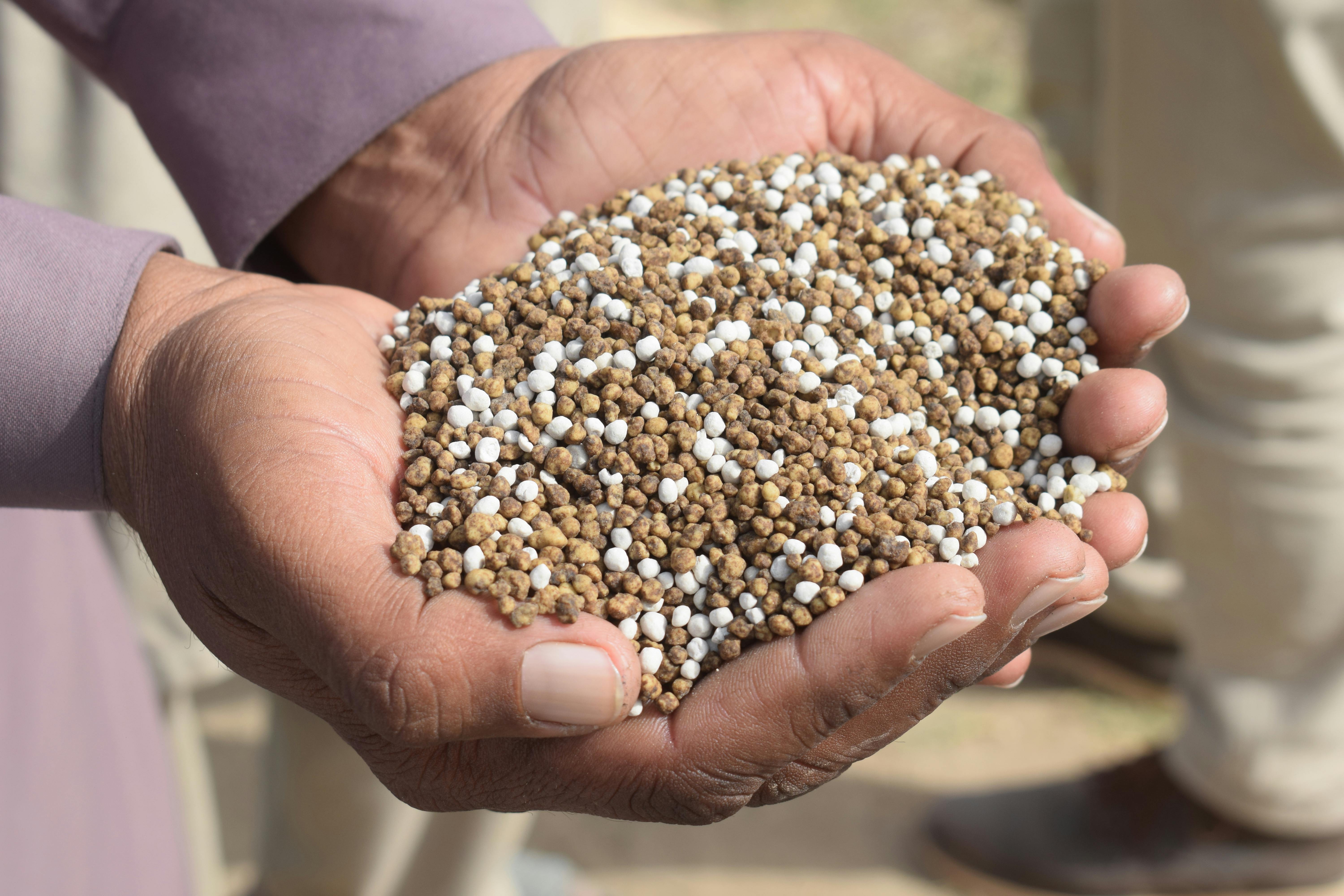
According to Organics Crop Care, organic farming in East Africa is growing as farmers seek sustainable solutions to improve soil health and yield quality. This transition supports environmental conservation, promoting healthier crops and communities.
Key Insights or Strategies
1. Soil Testing and Minimal Chemical Use
It is crucial to begin with soil testing to optimize the minimal use of chemicals. Utilizing a reliable kit like the MySoil Soil Test Kit can help you understand your soil’s current nutrient status and requirements.
- Conduct thorough soil tests to determine nutrient levels.
- Apply chemical fertilizers only where necessary, reducing quantities by 50%.
- Regularly monitor soil health to adjust fertilizer applications accordingly.
2. Intercropping with Nitrogen-Fixing Legumes
Intercropping with legumes like cowpeas enhances nitrogen availability in the soil, promoting sustainable growth. Consider using a drip irrigation system, such as the RAINPOINT Drip Irrigation System, to efficiently water intercropped fields.
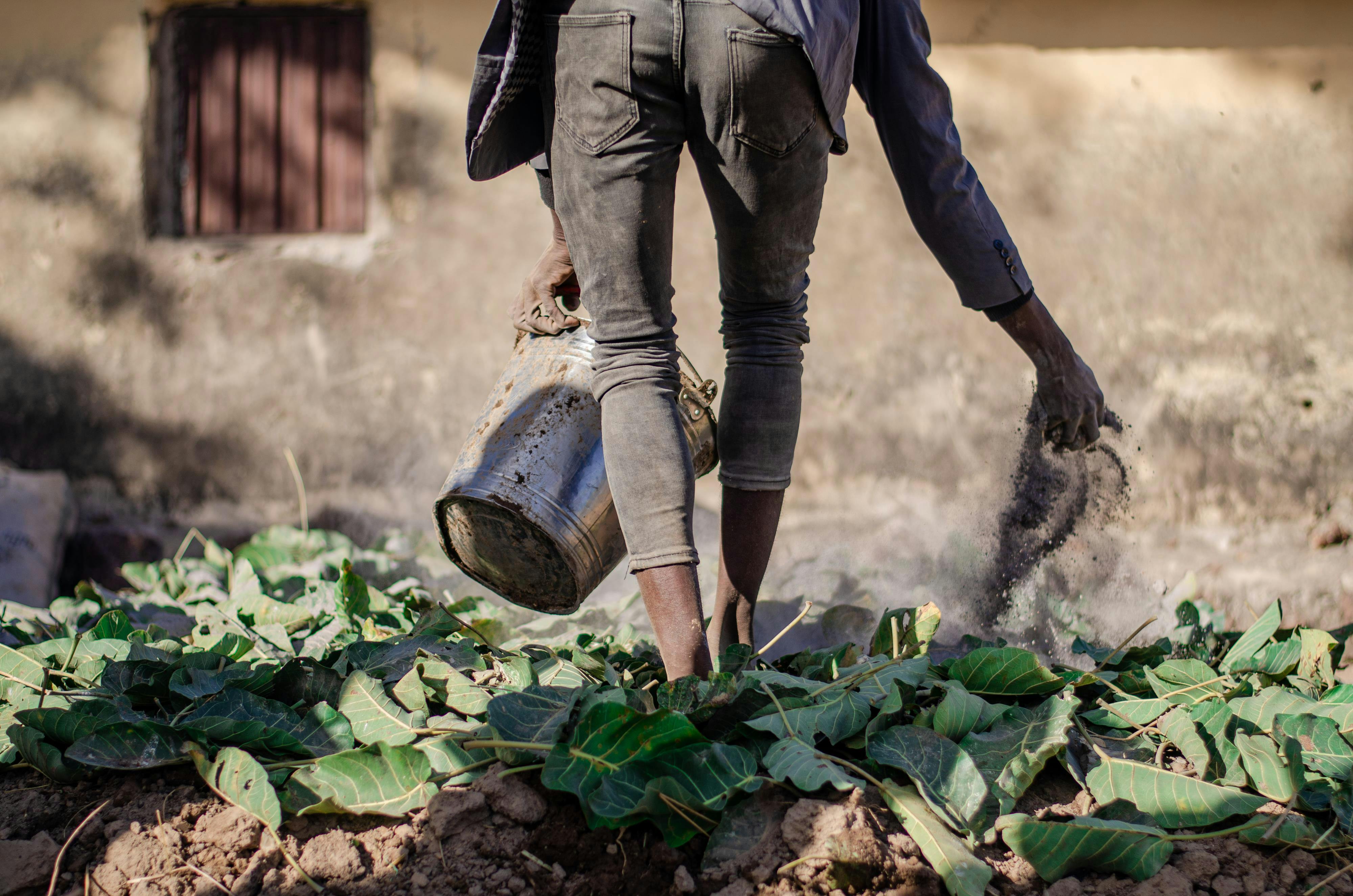 Explore sustainable organic farming solutions with Biofarm Kenya
Case Studies, Examples, or Comparisons
Kenyan farmers have successfully adopted these hybrid farming methods. For example, a farmer in Nakuru reported a 20% increase in yield after implementing intercropping and organic composting. According to the Farm Africa, sustainable practices are pivotal for boosting productivity and improving livelihoods for small-scale farmers.
Common Mistakes to Avoid
- Overuse of chemical fertilizers: Avoid blanket applications; use only where soil tests indicate deficiency.
- Poor irrigation management: Ensure efficient water use through drip systems to prevent waterlogging.
- Ignoring crop rotation: Rotate crops to prevent pest build-up and improve soil health.
Expert Tips or Best Practices
Incorporating organic compost is essential. Use products like the Drammatic® Organic™ Original Fertilizer to boost soil nutrition. Regular compost application enriches soil microbial diversity and structure.
Explore sustainable organic farming solutions with Biofarm KenyaFuture Trends or Predictions
Innovations such as smart irrigation, AI-driven crop monitoring, and vertical farming are expected to shape the future of agriculture. As technology advances, these tools will help farmers optimize resource use and improve yields sustainably.
Conclusion
The hybrid approach to farming, which reduces chemical fertilizer use and incorporates natural solutions like legume intercropping and compost, supports long-term soil health. Discover trusted organic farming tools on Amazon and learn more about sustainable solutions with Biofarm Kenya.
FAQs
1. What are the benefits of organic farming?
Organic farming enhances soil health, reduces pollution, and produces healthier crops. More details at UNCTAD.
2. How do nitrogen-fixing plants improve soil fertility?
Nitrogen-fixing plants like legumes convert atmospheric nitrogen into forms that are usable by plants, enriching the soil. Learn more from Farm Africa.
3. What is the significance of soil testing?
Soil testing helps determine nutrient levels, ensuring the right amount of fertilizers are applied. The CIFORD Kenya provides further insights.
4. How can drip irrigation benefit farmers?
Drip irrigation saves water and nutrients by allowing water to drip slowly to the roots of plants, either onto the soil surface or directly onto the root zone. More information is available on GreenLife.
5. Why is crop rotation important?
Crop rotation prevents pest build-up and improves soil structure and fertility. Details can be found at the Sustainable Agriculture Foundation.
6. What role does Biofarm Kenya play in sustainable agriculture?
Biofarm Kenya provides support and solutions for sustainable farming practices. Visit Biofarm Kenya for more.


0 Comments