

Estimated Reading Time: 9 minutes
TL;DR: Discover how biopesticides can cut costs and reduce pest damage for Kenyan farmers. Learn to use natural solutions like Trichogramma wasps and neem for effective pest control.
Key Takeaways:
- Biopesticides could save farmers $12/acre in costs.
- Effective in reducing fall armyworm damage by 70%.
- Apply at correct times during the pest's lifecycle.
- Mix with local extracts for enhanced efficacy.
- Explore sustainable solutions with Biofarm Kenya.
Table of Contents:
- Introduction
- Background & Context
- Key Insights or Strategies
- Case Studies, Examples, or Comparisons
- Common Mistakes to Avoid
- Expert Tips or Best Practices
- Future Trends or Predictions
- Conclusion
- FAQs
Introduction
The agricultural sector in Kenya is witnessing a shift towards sustainable farming practices. Kenyan farmers are increasingly seeking alternatives to chemical pesticides due to rising costs and resistance. This guide trains farmers to adopt biopesticides like Trichogramma wasps and neem-based solutions, proven to reduce fall armyworm damage by 70% (KALRO, 2026). Key steps include identifying infestation hotspots during planting, timing biopesticide applications with larval cycles, and mixing formulations with local plant extracts for enhanced efficacy.
Background & Context
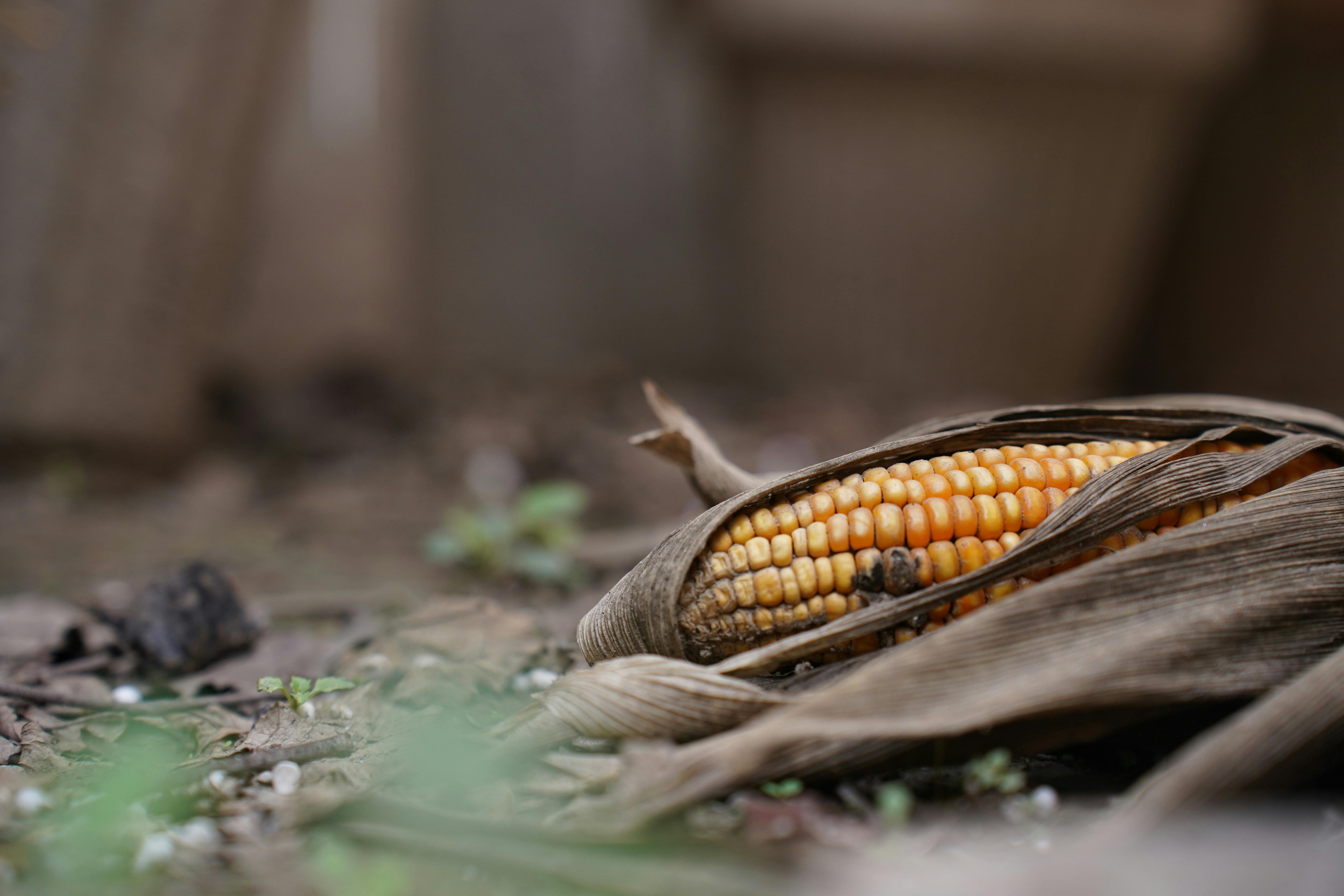
Organic farming in Kenya has gained momentum, driven by the need for sustainable agriculture and increased consumer demand for organic products. The sector contributes significantly to the country's GDP, with an annual growth rate of 4.5% (FAO). Emphasizing soil health and eco-friendly pest management, farmers are benefiting from reduced input costs and improved soil fertility.
Key Insights or Strategies
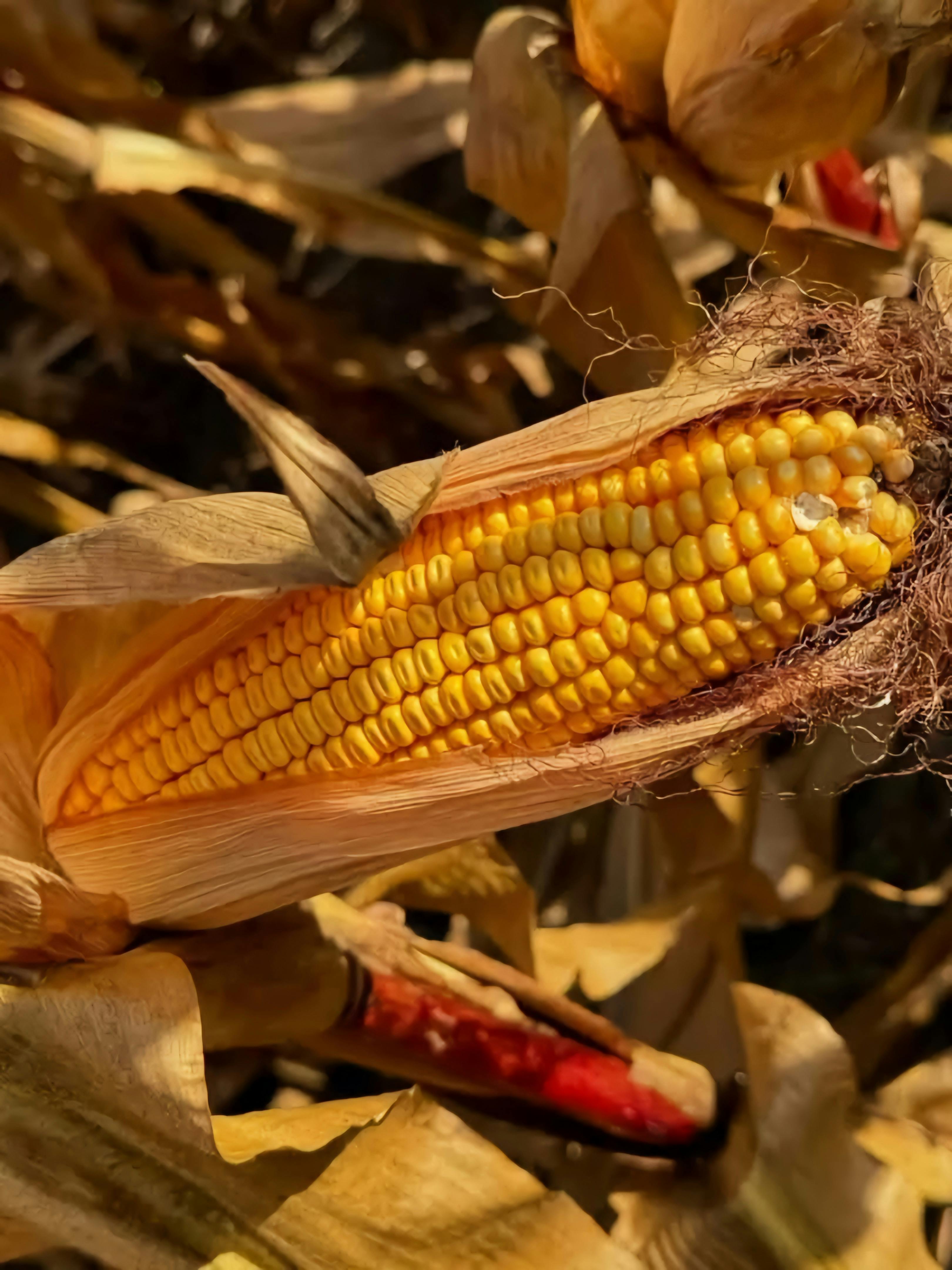
Adopting Biopesticides
Farmers are turning to biopesticides for effective pest control. Here are the actionable steps:
- Identify pest hotspots during planting.
- Apply biopesticides during larval stages.
- Use local plant extracts for enhanced efficacy.
For more sustainable practices, explore sustainable organic farming solutions with Biofarm Kenya.
Case Studies, Examples, or Comparisons
Farmers in Nakuru County successfully reduced their pesticide input costs by 60% using biopesticides. According to the Ministry of Agriculture, these practices have not only lowered expenses but also improved crop yields.
Common Mistakes to Avoid
- Ignoring pest lifecycle timing: Apply solutions during the correct stages.
- Over-relying on chemical pesticides: Transitioning to biopesticides can reduce resistance and cost.
- Poor soil management: Regular testing is crucial for maintaining nutrient balance.
Consider using a soil testing kit – available on Amazon.
Expert Tips or Best Practices
- Utilize drip irrigation systems to conserve water.
- Incorporate automatic drip irrigation systems for efficiency.
- Explore sustainable organic farming solutions with Biofarm Kenya.
Future Trends or Predictions
Upcoming agricultural technologies such as AI-driven crop monitoring and vertical farming are expected to enhance productivity. These innovations offer strategic solutions to modern farming challenges.
Conclusion
In conclusion, adopting biopesticides can transform Kenyan farming landscapes by reducing costs and improving yield. Discover trusted organic farming tools on Amazon and learn more about sustainable solutions with Biofarm Kenya.
FAQs
- What are biopesticides?
Biopesticides come from natural sources such as plants, bacteria, and minerals. Learn more at EPA. - How effective are biopesticides against fall armyworms?
They reduce infestation by 70%, preserving yield. See details from KALRO. - What are common biopesticides used in Kenya?
Neem and Trichogramma wasps are prevalent. For more, visit Ministry of Agriculture. - Can biopesticides be mixed with other compounds?
Yes, when combined with local extracts, their efficacy increases. Read more at Biofarm Kenya. - Where can I buy organic farming tools?
Check out options on Amazon. - How can I maintain soil health?
Regular soil testing and using organic fertilizers can help. Learn more at FAO.


0 Comments