

Estimated Reading Time: 13 minutes
TL;DR: Revolutionary vertical farming is transforming agriculture in Kenya with high yields and sustainable practices. Organic farming and soil fertility improvements are critical for profitable agribusiness. Smart irrigation and greenhouse kits boost productivity, while avoiding common agricultural mistakes maximizes returns. Explore innovative farming methods and trusted organic solutions from Biofarm Kenya to future-proof your farm.
Key Takeaways:
- Integrate revolutionary vertical farming to boost yields on limited land.
- Adopt organic fertilizers and soil testing for optimal soil health.
- Use drip irrigation systems to conserve water and improve efficiency.
- Consider mini greenhouse kits to extend growing seasons and protect crops.
- Partner with Biofarm Kenya to access sustainable farming tools and advice.
Table of Contents
- Introduction
- Background & Context
- Key Insights or Strategies
- Case Studies, Examples, or Comparisons
- Common Mistakes to Avoid
- Expert Tips or Best Practices
- Future Trends or Predictions
- Conclusion
- FAQs
Introduction
Kenya’s agricultural landscape is rapidly evolving with innovative and sustainable methods gaining momentum. Among these, revolutionary vertical farming takes center stage. This modern technique offers promising solutions for smallholder farmers and agribusinesses aiming to maximize yields on limited land while preserving the environment. In the face of climate change and population growth, adopting sustainable farming practices is no longer optional but essential for prosperity. This article explores practical farming ideas for 2026, emphasizing organic farming, soil fertility, efficient water use, and technology adoption tailored for Kenyan farmers.
Background & Context
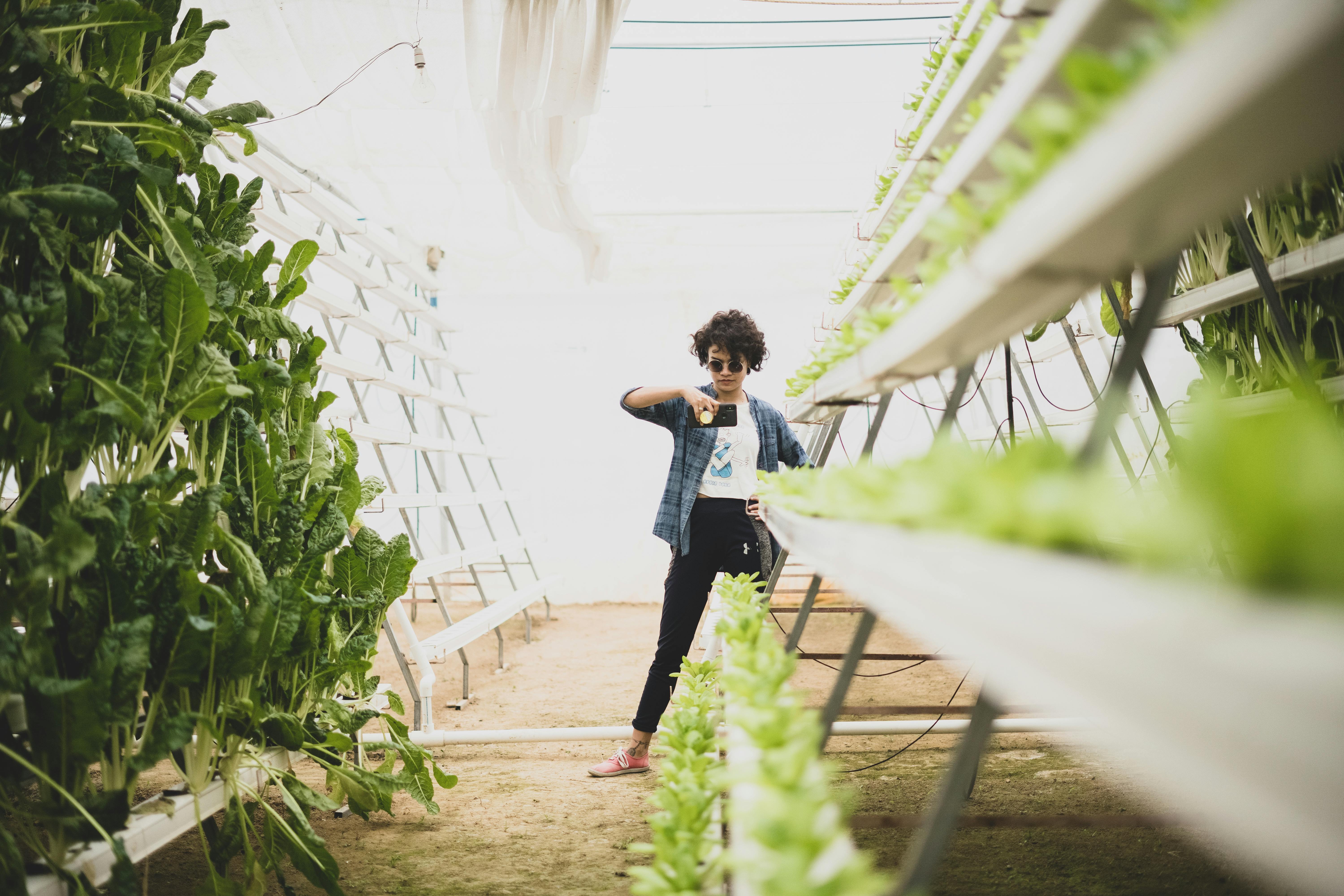
Kenya’s agribusiness sector continues to grow, contributing over 33% to the national GDP and employing more than 75% of the rural population. With increasing demand for organic and sustainably produced food, organic farming is becoming a viable profitable venture. According to the Ministry of Agriculture, soil fertility improvements through organic practices and integrated pest management have seen yield increases of up to 25% in some regions. Sustainable farming methods help conserve natural resources, enhance biodiversity, and improve resilience against erratic rainfall patterns typical of East Africa.
Key Insights or Strategies
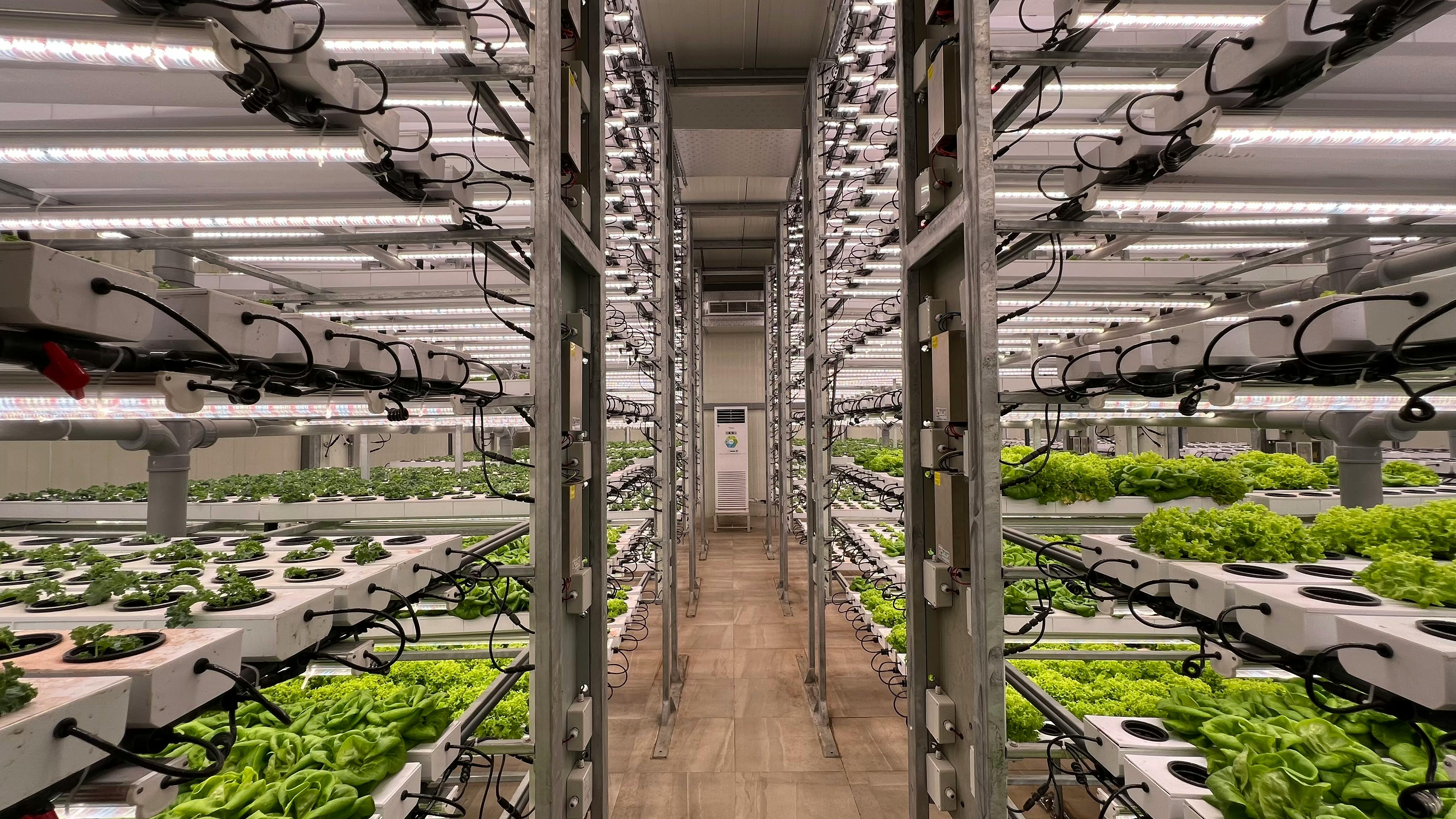
1. Embrace Vertical Farming for Space Optimization
Vertical farming uses vertically stacked layers to grow crops indoors or in controlled environments. This method drastically increases production per square meter and reduces dependency on arable land.
- Set up vertical racks or towers suitable for leafy greens, herbs, and other high-value crops.
- Use hydroponics or aeroponics to minimize soil use and water consumption.
- Maintain controlled temperature, humidity, and lighting to optimize plant growth year-round.
This technique is highly scalable—from small home-based systems to commercial farms—making it perfect for Kenya’s urban and peri-urban farmers.
2. Improve Soil Health with Organic Fertilizers and Testing
Maintaining soil fertility is central to sustainable farming and achieving high returns.
- Regularly test soil pH, nitrogen, phosphorus, and potassium levels to tailor fertilizer use effectively.
- Incorporate organic compost and manure to enrich soil microbial life and structure.
- Avoid overuse of chemical fertilizers to prevent soil degradation and water pollution.
Boost your yields with the Soil pH & Moisture Tester Kit – available on Amazon, a handy tool for farmers to monitor soil health on the go.
3. Adopt Efficient Irrigation: Drip Systems
Water scarcity remains a challenge in many Kenyan farming regions. Efficient water use can improve crop productivity without stressing the resource.
- Install drip irrigation to deliver water directly to plant roots, reducing evaporation losses.
- Use timers and sensors to automate irrigation schedules and avoid overwatering.
- Regularly check for leaks and maintain the system for durability.
Consider the Raindrip R560DP Automatic Drip Watering System – available on Amazon to get started with a reliable and user-friendly kit.
Explore sustainable organic farming solutions with Biofarm Kenya to access expert products and guidance tailored to your farm’s needs.
Case Studies, Examples, or Comparisons
Kenyan farmers such as those in Kiambu County have successfully adopted greenhouse farming and vertical farming techniques to increase production of vegetables and herbs. According to the Food and Agriculture Organization (FAO), greenhouses can boost yields by up to 30–40% by creating ideal microclimates and extending growing seasons.
One notable example is a smallholder cooperative near Nairobi that integrated vertical farming towers with drip irrigation producing year-round leafy greens supplied to local markets and supermarkets. Their organic certification and eco-friendly practices attracted premium prices.
The National Environment Management Authority (NEMA) reports that proper management of organic waste and resource-efficient farming technologies reduce environmental degradation, ensuring agriculture’s sustainability and profitability in Kenya.
Common Mistakes to Avoid
- Poor Soil Testing: Applying fertilizer without testing can lead to nutrient imbalances and wasted inputs.
- Over-irrigation or Under-irrigation: Both can stress plants and reduce yield; drip irrigation requires calibration.
- Neglecting Pest Management: Ignoring integrated pest management can cause crop losses and higher post-harvest damage.
- Ignoring Crop Rotation: Continuous monoculture depletes soil nutrients and promotes disease buildup.
Correct these errors by regular soil analysis, adapting irrigation schedules, monitoring pests, and diversifying crops.
Expert Tips or Best Practices
Maintain healthy soil with a balanced combination of organic amendments and fertilizers. Use mulch to conserve moisture and improve soil temperature regulation. Rotate crops annually to maintain soil fertility and reduce pest pressure.
For farmers looking to boost composting efficiency, the Organic Compost Starter Mix – available on Amazon is an excellent choice for starting nutrient-rich compost batches at home or on the farm.
Practice micro-irrigation techniques alongside vertical farming setups to maximize space and resource use. Train farmworkers on sustainable practices and document all inputs to monitor farm performance.
Explore sustainable organic farming solutions with Biofarm Kenya for tools, training, and partnerships that empower your farm’s growth sustainably.
Future Trends or Predictions
The next wave of agricultural innovation in Kenya revolves around smart farming: integrating AI crop monitoring drones, data-driven irrigation systems, and controlled-environment agriculture like vertical farms.
Urban farming using vertical techniques will grow as city populations increase and demand fresh produce locally. Advances in renewable energy will help power greenhouses and hydroponic setups sustainably.
The government and private sector are supporting young agripreneurs through innovation hubs, grants, and training to adopt these future-forward technologies that increase profitability while protecting the environment.
Conclusion
Adopting revolutionary vertical farming and sustainable agribusiness practices in Kenya offers promising ways to increase productivity and profitability. Combining organic soil management, efficient irrigation, and modern greenhouse solutions creates resilient farms capable of thriving despite climate challenges.
Discover trusted organic farming tools on Amazon, and learn more about sustainable solutions with Biofarm Kenya.
FAQs
1. What is vertical farming and how does it benefit Kenyan farmers?
Vertical farming is the practice of growing crops in stacked layers in controlled environments, often using hydroponics or aeroponics. It benefits Kenyan farmers by maximizing yields on small plots, using less water, and allowing year-round production. (Source: FAO)
2. How can I test my soil quality effectively in Kenya?
Testing soil pH and nutrient levels using kits or agricultural extension services helps tailor fertilizer use and improve crop yields. Reliable kits like the Soil pH & Moisture Tester Kit are accessible for on-farm testing. Consult KEBS or Ministry of Agriculture for standards. (Source: KEBS)
3. What are recommended irrigation systems for smallholder farmers?
Drip irrigation systems are highly recommended because they deliver water directly to plant roots, reducing waste. Systems like the Raindrip Drip Watering Kit offer affordability and easy installation for small farms. (Source: NEMA)
4. How does organic farming impact soil fertility?
Organic farming increases soil organic matter and microbial activity, improving nutrient cycling and water retention. It reduces reliance on chemical fertilizers, enhancing long-term soil health. (Source: Biofarm Kenya)
5. Are greenhouse farming options viable for Kenyan small-scale farmers?
Yes, mini and medium-sized greenhouse kits improve crop protection and season extension. Such investments can boost yields and vegetable quality, providing premium market opportunities. (Source: FAO)
6. What are the common mistakes in sustainable farming to avoid?
Common mistakes include neglecting soil testing, improper irrigation scheduling, ignoring pest control, and monoculture without rotation. Avoid these by adopting integrated soil fertility, water, and pest management approaches. (Source: Biofarm Kenya)
References & Partner Links
- Food and Agriculture Organization (FAO)
- National Environment Management Authority (NEMA)
- Kenya Bureau of Standards (KEBS)
- Kenya Ministry of Agriculture
- Biofarm Kenya Sustainable Farming Solutions
- Explore sustainable organic farming solutions with Biofarm Kenya
- Learn about organic fertilizers and soil management at Biofarm Kenya
- Access drip irrigation support through Biofarm Kenya
- Discover greenhouse and vertical farming setups via Biofarm Kenya
- Get expert farming tips from Biofarm Kenya partners
- Join Biofarm Kenya's network for sustainable agriculture


0 Comments