

Estimated Reading Time: 13 minutes
TL;DR
- The Vertical Farming Revolutionizes Food Production in Kenya by maximizing space through multi-layer crop cultivation, addressing urban land scarcity.
- Vertical farming integrates advanced technologies to provide sustainable, year-round pesticide-free crop growth, supporting food security and organic agriculture.
- Using organic fertilizers, precise soil testing kits, and drip irrigation can optimize vertical farm productivity and sustainability.
- Local farmers and innovators in Kenya have successfully adopted vertical farming, showcasing its economic and environmental benefits.
- Future trends include smart agriculture technologies like AI-driven monitoring and renewable energy integration to advance vertical farming.
Key Takeaways
- Adopt vertical farming techniques such as hydroponics, aeroponics, and controlled environment agriculture to boost productivity in limited urban spaces.
- Utilize organic fertilizers and soil testing kits to maintain soil health and improve crop yields sustainably.
- Implement drip irrigation systems for efficient water management in vertical farms.
- Learn from Kenyan farmers’ success stories to overcome common pitfalls in soil management and irrigation.
- Explore sustainable organic farming solutions with Biofarm Kenya to access tools and expert guidance.
Table of Contents
Introduction
Sustainable agriculture in Kenya is undergoing a groundbreaking transformation as the Vertical Farming Revolutionizes Food Production paradigm gains momentum. With Kenya’s expanding urban population and increasing pressure on arable land, innovative farming methods such as vertical farming are proving essential for enhancing food security. This method allows crops to be cultivated in stacked layers, significantly improving space efficiency and enabling year-round production without heavy reliance on traditional soil farming.
This article explores the rapidly-evolving vertical farming landscape in Kenya, highlighting its organic and technological integration, practical strategies, and benefits for smallholder farmers and urban agriculture. We delve into the latest trends, tools, and expert advice tailored for East African conditions.
Background & Context
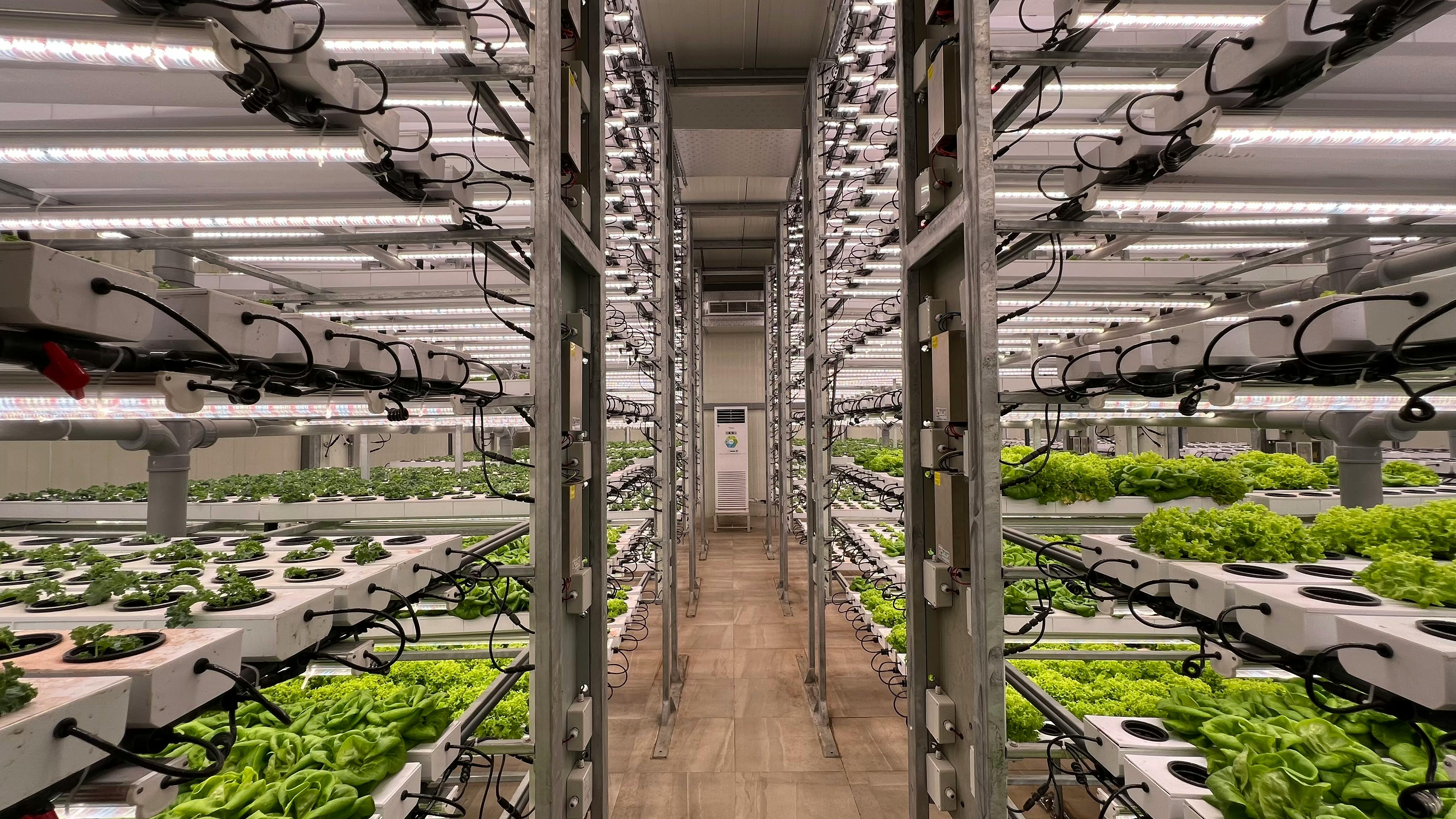
Kenya’s agricultural sector is a cornerstone of its economy, employing over 40% of the population and contributing roughly 33% to the GDP. However, challenges such as land fragmentation, climate variability, and soil degradation place pressure on food production systems. Organic farming practices are increasingly adopted to counteract soil fertility loss, reduce chemical inputs, and boost biodiversity.
Agribusiness in Kenya is projected to grow steadily, with vertical farming emerging as a sustainable solution to optimize limited land and resource use. According to a global market report, the vertical farming industry is expected to reach USD 33.4 billion by 2026, driven by consumer preference for pesticide-free, organic produce and urban food demands.
Biofarm Kenya plays a vital role in empowering farmers by providing access to sustainable farming innovations and organic inputs suitable for these emerging methods.
Key Insights or Strategies
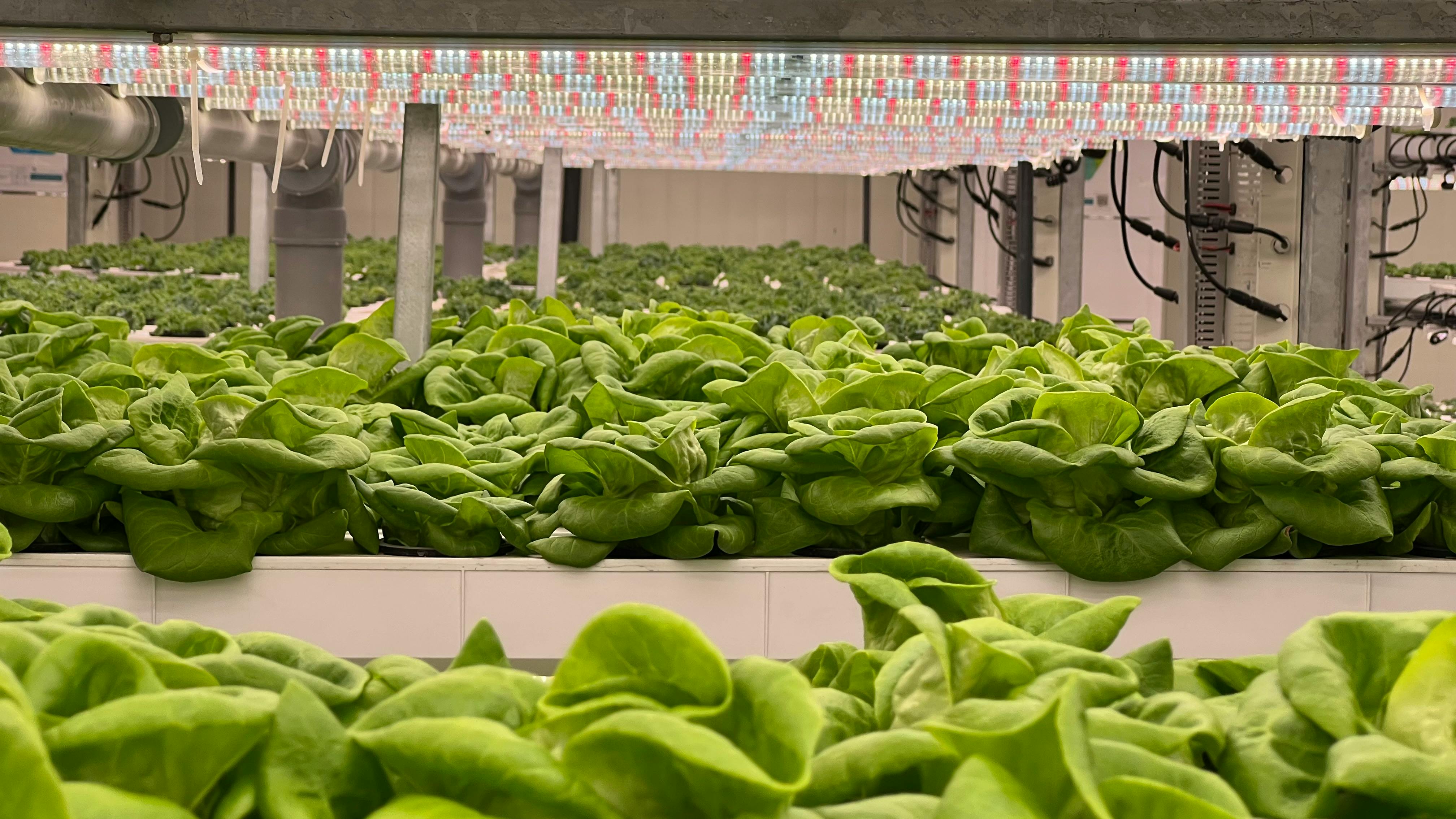
1. Implement Controlled Environment Systems
- Choose suitable vertical farming techniques — hydroponics, aeroponics, or container farming — depending on space and crop type.
- Use greenhouses or indoor controlled environments to regulate temperature, humidity, and light for consistent crop yields.
- Incorporate LED lighting to maximize photosynthesis year-round.
These practices address urban space constraints and improve water and pesticide use efficiency. For Kenyan urban growers, this is a leap towards year-round vegetable and herb supply.
Boost your yields with the MySoil Soil Test Kit – available on Amazon, which helps accurately measure key nutrient levels for optimal plant growth.
2. Use Organic Fertilizers and Amendments
- Apply organic fertilizers such as bone meal, compost, and natural humic substances to enhance soil biology in vertical farms with soil beds.
- Regularly test soil pH and nutrient content to maintain balance using reliable soil testing kits.
- Source fertilizers thoughtfully to avoid chemical run-offs and maintain organic certification where applicable.
For sustainable nutrient management, the use of Wallace Organic Wonder, Soluble Humic & Fulvic Acid Powder – available on Amazon, can stimulate soil microbial activity and nutrient uptake in plants.
3. Optimize Water Usage through Drip Irrigation
- Install drip irrigation systems customized to vertical farm structures for precise water delivery.
- Automate irrigation schedules to ensure plants receive adequate moisture without wastage.
- Regularly maintain tubing and emitters to prevent leaks and blockages.
Drip irrigation is especially vital in Kenya’s often water-scarce regions and helps reduce operational costs. Consider the CARPATHEN Drip Irrigation System Kit – available on Amazon for an efficient garden watering solution adaptable to greenhouses and raised beds.
Explore sustainable organic farming solutions with Biofarm Kenya to source innovative inputs and expert advisory services to support your vertical farming journey.
Case Studies, Examples, or Comparisons
Farmers Kimani and Mwithiga in Nairobi have pioneered vertical farming setups on their balconies, producing vegetables year-round, proving urban households can contribute to food security while saving space. Their approach uses vertical racks, hydroponic nutrient delivery, and organic pest management.
According to a study published by Royal Seedlings Murang’a, vertical farming has improved local yields and reduced food spoilage by shortening supply chains in Kenyan urban areas. Moreover, the Food and Agriculture Organization (FAO) emphasizes vertical farming’s role in reducing land degradation while enhancing productivity in densely populated regions.
National Environment Management Authority (NEMA) Kenya supports such initiatives under its green economy goals, promoting clean and sustainable technologies.
Common Mistakes to Avoid
- Ignoring soil and water testing: Without regular testing, nutrient imbalances can stunt plant growth or cause toxicities.
- Overusing chemical fertilizers: This can degrade soil health and contaminate crops, counteracting organic farming goals.
- Poor irrigation setup: Overwatering leads to root diseases; underwatering causes stress and yield loss.
- Choosing unsuitable crops: Not all crops thrive in vertical systems; select fast-growing, compact vegetables and herbs.
Expert Tips or Best Practices
Maintain healthy soil with organic inputs tailored for vertical farms. Biofarm Kenya recommends integrating compost and natural amendments regularly to support microbial diversity and nutrient cycling.
Use the Complete Soil Test Kit – available on Amazon for easy monitoring of nitrogen, phosphorus, potassium levels, and pH to keep crops thriving.
Implement automated drip irrigation tuned to crop needs and seasons, maximizing water use efficiency.
Explore sustainable organic farming solutions with Biofarm Kenya for expert support, organic inputs, and training tailored to Kenya’s agribusiness environment.
Future Trends or Predictions
The vertical farming sector in Kenya and East Africa is expected to align increasingly with digital innovations. AI-driven crop monitoring, sensor-based automatic systems, and IoT-enabled environmental control are forecast to enhance resource efficiency and yield predictability.
Renewable energy-powered greenhouses and aquaponics integration will further reduce carbon footprints and water use.
Policymakers and private agribusiness investors are projected to support vertical farming through funding and infrastructure, helping to scale organic food production and meet urban demands sustainably.
Conclusion
The Vertical Farming Revolutionizes Food Production by offering a sustainable, space-saving, and efficient solution for Kenya’s growing food needs. By combining advanced technologies with organic farming principles — including the use of organic fertilizers, soil testing, and drip irrigation — farmers can significantly improve yields while safeguarding environmental health.
To get started or enhance your vertical farm, consider trusted organic farming tools on Amazon and learn more about sustainable solutions with Biofarm Kenya.
FAQs
1. What is vertical farming and how does it work in Kenya?
Vertical farming involves growing crops in stacked layers within controlled environments such as greenhouses or containers. In Kenya, this technique optimizes limited urban space and enhances food security. Learn more at FAO.
2. Which crops are best suited for vertical farming in Kenya?
Fast-growing leafy greens, herbs, and some fruits like strawberries are ideal for vertical farming due to their compact nature and quick harvest cycles. Kenya Ministry of Agriculture provides crop suitability guides.
3. How can I maintain soil fertility in a vertical farm?
Using organic fertilizers, compost, and regular soil testing helps maintain nutrient balance and microbial health, crucial for sustained soil fertility. Biofarm Kenya offers resources and inputs for organic soil management.
4. What are efficient irrigation options for vertical farms?
Drip irrigation systems are the most efficient, providing water directly to roots with minimal wastage and helping control moisture levels precisely. NEMA Kenya supports water-saving irrigation technologies.
5. Are vertical farms more sustainable than traditional farms?
Yes, vertical farms use less land, water, and pesticides, and can reduce food miles by growing produce near consumers, making them more environmentally sustainable. Read more at FAO Sustainability.
6. Where can Kenyan farmers access vertical farming resources and support?
Farmers can access education, farming inputs, and technical support through Biofarm Kenya, a leading partner in sustainable organic farming solutions tailored to local needs.


0 Comments