

Estimated Reading Time: 12 minutes
TL;DR:
- The Most Profitable Farming Ideas in 2026 are evolving towards sustainability with vertical farming and microgreens leading in Kenya.
- Vertical farming maximizes limited space, conserves water, and boosts yields using controlled environment agriculture.
- Microgreens farming is a lucrative niche with high nutritional value and quick turnover.
- Integrating drip irrigation and soil testing kits can optimize resource use and enhance productivity.
- Sustainable practices and technology adoption are key for future agribusiness success in Kenya.
Key Takeaways:
1. Explore vertical farming systems to increase crop production per unit area, especially in urban and peri-urban Kenya.
2. Microgreens offer fast returns and a growing market due to rising health consciousness.
3. Use organic fertilizers and drip irrigation kits from Amazon for resource-efficient farming.
4. Avoid common mistakes like poor soil management and over-reliance on chemical inputs.
5. Leverage expert guidance and sustainable solutions from Biofarm Kenya for long-term growth.
Introduction
In Kenya's evolving agricultural landscape, sustainable and profitable farming is becoming imperative. The Most Profitable Farming Ideas in 2026 emphasize innovative, resource-efficient approaches such as vertical farming and microgreens production. These methods align well with limited land availability, urbanization, and heightened consumer demand for healthy, organic produce. This article explores actionable strategies and expert insights for Kenyan farmers aiming to tap into these promising opportunities.
Background & Context
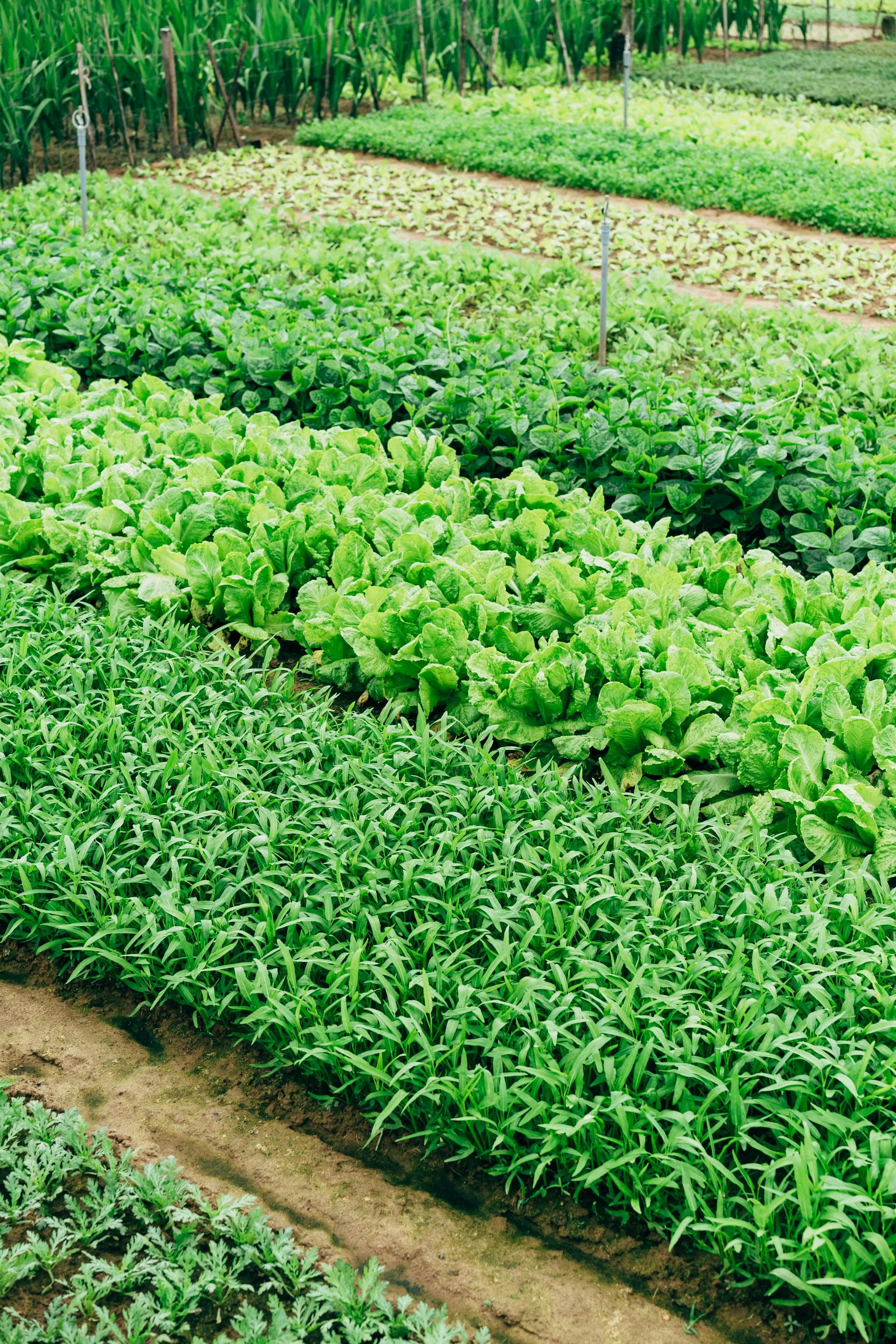
Kenya's agriculture sector is pivotal to economic growth, providing livelihoods for over 70% of the population. However, challenges like soil degradation, climate variability, and urban sprawl necessitate sustainable farming innovations. According to recent Ministry of Agriculture reports, organic farming acreage is rising steadily, with a focus on improving soil fertility and reducing chemical dependence. The agribusiness market is expanding, buoyed by growing urban demand for fresh vegetables and specialized produce.
The emergence of vertical farming showcases a shift towards controlled-environment agriculture, reducing land footprint while increasing output. Similarly, microgreens production caters to a niche but growing market driven by nutrition-conscious consumers nationally and internationally.
Key Insights or Strategies

1. Adopting Vertical Farming Systems
- Start small with stacked bed setups or vertical towers that maximize space.
- Use hydroponic or aeroponic systems to reduce soil dependency and optimize water use.
- Employ LED grow lights for consistent crop growth indoors or in controlled environments.
- Integrate environmental sensors and automation for optimal crop conditions.
- Market high-value crops such as leafy greens and herbs optimized for vertical farms.
Boost your yields with the VIVOSUN Hydroponic Grow Tent – available on Amazon, ideal for creating a controlled environment for vertical farms.
2. Leveraging Microgreens Farming
- Select fast-growing and nutrient-dense microgreens like kale, mustard, or sunflower.
- Ensure sterile growing mediums and controlled humidity to avoid contamination.
- Harvest in 7-21 days to capitalize on quick production cycles.
- Create supply agreements with restaurants and health-conscious markets.
- Explore value-added products like microgreens mixes or organic certifications.
Microgreens farming requires minimal land but offers premium prices, enhancing profitability with quick turnover.
3. Efficient Water and Nutrient Management
- Employ drip irrigation to deliver targeted watering, enhancing water use efficiency.
- Regular soil and water testing helps tailor fertilizer and irrigation schedules.
- Incorporate organic fertilizers to sustain soil health and fertility long-term.
- Adopt rainwater harvesting or recycling systems where feasible.
Boost farm sustainability with the CARPATHEN Drip Irrigation System Kit – available on Amazon for precise watering on your farm.
Use reliable analysis tools like the Premium Soil Test Kit – 40 Complete Tests for Lawns & Gardens – available on Amazon to monitor soil pH and nutrients effectively.
Explore sustainable organic farming solutions with Biofarm Kenya to enhance your agribusiness success through expert support and resources.
Case Studies, Examples, or Comparisons
Several Kenyan farmers have embraced vertical farming to supplement urban food supplies and capture premium markets. For example, a Nairobi-based startup successfully cultivates leafy greens year-round using hydroponic towers, managing to supply upscale restaurants consistently. This innovation reduces water consumption by 70% compared to traditional farming.
The Food and Agriculture Organization (FAO) supports such climate-smart practices, emphasizing water efficiency and productivity. In Naivasha, greenhouse farmers have integrated drip irrigation and organic fertigation, boosting tomato yields while reducing chemical use, aligning with Kenya's national agricultural strategy for sustainability.
Common Mistakes to Avoid
- Poor Soil Management: Overreliance on chemical fertilizers can degrade soil health. Solution: Transition gradually to organic fertilizers and regular soil testing.
- Inadequate Watering Systems: Flood watering wastes water and can cause root diseases. Solution: Implement drip irrigation systems for efficient water delivery.
- Neglecting Market Research: Producing crops without a secure market leads to losses. Solution: Establish buyer relationships before scaling production.
- Ignoring Pest Management: Overuse of pesticides can harm beneficial insects and increase costs. Solution: Use integrated pest management with organic options.
- Overlooking Technology Adoption: Resistance to modern tools limits yield potential. Solution: Embrace affordable precision farming tools and mobile agritech apps.
Expert Tips or Best Practices
Practice crop rotation and intercropping to enhance soil nutrients and reduce pest cycles. Incorporate locally available organic inputs like compost or manure to boost fertility naturally.
For maintaining healthy soil and accelerating composting, consider the Organic Compost Starter Mix – available on Amazon.
Keep irrigation equipment regularly cleaned and maintained to prevent clogs and leaks—this preserves water efficiency and prevents crop stress.
Engage with Biofarm Kenya experts for tailored guidance on organic disease control and soil health monitoring. Their community-oriented approach ensures practical and scalable solutions.
Explore sustainable organic farming solutions with Biofarm Kenya for expert support and quality input providers.
Future Trends or Predictions
Looking ahead, Kenyan agribusiness will increasingly adopt smart irrigation systems integrated with IoT sensors for real-time soil moisture monitoring. Vertical farming will expand with modular greenhouse kits tailored to smallholder farms, making controlled farming accessible.
AI-driven crop monitoring technologies will aid early pest detection and yield optimization, reducing losses and inputs costs. Integration of renewable energy for greenhouse climate control will reduce carbon footprint.
Microgreens farms will diversify into specialty herbs and medicinal plants, tapping growing urban demand. Sustainability will become a core business value with carbon footprint labeling and eco-certifications gaining traction.
Conclusion
The Most Profitable Farming Ideas in 2026 are those that harmonize productivity, sustainability, and market relevance. Vertical farming and microgreens production present adaptable, high-return opportunities in Kenya’s agribusiness space. Combining smart irrigation, organic inputs, and soil testing enhances resource efficiency and soil health for long-term success.
Discover trusted organic farming tools on Amazon and learn more about sustainable solutions with Biofarm Kenya to elevate your farming venture.
FAQs
1. What is vertical farming and how does it work?
Vertical farming is a method of growing crops in stacked layers, often indoors, using controlled environments like hydroponics or aeroponics. This allows for higher yields on less land, water conservation, and year-round crop production. For more, visit the FAO’s resource on urban agriculture: FAO Urban Agriculture.
2. How profitable is microgreens farming in Kenya?
Microgreens farming offers rapid returns due to fast growth cycles (7-21 days) and premium market prices driven by health and nutrition trends. Kenyan startups have reported viable incomes with small-scale setups. Learn more from Kenya Agriculture & Livestock Research Organization (KALRO): KALRO.
3. What sustainable practices are recommended for Kenyan farmers?
Kenyan farmers are encouraged to adopt organic fertilizers, drip irrigation, crop rotation, agroforestry, and soil conservation techniques to improve productivity sustainably. The Kenya Climate Smart Agriculture Strategy provides detailed guidelines: Kenya Climate Smart Agriculture Strategy.
4. Are there affordable drip irrigation kits suitable for small farms?
Yes, affordable, modular drip irrigation kits with adjustable emitters are available online (e.g., Amazon) and suitable for smallholder farms to improve water efficiency. For product choices, see the CARPATHEN Drip Irrigation System Kit.
5. How important is soil testing in profitable farming?
Soil testing is critical for identifying nutrient deficiencies and pH levels, enabling precise fertilizer application to maximize yields and avoid wastage. Home test kits for quick analysis are available, such as the Premium Soil Test Kit.
6. How can I connect with Biofarm Kenya for organic farming solutions?
You can explore their sustainable farming solutions, access expert advisory services, and quality inputs via their partner link here: Biofarm Kenya Partners.
Authoritative References:
Internal Links to Biofarm Kenya Resources:


0 Comments