

Estimated Reading Time: 11 minutes
Introduction: The Verdant Promise and the Harsh Reality
In the lush landscapes of Kenya, the avocado has emerged as a symbol of agricultural prosperity, often dubbed 'green gold' for its lucrative export potential. Indeed, Kenya's avocado export success tests farmer endurance, pushing many to adopt this increasingly popular crop. This fruit has become a pivotal source of income for thousands of smallholder farmers, transforming lives and bolstering the national economy. Yet, beneath the veneer of this verdant promise lies a complex reality, where farmers grapple with an array of formidable challenges. From the looming specter of climate change and pervasive water scarcity to the intricate dance of market dynamics and logistical hurdles, the journey from farm to fork is fraught with trials.
This article delves into the truth behind the 'green gold' myth, critically examining the significant climate threats, the persistent economic performance gaps faced by farmers, and the enduring spirit required to navigate this demanding industry. We will uncover how sustainable practices and innovative strategies are not merely beneficial, but absolutely vital for the long-term viability of Kenya's burgeoning avocado sector.
Background & Context: Kenya's Avocado Ascent

Kenya has firmly established itself as a global player in the avocado market, consistently ranking among the top exporters. The sector has witnessed remarkable growth, with average monthly exports climbing from US$20.9 million in 2024 to an estimated US$29.0 million in 2025, marking a substantial 38.7% increase (Avobook). This surge is projected to continue, with forecasts anticipating a record production of 694,000 metric tons for the 2025/26 season, a significant upward revision from previous estimates (FreshFruitPortal.com). The Hass variety dominates these exports, accounting for over 74% of the total production.
The backbone of this thriving industry is the smallholder farmer, who contributes a staggering 85% of Kenya's avocado production, often for both subsistence and local markets (Academia.edu). While the 'green gold' narrative paints a picture of uniform prosperity, the reality on the ground often involves considerable economic disparities. Many farmers face hurdles in accessing lucrative export markets, navigating complex supply chains, and combating adverse environmental conditions. The dream of consistent, high returns is frequently tempered by unpredictable weather patterns, increasing pest and disease pressures, and logistical bottlenecks, all of which underscore why Kenya's avocado export success truly tests farmer endurance.
Key Insights & Strategies for Sustainable Avocado Farming
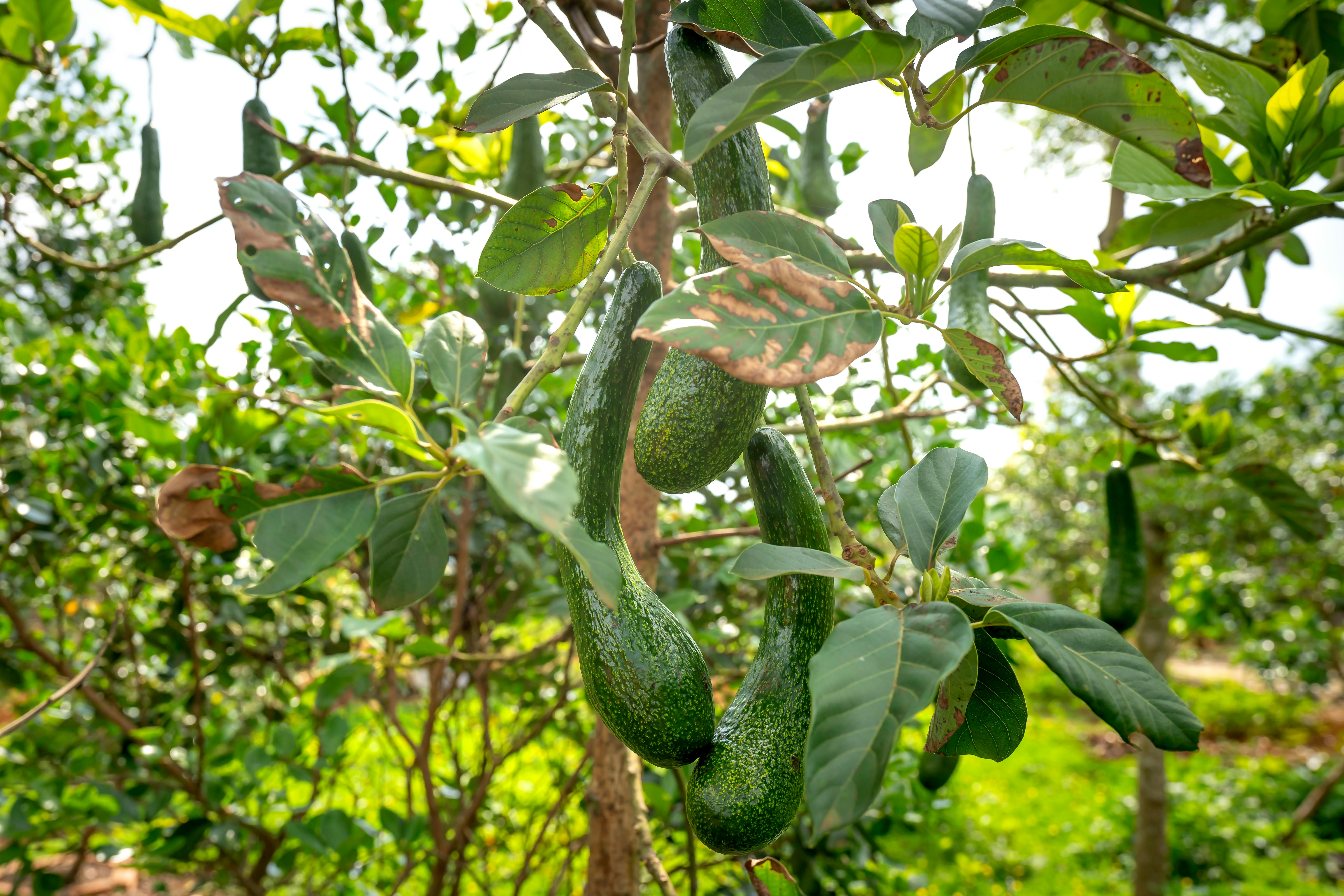
For Kenya's avocado sector to achieve truly sustainable and equitable growth, several key insights and strategic approaches must be embraced, focusing on resilience, efficiency, and market access. Understanding and addressing these areas are crucial for farmers striving to overcome the challenges.
Enhancing Water Use Efficiency
Avocados are water-intensive, making water scarcity a critical threat. Droughts and erratic rainfall patterns directly impact yield and quality. Implementing advanced water management strategies is paramount.
Integrated Pest and Disease Management (IPDM)
Pests like the avocado fruit fly, thrips, and mites, along with diseases such as Avocado Sunblotch Viroid, can severely impact production and export quality. A holistic approach is vital.
Market Access and Value Addition
While exports are growing, many smallholders struggle to access premium markets and realize the full value of their produce. Bridging these economic performance gaps requires strategic interventions.
To deepen your understanding of sustainable agricultural practices and explore solutions that can enhance farmer resilience, Explore sustainable living solutions with Eco-Oasis Firm.
Case Studies: Cultivating Resilience and Innovation
The spirit of endurance among Kenyan avocado farmers is often mirrored in innovative approaches and successful community-driven initiatives. These real-world examples highlight how strategic interventions can transform challenges into opportunities, particularly in overcoming climate threats and improving economic returns.
The Kakuzi Plc Model of Water Efficiency
Kakuzi Plc, a major agricultural firm in Kenya, stands out for its commitment to sustainable avocado farming. Recognizing the critical importance of water, the company has heavily invested in sophisticated irrigation systems, including precision drip irrigation, to optimize water usage. They also prioritize rainwater harvesting and the recycling of water, demonstrating that large-scale operations can implement rigorous water conservation strategies. Their proactive approach in balancing water use ensures crop productivity even during periods of climatic stress, showcasing a viable path for others (Kakuzi Plc). This dedication not only safeguards their yields but also sets a benchmark for environmental stewardship in commercial agriculture.
Smallholder Innovations: Recycled Water Bottle Irrigation
On a smaller scale, some avocado growers in Kenya are demonstrating remarkable ingenuity to combat drought. Researchers and local communities have introduced inexpensive irrigation solutions, such as using recycled plastic water bottles for targeted watering. These simple, low-cost methods help alleviate poverty among avocado growers by ensuring consistent water delivery to young trees, particularly in arid or semi-arid regions. This approach showcases how localized, accessible technology can empower smallholders to fight drought and sustain their crops, thereby strengthening their economic performance (Environmental Biophysics). It’s a powerful illustration of adapting to the immediate environmental challenges with practical, scalable solutions.
Empowering Women Farmers Through Cooperatives
In parts of Kenya, women farmers are leading the charge in avocado cultivation, contributing significantly to household incomes and food security. Organizations like Ustawi Afrika support these farmers by connecting them to better markets and providing training in sustainable practices. By forming cooperatives, these women gain collective bargaining power, improve their access to resources, and achieve better prices for their produce. This collective approach helps to close economic performance gaps, ensures quality control, and strengthens the overall resilience of the farming community. For instance, in 2023, Kenya ranked third in avocado exports globally, a 24% increase from the previous year, partly due to the growing participation and empowerment of such farmer groups (Cuisine Noir). These initiatives prove that community organization and targeted support are key to overcoming individual farmer endurance tests.
Common Mistakes to Avoid
Despite the allure of 'green gold,' avocado farming in Kenya is not without its pitfalls. Many farmers, especially those new to the crop, can fall prey to common mistakes that hinder productivity, sustainability, and ultimately, economic returns. Avoiding these errors is crucial for long-term success and to ensure that Kenya's avocado export success genuinely benefits farmer endurance.
Expert Tips & Best Practices for Enduring Success
Achieving sustained success in Kenya's avocado industry requires more than just planting trees; it demands strategic planning, continuous learning, and the adoption of expert-recommended practices. These tips focus on optimizing yield, ensuring sustainability, and enhancing the resilience that defines farmer endurance.
For more comprehensive resources and tools to support your journey towards sustainable and resilient farming practices, Explore sustainable living solutions with Eco-Oasis Firm.
Future Trends & Predictions: Navigating the Green Wave
The future of Kenya's avocado farming is poised for both continued growth and evolving challenges. Understanding these trends is vital for farmers to remain competitive and resilient in a dynamic global market. The 'green gold' journey requires foresight and adaptability to sustain the endurance of Kenyan farmers.
Increased Demand and Market Diversification
Global demand for avocados continues to rise, driven by health-conscious consumers. This sustained demand is likely to fuel further expansion of Kenya's export volumes. We can predict a continued focus on diversifying export markets beyond traditional European destinations to emerging economies in Asia and the Middle East, reducing reliance on single markets and mitigating risks from geopolitical events like the Red Sea disruptions (Logupdateafrica.com).
Climate-Smart Agriculture and Water Resilience
Climate change will intensify challenges related to water availability and extreme weather. Consequently, there will be an accelerated adoption of climate-smart agricultural practices. This includes widespread investment in advanced water conservation technologies like smart drip irrigation, sensors, and efficient rainwater harvesting systems. Research into drought-resistant avocado rootstocks and varieties will also become paramount, ensuring crop resilience in the face of erratic rainfall patterns.
Technological Integration and Precision Farming
The industry will see greater integration of technology, from drone-based monitoring for pest and disease detection to AI-powered analytics for optimizing yields and resource allocation. Precision farming techniques will become more accessible to smallholders through initiatives and partnerships, bridging the technological divide and enhancing overall farm efficiency and profitability.
Focus on Value Addition and Processing
As production volumes increase, there will be a significant push towards value addition. The emerging avocado oil industry will expand, alongside the development of other processed avocado products such as guacamole and avocado-based cosmetics. This shift will create new revenue streams for farmers and reduce post-harvest losses, addressing the existing gap in value addition (AGRIS FAO).
Enhanced Traceability and Certification
Consumers are increasingly demanding ethically and sustainably sourced produce. Future trends will emphasize robust traceability systems, allowing consumers to track their avocados from farm to table. International certifications for sustainable farming practices (e.g., Fair Trade, GlobalG.A.P.) will become more crucial for market access, ensuring environmental stewardship and social equity throughout the supply chain.
Conclusion: Sowing Seeds of a Resilient Future
Kenya's avocado industry, while undeniably a source of significant economic promise and growth, presents a rigorous test of farmer endurance. The narrative of 'green gold' is real, but it is intertwined with the harsh realities of climate threats, intricate market dynamics, and persistent economic performance gaps, especially for smallholder farmers. The impressive statistics of export growth and production forecasts underscore the sector's potential, yet they simultaneously highlight the immense resilience required to navigate its complexities.
Moving forward, the path to sustained success and equitable prosperity for Kenyan avocado farmers lies in a concerted embrace of sustainable practices. This includes diligent water management, integrated pest and disease control, and strategic value addition. Empowering smallholders through cooperatives, facilitating access to technology, and fostering continuous learning will be paramount in bridging existing disparities and strengthening their capacity to thrive. The journey of Kenya's avocado export success is a testament to the unwavering spirit of its farmers, but the future demands a collective commitment to innovation, sustainability, and support. By sowing the seeds of a resilient future today, Kenya can ensure its 'green gold' truly enriches every hand that cultivates it.
To learn more about how you can contribute to or benefit from sustainable agricultural practices and create a more resilient future, Explore sustainable living solutions with Eco-Oasis Firm.
FAQs
Q1: What are the main challenges faced by Kenyan avocado farmers?
Kenyan avocado farmers face a multifaceted array of challenges, primarily stemming from climate change, market dynamics, and operational hurdles. Key issues include increasing water scarcity and unpredictable rainfall patterns due to climate change, leading to inconsistent yields and quality. Logistical disruptions, such as those in the Red Sea, significantly increase freight costs and transit times, impacting export profitability. Additionally, farmers battle common pests like avocado fruit flies, thrips, and mites, along with diseases such as Avocado Sunblotch Viroid, which can devastate crops if not managed effectively (Royal Seedlings).
Q2: How does climate change specifically impact avocado farming in Kenya?
Climate change poses a direct and growing threat to avocado farming in Kenya, primarily through altered rainfall patterns and increased temperatures. Avocados are water-intensive, and prolonged droughts or erratic, heavy rainfall can severely stress trees, reduce fruit set, and lower overall yields. Rising temperatures can also affect flowering and fruit development. Farmers are increasingly witnessing unpredictable weather events, which makes planning and resource management challenging, directly testing their endurance and requiring adaptation through water-smart farming practices like rainwater harvesting and efficient irrigation systems (Kakuzi Plc).
Q3: What are the economic performance gaps in Kenya's avocado sector?
Despite Kenya's significant export success, economic performance gaps persist, particularly among smallholder farmers who produce the majority of the crop. These gaps arise from several factors, including limited access to lucrative international markets, fragmented supply chains, and insufficient collective bargaining power. Many smallholders rely on middlemen, which can reduce their profit margins. There's also a recognized gap in value addition, meaning most avocados are exported raw rather than as processed products (e.g., oil, guacamole), which could fetch higher prices (AGRIS FAO). Improving post-harvest handling and fostering cooperatives are key to closing these gaps.
Q4: What sustainable practices are being adopted by Kenyan avocado farmers?
Kenyan avocado farmers are increasingly adopting various sustainable practices to enhance resilience and environmental stewardship. These include implementing efficient irrigation technologies like drip systems to conserve water, engaging in rainwater harvesting, and using organic mulches to retain soil moisture. In terms of pest management, there's a growing shift towards Integrated Pest and Disease Management (IPDM) strategies that prioritize biological controls and organic pesticides over conventional chemicals. Some farmers are even exploring innovative, low-cost solutions such as recycled water bottle irrigation to combat localized drought effects (Environmental Biophysics).
Q5: How do logistics and market access affect Kenyan avocado exports?
Logistics and market access significantly impact Kenya's avocado export success. Recent disruptions, such as the situation in the Red Sea, have led to increased freight costs and longer transit times for avocados destined for European markets, which are crucial for Kenyan exporters. Over 90% of Kenyan avocados are transported via sea, making them vulnerable to such global shipping challenges (Logupdateafrica.com). Furthermore, meeting stringent international quality standards and navigating complex import regulations in different countries can be challenging for individual farmers, often necessitating the support of exporters and cooperatives.
Q6: What role do smallholder farmers play in Kenya's avocado industry?
Smallholder farmers are the backbone of Kenya's avocado industry, accounting for approximately 85% of the total production. Their collective efforts drive the significant export volumes that place Kenya among the top global suppliers. Avocado farming provides a vital source of income and contributes significantly to food security for these rural households. However, their small-scale operations often mean they face greater challenges in accessing modern technology, finance, and direct export markets, highlighting the need for targeted support and capacity building to ensure their continued endurance and prosperity within the sector (Academia.edu).


0 Comments