

Estimated Reading Time: 12 minutes
TL;DR:
The most profitable farming ideas in 2026 in Kenya revolve around high-value crops such as Hass Avocado and Dragon Fruit, alongside climate-smart ventures like beekeeping and dairy goat farming. Embracing sustainable agriculture methods, including vertical farming and regenerative practices, boosts productivity and soil health. Key tools such as drip irrigation systems and soil testing kits enhance yields and efficiency. Avoid common farming mistakes in soil and water management, and keep an eye on future trends including AI-driven crop monitoring and smart irrigation.
Key Takeaways:
1. High-value, low-land farming such as Hass Avocado and Dragon Fruit yield premium profits.
2. Sustainable farming, including organic fertilizers and drip irrigation, improves soil and water use.
3. Use soil testing kits regularly to optimize nutrient management.
4. Avoid overuse of chemical fertilizers and poor irrigation practices.
5. Explore innovative solutions like vertical farming and controlled-environment greenhouses.
Explore sustainable organic farming solutions with Biofarm Kenya.
Introduction
Sustainable agriculture is vital for Kenya's growing population and economy, and the yearning for profitable farming ideas continues to grow. In Kenya and East Africa, farmers increasingly seek the most profitable farming ideas in 2026 by embracing innovations such as vertical farming and regenerative agriculture. These methods promise not only higher yields and profits but also environmental preservation for future generations. This article explores top farming ideas grounded in sustainability, technology, and practical insights to maximize returns in Kenya’s agribusiness sector.
Background & Context
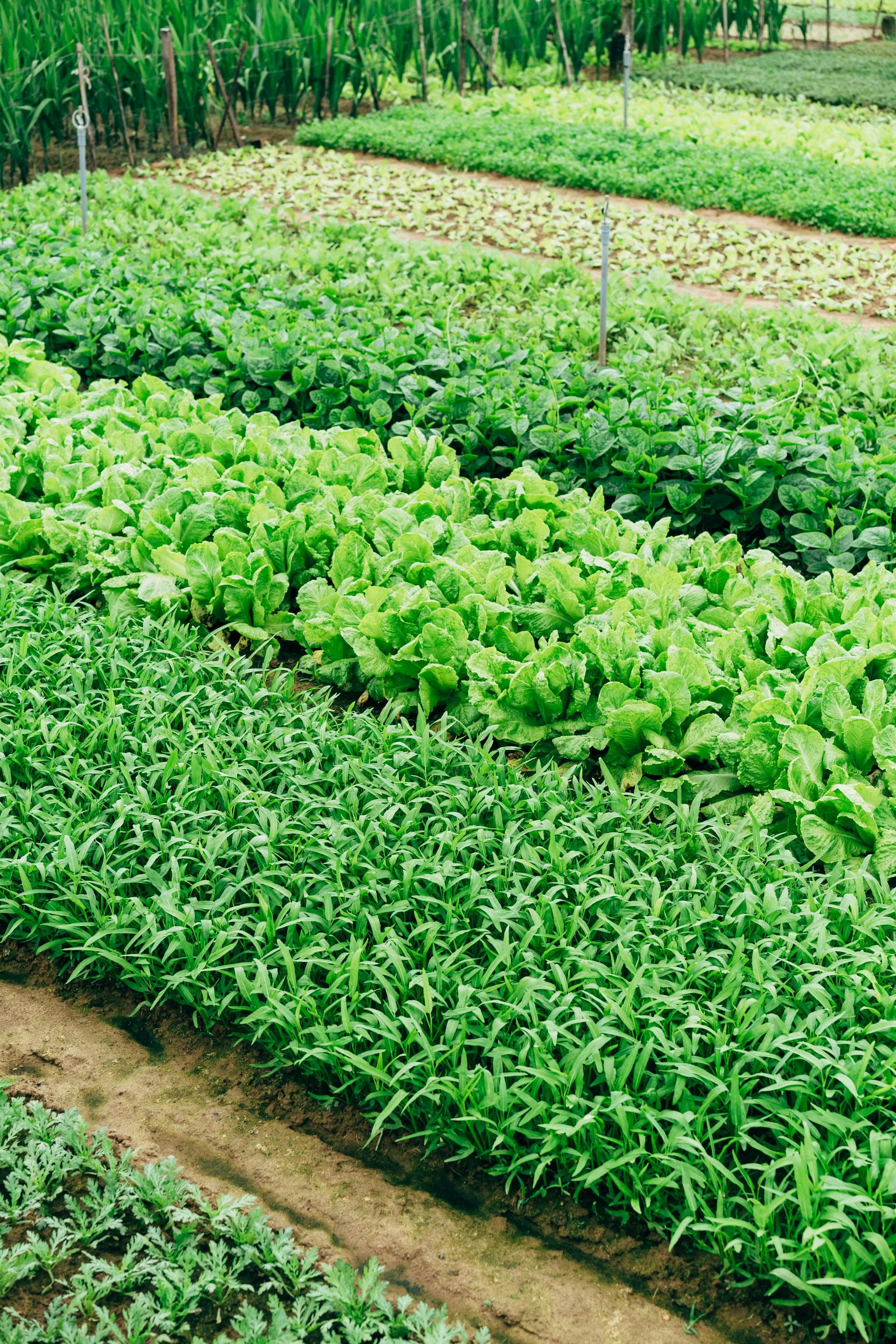
Kenya’s agricultural sector accounts for approximately 33% of GDP and employs over 75% of the rural population. Organic farming and sustainable practices have gained significant traction, boosting soil health and crop quality. According to reports by the Food and Agriculture Organization (FAO) and the Kenyan Ministry of Agriculture, the demand for organic produce and climate-smart agriculture is increasing sharply. For example, soil fertility improvement through organic matter application enhances productivity in small-holder farming, ensuring long-term soil health.
Growth in agribusiness particularly in horticulture, dairy, and poultry is notable, with climate-smart farming and vertical farming becoming attractive options for farmers with limited land. These innovations increase productivity per unit area, conserve water, and reduce pest risks, aligning with Kenya’s Vision 2030 goals for sustainable development.
Key Insights or Strategies

1. Focus on High-Value Crops and Livestock
Hass Avocado and Dragon Fruit top the list for profitability with increased export potential. Poultry farming with the KALRO Improved Kienyeji chicken breed combines egg and meat production, maximizing income streams.
- Source quality seedlings or breeds certified by local agricultural bodies.
- Engage in training programs on best cultivation and livestock management practices.
- Link with export companies or local markets valuing premium produce.
2. Integrate Drip Irrigation for Water Efficiency
Drip irrigation is a smart investment, especially in water-scarce areas, ensuring plants receive water directly at the roots, minimizing waste.
- Choose a suitable drip irrigation system kit that fits your farm size and crops.
- Regularly maintain the system to prevent clogging and leaks.
- Combine with mulching to retain soil moisture.
Boost your water use efficiency with the CARPATHEN Drip Irrigation System Kit – available on Amazon.
3. Use Organic Fertilizers to Enhance Soil Fertility
- Apply organic amendments such as composts and manure to improve soil structure and nutrient content.
- Limit chemical fertilizer use to reduce pollution and improve long-term soil health.
- Combine with soil testing to tailor nutrient applications accurately.
For natural nutrient support, consider the Drammatic® Organic™ Original Fertilizer 2-4-1 – available on Amazon.
4. Conduct Regular Soil Testing
Understanding your soil’s pH and nutrient levels enables precise fertilizer application, reducing costs and environmental impact.
- Test soil at least twice per year and after any major amendments.
- Use user-friendly soil testing kits for quick onsite analysis.
- Adjust fertilizer mixes based on test outcomes for optimal crop performance.
Optimize soil health with the Soil pH & Moisture Tester Kit – available on Amazon.
Explore sustainable organic farming solutions with Biofarm Kenya.
Case Studies, Examples, or Comparisons
Kenyan farmers have successfully adopted vertical farming techniques in urban Nairobi to grow leafy vegetables all year round, maximizing yield on limited space. A notable example includes a Nairobi-based agripreneur who increased his farm income by 40% within a year through vertical hydroponics combined with drip irrigation.
FAO Kenya highlights that integrating beekeeping into crop production enhances pollination and provides additional income from honey sales. Additionally, the Ministry of Agriculture promotes grafted Red Bulb Onion farming for premium local market prices.
Common Mistakes to Avoid
- Poor Soil Management: Over-reliance on synthetic fertilizers without organic matter reduces soil microbial health.
- Improper Irrigation: Overwatering or under-watering can stress plants; use efficient systems like drip irrigation to avoid this.
- Ignoring Soil Testing: Applying generic fertilizer mixes wastes resources and can pollute the environment.
- Neglecting Market Research: Farming crops without assured markets may lead to losses. Always source market leads first.
- Inadequate Pest Management: Avoid ignoring pest and disease signs; adopt integrated pest management for sustainability.
Expert Tips or Best Practices
Maintain soil health by incorporating cover crops and crop rotation to prevent nutrient depletion and control pests. Use organic compost starters to accelerate decomposition and enrich soil nutrients naturally.
Maintain healthy soil with the Organic Compost Starter Mix.
For improved water management and yield, consider employing a complete drip irrigation kit tailored to your farm size and crop requirements.
Early engagement with Biofarm Kenya can provide access to expert guidance and sustainable organic inputs tailored for your farming needs: Explore sustainable organic farming solutions with Biofarm Kenya.
Future Trends or Predictions
Agriculture in Kenya is set to benefit from innovations like smart irrigation systems using IoT sensors to optimize water use, AI-driven crop monitoring for early pest control, and vertical farming to boost urban food security. Precision farming and climate-smart techniques will become mainstream to meet demands amid climate variability.
Greenhouse farming with modular kits is gaining popularity to enable year-round production protected from extreme weather conditions.
Conclusion
To thrive in Kenyan agriculture in 2026, farmers should prioritize high-value, sustainable farming ventures such as Hass Avocado, Dragon Fruit, and dual-purpose poultry. Integrating modern technologies like drip irrigation and regular soil testing kits maximizes efficiency and profits. Avoid common errors by adopting soil health-conscious practices and strategic market planning. Stay ahead by embracing upcoming innovations like AI and vertical farming. Discover trusted organic farming tools on Amazon and learn more about sustainable solutions with Biofarm Kenya.
FAQs
1. What are the most profitable crops to farm in Kenya in 2026?
Hass Avocado, Dragon Fruit, grafted Red Bulb Onions, and high-demand vegetables like kale and tomatoes are among the most profitable. For more details, visit FAO Kenya.
2. How does drip irrigation save water in Kenyan farms?
Drip irrigation delivers water directly to plant roots in controlled amounts, reducing evaporation and runoff. This is crucial in water-scarce areas. Learn more at Kenya Ministry of Agriculture.
3. Why is soil testing important for profitable farming?
Soil testing identifies nutrient deficiencies and pH balance, helping farmers apply the right fertilizers and amendments for optimum growth and yield. Refer to KEBS for standards and testing services.
4. What organic fertilizers are recommended for Kenyan soils?
Compost, manure, and OMRI-listed organic liquid fertilizers like hydrolyzed fish fertilizer improve soil fertility sustainably. Biofarm Kenya offers tailored organic inputs to suit local conditions: Biofarm Kenya partners.
5. Can vertical farming be done in small spaces in Kenya?
Yes, vertical farming maximizes productivity in limited spaces using vertical racks and controlled environments, making it ideal for urban and peri-urban farmers. NEMA provides guidelines for sustainable practices: NEMA Kenya.
6. How can farmers avoid common irrigation mistakes?
Farmers should adopt efficient systems like drip irrigation, monitor soil moisture, and avoid overwatering. Training from Biofarm Kenya helps farmers use water wisely: Biofarm Kenya training.


0 Comments