

Estimated Reading Time: 12 minutes
TL;DR:
- Discover the most profitable farming ideas in 2026, focusing on vertical farming trends in Kenya.
- Utilize space-efficient and sustainable vertical farming methods to maximize yield and income, even in urban settings.
- Integrate modern tools like soil testing kits, drip irrigation, and organic fertilizers for improved crop health and productivity.
- Learn from successful Kenyan case studies and avoid common farming mistakes to boost success rates.
- Plan ahead by embracing future agricultural innovations such as AI-driven monitoring and smart irrigation systems.
Key Takeaways:
- Vertical farming provides scalable, sustainable agribusiness opportunities in Kenya’s rapidly urbanizing landscape.
- Soil testing and organic fertilization are critical for maintaining soil fertility and crop health in vertical farms.
- Drip irrigation systems optimize water use, reduce waste, and increase farming efficiency in constrained spaces.
- Learning from experienced local farmers and leveraging trusted partners like Biofarm Kenya enhances your chances of success.
- Invest in affordable, quality farming tools from Amazon to improve farm management, linked with Biofarm Kenya’s organic solutions.
Table of Contents
- Introduction
- Background & Context
- Key Insights or Strategies
- Case Studies, Examples, or Comparisons
- Common Mistakes to Avoid
- Expert Tips or Best Practices
- Future Trends or Predictions
- Conclusion
- FAQs
Introduction
Kenya’s agricultural landscape is evolving rapidly, presenting exciting opportunities for innovative farmers. As urbanization increases and arable land becomes scarce, exploring the most profitable farming ideas in 2026 is essential for anyone looking to maximize their agribusiness returns. Among these, vertical farming stands out as a revolutionary approach that allows crop production in compact urban settings, using sustainable practices to conserve water, optimize space, and enhance crop yields year-round. This guide explores profitable vertical farming ideas contextualized in Kenya’s unique agricultural environment, spotlighting practical steps, expert advice, and innovative products that help farmers thrive.
Background & Context
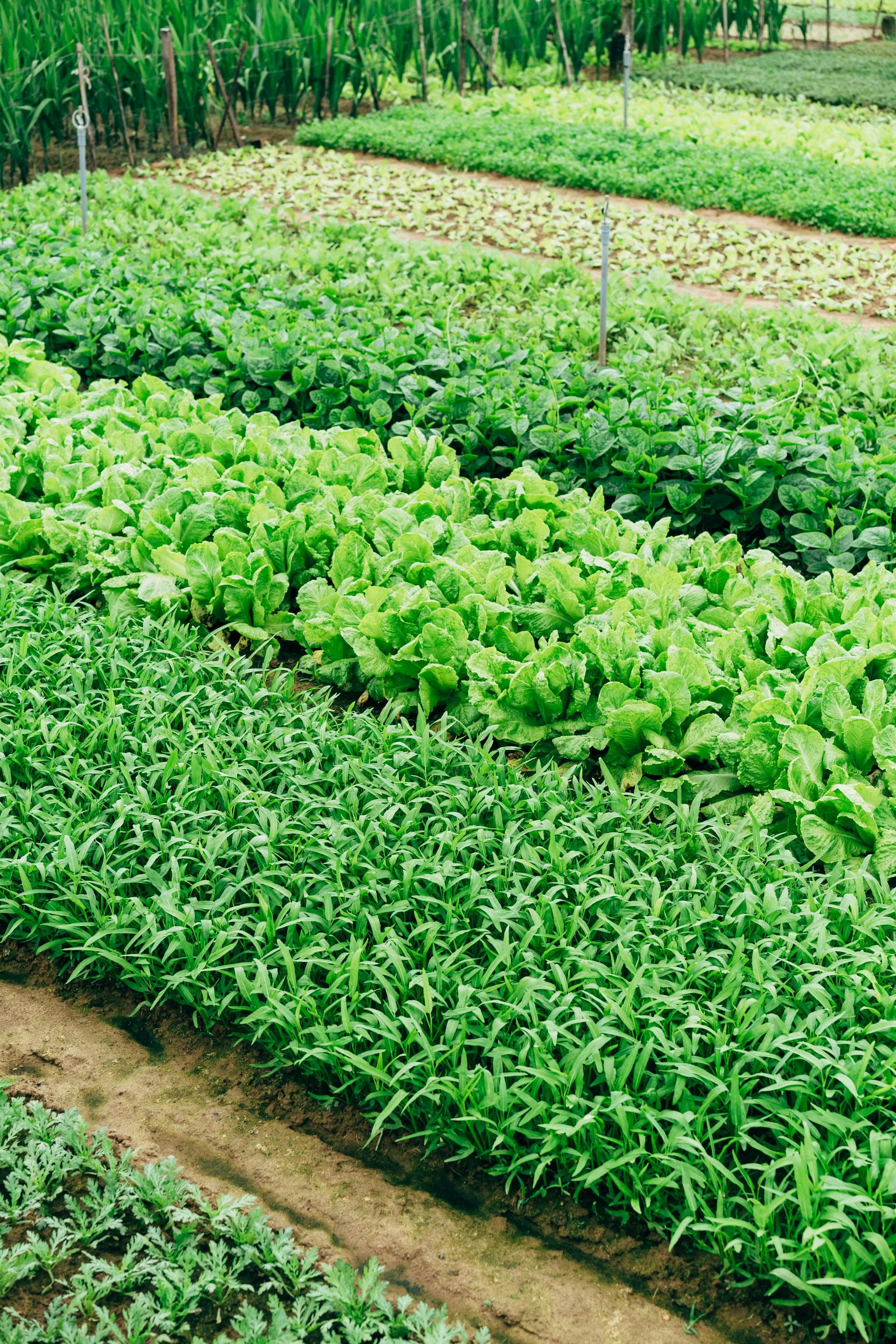
Kenya’s agribusiness sector is witnessing significant growth, propelled by rising demand for organic and sustainably produced food. According to the Ministry of Agriculture, organic farming has grown by over 10% annually, reflecting a paradigm shift towards eco-friendly practices that enhance soil fertility and food safety. Soil health remains a cornerstone of agricultural productivity, with farmers increasingly adopting natural fertilizers and precise soil management techniques. Vertical farming, leveraging soilless cultivation and controlled environments, aligns perfectly with these trends, enabling efficient use of limited spaces while boosting production volumes.
In Nairobi and other urban centers, where land is expensive and scarce, vertical farms are gaining traction as a viable business model. They address issues like climate variability and water scarcity, common challenges faced by outdoor farming in Kenya. This innovation taps into a growing market of health-conscious consumers demanding fresh, organic produce delivered year-round. With Kenya’s agribusiness market projected to grow substantially by 2026, embracing vertical farming offers a competitive edge and long-term profitability.
Key Insights or Strategies

1. Optimize Space with Modular Vertical Farming Systems
Vertical farming allows stacking of plant beds in layers, maximizing limited space in urban settings or small farms. Modular and scalable systems can be customized to fit both indoor and greenhouse environments.
- Assess your available space and select appropriate vertical racks or shelves for the crops intended.
- Ensure sufficient light, using natural sunlight or supplemental LED grow lights.
- Choose crops that are best suited for vertical farming such as leafy greens, herbs, microgreens, and strawberries.
- Incorporate hydroponic or aeroponic systems to reduce soil dependency and water usage.
Boost your yields with the Premium Soil Test Kit – 40 Tests for Lawns, Gardens, and Vegetables, which helps maintain optimal soil pH and nutrient levels critical for vertical crops.
2. Use Efficient Watering Techniques with Drip Irrigation
Water conservation is vital in Kenya’s often water-scarce environments. Drip irrigation ensures precise delivery of water directly to plant roots, minimizing wastage and enhancing crop health.
- Install a drip irrigation kit tailored for vertical farming setups.
- Schedule regular but moderate watering timed to the crop needs.
- Regularly inspect and maintain emitters for consistent water flow.
Invest in the CARPATHEN Drip Irrigation System Kit available on Amazon to streamline watering and reduce labor input.
3. Enhance Soil Fertility with Organic Fertilizers
Organic inputs improve soil microbiology and long-term productivity while aligning with market demands for chemical-free produce.
- Incorporate high-quality organic or hydrolyzed liquid fertilizers suited for vegetables and fruits.
- Combine compost and mineral amendments to balance soil nutrient profiles.
- Monitor soil nutrients regularly to avoid deficiencies and over-fertilization.
Consider using Drammatic® Organic™ Original Fertilizer 2-4-1, Hydrolyzed Liquid Fish Fertilizer for a natural nutrient boost that supports healthy, vigorous plants.
Explore sustainable organic farming solutions with Biofarm Kenya to access local expertise and products tailored for Kenyan agribusiness needs.
Case Studies, Examples, or Comparisons
Consider the case of Nairobi-based urban farmers who implemented vertical farming within small city plots. One farmer, Mrs. Njeri, reduced her land footprint by 70% while doubling her yield of kale and herbs. Using hydroponic vertical racks, she achieved consistent harvests and sold directly to supermarkets and restaurants, fetching premium prices for fresh, pesticide-free produce.
The Food and Agriculture Organization (FAO) has reported similar successes in other East African regions, where integrating vertical systems led to enhanced food security and farmer incomes. The National Environment Management Authority (NEMA) of Kenya supports such sustainable initiatives, emphasizing resource conservation and reduced pollution risks.
Common Mistakes to Avoid
- Ignoring soil testing: Fertilizing without regular soil analysis can lead to nutrient imbalances or toxic buildup.
- Overwatering or underwatering: Water management is critical; excessive watering encourages root rot, while insufficient supply stresses plants.
- Neglecting system maintenance: Failing to clean irrigation lines or monitor hydroponic systems reduces efficiency and causes blockages.
- Choosing unsuitable crops: Not all crops are suitable for vertical farming; focusing on high-value leafy greens and herbs yields better profits.
Expert Tips or Best Practices
Farmers are encouraged to start small and scale up vertical farming systems gradually while documenting yields and resource usage. Proper lighting, temperature control, and pest monitoring are critical for year-round success. Additionally, networking with local agricultural extension services and Biofarm Kenya’s partner program offers access to training, supplies, and markets.
Maintain healthy soil with Organic Compost Starter Mix sourced through Amazon, which enriches soil biology and promotes nutrient cycling essential for organic farming.
Explore sustainable organic farming solutions with Biofarm Kenya for additional guidance and organic inputs suited to Kenya’s climatic conditions.
Future Trends or Predictions
Looking ahead to 2026 and beyond, vertical farming will increasingly incorporate technology such as AI-driven crop monitoring, automated smart irrigation systems, and renewable energy integration to minimize costs and environmental footprints. Urban agri-hubs and greenhouses will become community pillars, supporting food security and rural-urban supply chains. Biotechnology advancements may also enable development of novel plant varieties optimized for vertical growth and resource efficiency.
Conclusion
Embracing the most profitable farming ideas in 2026 through vertical farming offers Kenyan farmers a pathway to sustainable, high-yield agribusiness. Leveraging modern tools like soil test kits, drip irrigation systems, and organic fertilizers—combined with practical knowledge and partnerships—supports productive and environmentally responsible farming. Discover trusted organic farming tools on Amazon and learn more about sustainable solutions with Biofarm Kenya.
FAQs
1. What is vertical farming and why is it profitable in Kenya?
Vertical farming is the practice of growing crops in vertically stacked layers, often indoors or in greenhouses. It maximizes limited space, reduces water use, and allows year-round production. In Kenya, it’s profitable due to urbanization, rising demand for organic produce, and land scarcity. FAO provides detailed guidelines on vertical farming technologies.
2. How can farmers test their soil effectively in Kenya?
Soil testing kits, like the Premium Soil Test Kit available on Amazon, provide quick and accurate analysis of pH, nitrogen, phosphorus, and potassium levels. Testing enables farmers to optimize fertilizer use, improving crop health and yields. KEBS (Kenya Bureau of Standards) also offers soil testing services for more comprehensive analysis. KEBS
3. What organic fertilizers are most suitable for vertical farming?
Liquid organic fertilizers such as hydrolyzed fish fertilizer provide readily absorbable nutrients ideal for vertical farming’s often soilless systems. Compost and mineral amendments also enhance soil fertility for container beds. Biofarm Kenya partners offer organic inputs adapted to local conditions. Biofarm Kenya
4. How do drip irrigation systems improve farm efficiency?
Drip irrigation conserves water by delivering it directly to the plant roots, reducing evaporation and runoff. This targeted watering reduces labor and increases yield consistency, especially important in water-scarce regions like Kenya. For recommended drip kits, see Amazon listings.
5. What common mistakes should new vertical farmers avoid?
Ignoring soil or nutrient testing, improper watering, poor system maintenance, and choosing unsuitable crops are typical errors that reduce vertical farm productivity. Training and expert advice, such as from Biofarm Kenya, can mitigate these risks. Biofarm Kenya
6. What are the future crop monitoring technologies for Kenya farmers?
Emerging solutions include AI-enabled sensors for real-time plant health monitoring, smart irrigation controllers, and automated environmental control systems. These technologies optimize resource use, improve yields, and reduce input costs. FAO and Kenya agricultural tech platforms provide ongoing updates on these innovations. FAO
Explore sustainable organic farming solutions with Biofarm Kenya and leverage affordable, quality products from Amazon to maximize your farm’s profitability in 2026 and beyond.


0 Comments