

Estimated Reading Time: 12 minutes
TL;DR:
- Revolutionary vertical farming takes center stage in Kenya's sustainable agribusiness landscape, offering scalable solutions to food security and income generation.
- Multi-storey gardens, sack farming, and hydroponic vertical systems maximize limited urban space efficiently.
- Smart irrigation techniques like drip irrigation enhance water efficiency essential to Kenya’s climate patterns.
- Investing in organic fertilizers and soil testing kits improves soil health and yields in vertical farming setups.
- Biofarm Kenya partners with farmers to provide sustainable organic farming solutions that boost profitability in vertical farming ventures.
Key Takeaways:
- Incorporate multi-layer farming structures to increase productivity per square meter in urban or small-scale farms.
- Utilize cost-effective drip irrigation systems to maximize water use efficiency.
- Leverage soil testing and organic fertilizer application to maintain soil fertility for vertical farming.
- Learn from successful Kenyan urban farming case studies that combine innovation with sustainability.
- Explore sustainable organic farming solutions with Biofarm Kenya for expert guidance and resources.
Table of Contents:
- Introduction
- Background & Context
- Key Insights or Strategies
- Case Studies, Examples, or Comparisons
- Common Mistakes to Avoid
- Expert Tips or Best Practices
- Future Trends or Predictions
- Conclusion
- FAQs
Introduction
Kenya is witnessing a transformative shift in agriculture with revolutionary vertical farming takes center stage to tackle challenges of urbanization, land scarcity, and food security. With its growing population concentrated in cities like Nairobi, innovative farming approaches are essential for producing healthy, organic food in limited spaces while maintaining environmental sustainability. Vertical farming is becoming a promising solution that not only enhances agribusiness profitability but also supports sustainable development goals in East Africa's dynamic farming ecosystem.
Background & Context
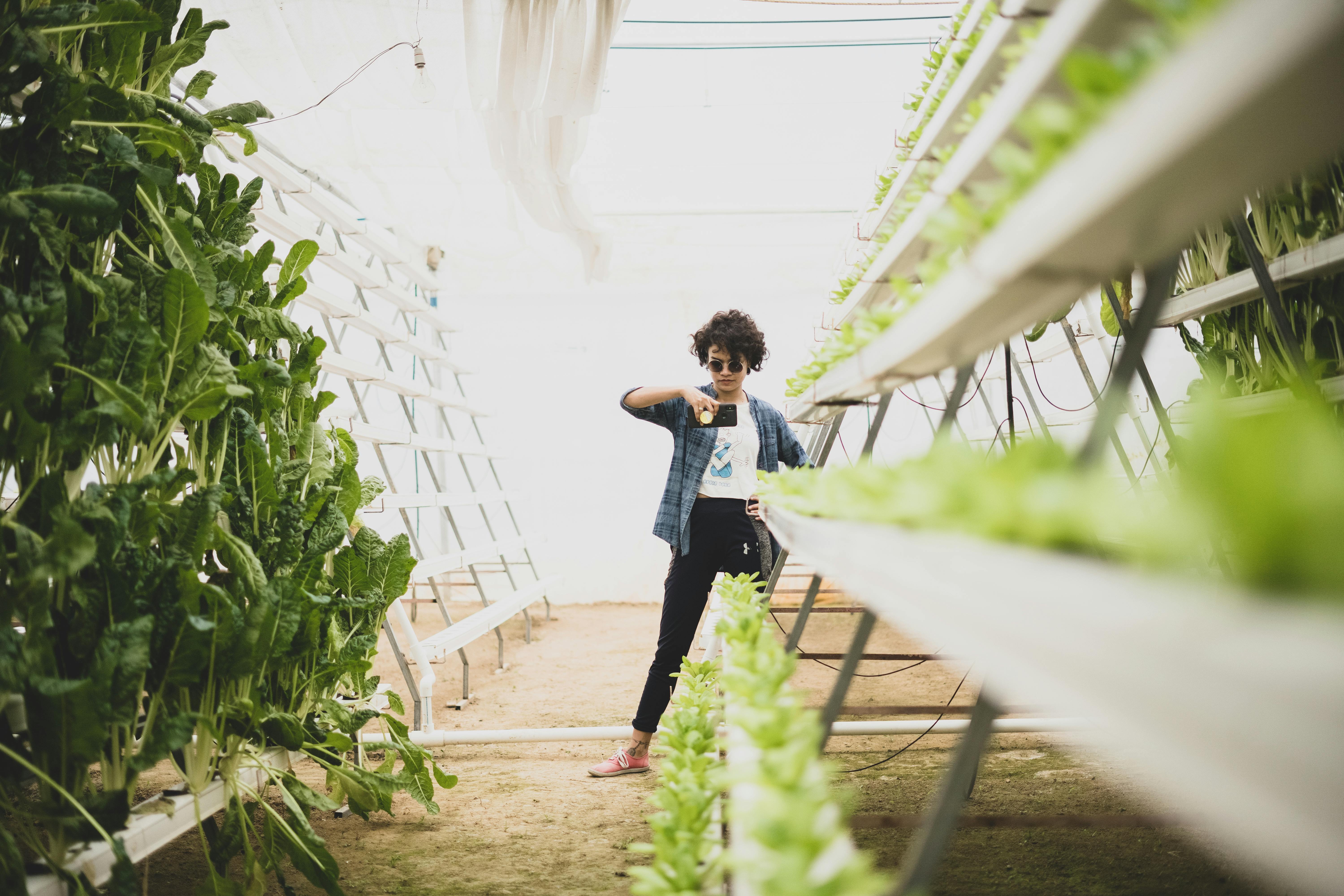
Organic farming and sustainable agriculture are pivotal in Kenya's agribusiness growth. According to recent data, Kenya's organic agriculture sector has grown steadily, driven by increased consumer demand, government support, and export market opportunities. Sustainable practices contribute to soil fertility restoration in regions affected by soil degradation and climate change. Vertical farming complements these efforts by allowing farmers to intensify production with minimal land use, making it particularly suitable for Kenya’s urban and peri-urban contexts.
Key Insights or Strategies
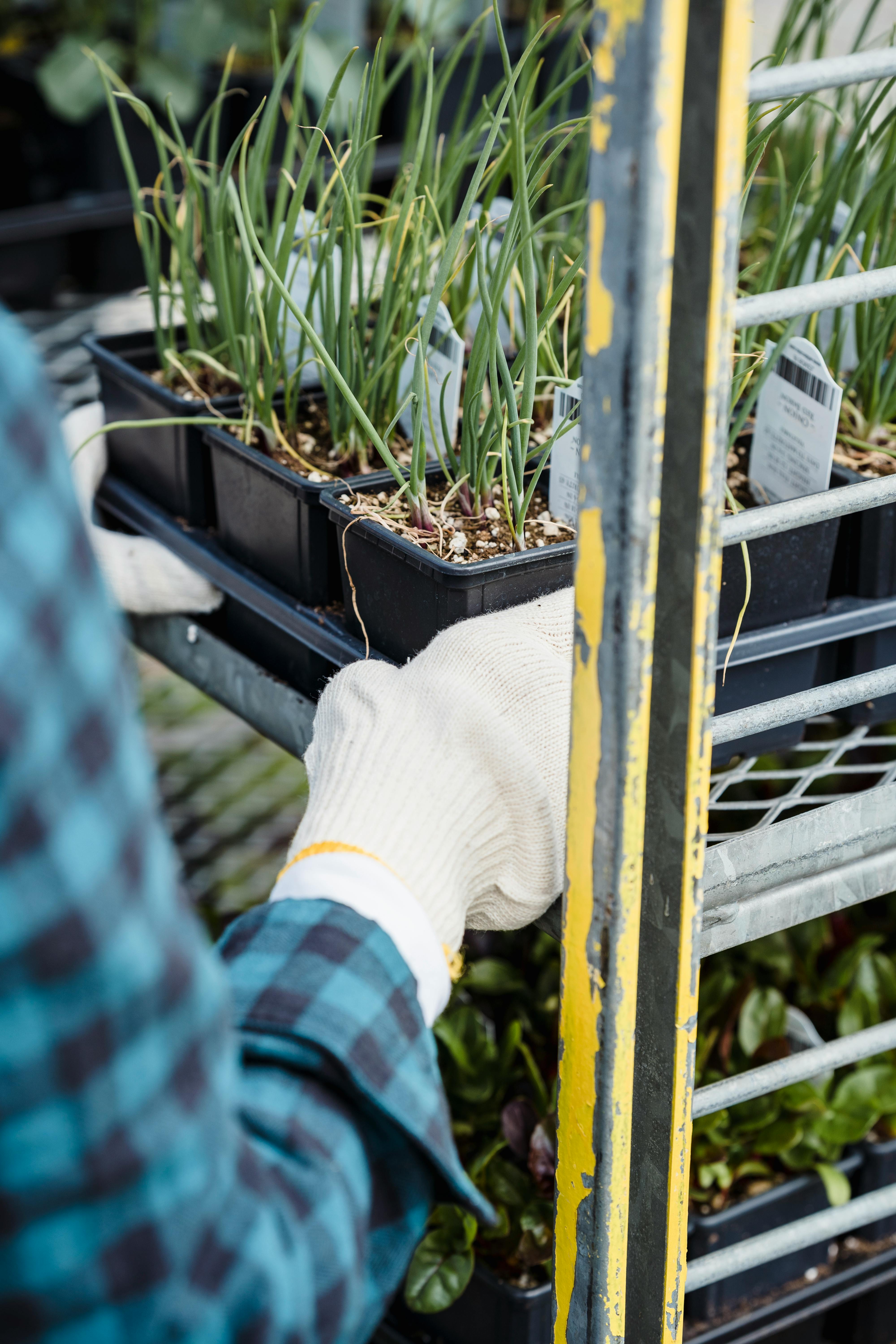
1. Optimize Space with Multi-Storey and Sack Gardens
Kenyan farmers creatively use vertical layers to boost yield per square meter. Multi-storey gardens, consisting of stacked growing beds or pockets, enable the cultivation of different crops on multiple levels.
- Choose a sturdy frame or use locally available materials such as dam liners to create vertical beds.
- Select crop types suitable for vertical farming such as leafy greens, strawberries, herbs, and small fruiting plants.
- Arrange plants by height and sunlight needs to ensure each layer receives optimal light.
- Irrigate using drip irrigation to avoid excessive water use and promote uniform moisture.
- Regularly monitor and manage pests organically to protect your crops without chemicals.
Boost your yields with the NewTest Soil Test Kit 4 Parameters – Accurate Soil Testing Kit available on Amazon to keep track of pH, nitrogen, phosphorus, and potassium for optimal soil health.
Explore sustainable organic farming solutions with Biofarm Kenya to get expert advice on setting up effective vertical gardens.
2. Implement Efficient Water Management using Drip Irrigation
Water scarcity and irregular rainfall patterns make irrigation efficiency crucial for vertical farming success in Kenya.
- Install drip irrigation systems for targeted watering at plant roots, reducing water wastage.
- Choose adjustable emitters for customizing water flows depending on the crop’s water demand.
- Use timers or automated watering controllers to maintain consistent hydration with minimal labor.
- Regularly inspect and maintain irrigation lines to prevent clogging and leaks.
- Collect and recycle rainwater where possible to enhance water sustainability.
Invest in the CARPATHEN Drip Irrigation System Kit available on Amazon designed for gardens and greenhouses, ideal for urban and peri-urban vertical farming setups.
3. Prioritize Soil Health with Organic Fertilizers
Maintaining fertility in vertical farming requires organic and mineral amendments that restore nutrients without compromising sustainability.
- Incorporate crushed oyster shell or bone meal fertilizers to supply calcium and phosphorus.
- Apply compost and manure to enrich organic matter content, enhancing moisture retention and microbial activity.
- Test soil regularly to adjust nutrient inputs based on crop and season requirements.
- Avoid synthetic fertilizers which can degrade soil health long term.
- Use biofertilizers and microbial inoculants to naturally improve nitrogen fixation and phosphorus solubilization.
Consider the AchmadAnam Crushed Oyster Shell Organic Fertilizer Soil Mineral Compost Nutrient product available on Amazon as a valuable amendment for sustainable nutrient management.
Case Studies, Examples, or Comparisons
Urban vertical farming has transformed Kenya’s informal settlements like Kibera and Mathare by enabling residents to grow nutritious vegetables in tight spaces using sack gardens and multi-layer setups. Supported by local NGOs, these models generate income for low-income families and improve food security. Nairobi's urban farming projects align with findings from Food and Agriculture Organization (FAO) reports emphasizing urban agriculture’s role in poverty reduction and sustainability.
In Wamunyu community, the introduction of vertical garden prototypes increased crop yields and reduced water use, showcasing local innovation blending tradition with modern sustainability practices. Ministry of Agriculture endorsements and partnerships with Biofarm Kenya further support scaling these setups to peri-urban smallholder farms.
Common Mistakes to Avoid
- Neglecting soil testing: Without regular soil analysis, nutrient imbalances can build up, reducing yield and causing crop stress.
- Overwatering or poor drainage: Vertical farms need proper irrigation management and drainage to prevent root rot and fungal diseases.
- Ignoring pest management: Vertical farms are vulnerable to pests if organic protective measures are not in place, risking crop loss.
- Using synthetic chemicals: Conventional fertilizers and pesticides can harm soil biodiversity and compromise organic certification.
- Poor crop selection: Planting crops unsuited for vertical or shade conditions can limit productivity; choose compatible species for your setup.
Expert Tips or Best Practices
Maintain soil vitality by regularly incorporating organic matter and conducting comprehensive soil tests using kits like the NewTest Soil Test Kit. Rotate crops within vertical layers to disrupt pest cycles and improve nutrient use.
Water efficiently with a drip irrigation system such as the CARPATHEN Drip Irrigation System Kit, which supports optimally timed water delivery, reduces labor, and conserves water.
For organic nutrient management, incorporate products like AchmadAnam Crushed Oyster Shell Fertilizer to supplement minerals safely and sustainably.
Explore sustainable organic farming solutions with Biofarm Kenya, where tailored advice and resource access can empower growers, increase farm resilience, and expand market access.
Future Trends or Predictions
Advancements in smart agriculture are driving innovations in vertical farming, including AI-driven crop monitoring, automation, and integrated pest management systems tailored to Kenyan smallholder contexts.
Smart irrigation systems that use sensors for soil moisture and weather forecasting will enhance precision watering practices.
Expansion of affordable greenhouse kits and modular vertical farming technologies will democratize access to controlled environment agriculture, enabling year-round production.
The fusion of organic farming practices with technological innovations presents a promising future for sustainable, profitable vertical farming across East Africa.
Conclusion
Revolutionary vertical farming is rapidly becoming a cornerstone of Kenya’s sustainable agriculture and urban food security strategies. By optimizing space, managing water efficiently, and prioritizing soil health with organic inputs, farmers can achieve profitable yields even in limited land areas.
Investing in reliable tools such as the organic farming tools available on Amazon helps maximize productivity and sustainability. For growers looking to scale or improve their vertical farming operations, explore sustainable organic farming solutions with Biofarm Kenya for expert guidance, resources, and community support to thrive in the evolving agribusiness landscape.
FAQs
1. What is vertical farming and how is it beneficial in Kenya?
Vertical farming is the practice of growing crops in vertically stacked layers or structures, maximizing production in limited spaces. It is beneficial in Kenya as it addresses land scarcity, enhances food security in urban areas, and supports sustainable use of water and nutrients. For more details, visit FAO Urban Agriculture.
2. How can Kenyan farmers start a vertical farm sustainably?
Farmers should begin by selecting appropriate space, using organic inputs, implementing water-efficient irrigation like drip systems, regularly testing soil, and choosing suitable crops. Biofarm Kenya provides tailored solutions and support for starting sustainable vertical farms (Biofarm Kenya Partners).
3. What crops are best suited for vertical farming in Kenya?
Leafy greens such as spinach, kale, herbs like basil and parsley, strawberries, and some small fruiting vegetables thrive in vertical farming setups due to their short growth cycles and manageable size. More insights can be found at Kenya Ministry of Agriculture.
4. How important is soil testing in vertical farming?
Soil testing is critical to identify nutrient deficiencies and pH imbalances that could limit plant health and yield. Using kits like the NewTest Soil Test Kit allows farmers to monitor and adjust soil conditions for optimal results. More at KEBS Soil Testing Guidelines.
5. What are common mistakes to avoid in vertical farming?
Common mistakes include overwatering, neglecting pest control, using synthetic chemicals, and not optimizing crop selection or soil fertility. Proper training and adherence to organic standards help avoid these errors. Refer to NEMA Kenya for regulations and best practices.
6. Can vertical farming generate sustainable income for Kenyan farmers?
Yes, vertical farming can be profitable by enabling year-round production, reducing input costs through efficient resource use, and tapping into premium organic markets. Success stories and support are featured by Biofarm Kenya.


0 Comments