

Estimated Reading Time: 11 minutes
TL;DR:
- Vertical farming is emerging as one of the Most Profitable Farming Ideas in 2026 in Kenya, offering efficient urban food production.
- Sustainable and organic farming practices enhance soil fertility, crop yield, and environmental health in Kenyan agribusiness.
- Innovations in irrigation, such as drip irrigation systems, and tools like soil testing kits, significantly boost productivity.
- Case studies of Kenyan farmers adopting vertical farming and sustainable methods demonstrate increased profitability and food security.
- Partnering with experts and accessing the right organic farming solutions ensures long-term success in Kenya’s evolving agribusiness landscape.
Key Takeaways:
- Integrate vertical farming with hydroponics or aeroponics to maximize limited urban land.
- Use organic fertilizers and sustainable water management tools for healthier crops and soils.
- Leverage affordable drip irrigation kits to save water and improve efficiency.
- Employ soil testing regularly to optimize nutrient use and crop performance.
- Explore sustainable organic farming solutions with Biofarm Kenya for expert guidance and support.
Introduction
Sustainable agriculture is rapidly transforming Kenya’s agribusiness landscape, positioning itself as a key driver of economic growth and food security. Among the Most Profitable Farming Ideas in 2026, vertical farming stands out for its ability to optimize limited urban spaces while promoting organic and eco-friendly cultivation. In a country where urbanization and climate change pose challenges to traditional farming, innovative solutions like vertical farming enable year-round production, resource efficiency, and reduced environmental impact. This article explores the rise of vertical farming in Kenya, alongside sustainable agribusiness strategies, supported by data, expert insights, and practical tips tailored for Kenyan farmers.
Background & Context
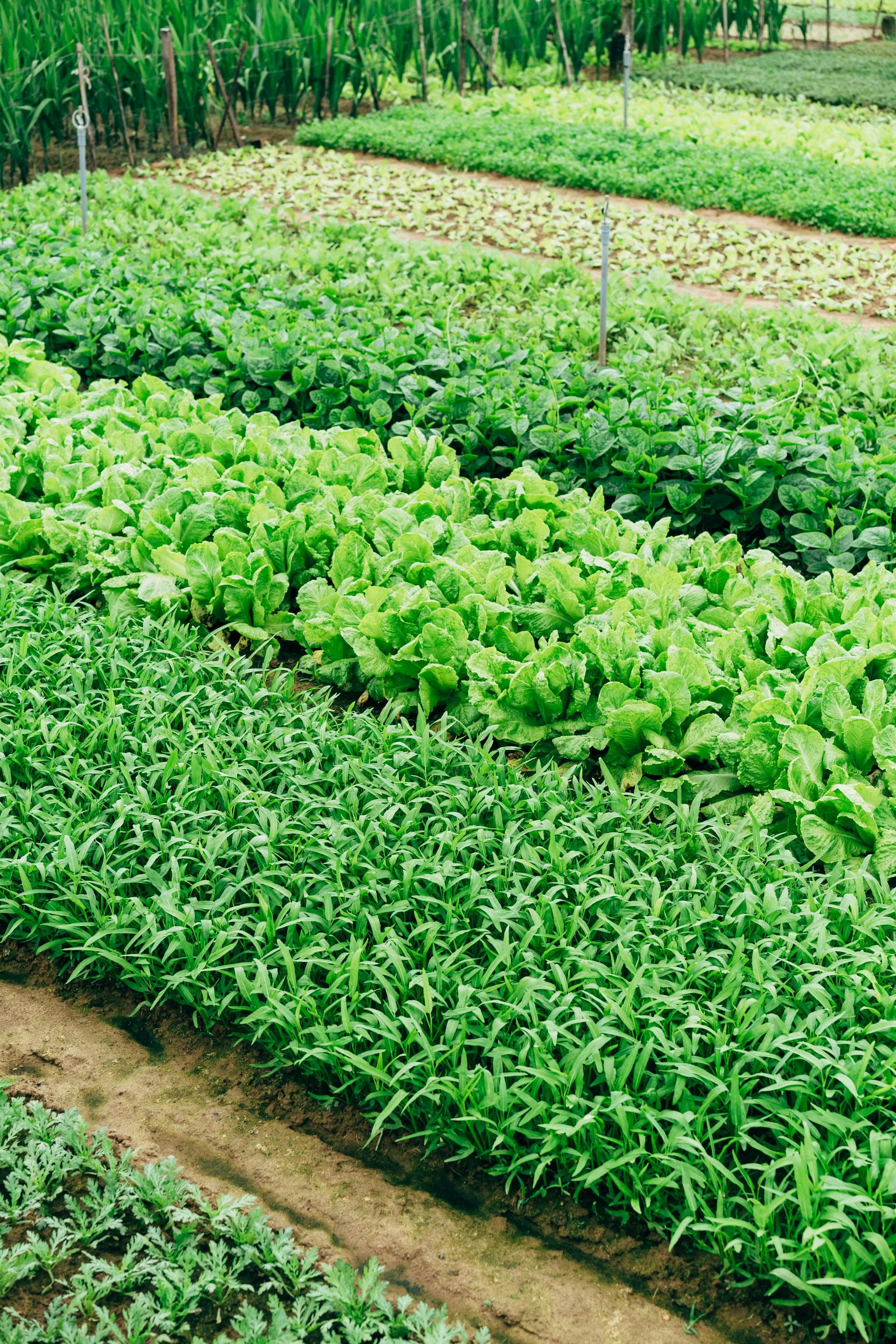
Kenya’s agricultural sector contributes over 26% to the national GDP and employs more than 75% of the rural population. However, challenges like land degradation, soil infertility, and unpredictable weather patterns threaten productivity. In response, many farmers are adopting organic farming techniques focused on soil fertility restoration and sustainable practices. According to the Kenya Organic Agriculture Network, organic farming is growing by 10–15% annually, enhancing food safety and soil health.
Vertical farming, an innovative agribusiness model, uses stacked layers in controlled environments (such as warehouses or greenhouses) to grow crops hydroponically or aeroponically. This approach aligns well with Kenya’s growing urban populations and limited arable land. The Middle East & Africa vertical farming market is projected to expand significantly, with Kenya emerging as a key player due to its supportive policies and increasing interest in climate-smart agriculture.
Key Insights or Strategies

1. Adopt Vertical Farming Systems
- Utilize Hydroponics and Aeroponics: Cultivate crops without soil to reduce water use and eliminate soil pests.
- Design Efficient Vertical Layouts: Use vertical stacks or modular racks to maximize space in urban settings.
- Implement LED Lighting: Supplement natural light with energy-efficient LED grow lights for consistent crop growth.
- Control Climate Conditions: Maintain optimal temperature, humidity, and CO₂ levels to boost yields.
- Market Locally: Supply fresh produce directly to urban consumers, reducing transport costs and enhancing freshness.
Boost your vertical farming efficiency with the CARPATHEN Drip Irrigation System Kit, ideal for precise watering in stacked gardens and greenhouses.
2. Embrace Organic Fertilizers
- Use Bio-fertilizers: Incorporate sustainable options like bokashi and compost to restore soil nutrients naturally.
- Test Soil Regularly: Monitor soil pH and nutrient levels to apply the appropriate organic amendments.
- Rotate Crops: Practice crop rotation and intercropping to maintain soil health and minimize pests.
- Limit Chemical Inputs: Avoid synthetic chemicals that degrade soil quality and affect biodiversity.
Enhance soil fertility by testing with the Complete Soil Test Kit – 100+ Tests, ensuring your crops get balanced nutrition.
Explore sustainable organic farming solutions with Biofarm Kenya to access expert advice and tailored products.
3. Implement Efficient Irrigation Techniques
- Install Drip Irrigation Systems: Deliver water directly to plant roots, reducing wastage and costs.
- Automate Watering: Use timers or smart irrigation controllers to optimize watering schedules based on plant needs.
- Harvest Rainwater: Collect and store rainwater for supplemental irrigation during dry periods.
- Monitor Soil Moisture: Use soil moisture sensors to avoid over or under-watering crops.
Consider the Soil pH & Moisture Tester Kit to monitor your farm’s precise watering needs effectively.
Explore sustainable organic farming solutions with Biofarm Kenya to learn more about irrigation and soil management technologies.
Case Studies, Examples, or Comparisons
Kenyan farmers like Kimani and Mwithiga have pioneered vertical farming solutions to grow nutritious vegetables on balconies and limited urban land, utilizing hydroponics and compost-based fertilization. These innovations have improved food access, reduced transport-related food spoilage, and increased farmer incomes.
The Food and Agriculture Organization (FAO) recognizes Kenya’s efforts in adopting vertical farming as a key to improving urban food security, particularly in Nairobi and Mombasa. Greenhouse adopters in various Kenyan counties have reported up to 30% yield increases compared to traditional farming methods, thanks to controlled environments and efficient irrigation.
In comparative studies, organic farming systems outperformed conventional methods by enhancing soil quality, pest resistance, and long-term productivity, even with slightly lower short-term yields. These lessons encourage a transition toward agroecology combined with smart technology.
Common Mistakes to Avoid
- Neglecting regular soil testing, leading to nutrient imbalances and poor crop performance.
- Overusing chemical fertilizers and pesticides, causing soil degradation and environmental harm.
- Improper irrigation techniques, resulting in water wastage or crop water stress.
- Ignoring pest and disease monitoring, allowing infestations to spread uncontrolled.
- Failing to adapt vertical farming systems to specific crop needs or local climate conditions.
- Skipping proper training and consultation with agronomy experts for advanced farming methods.
Expert Tips or Best Practices
Soil health is fundamental: Incorporate organic composts and biofertilizers for nutrient cycling. Maintain mulch layers to reduce erosion and retain moisture.
Select crops suited for vertical systems: Leafy greens, herbs, strawberries, and tomatoes thrive in controlled environments with shorter growing cycles.
Monitor environment variables: Use sensors for humidity, temperature, and CO₂ to optimize plant growth conditions.
Invest in quality tools: For precision soil management, use the Organic Compost Starter Mix to accelerate composting processes efficiently.
Explore sustainable organic farming solutions with Biofarm Kenya for customized farm audits, technology recommendations, and training programs tailored to your farm’s unique needs.
Future Trends or Predictions
Looking ahead, vertical farming is expected to integrate more smart farming technologies such as AI-driven crop monitoring, automated nutrient delivery, and climate control systems. The adoption of renewable energy sources in agribusiness will further reduce operational costs and environmental impact.
Climate-resilient seed varieties, combined with precision irrigation and soil health management, will continue to improve the sustainability and profitability of farms across Kenya. Furthermore, government policies and international partnerships are likely to enhance funding and technical support for smallholder farmers to scale up green agribusiness models.
Conclusion
Vertical farming and sustainable organic practices are set to redefine Kenyan agribusiness as some of the Most Profitable Farming Ideas in 2026. These innovative approaches tackle challenges from urban land scarcity to environmental degradation, boosting food security and farm incomes through efficient resource use and technology adoption.
Farmers are encouraged to embrace vertical systems, organic fertilizers, and precision irrigation tools to optimize production. Trusted tools like the organic farming tools on Amazon coupled with expert partnerships such as with Biofarm Kenya can help realize this potential sustainably and profitably.
FAQs
1. What is vertical farming and why is it important for Kenya?
Vertical farming is the practice of growing crops in vertically stacked layers within controlled environments. It is important for Kenya because it allows efficient food production in urban areas with limited land, conserves water, and enhances food security. FAO
2. How does organic farming improve soil health?
Organic farming uses natural fertilizers and compost to add nutrients and improve soil structure, promoting microbial activity and reducing chemical residues. This leads to better water retention and sustainable fertility. Kenya Ministry of Agriculture
3. What irrigation methods work best for small-scale Kenyan farms?
Drip irrigation is highly effective for small-scale farms as it delivers targeted watering, reduces wastage, and improves crop yields. Many affordable kits are available that suit Kenyan farmers' needs. NEMA Kenya
4. Are there affordable soil testing kits suitable for Kenyan farmers?
Yes, there are several affordable soil testing kits like the Complete Soil Test Kit that measure pH, nitrogen, phosphorus, and potassium, helping farmers optimize fertilizer use.
5. How can I start vertical farming without large capital?
You can begin with simple DIY systems using containers, grow lights, and hydroponic setups. Training and partnerships with organizations like Biofarm Kenya can provide guidance and resources. Biofarm Kenya
6. Where can Kenyan farmers find reliable organic farming inputs?
Reliable inputs can be sourced locally, but online platforms like Amazon offer certified organic fertilizers and tools shipped internationally. Partnering with regional experts like Biofarm Kenya ensures quality and relevance. Biofarm Kenya
External Authoritative Links:
- Food and Agriculture Organization (FAO)
- Kenya Ministry of Agriculture
- National Environment Management Authority (NEMA), Kenya
- UN Climate Change Science
- Crop Science Society of Australia
- Organic Farming Standards International
Internal Biofarm Kenya Links:


0 Comments