

Estimated Reading Time: 12 minutes
TL;DR:
- Most Profitable Farming Ideas in 2026 include innovative techniques such as vertical farming, hydroponics, and organic farming that maximize yields and sustainability in Kenya.
- Vertical farming offers higher yields per square meter by growing crops in stacked layers, ideal for urban and peri-urban areas facing land constraints.
- Using technology like drip irrigation and soil testing kits improves water use efficiency and soil health, boosting profits.
- Kenyan farmers adopting vertical farming and greenhouse systems have seen significant income growth supported by government and agricultural associations.
- Biofarm Kenya and its partners provide sustainable organic farming solutions that are easy to adopt and eco-friendly.
Key Takeaways:
- Explore vertical farming as a top agribusiness opportunity that enhances profitability and sustainability.
- Leverage drip irrigation systems to reduce water waste and ensure precise watering, crucial for Kenya's climate conditions.
- Invest in soil testing kits to regularly monitor and amend soil fertility, optimizing crop output.
- Consider quality organic fertilizers and composting to improve soil health and crop resilience sustainably.
- Explore sustainable organic farming solutions with Biofarm Kenya to access innovative agritech and training for profit growth.
Table of Contents
- Introduction
- Background & Context
- Key Insights or Strategies
- Case Studies, Examples, or Comparisons
- Common Mistakes to Avoid
- Expert Tips or Best Practices
- Future Trends or Predictions
- Conclusion
- FAQs
Introduction
In Kenya's rapidly evolving agricultural landscape, sustainable and profitable farming methods are crucial for feeding a growing population and enhancing rural livelihoods. Among the Most Profitable Farming Ideas in 2026, vertical farming stands out as a revolutionary approach that maximizes yields on limited land area while promoting environmental conservation. This method aligns well with Kenya's urban and peri-urban farming realities where land is scarce but demand for fresh, nutritious produce is high. This article explores how vertical farming, alongside complementary technologies such as drip irrigation and organic inputs, can boost profits and sustainability for Kenyan farmers.
Background & Context
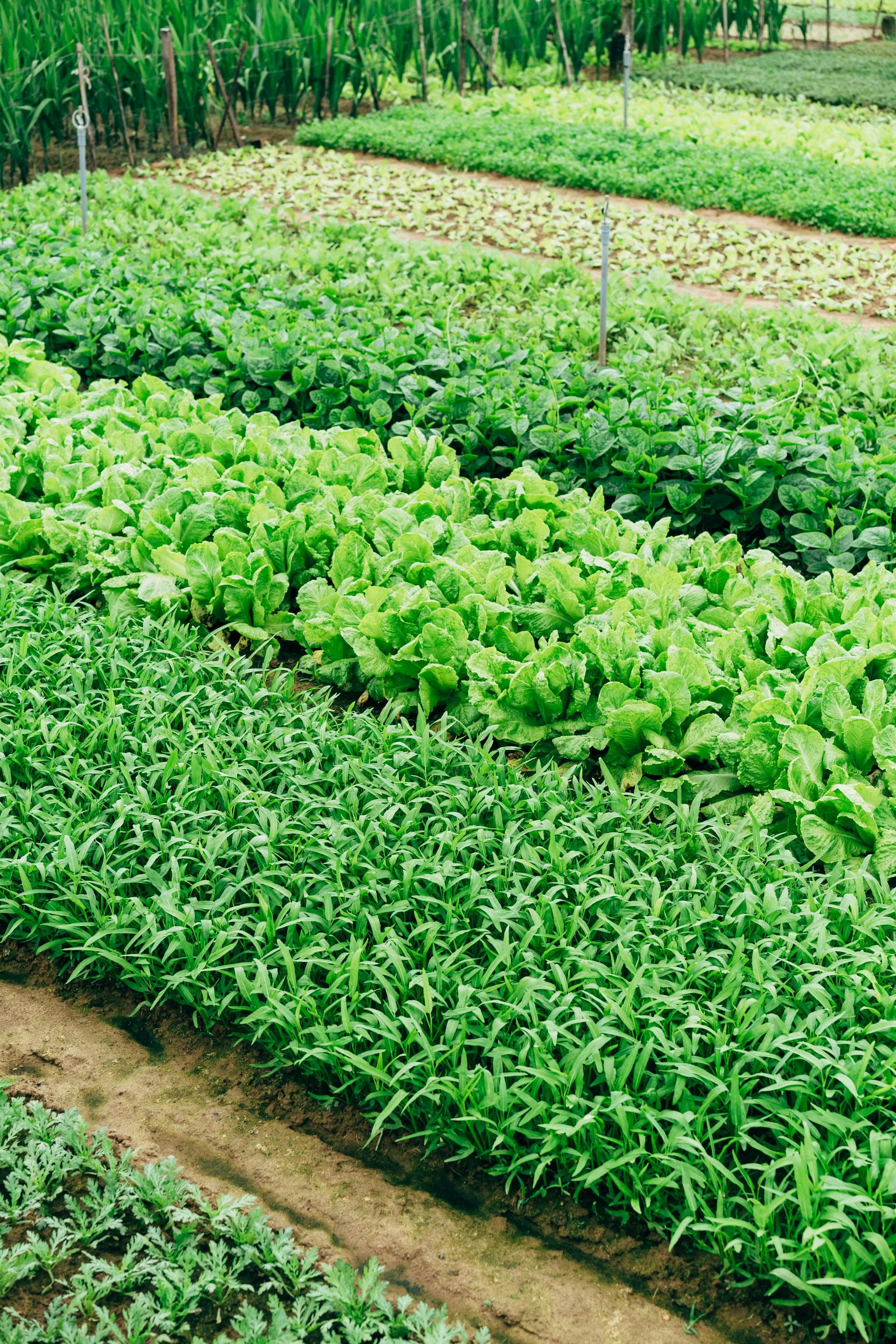
Kenya's agribusiness sector contributes significantly to the national economy, accounting for about 33% of GDP and engaging over 75% of the rural population. Organic farming practices and soil fertility management have become central themes as farmers seek to enhance productivity without degrading the environment. According to the Kenya National Bureau of Statistics (KNBS), organic agriculture acreage has increased steadily with a growing consumer preference for chemical-free produce.
Soil fertility remains a critical challenge due to continuous cropping and erosion, prompting wider adoption of sustainable soil amendments and integrated pest management. Meanwhile, urban farming innovations, including vertical and hydroponic systems, are gaining traction to meet fresh vegetable demand within Nairobi and other large cities.
Key Insights or Strategies

1. Implement Vertical Farming for Intensive Production
Vertical farming utilizes stacked layers to cultivate crops in a controlled environment. This approach reduces the land footprint, allows year-round production, and increases yield density.
- Choose suitable crops such as leafy greens, herbs, and strawberries that thrive in vertical systems.
- Set up shelves or towers using locally available materials to reduce costs.
- Incorporate hydroponic or aeroponic technologies to optimize water and nutrient use.
- Monitor environmental conditions like humidity and light to maintain crop health.
- Market your produce directly to urban consumers and restaurants to maximize returns.
Boost your vertical farming efficiency with the CARPATHEN Drip Irrigation System Kit – a flexible watering system perfect for indoor and greenhouse setups.
2. Use Drip Irrigation Systems to Save Water and Improve Crop Yields
Drip irrigation delivers water directly to plant roots, minimizing evaporation and runoff—essential under East Africa’s variable rainfall.
- Install a drip irrigation kit suitable for your farm size and crop type.
- Regularly check and clean emitters to prevent clogging.
- Integrate with rainwater harvesting or solar-powered pumps to reduce costs.
- Combine irrigation scheduling with soil moisture monitoring for efficient use.
- Train farm workers on maintenance to ensure longevity of the system.
For reliable drip irrigation, consider the RAINPOINT 50FT Drip Irrigation System, widely recommended for gardens and greenhouses.
3. Regular Soil Testing to Optimize Soil Health
Healthy soil underpins sustainable farming. Testing soil pH and nutrient levels allows farmers to customize fertilizer and amendment applications.
- Collect soil samples from different farm zones for comprehensive testing.
- Use reliable soil test kits to check nutrient levels, pH, and organic matter content.
- Adjust fertilizer type and application rates based on test results.
- Incorporate organic matter such as compost to improve soil texture and fertility.
- Retest soils annually or bi-annually to track changes and prevent depletion.
Enhance soil testing with the Soil Test Kit -140 Test- 2026 Version, which covers key parameters for vegetable gardens and lawns.
Explore sustainable organic farming solutions with Biofarm Kenya to support your farming journey with expert advice and quality inputs.
Case Studies, Examples, or Comparisons
Several Kenyan farmers have adopted vertical and greenhouse farming methods with notable success. For instance, a peri-urban farmer in Nairobi reported tripling their vegetable yields using vertical hydroponic towers combined with drip irrigation. Supported by the African Association for Vertical Farming (AAVF), farmers are gaining access to training and affordable tech solutions that enhance productivity year-round.
The Food and Agriculture Organization (FAO) and Kenya’s Ministry of Agriculture endorse such innovations as key to climate adaptation and food security, recognizing their role in reducing water usage and pesticides while increasing yields.
Common Mistakes to Avoid
- Poor irrigation management leading to overwatering or underwatering; address this with proper scheduling and moisture monitoring.
- Ignoring soil testing, resulting in nutrient imbalances and reduced yields; test soil regularly and amend accordingly.
- Using chemical fertilizers indiscriminately instead of balanced organic amendments; incorporate compost and organic fertilizers for healthier soils.
- Neglecting pest and disease monitoring in vertical farms; maintain strict hygiene and integrated pest management.
- Improper design of vertical systems leading to unstable structures or inadequate light; plan layout and structure carefully.
Expert Tips or Best Practices
Maximize your farm's profitability and sustainability by following these tips:
- Start with crops that have high market demand and suitable growth cycles for vertical farming.
- Invest in good-quality organic compost like the Brut Organic Worm Castings for Plants to improve soil fertility and plant health.
- Integrate smart irrigation tools for efficient water use, including timers and moisture sensors where possible.
- Partner with organizations like Biofarm Kenya for training and access to sustainable farming inputs tailored to Kenyan conditions.
- Keep detailed records of inputs, crop yields, and sales to fine-tune your farming practices and improve profitability.
Future Trends or Predictions
Looking ahead, vertical farming in Kenya is set to integrate smart technologies such as AI-driven crop monitoring and automated irrigation scheduling. Urban farms will increasingly source renewable energy to power lighting and climate control. Innovations in biopesticides and organic nutrient formulations will reduce dependency on chemicals, advancing organic certification rates.
Scaling vertical farming through cooperative models and commercial greenhouses will broaden access and reduce individual startup costs. These trends confirm vertical farming as one of the Most Profitable Farming Ideas in 2026 and beyond.
Conclusion
Vertical farming offers Kenyan farmers a sustainable, space-efficient way to boost crop production and profits while preserving the environment. Combining this with water-saving drip irrigation and regular soil testing ensures optimal resource use and healthier plants. For farmers seeking reliable tools and solutions, trusted organic farming products on Amazon and expert guidance from Biofarm Kenya provide invaluable support for success.
FAQs
1. What crops are best for vertical farming in Kenya?
Leafy greens such as kale, spinach, and lettuce, as well as herbs like basil and mint, thrive in vertical farming setups in Kenya. They have short growth cycles and high market demand. For more info, visit FAO Kenya.
2. How does drip irrigation benefit Kenyan farms?
Drip irrigation reduces water use by delivering it directly to plant roots, minimizing evaporation and runoff—crucial in semi-arid regions of Kenya. It improves yields and water efficiency. See details at NEMA Kenya.
3. How often should soil be tested?
Soil should be tested at least once or twice a year, preferably before planting seasons, to monitor nutrient levels and pH. This helps tailor fertilizer applications for optimal crop growth. More at Kenya Ministry of Agriculture.
4. Are organic fertilizers effective for vertical farming?
Yes, organic fertilizers provide essential nutrients while improving soil health and microbial activity. They are safe for plants in vertical farming media and support sustainable agriculture. Learn more from Biofarm Kenya.
5. What is the initial cost of setting up a vertical farm?
Costs vary based on farm size and technology. Basic vertical farms can start affordably using local materials and manual irrigation, with costs rising for hydroponics, climate control, and automation. Guidance is available from the Kenya Agriculture Authority.
6. How can I access training for vertical farming?
Organizations like the African Association for Vertical Farming (AAVF) Kenya chapter and Biofarm Kenya offer training, resources, and networking opportunities. Visit Biofarm Kenya partners for more info.
Additional Resources & References:


0 Comments