

Estimated Reading Time: 12 minutes
TL;DR: Vertical farming stands out among the most profitable farming ideas in 2026 for Kenya due to space efficiency, sustainability, and year-round crop production. Key strategies include adopting smart drip irrigation, organic fertilizers, and small-scale greenhouses. Case studies from Kenyan farmers demonstrate success with integrated vertical systems. Avoid common mistakes like poor soil management and inadequate irrigation. Future farming trends include AI-driven crop monitoring and modular vertical farms. For sustainable solutions, Biofarm Kenya offers valuable support and resources.
Key Takeaways:
- Vertical farming maximizes space and profitability for Kenyan farmers in 2026 and beyond.
- Using drip irrigation systems and organic fertilizers increases yields and water efficiency.
- Investing in greenhouse kits for controlled environment farming reduces risks from weather.
- Avoid soil nutrient depletion by regular soil testing and proper application of fertilizers.
- Leverage emerging technologies like AI monitoring to optimize vertical farming operations.
Introduction
Background & Context
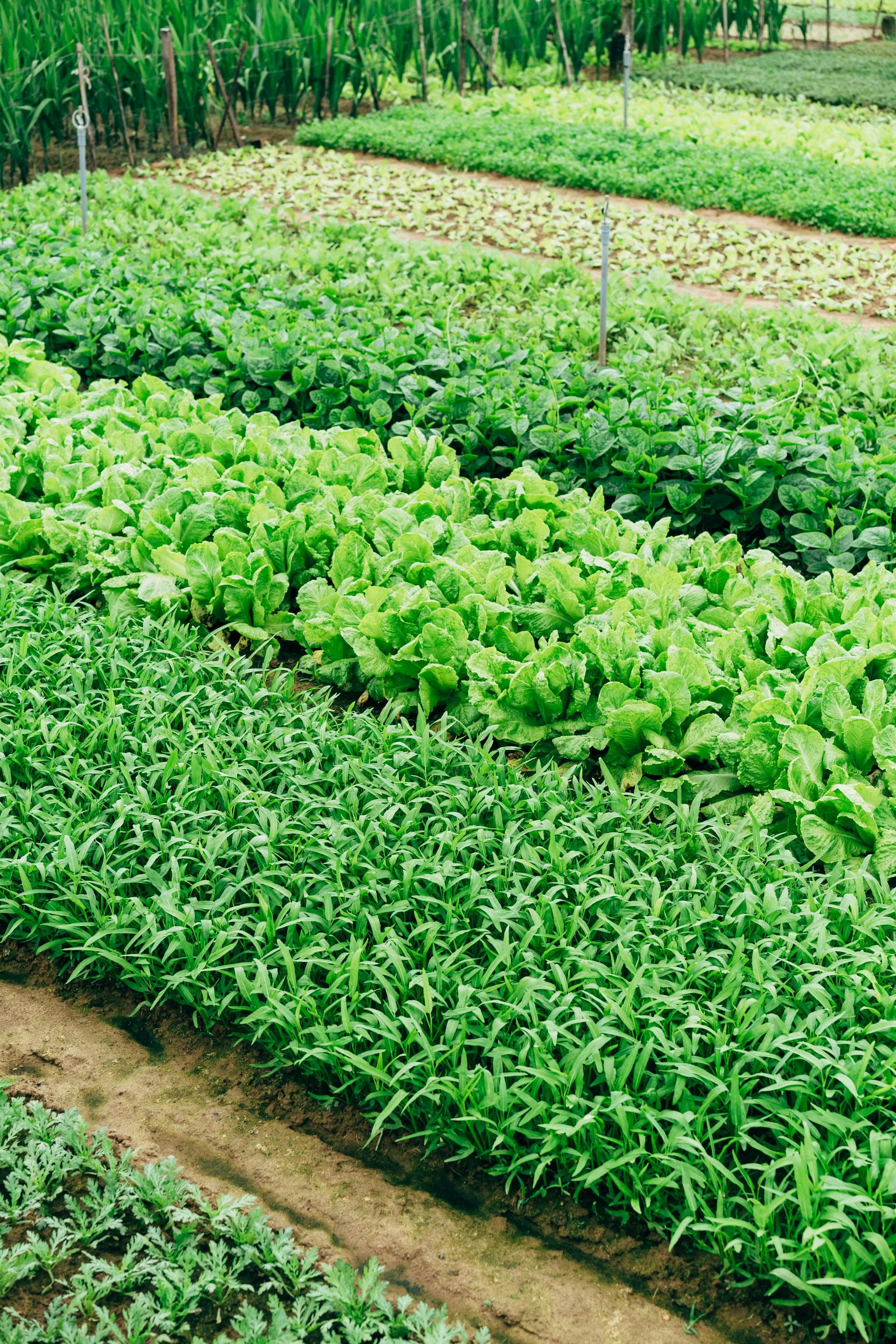
Kenya's agribusiness sector is rapidly growing, with increasing attention on sustainable methods such as organic farming and soil fertility management. According to the Ministry of Agriculture, organic farming adoption is rising by over 10% annually, reflecting farmers' emphasis on soil health and environmental conservation.
The Kenyan government and organizations like the Food and Agriculture Organization (FAO) promote integrated farming practices that conserve resources, enhance yields, and improve food security. Vertical farming aligns well with these goals by enabling year-round crop cultivation using less land and water.
Key Insights or Strategies

1. Optimize Space with Modular Vertical Farming Systems
- Install tiered planting racks or stackable containers for diverse crops.
- Utilize urban and peri-urban spaces like rooftops and balconies for farming.
- Combine hydroponics or aquaponics to conserve soil and water.
Vertical farms allow farmers to grow vegetables, herbs, and fruits efficiently, increasing yield per square meter compared to traditional farming.
2. Employ Smart Drip Irrigation Systems
- Implement drip irrigation kits that deliver precise water quantities directly to plant roots.
- Schedule irrigation based on crop needs and soil moisture levels to prevent water wastage.
- Maintain and monitor irrigation components to ensure consistency.
Drip irrigation reduces water consumption by up to 50%, enhancing productivity sustainably. For farmers looking to install such systems, the CARPATHEN Drip Irrigation System Kit – available on Amazon offers a comprehensive, adjustable solution suitable for raised beds and greenhouses.
3. Enhance Soil Fertility with Organic Fertilizers
- Conduct soil tests regularly to determine nutrient deficiencies.
- Apply organic amendments such as compost and humic acid powders for sustained soil health.
- Rotate crops to prevent nutrient depletion and pest buildup.
Using natural fertilizers not only improves yields but also maintains ecological balance. Consider the Wallace Organic Wonder Humic & Fulvic Acid Powder for improving nutrient uptake and plant vigor in organic farming setups.
Case Studies, Examples, or Comparisons
Successful adoption of vertical farming and controlled environment agriculture can be seen across Kenya. In Nairobi and Eldoret, urban farmers growing leafy greens and herbs in stackable vertical farms report yield increases up to 3x traditional methods. The incorporation of drip irrigation has cut water use substantially while enhancing vegetable quality.
The FAO supports these initiatives by providing training and technical assistance for greenhouse and vertical farming adoption. Small-scale greenhouse kits have been effective at protecting crops from erratic weather and pests, boosting income stability. For instance, farmers using mini greenhouses near Kisumu doubled their tomato harvests through extended growing seasons.
Common Mistakes to Avoid
- Poor soil nutrient management: Failing to test soil and blind application of fertilizers can harm crops. Regular soil testing is critical.
- Over or under irrigation: Avoid watering mistakes by using drip systems and moisture sensors to optimize efficiency.
- Ignoring pest and disease control: Vertical farms still need pest management; neglect can cause fast spread due to close planting.
- Neglecting temperature and humidity control: Inadequate greenhouse ventilation damages sensitive crops—maintain proper airflow.
Expert Tips or Best Practices
Local experts recommend integrating vertical farming with organic practices and smart technology for maximum results. Use soil test kits regularly to make data-driven fertilizer decisions. The Soil Test Kit - 140 Tests for pH, Nitrogen, Phosphorus & Potassium allows precise monitoring of soil health.
Installing a compact greenhouse kit protects crops and lengthens growing seasons. For Kenyan farmers, the 10x18 FT Aluminum Walk-in Polycarbonate Greenhouse Kit offers durability and ease of assembly suitable for small farms.
Future Trends or Predictions
Looking forward to 2026 and beyond, vertical farming in Kenya will increasingly integrate AI-driven crop monitoring systems that analyze plant health and automate irrigation. Modular and scalable vertical farms using renewable energy sources are expected to become mainstream.
Innovations like sensor-based nutrient dosing, drone surveillance, and climate adaptive structures will enable farmers to produce higher yields with fewer inputs sustainably. Public-private partnerships and tech hubs in Kenya are accelerating these transformations, promising a resilient and profitable agricultural future.
Conclusion
Profitable vertical farming ideas in 2026 present transformative opportunities for Kenyan agribusiness. By optimizing space, leveraging drip irrigation, employing organic fertilizers, and using greenhouses, farmers can increase productivity sustainably. Regular soil testing and avoiding common mistakes ensures long-term soil fertility and strong crop health.
Discover trusted organic farming tools on Amazon and learn more about sustainable solutions with Biofarm Kenya .
FAQs
1. What are the primary benefits of vertical farming in Kenya?
Vertical farming maximizes limited land use, reduces water consumption, and enables year-round production. It supports sustainable urban agriculture and increases food security. For detailed insights, visit the FAO website.
2. How can Kenyan farmers optimize water use in farming?
Using drip irrigation systems delivers water efficiently to plant roots, minimizing waste. Combining this with rainwater harvesting further conserves water. Guidance on irrigation best practices is available from the Kenya Ministry of Agriculture.
3. Which organic fertilizers are best suited for vertical farming?
Compost, worm castings, humic acid powders, and bone meal fertilizers enrich soil naturally, improving plant growth and resilience. Biofarm Kenya offers advice and access to organic inputs; see their partner page.
4. Why is soil testing important for profitable farming?
Soil testing identifies nutrient levels and pH balance, helping farmers apply correct fertilizer types and amounts. This prevents nutrient deficiencies or toxicities, optimizing crop health. Learn more from the Kenya Bureau of Standards.
5. What are common challenges in vertical farming and how to address them?
Challenges include pest management, humidity control, and initial setup costs. Proper ventilation, integrated pest management, and phased investments help overcome these. The National Environment Management Authority (NEMA) provides guidelines on sustainable farming practices.
6. How is technology shaping the future of farming in Kenya?
Technological adoption like AI monitoring, sensor-based irrigation, and mobile agronomy advice enhances productivity while conserving resources. Organizations such as Biofarm Kenya support tech integration; find out more on their resources page.
External Authoritative Links: FAO, Kenya Ministry of Agriculture, KEBS, NEMA, Biofarm Kenya Partner Solutions
Internal Biofarm Links: Biofarm Kenya Partner Page (3x mentions within content)


0 Comments