

Estimated Reading Time: 12 minutes
Table of Contents
- Introduction
- Background & Context
- Key Insights or Strategies
- Case Studies, Examples, or Comparisons
- Common Mistakes to Avoid
- Expert Tips or Best Practices
- Future Trends or Predictions
- Conclusion
- FAQs
Introduction
Agriculture continues to be the backbone of Kenya’s economy, providing livelihoods for over 70% of the population and contributing significantly to GDP. As the country advances into 2026, the search for Most Profitable Farming Ideas in 2026 reflects a dynamic shift towards sustainable, innovative, and climate-smart farming methods. Organic farming, vertical farming, and the emerging field of lab-grown meat represent promising pathways for Kenyan farmers eager to increase income, enhance food security, and protect the environment.
This article delves into the highest-return farming ventures shaping Kenya’s agribusiness landscape, equipping farmers and investors with expert insights and actionable strategies for success.
Background & Context
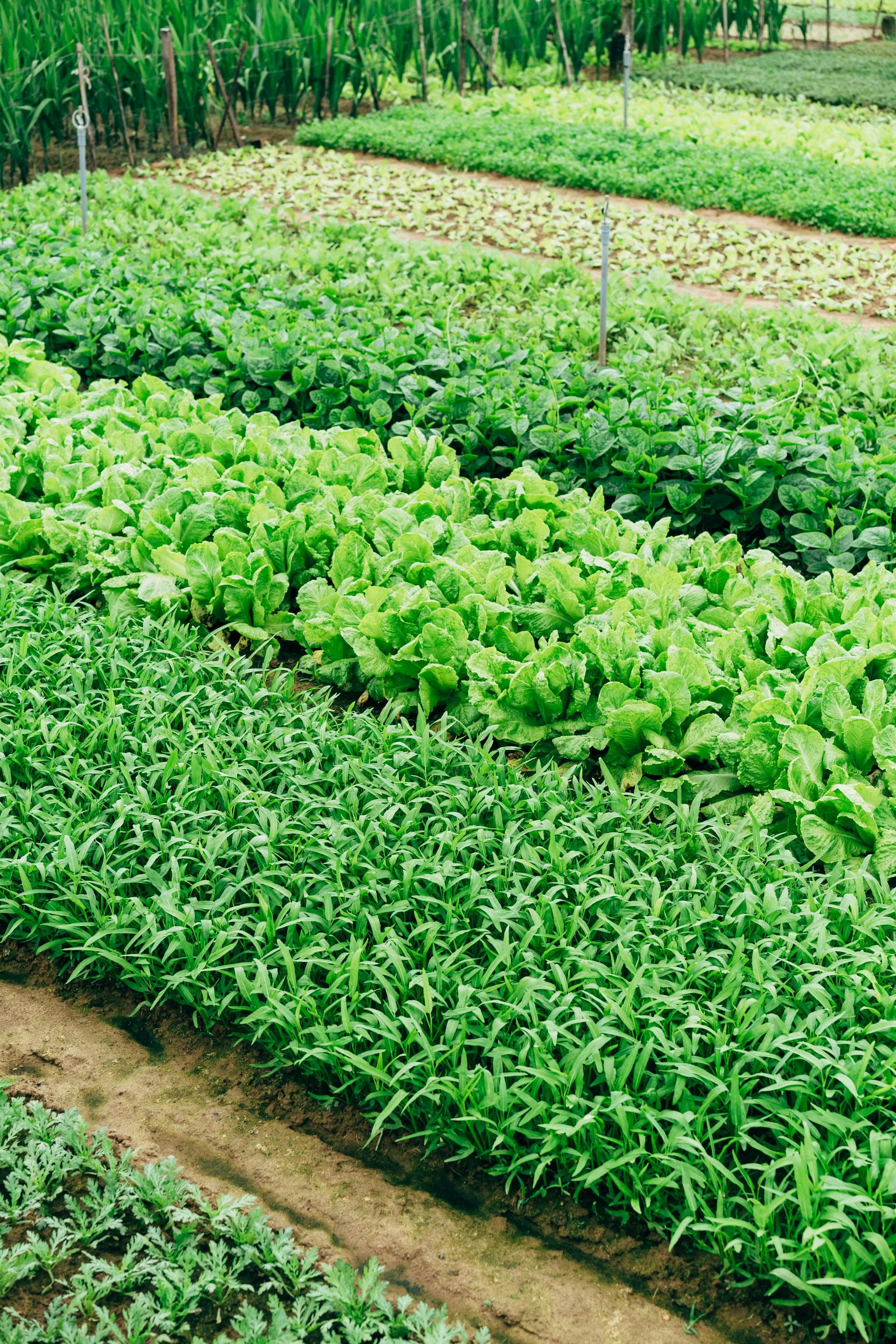
Kenya’s agriculture sector has seen consistent growth with increased adoption of organic farming practices that improve soil fertility and yield healthful produce free from synthetic chemicals. According to the Kenya National Bureau of Statistics (KNBS), organic farming acreage has expanded by over 30% in the past five years as consumers seek safer food.
Additionally, soil degradation remains a challenge due to overuse of chemical fertilizers and unsustainable land practices. The implementation of sustainable farming techniques such as integrated pest management, crop rotation, and organic fertilization has thus become imperative.
Entrepreneurial ventures like vertical farming and lab-grown meat production, though nascent in Kenya, are set to escalate in importance with urbanization, land scarcity, and climate variability intensifying. The Food and Agriculture Organization (FAO) emphasizes these technologies as critical for future-proofing food systems.
Key Insights or Strategies

1. Vertical Farming: Maximizing Space and Sustainability
Vertical farming leverages stacked layers and controlled environments to grow crops indoors or on small land footprints. This method uses up to 90% less water than traditional farming and reduces pesticide use.
- Identify suitable urban or peri-urban locations for establishing vertical farms to access nearby markets.
- Invest in LED grow lights and automated systems to optimize plant growth and energy use.
- Focus on leafy greens, herbs, and fast-growing vegetables for quick returns.
- Integrate aquaponics or hydroponic techniques to enhance resource efficiency.
Boost your vertical farming yields with the CARPATHEN Drip Irrigation System Kit – available on Amazon, perfect for precise watering in compact setups.
2. Organic Fertilizers: Restoring Soil Health
Using organic fertilizers such as compost, manure, and bokashi enriches soils with essential nutrients and beneficial microbes, improving plant health and resilience. Kenyan studies note increased yields and cost savings with this practice.
- Train farmers in composting techniques using farmyard waste to produce nutrient-rich organic fertilizers.
- Encourage gradual transition from chemical to organic inputs to maintain productivity.
- Apply organic matter regularly to build soil organic carbon and moisture retention.
- Partner with organic fertilizer suppliers to ensure consistent input quality.
For a reliable organic fertilizer option, consider Wallace Organic Wonder, Soluble Humic & Fulvic Acid Powder available on Amazon.
Explore sustainable organic farming solutions with Biofarm Kenya to access expert guidance and inputs tailored for Kenyan farmers.
3. Efficient Irrigation: Drip Systems for Water Conservation
Water scarcity threatens Kenyan agriculture, making irrigation efficiency indispensable. Drip irrigation delivers water directly to plant roots, minimizing waste, and boosting yields.
- Conduct soil moisture assessments to tailor irrigation scheduling.
- Install adjustable drip emitters for precise water delivery in diverse crop setups.
- Maintain irrigation tubing and filters to avoid blockages and leaks.
- Combine irrigation with fertigation to supply nutrients via water delivery.
A practical product to start with is the Garden Automatic Irrigation System 164FT Kit available on Amazon.
Explore sustainable organic farming solutions with Biofarm Kenya for support on implementing irrigation and fertigation programs.
Case Studies, Examples, or Comparisons
Numerous Kenyan farmers have embraced these profitable ventures with success. For instance, peri-urban farmers in Nairobi have adopted vertical farming to supply organic leafy greens to local supermarkets, achieving premium prices and year-round harvests.
In Embu county, the Kenya Agricultural and Livestock Research Organization (KALRO) collaborates with smallholder farmers integrating organic amendments, leading to significant yield improvements in maize and vegetable production.
Greenhouse adoption has surged in regions like Nakuru, enabling farmers to grow high-value vegetables through controlled environments despite changing rainfall patterns. This adoption aligns with Ministry of Agriculture reports highlighting greenhouse farming as a key strategy for climate resilience.
Common Mistakes to Avoid
- Over-reliance on chemical fertilizers: This depletes soil health; transition gradually to organic alternatives.
- Poor irrigation management: Overwatering leads to waterlogging; under-watering stresses plants. Use soil moisture tools to schedule irrigation.
- Neglecting pest and disease monitoring: Even organic farms should regularly inspect and manage issues early.
- Choosing wrong crop varieties: Adapt crop selection to local climate and market demand for profitability.
- Improper greenhouse ventilation: This can cause temperature and humidity stress, reducing crop quality.
Expert Tips or Best Practices
Kenyan farmers looking to thrive in 2026 should integrate technology with traditional knowledge, practicing continuous learning and market awareness. Maintain soil fertility with rotational cover crops and organic composting. Monitor water use closely and invest in affordable automation where possible to reduce labor.
For small farms, a portable greenhouse kit like the EAGLE PEAK 8x6 Portable Walk in Greenhouse available on Amazon can facilitate crop diversification and season extension.
Explore sustainable organic farming solutions with Biofarm Kenya to access training, inputs, and networking opportunities.
Future Trends or Predictions
Looking ahead, Kenya’s farming sector is poised to benefit from innovations such as:
- Smart irrigation systems incorporating sensors and AI to optimize water and nutrient delivery.
- Expanded vertical farming units using renewable energy and automation to enhance urban food security.
- Lab-grown meat as an emerging agribusiness to meet rising protein demand sustainably.
- Digital platforms for market linkage, input sourcing, and farmer advisory services.
- Climate-smart crop varieties developed through biotechnology and local breeding programs.
These trends signal increasingly profitable and sustainable opportunities for farmers embracing modern agribusiness models.
Conclusion
Profitable farming ventures in Kenya for 2026 blend innovation with sustainability — from vertical farming and organic fertilizer application to drip irrigation and greenhouse cultivation. Embracing these strategies can improve incomes while preserving soil health and water resources.
Farmers and agripreneurs seeking trusted organic farming tools can visit Amazon for a range of products tailored for various scales and needs. Concurrently, learn more about sustainable solutions with Biofarm Kenya to gain access to expert resources, quality inputs, and a supportive farming community.
FAQs
Vertical farming enhances space efficiency, reduces water use by up to 90%, allows year-round crop production, and minimizes pest issues by providing controlled environments. It helps meet urban food demand sustainably. For more, see FAO's vertical farming insights.
Organic fertilizers add nutrients and beneficial microorganisms that restore soil structure, increase moisture retention, and enhance nutrient cycling, leading to improved crop yields. Learn details from KALRO's research.
Yes, drip irrigation conserves water, reduces labor, and increases yields, making it cost-effective especially in drought-prone areas. Small-scale kits are available as shown on Amazon. Guidance from NEMA also supports sustainable water use.
High-value vegetables like tomatoes, peppers, lettuce, and herbs thrive in greenhouses, enabling year-round supply with protected, quality produce. For design options, explore kits like the EAGLE PEAK greenhouse.
Biofarm Kenya offers expert advisory, organic inputs, training, and a partnership network to help farmers adopt sustainable agricultural practices and access profitable markets. Visit Biofarm Kenya Partners for more.
Lab-grown meat is an emerging technology with huge future potential but remains in the early stages of commercial viability in Kenya. Investments and research are ongoing to scale production affordably. For global trends, refer to FAO innovations in protein technologies.
More helpful resources from Biofarm Kenya:


0 Comments