

Estimated Reading Time: 12 minutes
Introduction
In Kenya, agriculture remains a backbone of the economy, directly supporting millions of livelihoods. As urbanization grows and land becomes scarce, the demand for innovative, sustainable farming approaches intensifies. One of the most profitable farming ideas in 2026 gaining traction is vertical farming — a method of growing crops stacked in layers within controlled environments. This technique pushes beyond traditional farming’s limitations by optimizing space, improving yields, and addressing crucial food security challenges faced by Kenya and East Africa.
This article explores vertical farming’s vital role in Kenya’s agribusiness future, offering strategic insights, practical examples, and expert advice tailored for Kenyan farmers and agripreneurs.
Background & Context
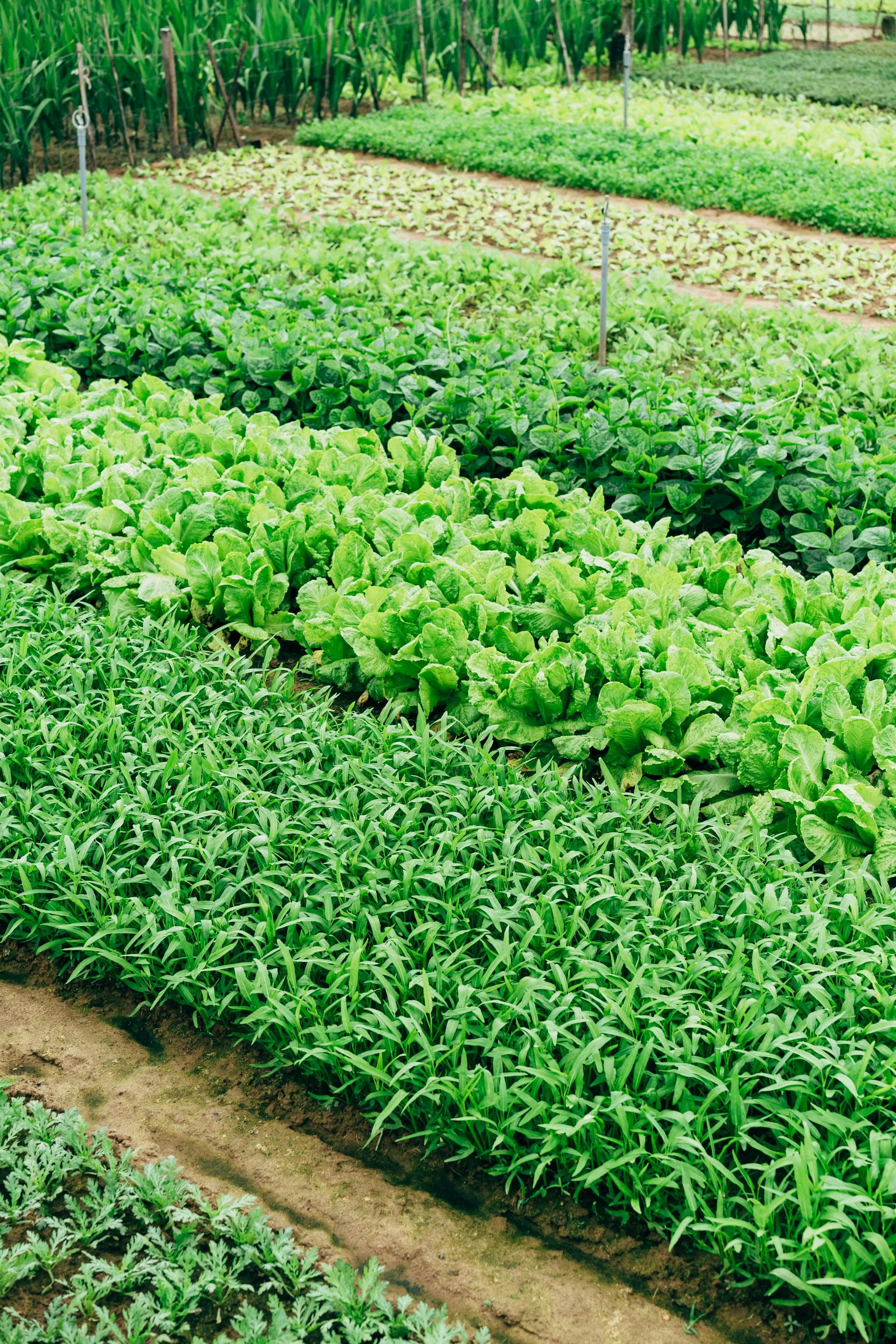
Kenya’s agricultural sector is undergoing rapid transformation, especially with the increasing adoption of sustainable and organic farming practices. The country’s arable land is limited — less than 10% of the landmass is suitable for farming — yet agriculture accounts for about 33% of Kenya’s GDP and employs over 75% of the rural population. Agricultural productivity, however, is hampered by factors such as land fragmentation, degraded soils, water scarcity, and climate change impacts.
Organic farming and soil fertility management have gained momentum in Kenya, helping improve yields and restore ecosystem health. According to the Kenya National Bureau of Statistics and Ministry of Agriculture reports, the organic market is growing steadily, fueled by consumer health awareness and export opportunities.
Within this context, vertical farming emerges as a compelling agribusiness innovation — allowing Kenyan farmers to grow more food on smaller footprints, conserve resources, and adopt sustainable methods for the future.
Key Insights or Strategies

1. Optimize Space with Multi-layered Vertical Farming Systems
The cornerstone of vertical farming is stacking growing beds or trays vertically rather than spreading horizontally. This technique maximizes yield per square meter.
- Choose structures adaptable to your environment — from simple multi-storey garden frames to enclosed hydroponic greenhouses.
- Utilize vertical towers, rack systems, or meshed walls for planting herbs, leafy greens, and small fruits.
- Integrate LED grow lights for indoor farms to enhance photosynthesis when natural light is insufficient.
2. Implement Water-Efficient Drip Irrigation Systems
Water scarcity in Kenya necessitates efficient irrigation methods. Drip irrigation delivers water directly to plant roots, reducing waste.
- Install drip irrigation kits suited for vertical setups — these systems regulate moisture precisely and reduce evaporation.
- Regularly monitor irrigation lines for blockages or leaks to conserve water.
- Pair drip irrigation with rainwater harvesting or greywater recycling to enhance water security.
Boost your yields with the 230FT Drip Irrigation System Kit – available on Amazon.
3. Use Greenhouse Kits to Extend Growing Seasons
Greenhouses protect crops from pests, extreme weather, and allow for year-round cultivation.
- Select compact, durable greenhouse kits designed for smallholder farms.
- Ensure adequate ventilation and temperature control to maintain optimal growing conditions.
- Integrate with vertical farming vertical racks inside the greenhouse for maximum space efficiency.
Consider investing in a Portable Walk-In Greenhouse Kit – available on Amazon for protected cultivation.
For nutrient management, supplement with quality organic inputs to maintain soil health and boost productivity.
Explore sustainable organic farming solutions with Biofarm Kenya to access comprehensive support on vertical farming systems and organic inputs.
Case Studies, Examples, or Comparisons
A notable success story is from Nairobi, where urban farmers using vertical farming techniques in limited spaces have increased yields by over 200% compared to traditional methods. Royal Seedlings, a Kenyan agribusiness, promotes vertical farming as a sustainable solution to food security challenges by using warehouse and container farms with hydroponics and aeroponics.
The Food and Agriculture Organization (FAO) Kenya office highlights that vertical farming helps reduce post-harvest losses and water use by up to 90%, making it suitable for Kenyan urban settings where water and land are scarce.
Another example includes smallholder farmers around Murang’a County adopting multi-storey gardens to grow vegetables like spinach, kale, and strawberries in stacked layers. This practice reduces space requirements and increases income and food availability.
These case studies confirm that vertical farming can be adapted successfully to Kenyan climates and socioeconomic contexts, boosting productivity and income for small-scale farmers.
Common Mistakes to Avoid
- Ignoring Proper Nutrient Management: In vertical systems, plants rely heavily on supplied nutrients. Avoid underfeeding or overfeeding plants by routinely testing soil or hydroponic solutions.
- Poor Water Management: Overwatering or waterlogging can harm roots. Using drip irrigation kits and monitoring moisture levels prevents this common error.
- Inadequate Pest Control: Vertical farming reduces pests but does not eliminate them. Avoid neglecting pest scouting and use organic control measures promptly.
- Improper Light Exposure: Plants require sufficient light for photosynthesis; ensure indoor farms have adequate grow lights or positioning near natural light sources.
- Overlooking Structural Stability: Ensure vertical racks or towers are securely built to prevent accidents and crop damage.
Expert Tips or Best Practices
For Kenyan farmers venturing into vertical farming, the following best practices help maximize success:
- Start with crops well suited to vertical methods such as leafy greens, herbs, and vine crops.
- Use quality organic fertilizers and compost to maintain soil fertility. Maintain healthy soil with the Organic Compost Starter Mix – available on Amazon .
- Invest in water sensors or soil moisture meters for precise irrigation.
- Utilize organic pest control techniques recommended by local agricultural extension services.
- Engage with expert agribusiness networks. For ongoing innovation and support, explore sustainable organic farming solutions with Biofarm Kenya.
Future Trends or Predictions
Looking ahead, vertical farming in Kenya will be shaped by emerging technologies and innovations:
- Smart Irrigation Systems: IoT-enabled drip lines and weather sensors that optimize water use automatically.
- AI-Driven Crop Monitoring: Use of artificial intelligence and drones to track plant health, detect pests early, and advise on interventions.
- Energy-Efficient LED Lighting: Advanced light recipes tailored to crop phases that reduce power costs.
- Integration of Renewable Energy: Solar-powered vertical farms to reduce carbon footprint and operating costs.
- Expansion of Urban Agribusiness: Increasing demand for fresh local food supply chains powered by vertical farming hubs.
Conclusion
Vertical farming represents a transformative shift in Kenyan agriculture — offering scalable, sustainable, and profitable solutions to the challenges of limited land, climate change, and food insecurity. By adopting efficient systems like multi-layered farms, drip irrigation, and greenhouses, Kenyan farmers can achieve higher yields and incomes while conserving resources.
For trusted organic farming tools supporting these innovations, discover options on Amazon, and learn more about sustainable solutions with Biofarm Kenya to keep pace with future agribusiness growth.
FAQs
1. What is vertical farming and how does it work in Kenya?
Vertical farming is a technique of growing crops in stacked layers vertically using controlled environments. In Kenya, it is implemented in urban areas via multi-storey gardens, greenhouses, and hydroponics to maximize limited space and improve food production. (Source: FAO Kenya)
2. Which crops are best suited for vertical farming in Kenya?
Leafy greens such as kale, spinach, herbs like basil and mint, and vine crops such as strawberries and tomatoes thrive well in vertical farming systems adapted to Kenya's climate. (Source: Kenya Ministry of Agriculture)
3. How can smallholder farmers start vertical farming profitably?
Smallholders can begin with simple multi-storey garden kits or stackable planters using affordable inputs and drip irrigation. Accessing training and support from organizations like Biofarm Kenya enhances success chances. (Source: Biofarm Kenya)
4. What role does organic fertilizer play in vertical farming?
Organic fertilizers replenish essential nutrients sustainably without harming soil health, especially important in confined vertical farm media to maintain long-term productivity. (Source: NEMA Kenya)
5. Are drip irrigation systems effective for vertical farms?
Yes, drip irrigation is ideal for vertical farms because it precisely delivers moisture directly to plant roots, minimizing water waste and promoting healthy growth. (Source: KEBS)
6. How will technology impact vertical farming in Kenya’s future?
Emerging technologies such as AI crop monitoring, automated irrigation, and renewable energy integration will enhance efficiency, reduce costs, and boost crop health in Kenyan vertical farms. (Source: Biofarm Kenya)
Internal Links for further reading and support:


0 Comments