

Estimated Reading Time: 15 minutes
TL;DR:
- Implement Integrated Pest Management (IPM) to beat fall armyworm infestations.
- Utilize pheromone traps to monitor and reduce pesticide usage.
- Opt for biopesticides like Bacillus thuringiensis for safe pest control.
- Integrate crop rotation methods with desmodium to enhance control measures.
Key Takeaways:
- Monitor fall armyworm with pheromone traps to reduce pesticide use by 40%.
- Increase maize yields by 22% using Bacillus thuringiensis.
- Achieve 70% parasitism rates with crop rotation techniques using desmodium.
Table of Contents
Introduction
Fall armyworm infestations remain Kenya's top agricultural threat in 2026, as farmers increasingly search for cost-effective alternatives to chemical pesticides. Integrated Pest Management (IPM) has emerged as a popular solution, combining various sustainable practices to manage pests responsibly. By leveraging strategies like monitoring egg-lay patterns with pheromone traps, deploying biopesticides, and implementing crop rotation techniques, farmers can effectively combat this menace.
Background & Context
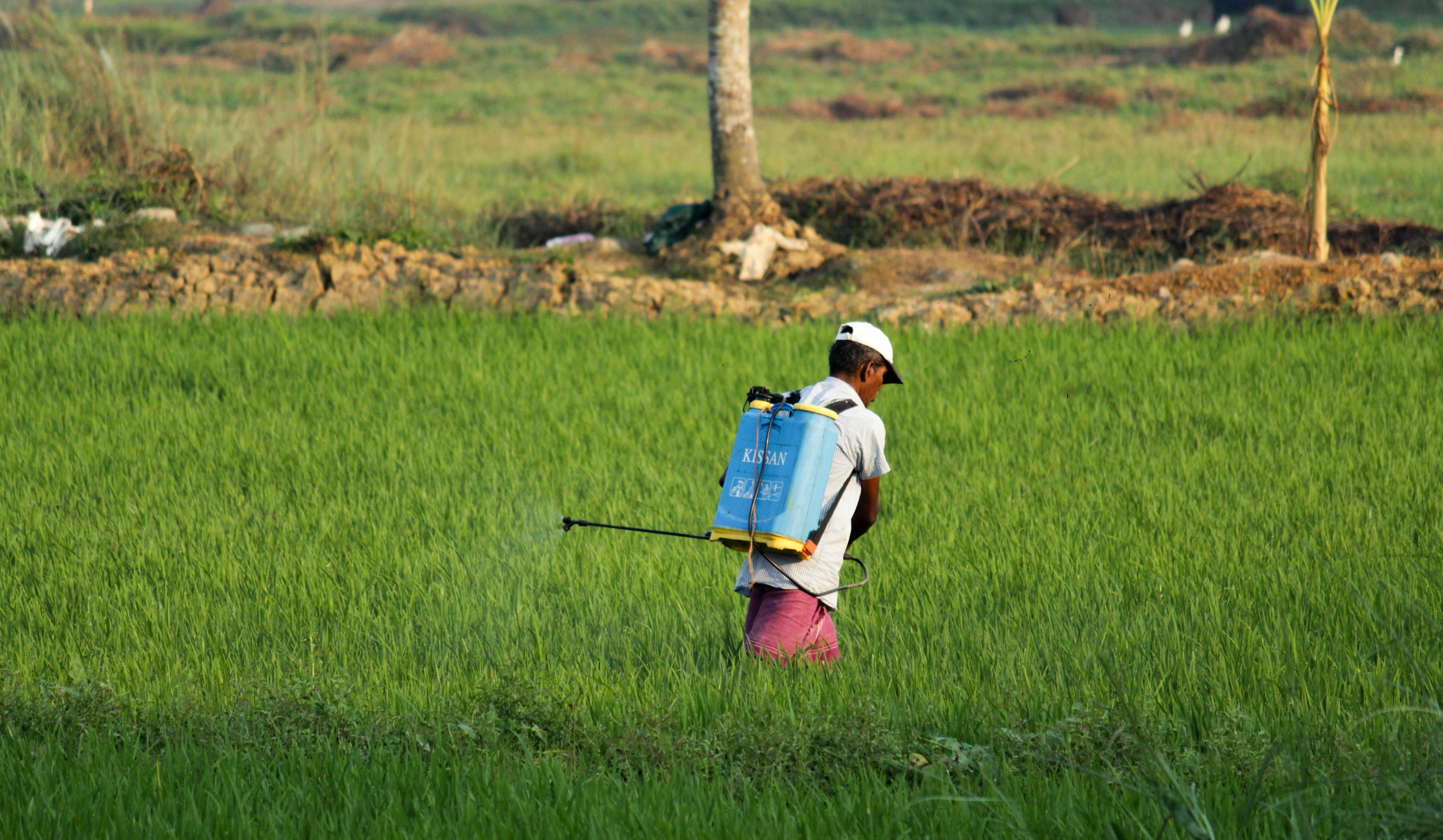
In East Africa, sustainable agriculture is gaining momentum as farmers seek to enhance productivity while preserving the environment. In Kenya, the agribusiness sector is expanding, with organic farming leading the charge. Reports show that organic agriculture now constitutes a significant percentage of the country's farming activities, supported by government initiatives and rising consumer awareness.
Key Insights or Strategies
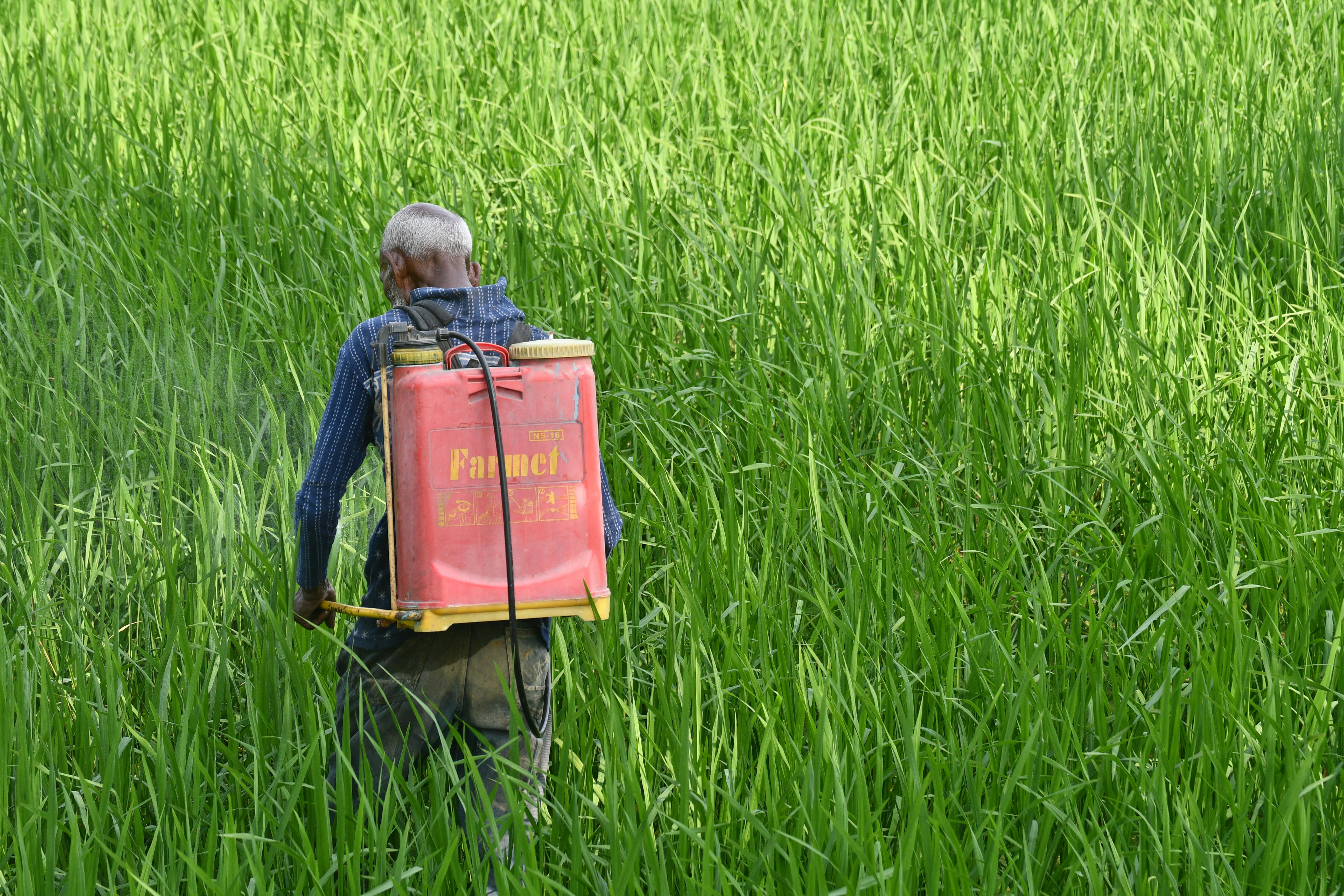
1. Monitoring with Pheromone Traps
- Install pheromone traps to catch fall armyworm adults.
- Regularly check traps and record findings.
- Adjust pesticide applications based on trap data to minimize usage.
For efficient monitoring, consider the Drammatic® Organic™ Original Fertilizer for enhancing soil health to support robust crop growth.
2. Deploying Biopesticides
- Use Bacillus thuringiensis to target larval stages of fall armyworm.
- Apply during early infestations for maximum efficacy.
Explore sustainable organic farming solutions with Biofarm Kenya
3. Crop Rotation with Desmodium
- Incorporate desmodium into crop rotation cycles.
- Monitor for increased parasitism rates post-rotation.
Utilize drip irrigation systems such as the CARPATHEN Drip Irrigation System Kit to maintain optimal soil moisture for healthy crop growth.
Case Studies, Examples, or Comparisons
Several Kenyan farmers have successfully adopted IPM strategies to curb fall armyworm infestations. For instance, a trial in Bomet County demonstrated a 22% increase in maize yields when using Bacillus thuringiensis. Additionally, the Kenyan Agricultural & Food Authority reported a 40% reduction in pesticide usage when farmers utilized pheromone traps, reinforcing the effectiveness of integrating sustainable practices.
Common Mistakes to Avoid
- Over-reliance on chemical pesticides: Opt for integrated pest management approaches instead.
- Neglecting soil health: Regular soil testing can guide proper nutrient management.
- Improper irrigation techniques: Ensure your irrigation system is efficient and conserves water.
Expert Tips or Best Practices
Maintain healthy soil with the Organic Compost Starter Mix to support sustainable agricultural practices. Implementing a robust IPM strategy can be enhanced by collaborating with local agricultural experts and leveraging community resources.
Explore more sustainable solutions with Biofarm Kenya.
Future Trends or Predictions
Looking ahead, the integration of smart irrigation systems, such as the use of IoT and AI for real-time monitoring, is set to revolutionize farming. Vertical farming and urban agriculture are also gaining traction, offering innovative ways to maximize space and resources efficiently. Moreover, precision agriculture technologies are enabling farmers to make data-driven decisions, enhancing productivity and sustainability.
Conclusion
To effectively combat fall armyworm infestations, Kenyan farmers are increasingly turning towards Integrated Pest Management strategies. By adopting these practices, farmers can ensure better yields, cost savings, and contribute to a healthier ecosystem. Discover trusted organic farming tools on Amazon and learn more about sustainable solutions with Biofarm Kenya.


0 Comments