Estimated Reading Time: 11 minutes
TL;DR:
Reducing over-weeding enhances soil health, prevents compaction, and boosts profitability for Kenyan farmers.Integrating legume mulch can increase organic matter significantly, according to KALRO research.Strategic cover cropping effectively reduces erosion, benefiting yield preservation.Sustainable agriculture practices restore soil vitality and improve labor efficiency.Invest in tools and technology for optimal weed management and soil testing.Key Takeaways:
Reduce weeding frequency to 2–3 times a year with mechanical tools to protect soil structure.Implementing legume mulch increases organic content by 30%.Cover cropping reduces soil erosion by 80% in trials.Adopt evidence-based practices for long-term soil health and climate resilience.Background & Context
Key Insights or Strategies
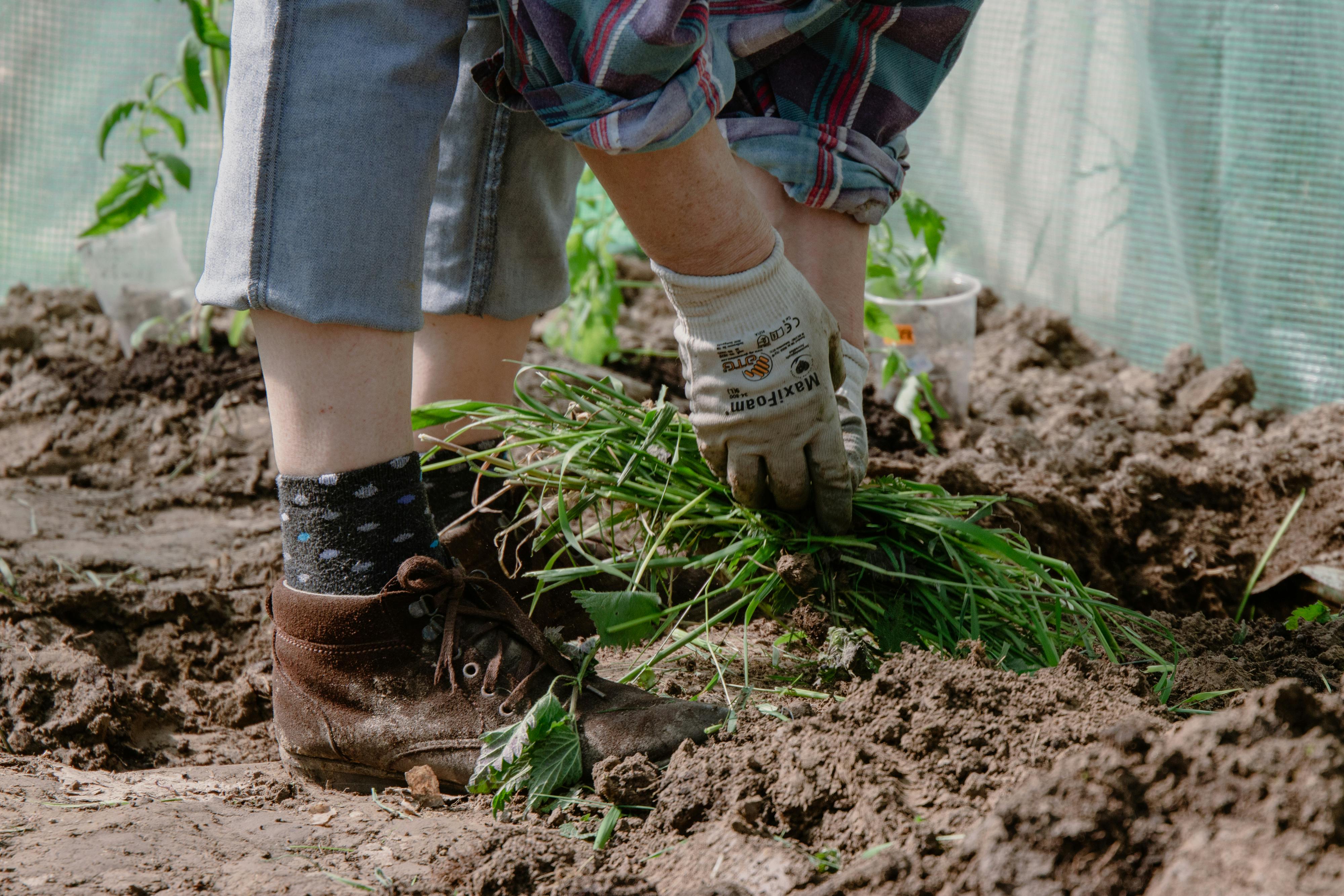
1. Reduce Over-Weeding
Use mechanical tools for weeding to maintain soil structure.Reduce weeding to 2–3 times annually based on soil needs.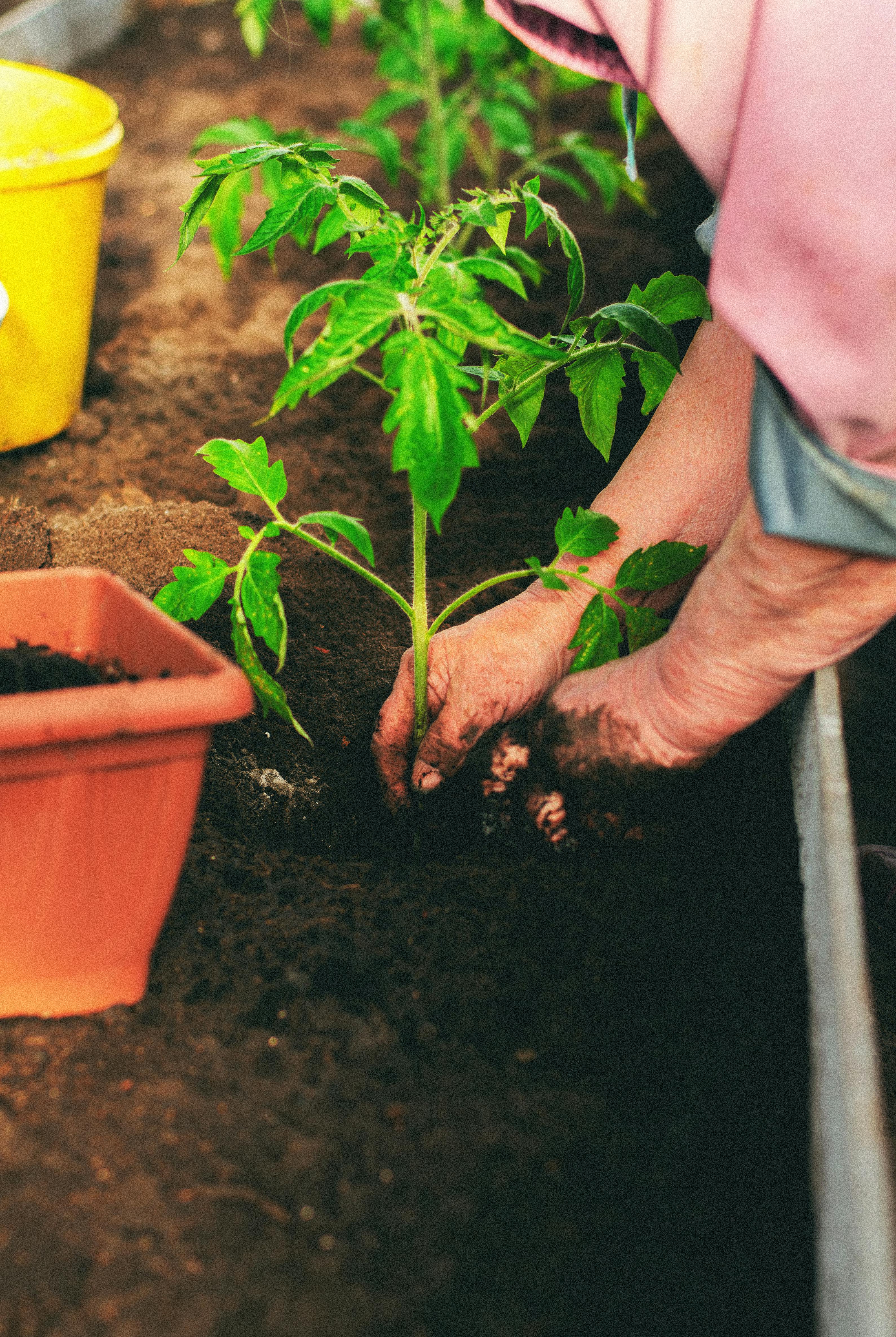
For efficient weeding, try the MySoil Soil Test Kit – available on Amazon.
Explore sustainable organic farming solutions with Biofarm Kenya
2. Integrate Legume Mulch
Convert crop residues into mulch to improve organic matter.Promote biodiversity through diverse cropping systems.3. Cover Cropping
Implement cover crops to protect and enrich the topsoil.Avoid bare soil exposure through strategic planting.For soil testing, consider the MySoil Soil Test Kit for tailored nutrient recommendations.
Investing in a drip irrigation system can drastically improve water use efficiency.
Case Studies, Examples, or Comparisons
Successful implementation of sustainable practices is evident across multiple Kenyan farms. A study by the FAO found that sustainable approaches increased yields by 30% while conserving resources. The work of ECoH Holdings in Kenya, turning organic waste into valuable fertilizer, demonstrates how innovation can drive agriculture forward.
Common Mistakes to Avoid
Over-application of chemical fertilizers — strive for balance and natural alternatives.Poor irrigation management — consider automated systems for efficiency.Ignoring soil compaction — employ reduced tillage practices.Expert Tips or Best Practices
Ensure soil health by regularly using Organic Compost Starter Mix. Adopting diverse cropping helps maintain ecological balance.
Explore sustainable organic farming solutions with Biofarm Kenya
Future Trends or Predictions
The future of farming in Kenya is digital and data-driven. Innovations such as AI-driven crop monitoring and smart irrigation technology are rapidly transforming the landscape of sustainable farming.
Conclusion
The integration of smart farming techniques and tools, like the best organic farming tools on Amazon, can revolutionize soil health management. Discover more sustainable solutions with Biofarm Kenya.
FAQs
What is the impact of over-weeding on soil health? Over-weeding leads to soil compaction and nutrient loss, jeopardizing productivity. [FAO]How can legume mulch benefit my farm? Legume mulch boosts organic content and enhances nitrogen levels in soils. [KALRO]Why should I adopt cover cropping? Cover cropping protects soil from erosion and reduces nutrient runoff. [NEMA]Are chemical fertilizers harmful? Excessive use can damage soil health and biodiversity; sustainable alternatives are recommended. [KEBS]Why is soil compaction an issue? Compaction limits root growth and water infiltration, reducing crop potential. [Biofarm Kenya]How can technology aid sustainable farming? Technologies like AI streamline monitoring and resource management, boosting efficiency. [Ministry of Agriculture]


0 Comments