

Estimated Reading Time: 9 minutes
Introduction: The Unfolding Crisis in Kenya's Avocado Orchards
Once hailed as Kenya's 'green gold,' the avocado industry has captivated many smallholder farmers with the promise of prosperity. However, beneath the glossy veneer of export success lies a harsh reality: Kenya's avocado farmers face a brutal endurance challenge. The 'green gold' illusion bankrupts small growers amid climate shocks and market hurdles. This critical situation demands immediate attention, as the dream of a stable livelihood crumbles under the weight of unpredictable weather patterns, volatile global prices, and fierce competition. For thousands of families across Kenya, the future of their farms, and indeed their very existence, hangs precariously in the balance. This article delves deep into the multifaceted crisis, exploring the environmental, economic, and social pressures that define the modern Kenyan avocado farmer's struggle, and offers sustainable pathways forward.
Background & Context: The 'Green Gold' Illusion
For years, avocados have been a cornerstone of Kenya's horticultural exports, earning significant foreign exchange and creating employment opportunities. The allure of high returns led many small-scale farmers to abandon traditional food crops in favor of hass avocado cultivation. However, the path to prosperity has proven far more arduous than anticipated. The rapid expansion of avocado farming has often outpaced sustainable practices, leading to unintended consequences for both the environment and the farmers themselves. The romanticized image of 'green gold' masks the daily struggle against forces largely beyond their control.

Climate change stands as the most formidable adversary. Kenya, like many East African nations, is highly vulnerable to its impacts. According to the Food and Agriculture Organization (FAO), agricultural productivity in sub-Saharan Africa is projected to decline significantly due to increased temperatures and altered rainfall patterns. For avocado farmers, this translates to prolonged droughts, unseasonable heavy rains, and increased incidence of pests and diseases, all of which devastate crop yields and quality. For instance, the National Potato Council of Kenya (NPCK) highlights that up to 40% of smallholder farmers annually lose significant portions of their harvest due to climate-related issues and poor post-harvest management (Kenya Agricultural and Livestock Research Organization - KALRO). This stark reality illustrates how Kenya's avocado farmers face a brutal endurance challenge. The 'green gold' illusion bankrupts small growers amid climate shocks and market hurdles, forcing them into a cycle of debt and desperation.
Key Insights & Strategies for Resilience
Navigating the complex landscape of modern avocado farming requires a strategic approach rooted in sustainability and resilience. Smallholder farmers must adapt to new realities, moving beyond traditional methods that are no longer viable in a changing climate.
Diversification Beyond the Avocado Monoculture
Relying solely on avocados can be a dangerous gamble. Diversifying crops can buffer farmers against market volatility and climate shocks. Integrating other high-value, climate-resilient crops can provide alternative income streams and improve soil health.
Water Conservation and Management Innovations
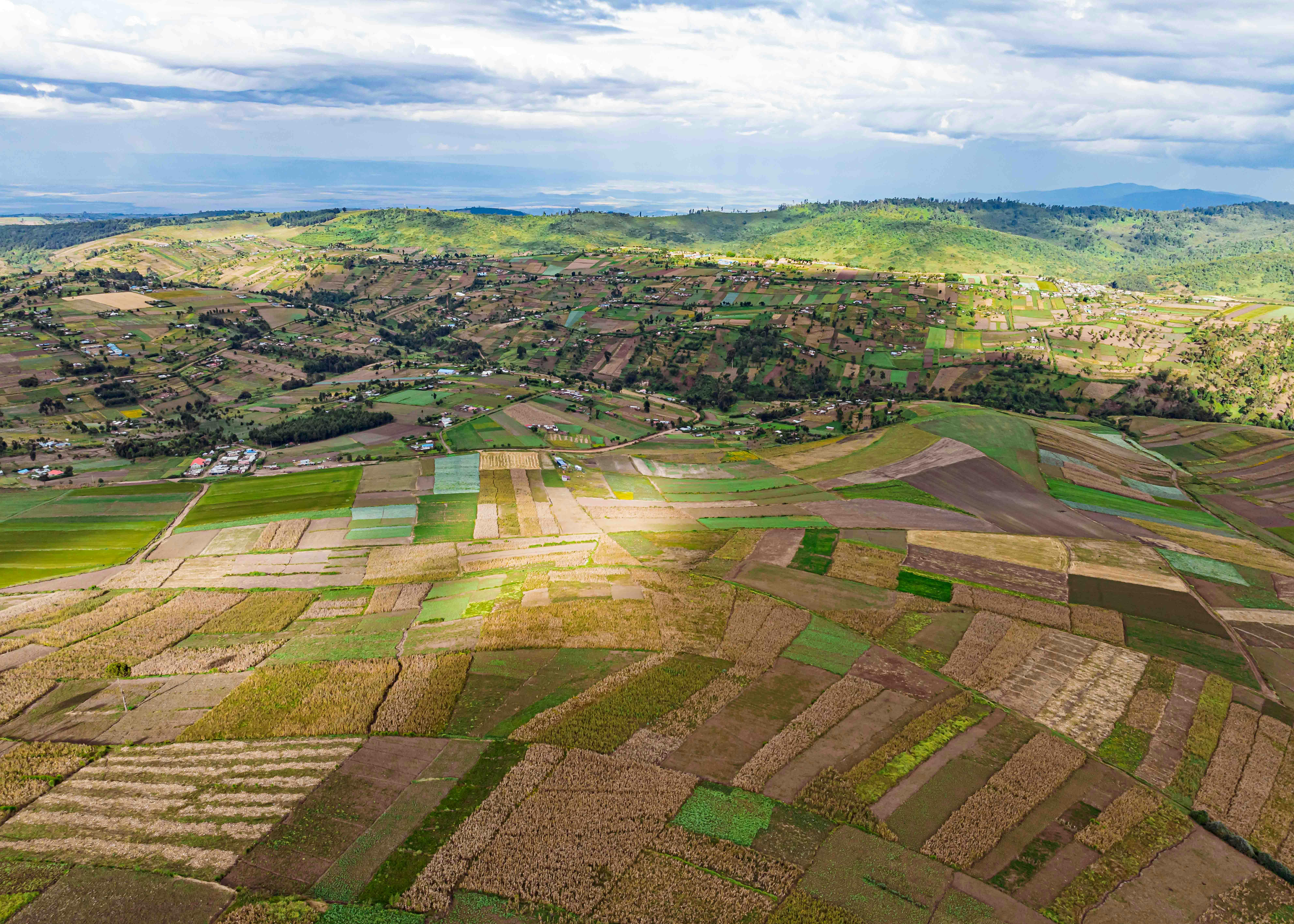
Water scarcity is a defining challenge. Efficient water use is paramount for survival. Innovative irrigation techniques and water harvesting are no longer luxuries but necessities.
Embracing Agroecology and Organic Farming
Shifting towards agroecological principles can build long-term farm resilience, improve soil health, and reduce reliance on expensive synthetic inputs. This approach aligns with global consumer demand for sustainably produced goods.
By implementing these strategies, farmers can not only mitigate the immediate challenges but also build a more robust and sustainable future. For further guidance and resources on these innovative solutions, you can Explore sustainable living solutions with Eco-Oasis Firm.
Case Studies, Examples, or Comparisons
While Kenya's avocado farmers face a brutal endurance challenge, there are inspiring examples of resilience and adaptation. These case studies highlight how targeted interventions and community-led initiatives can turn the tide.
The Success of Kakuzi PLC in Sustainable Practices
Kakuzi PLC, a major agricultural company in Kenya, serves as a benchmark for sustainable avocado farming. They have invested heavily in precision agriculture, including advanced irrigation systems and climate-smart technologies. Their commitment to environmental stewardship is evident in their water recycling programs and efforts to reduce their carbon footprint. By integrating responsible land management with commercial farming, Kakuzi demonstrates that large-scale avocado production can coexist with ecological integrity. Their practices include strict adherence to international sustainability certifications, which not only enhance their market access but also ensure their operations are environmentally sound, providing a model for smaller farmers on how to adapt and thrive.
Smallholder Farmer Cooperatives: The Murang’a Avocado Example
In Murang'a County, smallholder avocado farmers have found strength in unity by forming cooperatives. These groups pool resources for better access to inputs, training, and collective bargaining power in the market. For instance, the Murang’a Avocado Farmers Cooperative Society enables its members to negotiate better prices with exporters, bypassing exploitative middlemen. This collective approach has significantly improved their income stability and access to knowledge on sustainable practices. A report by the USAID Kenya Agriculture and Food Security program noted that farmer cooperatives can increase smallholder incomes by up to 20-30% through improved market access and reduced transaction costs. These cooperatives also often facilitate training on pest management, disease control, and climate-resilient farming techniques, crucial for overcoming current hurdles.
Innovation in Water Management: The Israeli Model
Comparing Kenya's challenges with advanced agricultural nations provides valuable insights. Israel, a country with significant water scarcity, has become a global leader in agricultural innovation, particularly in drip irrigation and water recycling. Their success in cultivating water-intensive crops like avocados in arid conditions demonstrates what's possible with strategic investment in technology and research. While direct replication may not be feasible for small Kenyan farmers, the principles of maximizing water efficiency through technology and smart planning offer a vital blueprint. Adaptations of these methods, such as low-cost drip irrigation kits and community-managed boreholes, are proving transformative in water-stressed regions of Kenya, showing that even small changes can lead to significant improvements in yield and sustainability.
Common Mistakes to Avoid
Amidst the pressures of the avocado boom, many farmers, particularly small growers, fall prey to common pitfalls that exacerbate their struggles and reinforce the notion that Kenya's avocado farmers face a brutal endurance challenge.
Expert Tips & Best Practices
For smallholder farmers struggling in the face of immense challenges, expert guidance and the adoption of best practices are paramount to ensuring their survival and cultivating a resilient future. These tips are designed to enhance productivity, promote sustainability, and navigate the complex market landscape.
Future Trends & Predictions
The future of Kenya's avocado industry will be shaped by several evolving trends, demanding foresight and adaptive strategies from farmers. Understanding these shifts is crucial for survival and prosperity.
Climate-Smart Agriculture at the Forefront
The increasing severity of climate change will drive a mandatory shift towards climate-smart agriculture (CSA). This includes wider adoption of drought-resistant avocado varieties, extensive use of precision irrigation technologies, and the integration of climate monitoring systems. Farmers will increasingly rely on data-driven decisions to optimize planting times, water use, and disease management. The World Bank emphasizes CSA as vital for food security and poverty reduction in vulnerable regions like East Africa, highlighting its role in building resilience against future shocks.
Technological Integration and Digitalization
Expect a surge in agricultural technology (agri-tech) solutions. This will range from smartphone applications providing real-time market prices and weather forecasts to drone technology for crop monitoring and pest detection. Digital platforms will also facilitate direct linkages between farmers and buyers, reducing reliance on intermediaries and ensuring fairer prices. Access to digital literacy and affordable technology will be critical enablers for smallholder farmers to participate in this technological revolution.
Shifting Consumer Demands and Sustainability Standards
Global consumers are increasingly conscious of the environmental and social impact of their food choices. This translates to a growing demand for sustainably sourced, ethically produced, and organically grown avocados. Certifications like Fair Trade, Rainforest Alliance, and organic labels will become increasingly important for market access and premium pricing. Kenyan farmers who invest in these certifications and adopt transparent, eco-friendly practices will gain a competitive edge in international markets. This trend underscores the importance of addressing the challenges that make it seem that Kenya's avocado farmers face a brutal endurance challenge. The 'green gold' illusion bankrupts small growers amid climate shocks and market hurdles by focusing on sustainable growth.
Value Addition and Local Processing
To capture more of the value chain, there will be a greater emphasis on local processing and value addition. This could include facilities for avocado oil extraction, guacamole production, or even cosmetic ingredients. Such initiatives would create local employment, reduce post-harvest losses, and provide more stable income streams for farmers. Government incentives and private sector investment in processing infrastructure will be key to unlocking this potential.
Conclusion: Cultivating a Resilient Future for Kenya's Avocado Farmers
The narrative of Kenya's avocado industry is at a crossroads. While the allure of 'green gold' once painted a picture of prosperity, the harsh reality of climate change and market volatility has meant that Kenya's avocado farmers face a brutal endurance challenge. The 'green gold' illusion bankrupts small growers amid climate shocks and market hurdles. Yet, within this crisis lies an undeniable opportunity for transformation. By embracing climate-smart agriculture, fostering strong cooperative frameworks, prioritizing water conservation, and adopting diversified, sustainable practices, smallholder farmers can not only survive but thrive.
The path forward requires a concerted effort from all stakeholders: government policies supporting sustainable land use and market access, research institutions providing adaptive crop varieties and technologies, and NGOs facilitating farmer training and capacity building. More importantly, it requires the unwavering resilience and adaptability of the farmers themselves. By investing in knowledge, community, and ecological stewardship, Kenya's avocado farmers can shed the illusion of instant wealth for the reality of enduring, sustainable prosperity. Let us support them in cultivating a future where their hard work yields not just green gold, but green hope for generations to come. To join the movement towards a more sustainable agricultural future and find solutions that empower farmers, we encourage you to Explore sustainable living solutions with Eco-Oasis Firm.


0 Comments