

Estimated Reading Time: 10 minutes
TL;DR:
- Integrated Soil Fertility Management (ISFM) enhances maize yields and reduces fertilizer costs for Kenyan farmers.
- Key steps include soil testing, compost application, and targeted chemical use.
- Adoption of ISFM practices could lead to substantial net returns.
- Sustainable agriculture practices are on the rise in Kenya, with emphasis on soil health and productivity.
- Innovative farming solutions are supported by Biofarm Kenya and product offerings on Amazon.
Key Takeaways:
- Utilize soil testing kits for precise nutrient management.
- Enhance yields with organic fertilizers such as Drammatic® Organic™ Fertilizer.
- Implement drip irrigation with systems like the CARPATHEN Drip Irrigation Kit.
- Explore sustainable organic farming solutions with Biofarm Kenya.
Background & Context
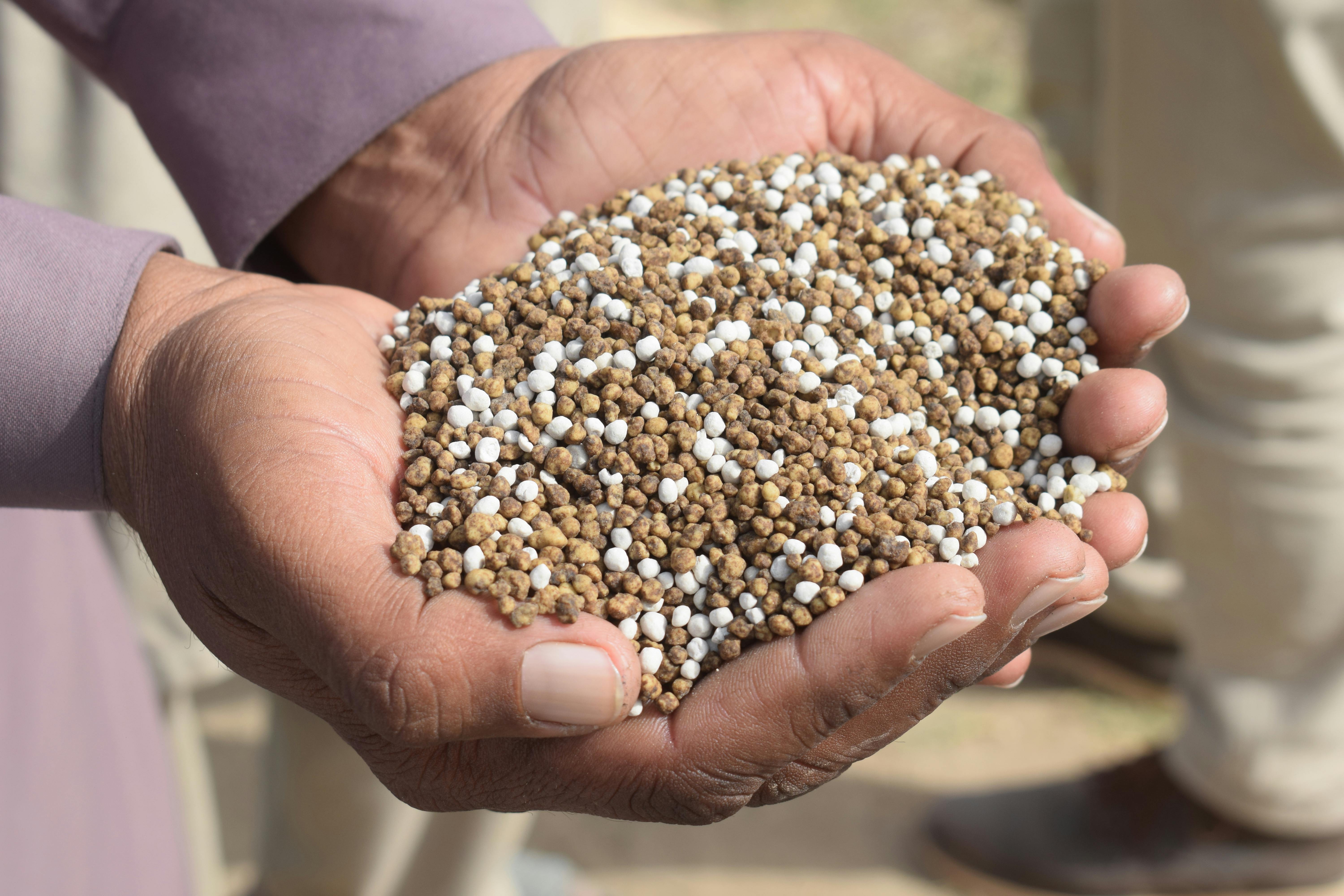
With rising input costs and soil degradation, Kenyan farmers are seeking sustainable agricultural practices. Integrated Soil Fertility Management (ISFM) offers a compelling solution by improving maize yields by 20-30% and slashing fertilizer costs by 50%. Emphasizing a combination of organic amendments and targeted chemical fertilizers, farmers adopting ISFM report higher productivity and profitability. The agribusiness landscape in Kenya is rapidly evolving, supporting these innovative approaches.
Key Insights or Strategies
Successful ISFM involves several key strategies:
Soil Testing
- Conduct soil testing to identify nutrient deficiencies using reliable soil testing kits.
- Use results to tailor fertilizer application for efficiency.
Compost Application
- Apply compost at 5-10 t/ha to enhance organic matter.
- Explore natural fertilizers like Drammatic® Organic™ Fertilizer.
Targeted Chemical Fertilizers
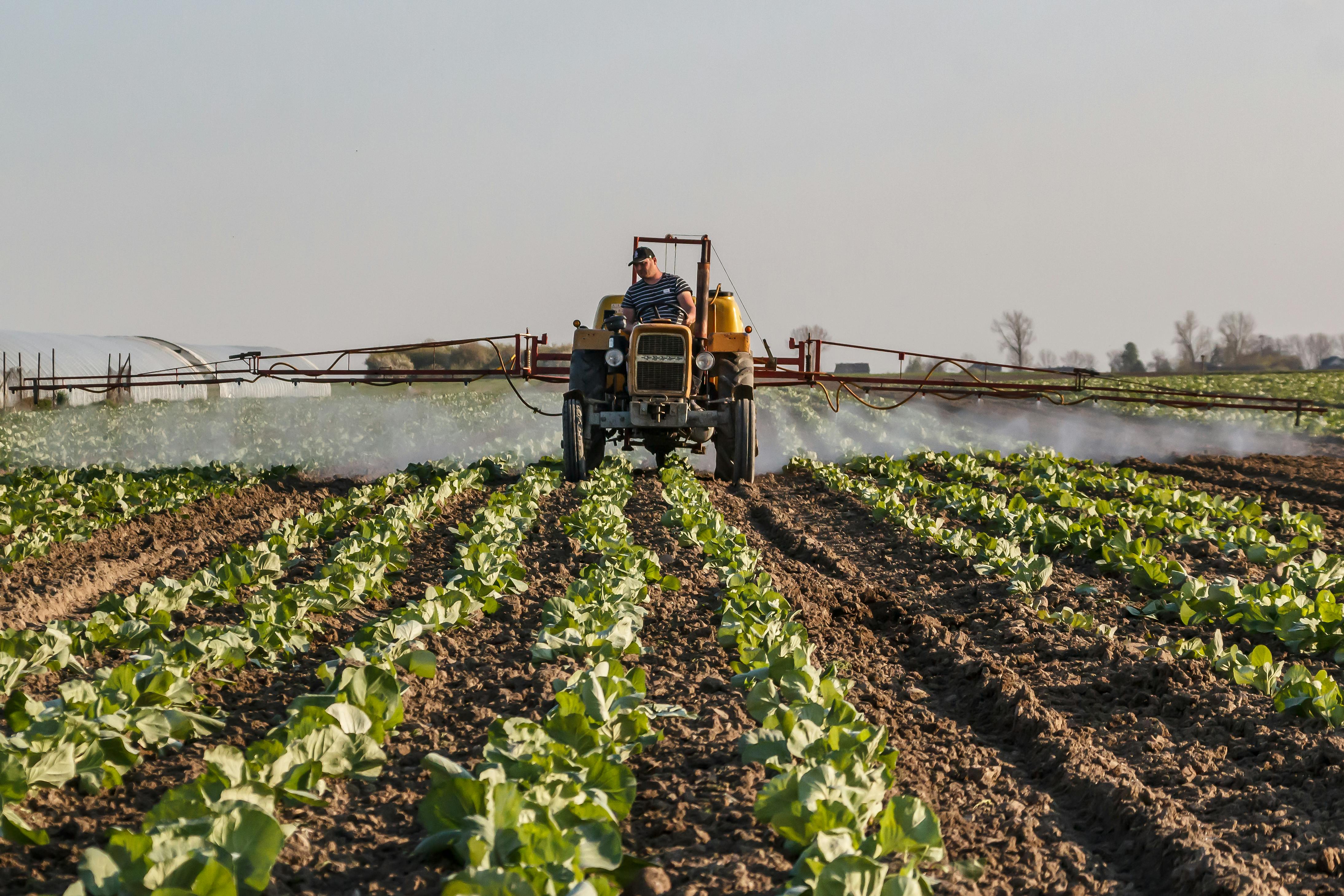
- Only apply NPK fertilizers in identified deficiency zones.
Explore sustainable organic farming solutions with Biofarm Kenya
Case Studies, Examples, or Comparisons
Recent studies from FAO show Kenyan farmers embracing ISFM have seen their net returns increase by up to 40%. For example, smallholder farmers in Embu County using these strategies reported a marked improvement in productivity and soil health.
Common Mistakes to Avoid
- Over-application of fertilizers leading to waste and soil harm.
- Ignoring the importance of soil testing.
- Poor irrigation practices that lead to water wastage.
Expert Tips or Best Practices
- Integrate drip irrigation using systems like the CARPATHEN Drip Irrigation Kit for efficient water use.
- Maintain soil health with Drammatic® Organic™ Fertilizer.
For more insights, Explore sustainable organic farming solutions with Biofarm Kenya
Future Trends or Predictions
The future of agriculture in Kenya is bright with the incorporation of smart technologies such as AI-driven crop monitoring and vertical farming. These innovations promise to boost productivity while ensuring environmental sustainability.
Conclusion
Implementing ISFM and other sustainable practices can transform Kenyan agriculture. For tools and resources, explore trusted organic farming tools on Amazon and learn more about sustainable solutions with Biofarm Kenya.
FAQs
- What is ISFM?
- ISFM involves the combined use of organic amendments and chemical fertilizers to improve soil fertility. Learn more at FAO.
- How to conduct a soil test in Kenya?
- Use soil testing kits available on Amazon.
- Why is compost important?
- Compost adds organic matter, enhancing soil structure and fertility. Refer to CIFORD Kenya.
- How does drip irrigation save water?
- Drip irrigation provides water directly to the root zones, reducing evaporation. Learn about efficient systems on Amazon.
- What are the benefits of organic fertilizers?
- Organic fertilizers improve soil fertility without harming the environment. Explore options on Amazon.
- Where to find more resources on sustainable farming?
- Explore solutions and partnerships at Biofarm Kenya.


0 Comments