

Estimated Reading Time: 15 minutes
TL;DR: Intercropping legumes with staple crops like maize can significantly enhance yields, improve soil health, reduce fertilizer costs, and boost farmer profits by 30%. This guide provides practical steps and insights into implementing this sustainable farming method.
Key Takeaways:
- Understand the benefits of legume intercropping in Kenya
- Learn actionable steps to optimize crop and resource management
- Avoid common mistakes in intercropping and soil management
- Background & Context
- Key Insights or Strategies
- Case Studies, Examples, or Comparisons
- Common Mistakes to Avoid
- Expert Tips or Best Practices
- Future Trends or Predictions
- Conclusion
- FAQs
Introduction:
With climate change and soil degradation topping farmer concerns, intercropping legumes with staple crops is emerging as a critical training need. This guide focuses on practical steps to implement legume intercropping, reducing fertilizer costs while boosting yields. Key evidence-backed steps include selecting compatible crop pairs (e.g., maize + beans) to enhance nitrogen fixation and using staggered planting schedules to optimize space and resources. A 2025 study by Jomo Kenyatta University found farmers using this method saw 30% higher profits vs. monoculture.
Background & Context

The rapid growth of the agribusiness sector in Kenya has increased the need for sustainable farming practices. Intercropping, particularly with legumes, plays a vital role in improving soil health and enhancing crop productivity. According to a study by PMC, intercropping systems increase agrobiodiversity and significantly influence soil physico-chemical properties.
Key Insights or Strategies
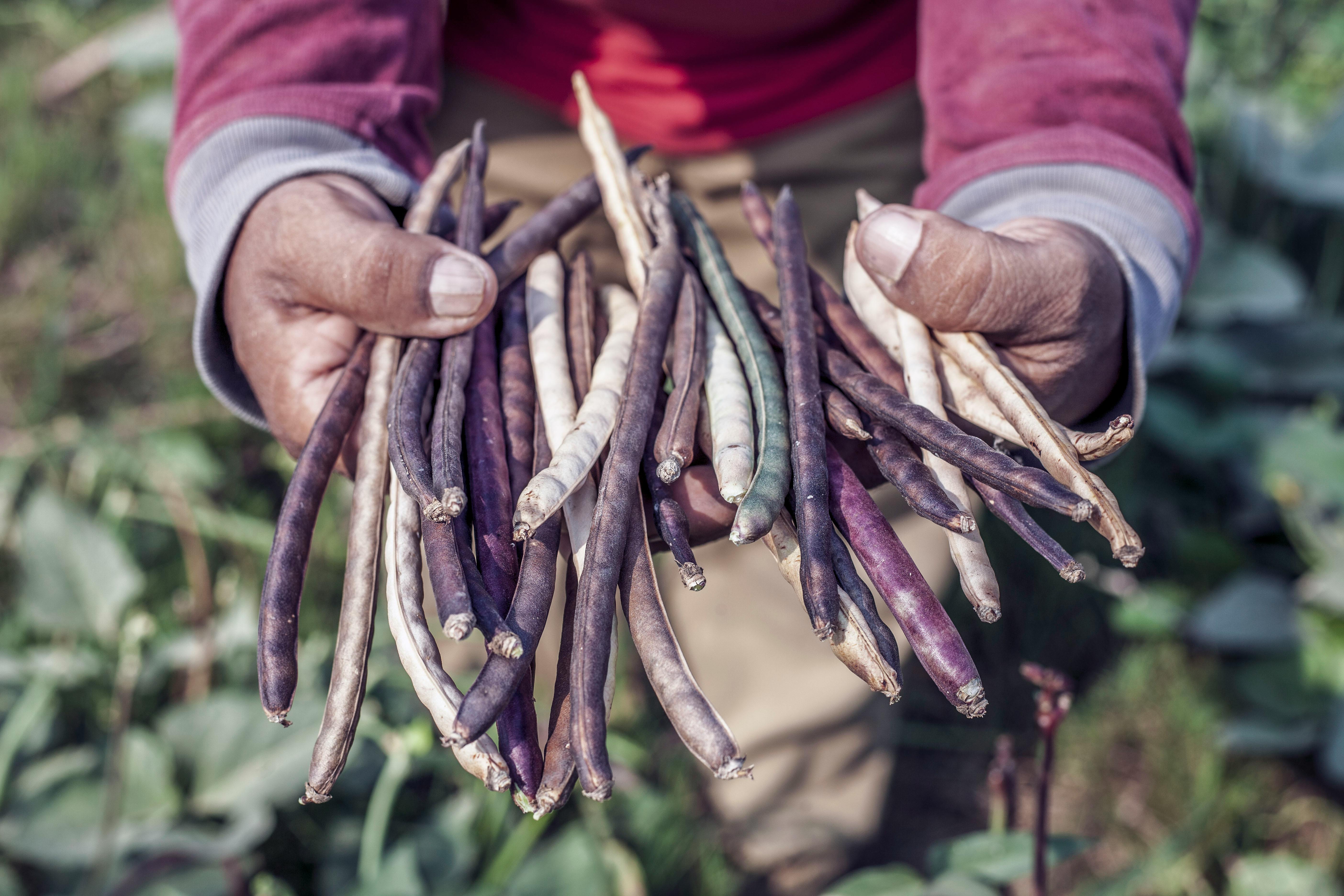
Understanding the Benefits of Intercropping
Intercropping maize with legumes improves yield, reduces fertilizer costs, and improves soil fertility by enhancing nitrogen fixation capabilities.
- Select appropriate legume crops like beans, pigeon peas, or cowpeas.
- Use a staggered planting schedule to minimize resource competition.
- Regularly monitor crop growth for early signs of pest infestation or disease.
Boost your yields with the Soil pH & Moisture Tester Kit – available on Amazon.
Explore sustainable organic farming solutions with Biofarm Kenya.
Case Studies, Examples, or Comparisons
Kenyans like John Mwangi, who adopted legume intercropping, reported significant increases in maize yields and soil health. A staggered maize-legume intercrop arrangement robustly increases yields and economic returns in the highlands of Central Kenya (CGIAR Report).
Common Mistakes to Avoid
- Overcrowding: Avoid planting crops too closely; ensure optimal spacing for proper root growth.
- Poor Soil Monitoring: Regularly check soil health parameters to prevent depletion.
- Ignoring Pest Control: Maintain a regular pest management plan.
Expert Tips or Best Practices
Maintain healthy soil with Organic Compost Starter Mix.
Choose legumes that are locally grown and adapted to your microclimate for best results.
Explore sustainable organic farming solutions with Biofarm Kenya for comprehensive resources and partnerships.
Future Trends or Predictions
Emerging trends such as smart irrigation, vertical farming, and AI-driven crop monitoring are set to revolutionize the way farmers practice agricultural sustainability, especially with components like legume intercropping in focus.
Conclusion
Intercropping legumes with staple crops like maize is a proven method to enhance productivity, reduce costs, and promote sustainability. Discover trusted organic farming tools on Amazon and learn more about sustainable solutions with Biofarm Kenya.
FAQs
- What is intercropping? Intercropping is the cultivation of two or more crops together in proximity. A common practice in sustainable farming, especially in regions like Kenya, it improves yield and soil health.
- Which legumes are best for intercropping with maize in Kenya? Recommended legumes include beans, pigeon peas, and cowpeas. (ResearchGate Study)
- How does intercropping impact fertilizer use? Legumes naturally fix nitrogen in the soil, reducing the need for synthetic fertilizers, and thereby lowering input costs. (CGIAR Report)
- What are the benefits of staggered planting schedules? Staggered planting minimizes plant competition for sunlight, water, and nutrients, potentially increasing total yield. (FAO Guidance)
- How can farmers manage pest control in intercropping systems? Integrated pest management strategies, including the use of natural predators and organic pesticides, are recommended. (NEMA Guidelines)
- Where can I learn more about intercropping systems? Biofarm Kenya offers extensive resources and expert guidance on sustainable agriculture. (Biofarm Kenya)


0 Comments