

Estimated Reading Time: 12 minutes
TL;DR: Conservation agriculture (CA) in Kenya offers 30% higher yields as reported by KALRO, reduces soil erosion, and promotes sustainable farming. Transitioning involves no-till equipment and cover cropping. Despite initial yield drops, long-term profits are promising. Experts recommend leveraging available tools such as soil testing kits and drip irrigation systems for efficient farming.
- Conservation agriculture increases yields by 30% in Kenya.
- CA reduces soil erosion, enhancing soil fertility over time.
- Initial yield declines in CA may occur, but profits improve long-term.
- Adoption of no-till equipment and cover cropping is crucial.
- Utilize soil testing kits and drip irrigation systems for optimal outcomes.
- Background & Context
- Key Insights or Strategies
- Case Studies, Examples, or Comparisons
- Common Mistakes to Avoid
- Expert Tips or Best Practices
- Future Trends or Predictions
- Conclusion
- FAQs
Background & Context
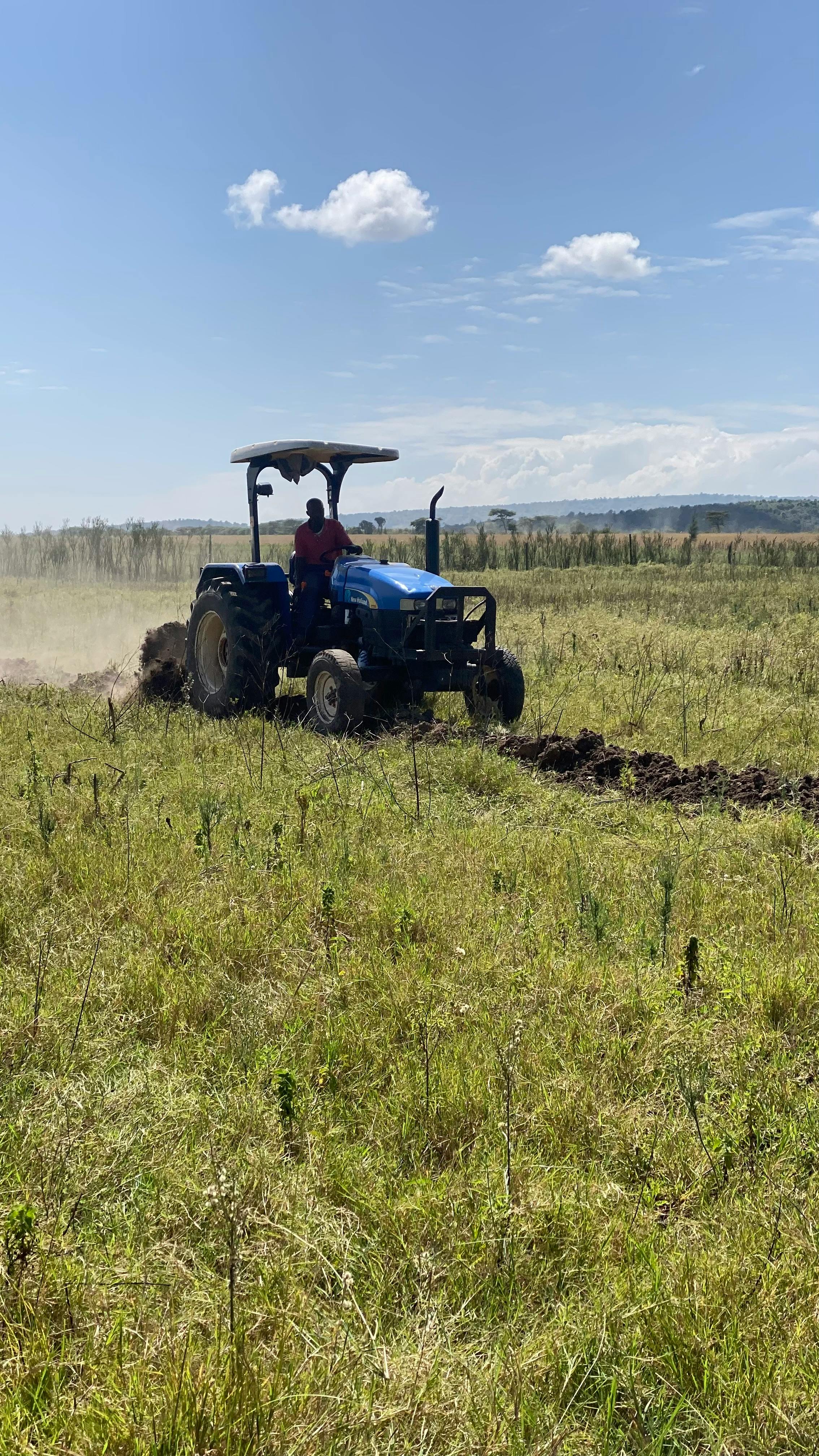
In recent years, Kenyan farmers have increasingly sought sustainable alternatives to traditional plowing due to erratic rainfall and soil degradation. This shift in agricultural practices is driven by the proven benefits of Conservation Agriculture (CA), which emphasizes minimal soil disturbance, cover cropping, and crop rotation. According to the Kenya Agricultural and Livestock Research Organization (KALRO), CA plots have reported a 30% yield increase. These new methods have redefined the farming landscape by addressing major environmental and productivity challenges.
Key Insights or Strategies
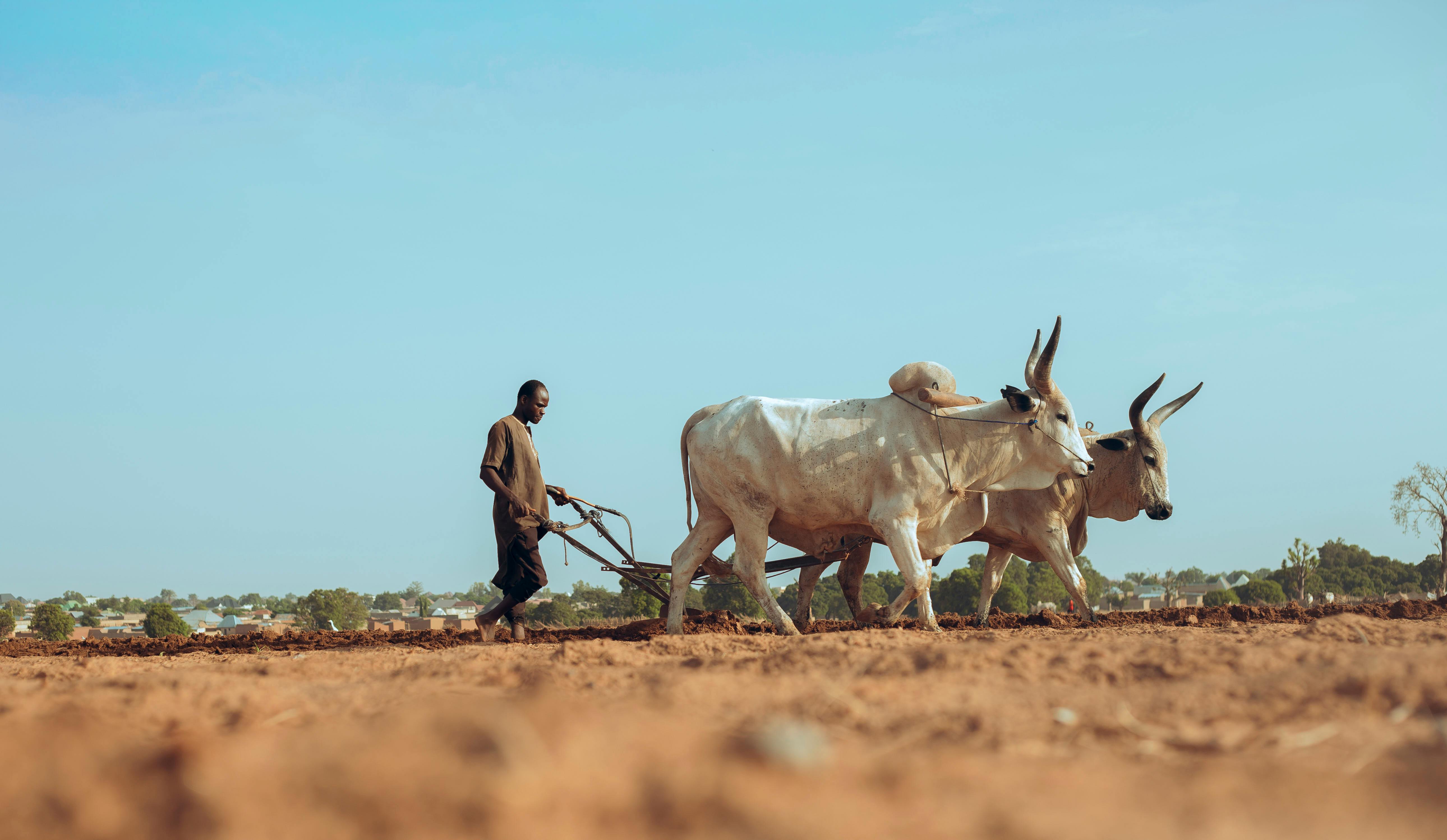
Insight 1: Embrace Minimal Soil Disturbance
- Invest in no-till equipment, which is vital for reducing soil erosion and maintaining soil health.
- Incorporate cover crops to enhance organic matter and soil fertility over time.
For enhancing soil quality, consider using the AchmadAnam - Crushed Oyster Shell Organic Fertilizer – available on Amazon.
Insight 2: Optimize Water Management
- Implement drip irrigation systems to conserve water and deliver nutrients directly to plant roots.
Upgrade your irrigation with the Flantor Drip Irrigation Kit – available on Amazon.
Explore sustainable organic farming solutions with Biofarm Kenya
Case Studies, Examples, or Comparisons
Kenya’s floriculture industry demonstrates the impact of adopting climate-smart agriculture. The Food and Agriculture Organization (FAO) has documented farmers who have transitioned to CA and experienced a significant increase in productivity and soil health. Additionally, areas adopting greenhouse farming have shown increased resilience against climate variability.
Common Mistakes to Avoid
- Over-reliance on chemical fertilizers: Leads to soil degradation. Opt for organic alternatives.
- Improper irrigation timing: Excessive watering wastes resources. Optimize water use with timed irrigation systems.
- Lack of soil testing: Failure to test soil can lead to nutrient imbalances. Regular soil testing ensures balanced nutrient application.
Expert Tips or Best Practices
Maintain soil health by integrating organic materials such as compost into the soil regularly. It's crucial to test soil quality before planting each season.
Enhance your soil testing routine with the Premium Soil Test Kit – available on Amazon.
To ensure a resilient farming process, consider the expertise Biofarm Kenya offers in sustainable solutions. Explore sustainable organic farming solutions with Biofarm Kenya
Future Trends or Predictions
Innovations such as AI-driven crop monitoring and smart irrigation systems are set to revolutionize sustainable agricultural practices. Vertical farming and hydroponics are gaining ground as viable solutions to land scarcity challenges.
Conclusion
Conservation agriculture has the potential to transform the way we farm in Kenya, promising both environmental and economic benefits. By adopting minimal soil disturbance practices and efficient water management systems, farmers can secure increased yields and soil stability in the long run.
Discover trusted organic farming tools on Amazon and learn more about sustainable solutions with Biofarm Kenya.
FAQs
1. What is Conservation Agriculture?
Conservation Agriculture (CA) involves sustainable farming techniques that minimize soil disturbance, maintain soil cover, and rotate crops. Read more from the FAO.
2. How does CA improve yields?
CA improves soil health, moisture retention, and overall resilience to climate impacts, leading to higher yields over time. For further insights, refer to KALRO.
3. What are the upfront costs of adopting CA?
Initial costs involve investment in new equipment and practices, but these are outweighed by long-term savings in inputs and increased profitability. Check out NEMA for environmental sustainability practices.
4. How does CA reduce soil erosion?
Less soil disturbance and the use of cover crops reduce erosion significantly. For practical guides, visit the Kenya Bureau of Standards.
5. What are the key components of CA?
Key components include no-tillage, cover cropping, and crop rotation. Learn more at Biofarm Kenya.
6. Why is CA considered environmentally friendly?
CA enhances biodiversity, reduces chemical use, and promotes natural processes, contributing to better ecological balance. Related information can be found on the World Bank website.


0 Comments