


Introduction
By 2026, two farming trends are dominating the agriculture industry: vertical farming and regenerative agriculture. But which one is more profitable—and which should you invest in?
Global food demand is rising, but traditional farming faces climate change, land scarcity, and supply chain disruptions. Vertical farming and regenerative agriculture offer sustainable, high-profit solutions that align with modern agricultural needs. This guide breaks down the market trends, profitability, challenges, and actionable steps for both farming methods to help you decide which is right for you.
Here’s what you’ll learn:
- Vertical farming’s $33.8B market potential and urban appeal.
- Regenerative agriculture’s $16.5B growth and soil health benefits.
- Which trend aligns with your goals: investment, sustainability, or scalability.
Why Vertical Farming and Regenerative Agriculture Are Trending in 2026
The Global Food Crisis and the Need for Innovation
The world’s population is projected to reach 9.7 billion by 2050, with 68% of people living in cities by 2026 (UN). This urbanization, coupled with climate change, has led to a 23% loss in crop yields in 2025 (FAO). Traditional farming methods are struggling to keep up, creating an urgent need for innovative solutions like vertical farming and regenerative agriculture.
Consumer Demand for Sustainable Food
Modern consumers, especially millennials and Gen Z, are driving demand for sustainable food. A 2025 Nielsen report found that 63% of these consumers are willing to pay a premium for products labeled as sustainable. This shift has led to the rise of "hyper-local" and "climate-certified" food, pushing farmers to adopt new practices.
Government and Investor Support
Governments and investors are pouring billions into these trends. Since 2023, $12B+ has been invested in vertical farming startups, while $40B+ has been committed to regenerative agriculture by 2030. Programs like the USDA’s Climate-Smart Commodities and the EU’s Farm to Fork Strategy are providing subsidies and grants to farmers adopting these methods.
Vertical Farming: The High-Tech Solution for Urban Food Production
What Is Vertical Farming?
Vertical farming involves growing crops in stacked layers using hydroponics, aeroponics, or aquaponics. This method relies on LED grow lights, AI, and automation to create controlled environments that maximize yield while minimizing resource use. There are three main types of vertical farms:
- Warehouse farms (e.g., Plenty, Bowery Farming).
- Modular farms (e.g., Freight Farms, ZipGrow).
- Shipping container farms (e.g., GrowPods).
Why Vertical Farming Is Booming in 2026
Market Growth and Projections
The vertical farming market is projected to reach $33.8B by 2026 (MarketsandMarkets). Key drivers include:
- Urbanization and land scarcity: Vertical farms use 90% less land than traditional farming.
- Climate resilience: Controlled environments eliminate weather-related risks.
- Supply chain localization: Vertical farms reduce transport costs by 50–70%.
Profitability and Revenue Streams
Vertical farming is highly profitable for high-value crops like microgreens, strawberries, and herbs. Revenue models include:
- Direct-to-consumer (e.g., subscription boxes like Bowery’s "Farm-to-Table").
- Restaurant and grocery partnerships (e.g., Whole Foods, Walmart).
- Carbon credits for sustainable practices.
Cost savings are significant:
- 90% less water and 70% less land.
- No pesticides, reducing input costs.
- 40% lower energy costs with new LED technology.
Top Vertical Farming Companies to Watch in 2026
| Company | Location | Funding | Key Innovation |
|---|---|---|---|
| Plenty | US | $400M (2025) | AI-driven warehouse farms |
| Bowery Farming | US | $300M+ | Climate-certified greens |
| Infarm | Germany | $1B+ | Supermarket-integrated farms |
| AeroFarms | US | $200M+ | Aeroponics and AI yield optimization |
| Freight Farms | US | $50M+ | Modular shipping container farms |
Challenges and Criticisms of Vertical Farming
High Startup Costs
Starting a mid-sized vertical farm (10,000 sq ft) can cost $1M–$5M. However, modular farms like those from Freight Farms reduce costs to $50K–$200K. Government grants, such as the USDA Urban Ag Grants, can also help offset expenses.
Energy Use Debate
Critics argue that the energy required for LED lights and cooling systems offsets the sustainability benefits of vertical farming. However, farms like Gotham Greens use 100% renewable energy, and studies show vertical farming emits 70% less CO₂ than traditional farming (Journal of Cleaner Production 2025).
Limited Crop Variety
Vertical farming is best suited for leafy greens, herbs, and strawberries. Crops like grains and corn are not yet viable in vertical systems.
How to Start a Vertical Farm in 2026
Step 1: Choose Your Model
Decide whether you want to start small with a DIY hydroponic kit, invest in a modular farm (e.g., Freight Farms), or go large-scale with a warehouse farm (e.g., Plenty).
Step 2: Secure Funding
Explore funding options such as:
- Grants: USDA Urban Ag Grants, EU Horizon Europe.
- Investors: AgFunder, Breakthrough Energy Ventures.
- Crowdfunding: Kickstarter, Indiegogo.
Step 3: Select Crops and Technology
For beginners, lettuce, basil, and microgreens are ideal crops. Invest in:
- LED grow lights (e.g., Samsung Horticulture, Philips GreenPower).
- Hydroponic systems (e.g., ZipGrow, Tower Garden).
- AI software (e.g., AeroFarms, Iron Ox).
Farmers looking to implement these practices may benefit from using reliable agricultural resources. Here’s a product that can guide you through the process:
Step 4: Build Partnerships
Partner with local restaurants, grocers, and subscription box services to create a steady revenue stream. For example, Bowery Farming supplies greens to Whole Foods and Sweetgreen.
Step 5: Market Your Farm
Use social media platforms like TikTok and Instagram to showcase your farm’s sustainability and innovation. Highlight certifications like USDA Organic and Non-GMO Project to build trust with consumers.
Regenerative Agriculture: The Soil-Centric Path to Profitability
What Is Regenerative Agriculture?
Regenerative agriculture focuses on restoring soil health, sequestering carbon, and improving biodiversity. Core practices include:
- Cover cropping (e.g., clover, rye).
- No-till farming to preserve soil structure.
- Crop rotation to enhance soil fertility.
- Composting to reduce fertilizer costs.
- Livestock integration (e.g., rotational grazing).
Why Regenerative Agriculture Is Exploding in 2026
Market Growth and Projections
The regenerative agriculture market is projected to reach $16.5B by 2026 (MarketsandMarkets). Key drivers include:
- Corporate sustainability pledges (e.g., General Mills, PepsiCo).
- Government incentives (e.g., USDA’s Climate-Smart Commodities).
- Consumer demand for "regenerative-certified" products.
Profitability and Revenue Streams
Regenerative agriculture offers multiple revenue streams:
- Premium pricing: Products can sell for 20–50% more than conventional alternatives.
- Cost savings: 30–50% lower input costs (fertilizers, pesticides).
- Carbon credits: Farmers can earn $15–$50/ton of CO₂ sequestered (e.g., Indigo Ag, Nori).
Top Regenerative Agriculture Companies and Certifications
| Company | Focus | Certification |
|---|---|---|
| General Mills | Regenerative wheat | Regenerative Organic Certified (ROC) |
| PepsiCo | Regenerative potatoes | Land to Market |
| Patagonia Provisions | Regenerative cotton | Regenerative Organic Alliance |
| Indigo Ag | Carbon credits | Verra, Climate Action Reserve |
| Rodale Institute | Research & education | ROC, USDA Organic |
Challenges and Criticisms of Regenerative Agriculture
Transition Period and Costs
It takes 3–5 years to rebuild soil health and see profitability. However, government grants like the USDA’s Climate-Smart Commodities Program can help offset costs. Crop insurance programs like Whole-Farm Revenue Protection also provide financial security during the transition.
Greenwashing Risks
Some brands label products as "regenerative" without proper certification. To avoid this, look for third-party certifications like Regenerative Organic Certified (ROC) or Land to Market. Blockchain traceability tools like IBM Food Trust can also ensure transparency.
Knowledge and Labor Intensive
Regenerative agriculture requires training in soil health, cover cropping, and livestock management. Workshops from organizations like the Rodale Institute and Kiss the Ground can provide valuable education.
How to Start a Regenerative Farm in 2026
Step 1: Assess Your Land and Soil
Start with a soil test to check pH, organic matter, and nutrient levels. Begin with 1–5 acres to test regenerative practices before scaling up.
Step 2: Choose Your Crops and Practices
For beginners, cover crops (clover, rye) and vegetables are ideal. Key practices include:
- Cover cropping to prevent erosion and improve soil fertility.
- No-till farming to preserve soil structure.
- Composting to reduce fertilizer costs.
Step 3: Get Certified
Certifications like Regenerative Organic Certified (ROC) and Land to Market can help you access premium markets. These certifications validate your practices and build trust with consumers.
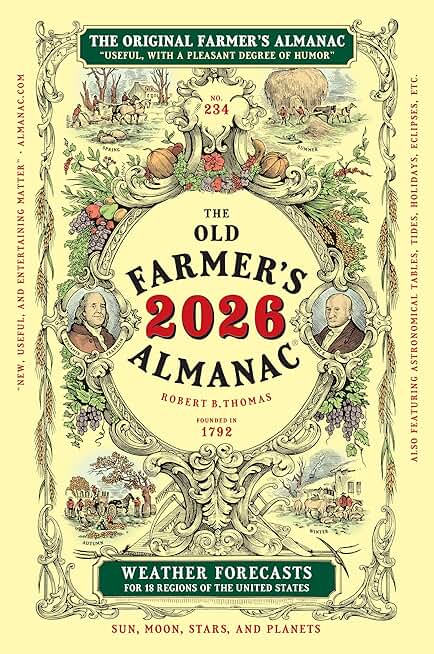
When evaluating agricultural products, factors such as durability, performance, customer reviews, and suitability for local conditions are worth considering. Here’s a resource that can help you plan your farming journey:
Step 4: Secure Funding and Partnerships
Explore funding options such as:
- Grants: USDA’s Climate-Smart Commodities, EU CAP subsidies.
- Corporate partnerships: General Mills, PepsiCo regenerative programs.
- Carbon credit programs: Indigo Ag, Nori.
Step 5: Market Your Farm
Sell directly to consumers through farmers’ markets, CSAs, and online stores. Highlight your farm’s regenerative practices and certifications to attract climate-conscious buyers.
Vertical Farming vs. Regenerative Agriculture: Which Is More Profitable?
Side-by-Side Comparison Table
| Factor | Vertical Farming | Regenerative Agriculture |
|---|---|---|
| Startup Costs | High ($1M–$5M for commercial farms) | Low to moderate ($10K–$100K for small farms) |
| Revenue Potential | High (high-value crops, subscription models) | High (premium pricing, carbon credits) |
| Scalability | High (urban, modular) | Moderate (land-dependent) |
| Sustainability | High (water/land efficiency) | Very high (soil health, carbon sequestration) |
| Crop Variety | Limited (leafy greens, herbs, strawberries) | Wide (grains, vegetables, livestock) |
| Consumer Demand | Urban populations, tech-savvy buyers | Climate-conscious millennials/Gen Z |
| Government Support | Urban ag grants, tax incentives | USDA/EU subsidies, carbon credit programs |
| Best For | Entrepreneurs, investors, urban farmers | Traditional farmers, sustainability-focused growers |
Which Trend Should You Choose?
Choose Vertical Farming If...
- You want a high-tech, scalable, urban farming solution.
- You’re targeting high-value crops like microgreens and strawberries.
- You have access to funding or investors.
- You’re located in a city with land scarcity.
Choose Regenerative Agriculture If...
- You want a low-tech, soil-centric farming approach.
- You’re targeting premium markets (organic, regenerative-certified).
- You have existing farmland or access to rural land.
- You’re interested in carbon credits and government grants.
The Future of Farming: Predictions for 2026 and Beyond
Vertical Farming’s Growth Trajectory
Vertical farming is expected to expand into new areas:
- More automation and AI (e.g., robotic harvesting).
- Expansion into new crops (e.g., berries, tomatoes).
- Integration with smart cities (e.g., Singapore’s "30x30" plan).
Regenerative Agriculture’s Evolution
Regenerative agriculture is on track to become mainstream:
- 50% of farms may adopt regenerative practices by 2030.
- Carbon markets boom, with farmers earning more from credits.
- Policy mandates (e.g., EU and US requirements for regenerative practices).
Hybrid Models: The Best of Both Worlds?
Farmers are exploring hybrid models that combine the strengths of both trends:
- Vertical + regenerative: Indoor farms using regenerative soil practices.
- Agroforestry + tech: Combining trees, crops, and IoT sensors.
FAQs: Your Top Questions Answered
Vertical Farming FAQs
1. Is vertical farming profitable for small farmers?
Yes, but it’s best to start with modular farms ($50K–$200K) and focus on high-value crops like microgreens and herbs.
2. What are the highest-profit crops for vertical farming?
Microgreens, strawberries, herbs, and leafy greens are the most profitable due to their high demand and fast growth cycles.
3. How much does it cost to start a vertical farm?
Costs range from $50K for a small modular farm to $5M for a commercial warehouse farm.
4. What are the best vertical farming companies to invest in?
Plenty, Bowery Farming, AeroFarms, and Infarm are leading the industry with innovative technologies and strong funding.
5. How does vertical farming compare to hydroponics?
Vertical farming uses hydroponics or aeroponics but grows crops in stacked layers to maximize space efficiency.
Regenerative Agriculture FAQs
1. How long does it take to see profits from regenerative agriculture?
It typically takes 3–5 years to rebuild soil health, but premium pricing and carbon credits can offset costs.
2. What’s the difference between regenerative and organic farming?
Regenerative agriculture focuses on soil health and carbon sequestration, while organic farming avoids synthetic inputs.
3. How do I get regenerative organic certified?
Apply through the Regenerative Organic Alliance (ROC) to obtain certification.
4. Can I sell carbon credits as a regenerative farmer?
Yes, programs like Indigo Ag and Nori allow farmers to sell carbon credits for sequestering CO₂.
5. What are the best crops for regenerative agriculture?
Cover crops (clover, rye), vegetables, fruits, and grains are ideal for regenerative practices.
Conclusion: Which Farming Trend Will You Choose in 2026?
Vertical farming and regenerative agriculture are transforming the future of farming with their profitability, sustainability, and scalability. Here’s a quick recap:
- Vertical farming is ideal for urban, tech-driven entrepreneurs looking to capitalize on high-value crops and controlled environments.
- Regenerative agriculture is best for traditional farmers focused on soil health, carbon sequestration, and premium markets.
Call to Action:
- For vertical farming: Start with a modular farm and apply for grants.
- For regenerative agriculture: Get certified and explore carbon credit programs.
- For investors: Watch companies like Plenty, Bowery, Indigo Ag, and Rodale Institute.
Which trend excites you more? Share your thoughts in the comments below or pass this guide along to a fellow farmer!
Many successful farmers prioritize quality equipment and trusted agricultural brands when making purchasing decisions. Here’s a resource to help you build a sustainable and profitable farming business:

Additional Resources
Vertical Farming Resources
- Books: The Vertical Farm by Dickson Despommier.
- Courses: Udemy’s "Vertical Farming 101," MIT’s "Urban Agriculture."
- Tools: ZipGrow, Tower Garden, Samsung Horticulture LEDs.
- Communities: r/verticalfarming, Vertical Farming World.
Regenerative Agriculture Resources
- Books: Dirt to Soil by Gabe Brown, The Carbon Farming Solution by Eric Toensmeier.
- Courses: Kiss the Ground’s "Regenerative Agriculture 101," Rodale Institute workshops.
- Tools: Soil testing kits, cover crop seed suppliers.
- Communities: r/regenerativeagriculture, Regeneration International.


0 Comments