

Estimated Reading Time: 9 minutes
TL;DR: - Rainwater harvesting and drought-tolerant crops cut costs and boost yields.- Kenyan farmers need low-cost alternatives to drip irrigation.- Soil moisture retention and integrated water management are crucial.- Understanding local climate-resilient crops improves yield.
Table of Contents
- Background & Context
- Key Insights or Strategies
- Case Studies, Examples, or Comparisons
- Common Mistakes to Avoid
- Expert Tips or Best Practices
- Future Trends or Predictions
- Conclusion
- FAQs
Background & Context
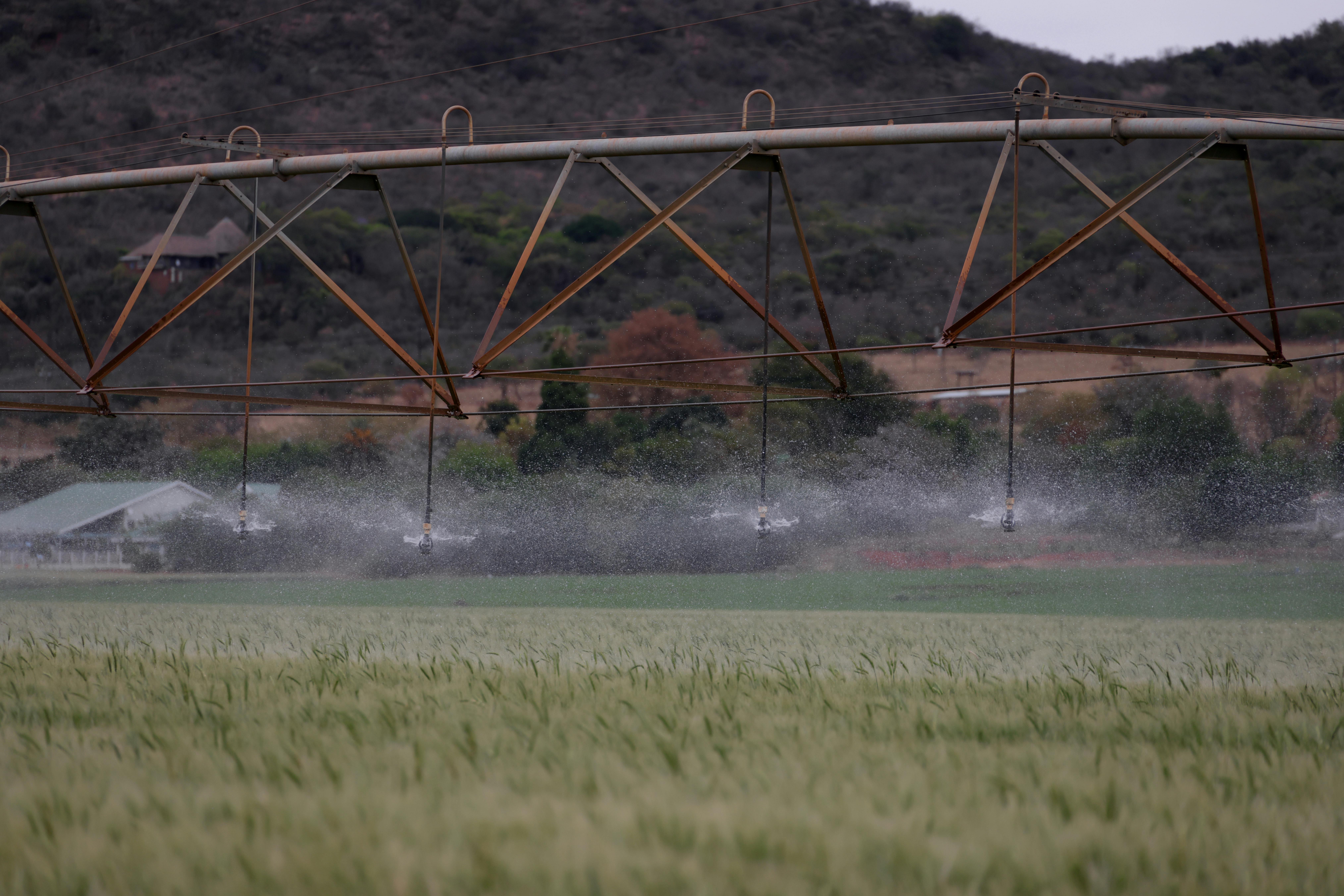
Kenyans are urgently exploring agricultural techniques that mitigate water scarcity's high costs. As of August 2026, many are scrutinizing traditional methods like drip irrigation, known for potential water savings, yet impractical due to high initial costs and maintenance. Smallholders focus on low-cost, high-impact alternatives such as rainwater harvesting and conservation techniques. This movement seeks to enhance soil moisture retention without relying on costly irrigation systems.
Key Insights or Strategies
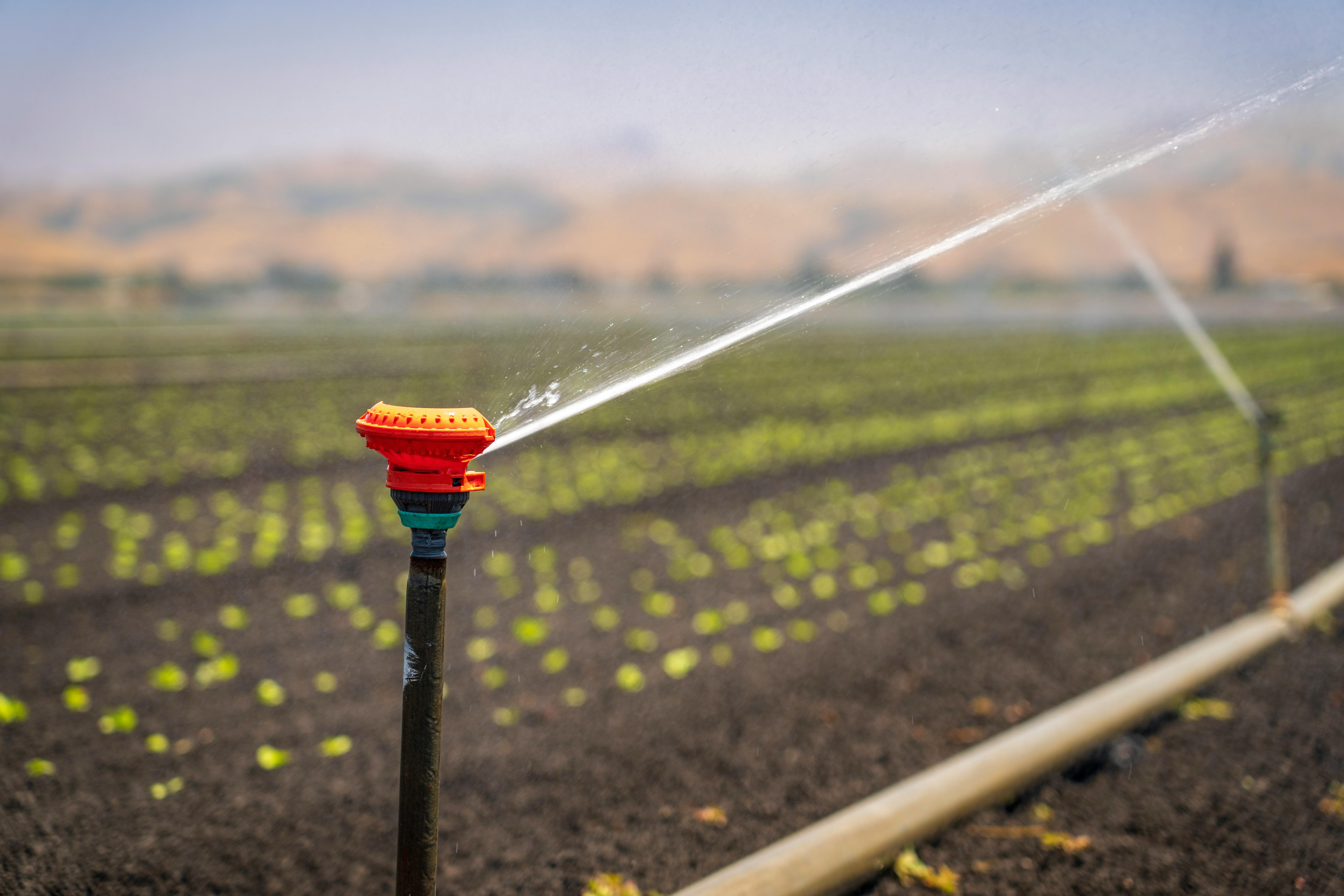
Enhancing Soil Moisture Retention
Implementing methods like tied ridges and cover cropping helps in reducing reliance on irrigation. These techniques trap rainfall and slow its runoff.
- Adopt conservation tillage to improve water infiltration.
- Utilize green manure to maintain organic matter in soil.
Boost your yields with the Soil pH & Moisture Tester Kit – available on Amazon.
Climate-Resilient Crop Selection
Selecting drought-tolerant varieties like KALRO’s new bean hybrids is essential. Understanding local climate adaptability can lead to an increase in yield by 20–40%.
Integrated Water Management Approaches
Utilizing zai pits and farm ponds effectively manages limited rainfall, enhancing water availability during dry spells.
Explore sustainable organic farming solutions with Biofarm Kenya.
Case Studies, Examples, or Comparisons
An example of successful adaptation is seen in Nakuru County, where farmers implemented rainwater harvesting to great effect, boosting productivity during dry seasons. According to the FAO, such methods have become vital in sub-Saharan Africa.
Common Mistakes to Avoid
- Overuse of chemical fertilizers which degrade soil fertility.
- Ignoring local climate conditions when selecting crop varieties.
- Underestimating maintenance needs in rainwater harvesting systems.
Expert Tips or Best Practices
Maintaining healthy soil is key. Use Organic Compost Starter Mix to enrich soil health naturally.
Incorporate drip irrigation selectively for high-value crops, but rely on local know-how for broader resilience.
Continue your sustainable journey with Biofarm Kenya.
Future Trends or Predictions
Future innovations in agricultural technology hold promise for Kenyan farmers. Developments like AI-driven crop monitoring and vertical farming may redefine small-scale farming and increase resilience against unpredictable weather patterns.
Conclusion
Sustainable agriculture in Kenya requires a balanced approach, blending modern technology with traditional wisdom. With these low-cost strategies, farmers can secure better livelihoods despite water scarcity. Discover trusted organic farming tools on Amazon and learn more about sustainable solutions with Biofarm Kenya.
FAQs
- What are the most effective soil moisture retention techniques?
Tied ridges and cover cropping have been identified by the Kenya Agricultural & Livestock Research Organization as effective in retaining moisture. - How do zai pits benefit smallholder farms?
They enhance water retention and reduce evaporation, as discussed by the FAO. - Can rainwater harvesting replace traditional irrigation?
It often complements irrigation by capturing seasonal rainfall. FAO supports it as a viable alternative. - Why choose drought-tolerant crops?
These crops are specially bred for resilience against climate variability. KALRO provides varieties suited for Kenyan conditions. - Is drip irrigation suitable for every crop?
It's beneficial for high-value crops but not practical for all due to costs. More details at NEMA. - How to maintain soil fertility sustainably?
Using organic inputs such as compost enriches the soil. Biofarm Kenya offers organic solutions.


0 Comments