

Estimated Reading Time: 11 minutes
TL;DR: Learn how legume intercropping can enhance soil fertility, cut costs, and boost crop yields.
Key Takeaways:
- Reduce fertilizer costs by 50% with legume intercropping.
- Implement cowpea and pigeon pea systems for natural nitrogen fixation.
- Optimize crop spacing for maximum resource sharing.
- Learn from successful case studies of Kenyan farmers.
- Adopt future agro-tech innovations today.
Introduction
Kenyan farmers are increasingly adopting legume intercropping to combat soil degradation and rising chemical fertilizer costs. This guide trains farmers to implement evidence-backed intercropping systems using cowpeas and pigeon peas, which fix nitrogen naturally. With sustainable agriculture becoming ever more crucial, Kenyan farmers are set to boost soil health and crop yields cost-effectively.
Background & Context
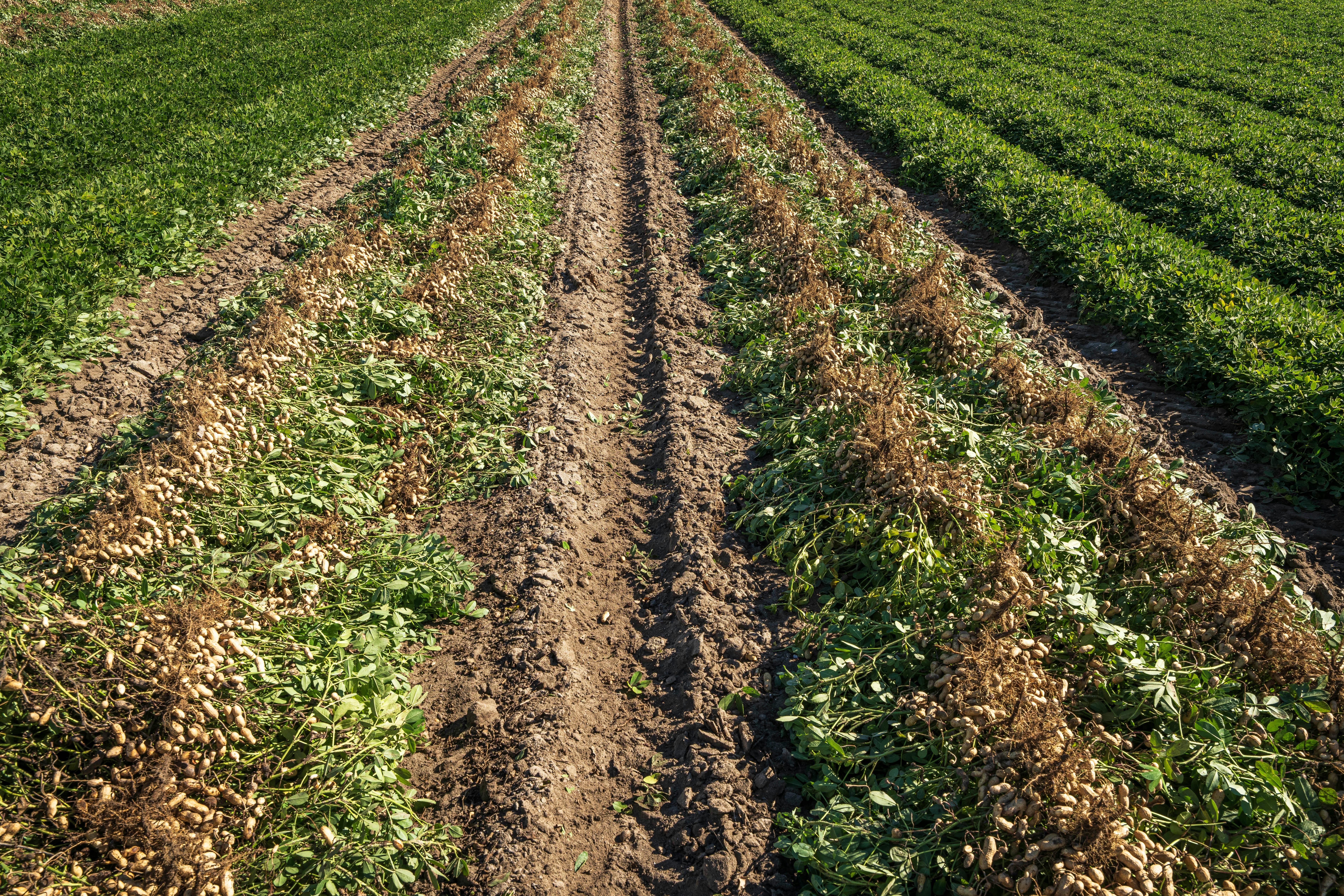
Legume intercropping is not only beneficial for soil fertility but also aligns with greater organic farming practices. The use of legumes like cowpeas and pigeon peas enhances soil nitrogen levels naturally, reducing dependence on chemical fertilizers. According to research from Egerton University, adopting these practices can lead to yield increases up to 30% in maize crops.
Key Insights or Strategies

Why Intercrop With Legumes?
Intercropping with legumes offers several advantages:
- Nitrogen Fixation: Legumes enhance nitrogen availability, minimizing fertilizer dependency.
- Improved Soil Structure: Root structures of legumes enhance soil aeration and composition.
- Disease Control: Diversifying crops can reduce pest outbreaks.
Boost your yields with the AchmadAnam Crushed Oyster Shell Organic Fertilizer – available on Amazon.
Explore sustainable organic farming solutions with Biofarm Kenya
Case Studies, Examples, or Comparisons
One prime example is the success story from Nyabeda Primary School, supported by KEFRI, where legume intercropping replenished the school's maize crop, cutting costs and improving output. For further information, see the detailed report on this project in the DIVERSify study.
Common Mistakes to Avoid
- Improper Crop Spacing: Always maintain adequate spacing for nutrient sharing.
- Over-irrigation: Ensure correct watering schedules to avoid water stress.
- Poor Soil Preparation: Before planting, thoroughly prepare and test soil quality.
Expert Tips or Best Practices
Maintain healthy soil with CARPATHEN Drip Irrigation System Kitfor efficient water management.
For farmers seeking a reliable compost solution, consider theGreenhouse Kits for Small Farms – available on Amazon.
Explore sustainable organic farming solutions with Biofarm Kenya
Future Trends or Predictions
Upcoming innovations such as smart irrigation systems and AI-driven crop monitoring will transform farming in Kenya. These technologies promise to enhance productivity and sustainability even further.
Conclusion
Incorporating legumes into your cropping system is a proven method to boost yields and reduce costs. Discover trusted organic farming tools on Amazon andlearn more about sustainable solutions with Biofarm Kenya.
FAQs
- What are the benefits of legume intercropping? Legume intercropping enhances soil nitrogen, reduces chemical fertilizer need, and boosts crop yields. Learn more from the FAO.
- How does legume intercropping work? Legumes fix atmospheric nitrogen into the soil through root nodules, enhancing fertility. More details at Ministry of Agriculture.
- What crops are best for intercropping with legumes? Maize, sorghum, and various vegetables pair well. NEMA offers further insights.
- How can I optimize soil health while intercropping? Regular soil testing and using organic fertilizers like AchmadAnam Crushed Oyster Shell help maintain optimal soil health.
- How much can I save using legume intercropping? Farmers report up to 50% savings on fertilizers. Check the KEPHIS studies.
- Can smallholder farms benefit from intercropping? Yes, even small-scale farms see significant gains in crop productivity. See examples at Biofarm Kenya.


0 Comments