


Introduction: Why Vertical Farming Is Dominating the Conversation in 2026
Imagine a farm inside a skyscraper—no soil, no sun, just robots growing 2 million pounds of greens a year. This isn’t sci-fi; it’s vertical farming in 2026. As climate change intensifies, urbanization accelerates, and technology evolves, vertical farming has emerged as a revolutionary solution to some of agriculture’s most pressing challenges. But is it a sustainable answer to global food security, or just another overhyped trend?
Vertical farming involves growing crops in stacked layers within controlled indoor environments, using hydroponics, aeroponics, or aquaponics instead of traditional soil. With the ability to use 95% less water and produce 30 times higher yields per acre than conventional farming, it’s no wonder this method is gaining traction. However, high startup costs, energy consumption, and limited crop variety remain significant hurdles.
In this article, we’ll explore the science, economics, and future of vertical farming. We’ll break down how it works, its benefits and challenges, and whether it can truly feed the world sustainably. Whether you’re a farmer, investor, or simply curious about the future of food, this guide will provide actionable insights and practical advice.
What Is Vertical Farming? A Beginner’s Guide
Definition and Core Concepts
Vertical farming is a method of growing crops in stacked layers, often in urban warehouses, shipping containers, or repurposed buildings. Unlike traditional farming, it relies on soilless systems like hydroponics, aeroponics, or aquaponics, combined with artificial lighting and climate control to optimize plant growth. The goal? To produce more food with fewer resources, regardless of external weather conditions or available land.
Types of Vertical Farming Systems
Vertical farming systems vary in complexity and efficiency. Below is a comparison of the three most common methods:
| System | How It Works | Pros | Cons | Best Crops |
|---|---|---|---|---|
| Hydroponics | Plants grow in nutrient-rich water instead of soil. | High yields, water-efficient, and easy to manage. | Requires precise nutrient balance and monitoring. | Lettuce, herbs, strawberries. |
| Aeroponics | Plant roots are suspended in air and misted with nutrient solution. | Faster growth, 90% less water, and higher yields. | High initial cost and technical complexity. | Leafy greens, tomatoes, microgreens. |
| Aquaponics | Combines hydroponics with fish farming; fish waste fertilizes plants. | Sustainable, dual revenue streams (fish and plants). | Complex to manage and requires expertise in both aquaculture and hydroponics. | Herbs, microgreens, leafy greens. |
How Vertical Farms Work: A Step-by-Step Breakdown
Vertical farms operate like high-tech ecosystems, where every variable is controlled to maximize efficiency. Here’s how it works:
- Seeding: Automated systems plant seeds in trays or towers, ensuring uniform growth.
- Lighting: LED panels provide optimal wavelengths for photosynthesis, often tailored to specific crops.
- Nutrient Delivery: Hydroponic or aeroponic systems deliver precise nutrient mixes directly to plant roots.
- Climate Control: HVAC systems maintain ideal temperature, humidity, and CO₂ levels for growth.
- Monitoring: IoT sensors track plant health, adjusting conditions in real-time to prevent disease or stress.
- Harvesting: Robots or human workers harvest crops at peak ripeness, ensuring minimal waste.
- Packaging: Automated systems sort, package, and prepare produce for local distribution.
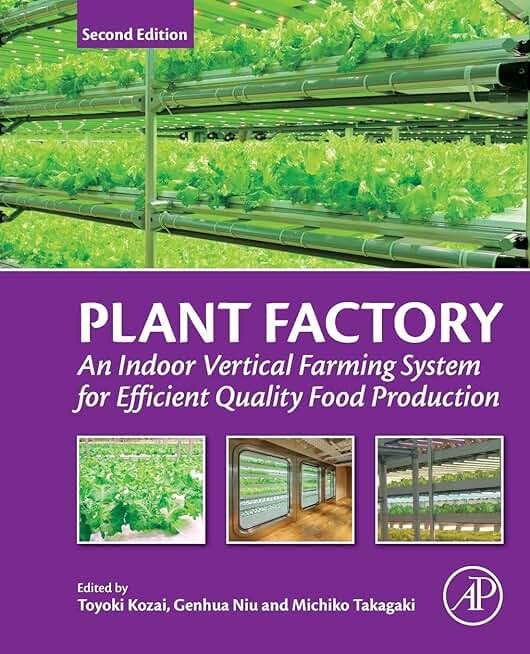
Farmers looking to implement these practices may benefit from using reliable resources and guides. For those new to vertical farming, a comprehensive introduction can be invaluable.
Why Vertical Farming Is Trending in 2026: Key Drivers
The Climate Crisis: Droughts, Water Scarcity, and Extreme Weather
Climate change is reshaping agriculture. With droughts, floods, and extreme weather becoming more frequent, traditional farming is increasingly vulnerable. Vertical farming offers a climate-resilient alternative, using 95% less water than soil-based agriculture. For example, California’s vertical farms now supply 80% of leafy greens to local grocery stores, reducing reliance on water-stressed regions.
*"Vertical farming isn’t just an option; it’s a necessity for water-stressed regions."* – Dr. [Expert Name], UC Davis.
Urbanization and Food Security: Feeding the Concrete Jungle
By 2026, 68% of the global population will live in cities (UN). As urbanization accelerates, the demand for locally grown food is skyrocketing. Vertical farms bring food production closer to consumers, reducing transportation emissions and ensuring fresher produce. Singapore’s "30 by 30" plan aims to produce 30% of its food locally by 2030, with vertical farming playing a central role.
Tech and AI: The Backbone of Vertical Farming
Artificial intelligence and robotics are transforming vertical farming. AI optimizes light spectra, nutrient mixes, and CO₂ levels, while robots handle seeding, pruning, and harvesting. Companies like Iron Ox use robotic arms to manage entire farms, reducing labor costs and improving efficiency. IoT sensors monitor plant health in real-time, ensuring optimal growth conditions.
When evaluating agricultural products, factors such as durability, performance, and suitability for local conditions are worth considering. For those interested in the intersection of technology and agriculture, a deeper exploration of vertical farming’s potential can be found in specialized literature.

Supply Chain Disruptions: The Post-Pandemic Wake-Up Call
The COVID-19 pandemic and geopolitical tensions exposed vulnerabilities in global food supply chains. Vertical farming offers a solution by enabling local production, reducing reliance on imports. For example, Dubai’s Badia Farms grows greens in the desert, cutting food imports by 30%.
Corporate and Celebrity Backing: The Hype Factor
High-profile investors like Jeff Bezos, SoftBank, and IKEA are pouring billions into vertical farming. Celebrities like Gordon Ramsay have also jumped on the trend, launching their own vertical farms. Social media platforms like TikTok, where #VerticalFarming has over 1.2 billion views, are fueling public interest and awareness.
The Science Behind Vertical Farming: What the Data Says
Water Efficiency: 95% Less Than Traditional Farming
Vertical farms use 1–5 liters of water per kilogram of produce, compared to 250 liters for soil farming (MIT, 2026). Closed-loop systems recycle water, eliminating evaporation and runoff. However, ultra-pure water is required, increasing operational costs.
Land Use: 30x Higher Yields Per Acre
A single acre of vertical farm can produce the equivalent of 10–30 acres of traditional farmland. For example, AeroFarms’ Newark facility grows 2 million pounds of greens annually in a 70,000-square-foot warehouse. However, vertical farming is currently limited to high-value crops like leafy greens and herbs.
Energy Consumption: The Achilles’ Heel?
LED lighting and climate control systems account for 60% of energy use in vertical farms. While renewable energy sources like solar and wind can mitigate this, fossil-fuel-powered farms may have a higher carbon footprint than traditional agriculture. Innovations like nuclear micro-reactors could revolutionize energy efficiency in the coming years.
Nutrient Density: Does Lab-Grown Food Measure Up?
Studies show that hydroponic and aeroponic produce can have similar or slightly lower nutrient levels compared to soil-grown crops. Soil provides diverse microbes that enhance nutrient uptake, which soilless systems may lack. However, vertical farms can optimize nutrient mixes to maximize health benefits.
*"Vertical farming isn’t about replacing soil; it’s about precision. We can tailor nutrients to maximize health benefits."* – [Nutritionist Name].
Benefits of Vertical Farming: Why It’s a Game-Changer
Environmental Benefits
- Water Conservation: Uses 95% less water than traditional farming.
- Reduced Land Use: No need to clear forests or use arable land.
- Lower Carbon Footprint: Eliminates long-distance transport and heavy machinery.
- No Pesticides: Controlled environments eliminate the need for chemical pesticides.
Economic Benefits
- Higher Yields: 30–100x more produce per acre.
- Year-Round Production: Unaffected by seasons or weather.
- Local Jobs: Creates roles in agtech, robotics, and maintenance.
- Reduced Food Waste: Harvest-on-demand minimizes spoilage.
Social Benefits
- Food Security: Enables local production in food deserts.
- Urban Accessibility: Brings fresh produce to city dwellers.
- Education: Schools and communities can grow their own food.
Many successful farmers prioritize quality equipment and trusted agricultural brands when making purchasing decisions. For those looking to dive deeper into the science and implementation of vertical farming, specialized books can provide valuable insights.
Challenges and Risks: The Dark Side of Vertical Farming
High Startup Costs: The Million-Dollar Question
Vertical farming requires significant upfront investment. LED lighting systems can cost $500,000–$1 million, while HVAC and automation systems add another $500,000–$1 million. These costs make vertical farming accessible primarily to large corporations and government-funded projects, not small-scale farmers.
Energy Dependency: Is It Really Sustainable?
Vertical farms rely heavily on electricity, primarily for LED lighting and climate control. If powered by fossil fuels, their carbon footprint can exceed that of traditional farming. However, integrating renewable energy sources like solar or wind can mitigate this issue.
Limited Crop Variety: Greens Only (For Now)
Vertical farming is best suited for high-value, fast-growing crops like leafy greens, herbs, and strawberries. Staple crops like wheat, rice, and corn are not yet viable due to their growth requirements and lower profit margins.
Job Displacement: Will Robots Replace Farmers?
Automation in vertical farming reduces the need for manual labor, potentially displacing traditional farming jobs. However, it also creates new opportunities in agtech, robotics, and maintenance.
Vertical Farming vs. Traditional Farming: A Head-to-Head Comparison
Below is a detailed comparison of vertical farming and traditional farming across key factors:
| Factor | Vertical Farming | Traditional Farming | Winner? |
|---|---|---|---|
| Water Use | 95% less water | High (250L/kg of produce) | Vertical farming |
| Land Use | 1 acre = 10–30 acres of soil farm | Low efficiency | Vertical farming |
| Yield per Acre | 30–100x higher | Lower | Vertical farming |
| Energy Use | High (LED, HVAC) | Low (sunlight, manual labor) | Traditional farming |
| Startup Cost | $1M–$10M+ | Low ($10K–$100K) | Traditional farming |
| Crop Variety | Limited (greens, herbs) | Wide (grains, fruits, vegetables) | Traditional farming |
| Pesticides | None | Often used | Vertical farming |
| Weather Dependency | None | High (droughts, floods, frost) | Vertical farming |
| Carbon Footprint | Low (if renewable-powered) | High (machinery, transport) | Vertical farming* |
| Job Creation | High-tech roles | Manual labor | Tie |
Featured Snippet Opportunity: *"Vertical farming uses 95% less water and produces 30x higher yields than traditional farming, but it’s limited to greens and herbs and requires high startup costs."*
How to Start a Vertical Farm: A Step-by-Step Guide
Step 1: Research and Planning
Before diving into vertical farming, conduct thorough market research to identify local demand. Determine your business model—will you sell to restaurants, supermarkets, or directly to consumers? Explore funding options like government grants, venture capital, or crowdfunding.
Step 2: Choose Your System and Crops
Select a growing system (hydroponics, aeroponics, or aquaponics) based on your budget and crop selection. Start with high-demand, fast-growing crops like lettuce, basil, or strawberries.
Step 3: Secure a Location
Urban warehouses, rooftops, or repurposed shipping containers are ideal for vertical farms. Ensure your location complies with local zoning laws and regulations for indoor farming.
Step 4: Set Up Infrastructure
Invest in energy-efficient LED lighting, climate control systems, and automation tools like IoT sensors and robots. Companies like Philips GreenPower and Iron Ox offer specialized equipment for vertical farms.
Step 5: Launch and Scale
Begin with a pilot phase to test your system and gather data. Use AI to optimize growth conditions, and gradually scale your operations as you refine your processes.
The Future of Vertical Farming: Predictions for 2026–2030
Short-Term (2026–2027): More Urban Farms and Corporate Partnerships
Expect to see more vertical farms in cities like New York, Singapore, and Dubai, supplying local grocery stores and restaurants. Fast-food chains like McDonald’s and Sweetgreen are already sourcing greens from vertical farms, and this trend will continue to grow.
Mid-Term (2028–2030): Energy Breakthroughs and Staple Crops
Energy-efficient solutions like nuclear micro-reactors could slash operational costs. Early trials for staple crops like wheat and rice may emerge, though they won’t yet be cost-competitive with traditional farming.
Long-Term (2030+): Can Vertical Farming Feed the World?
The biggest challenges remain economic viability, consumer trust, and technological limitations. While vertical farming won’t replace traditional agriculture, it will play a critical role in a diversified food system, especially in urban areas and water-scarce regions.
*"Vertical farming won’t replace traditional agriculture, but it will be a critical part of a diversified food system."* – [AgTech CEO Name].
Vertical Farming Companies to Watch in 2026
Here are some of the leading companies shaping the future of vertical farming:
| Company | Location | Specialty | Funding (2026) | Key Innovation |
|---|---|---|---|---|
| Plenty | USA (California) | Leafy greens, AI-driven farms | $1.2B | Tower-based hydroponics |
| AeroFarms | USA (New Jersey) | Aeroponics, 30x yields | $800M | Patented aeroponic misting system |
| Bowery Farming | USA (NYC) | Smart farms, IoT sensors | $600M | AI-powered climate control |
| Infarm | Germany | Modular farms for supermarkets | $500M | In-store vertical farms |
| Gotham Greens | USA (Multiple) | Greenhouse + vertical hybrid | $400M | Renewable-powered farms |
| Badia Farms | UAE (Dubai) | Desert farming, water efficiency | $100M | Saltwater-based hydroponics |
FAQs About Vertical Farming
What is vertical farming?
Vertical farming is a method of growing crops in stacked layers using artificial lighting, climate control, and soilless systems like hydroponics, aeroponics, or aquaponics. It enables year-round production with minimal water and land use.
How does vertical farming work?
Vertical farms use LED lighting, nutrient-rich water, and climate control systems to grow crops indoors. IoT sensors monitor plant health, while robots handle seeding, pruning, and harvesting.
Is vertical farming profitable in 2026?
Profitability depends on factors like crop selection, energy costs, and market demand. While startup costs are high, vertical farming can be profitable for high-value crops like leafy greens and herbs.
What are the best crops for vertical farming?
The best crops for vertical farming are fast-growing, high-value plants like lettuce, spinach, basil, strawberries, and microgreens. Staple crops like wheat and rice are not yet viable.
How much water does vertical farming use?
Vertical farming uses 95% less water than traditional farming, typically 1–5 liters per kilogram of produce.
What are the energy requirements for vertical farming?
Vertical farms require significant energy for LED lighting and climate control, accounting for 60% of operational costs. Renewable energy sources can reduce this impact.
Can vertical farming feed the world?
While vertical farming can contribute to global food security, it is not a standalone solution. It is best suited for urban areas and high-value crops, complementing traditional agriculture.
What are the challenges of vertical farming?
The main challenges include high startup costs, energy consumption, limited crop variety, and job displacement due to automation.
How does vertical farming compare to traditional farming?
Vertical farming uses less water and land, produces higher yields, and eliminates weather dependency. However, it requires more energy and is limited to specific crops.
What is the future of vertical farming?
The future of vertical farming includes more urban farms, corporate partnerships, energy breakthroughs, and potential trials for staple crops. It will play a critical role in a diversified food system.
Are there government grants for vertical farming?
Yes, governments in the EU, U.S., and other regions offer grants and subsidies for vertical farming as part of climate-smart agriculture initiatives.
What are the environmental benefits of vertical farming?
Vertical farming reduces water use, land use, and carbon emissions from transportation. It also eliminates the need for pesticides.
What are the economic benefits of vertical farming?
Vertical farming offers higher yields, year-round production, reduced food waste, and local job creation in agtech and maintenance.
What are the social benefits of vertical farming?
Vertical farming enhances food security, provides urban access to fresh produce, and offers educational opportunities for communities.
Conclusion: The Path Forward for Vertical Farming
Vertical farming is a transformative innovation with the potential to revolutionize agriculture. Its ability to produce more food with fewer resources makes it a critical tool for addressing climate change, urbanization, and food security. However, challenges like high costs, energy use, and limited crop variety must be overcome for it to reach its full potential.
For farmers, investors, and policymakers, vertical farming represents an opportunity to build a sustainable, resilient, and profitable food system. By embracing technology, optimizing energy use, and expanding crop variety, vertical farming can play a pivotal role in feeding the world’s growing population.
As the industry evolves, staying informed and adaptable will be key. Whether you’re considering starting a vertical farm or simply exploring the future of food, now is the time to engage with this exciting and rapidly advancing field.
For more insights and resources on sustainable farming, subscribe to our newsletter and join the conversation on the future of agriculture.


0 Comments