

Estimated Reading Time: 11 minutes
TL;DR: This article explores how Kenyan farmers can enhance soil fertility using organic methods. Learn about composting, biochar, and legume intercropping. Discover cost-effective alternatives, see case studies, and avoid common pitfalls.
Key Takeaways:
- Switching to organic methods can increase maize yields by 18%.
- Compost pile management is crucial for effective organic farming.
- Intercropping with legumes can naturally fix nitrogen in the soil.
- Biochar retains soil nutrients and enhances fertility.
- Reducing chemical fertilizers cuts input costs by 40%.
Table of Contents:
- Introduction
- Background & Context
- Key Insights or Strategies
- Case Studies, Examples, or Comparisons
- Common Mistakes to Avoid
- Expert Tips or Best Practices
- Future Trends or Predictions
- Conclusion
- FAQs
Introduction
In Kenya, the agricultural sector is a cornerstone of the economy, providing livelihoods for millions. As chemical fertilizer prices continue to rise, Kenyan farmers are increasingly seeking affordable and sustainable soil fertility solutions. This guide focuses on transitioning to organic amendments like compost, biochar, and legume intercropping, which were shown to improve maize yields by 18% over three seasons in 2025 KALRO trials. Embracing these methods not only enhances productivity but also reduces input costs by 40%.
Background & Context
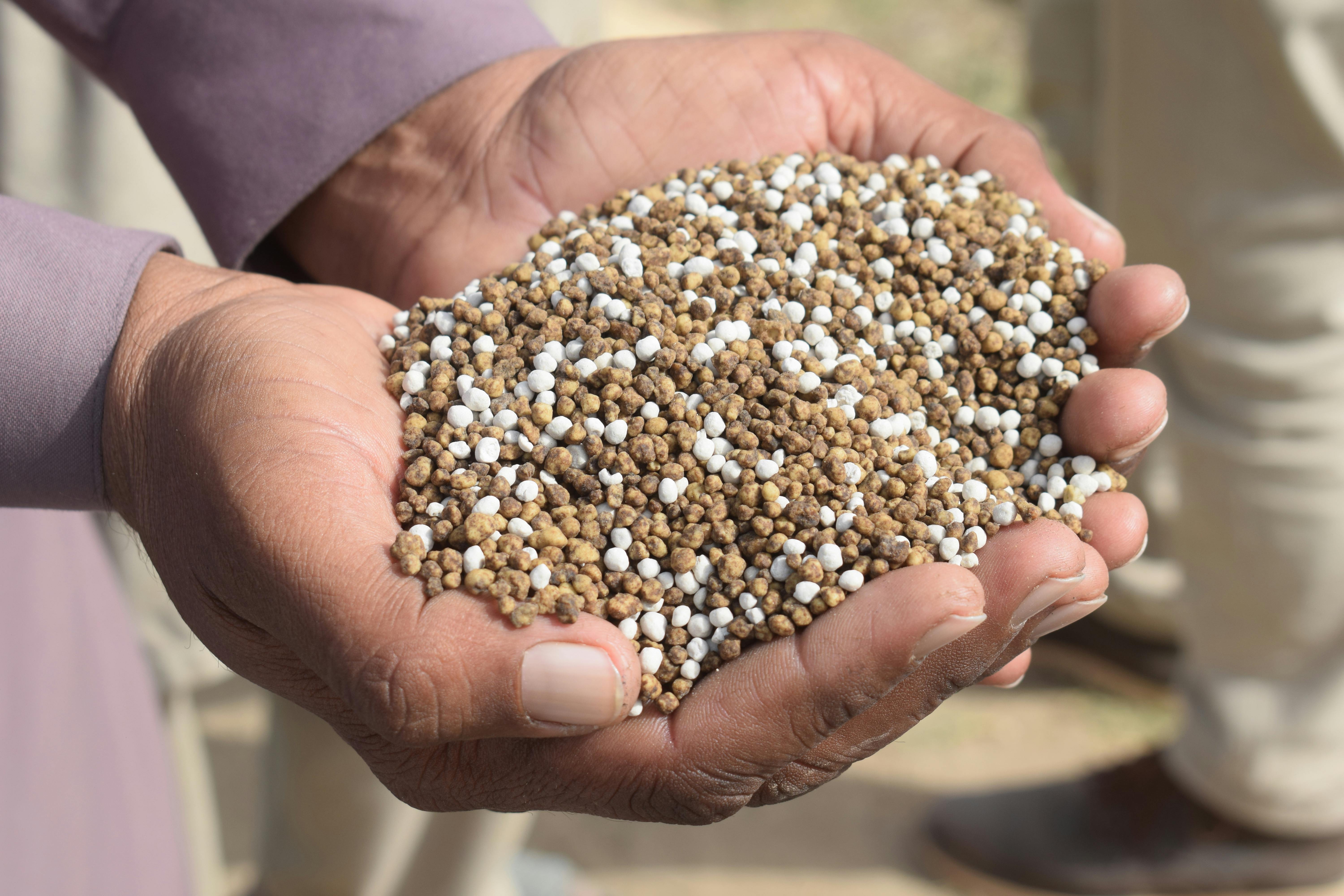
Kenya's commitment to boosting agribusiness, organic farming, and sustainable agriculture is commendable. According to a report by CGSpace, organic practices can revitalize the soil, leading to healthier crops and greater yields.
Key Insights or Strategies
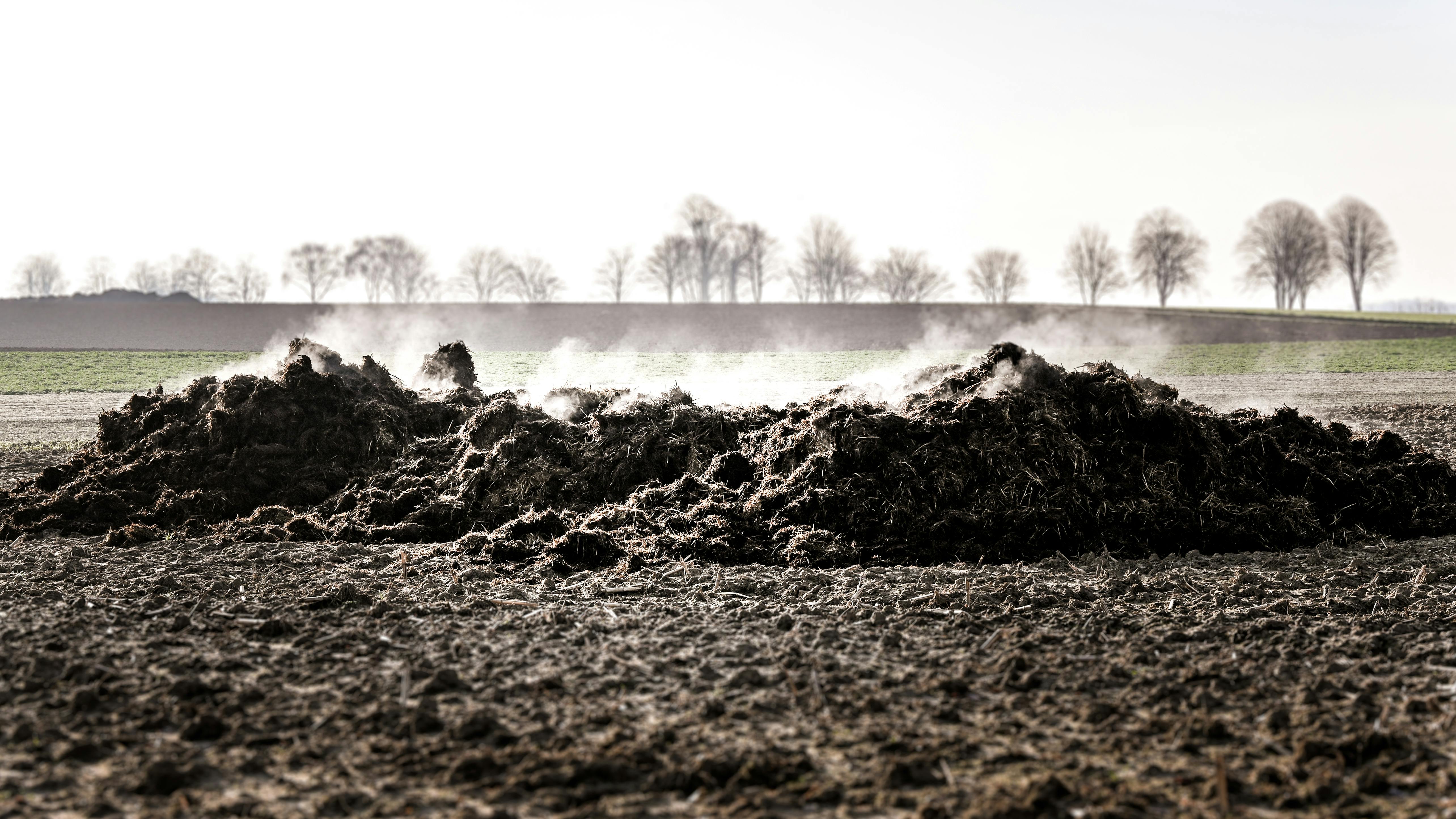
Composting Techniques
- Select a shady, dry spot near a water source for your compost pile.
- Add green materials (like fruit scraps, coffee grounds) and brown materials (twigs, leaves) in alternate layers.
- Keep the compost damp by adding water as needed.
- Turn the pile with a shovel to aerate.
- Mature compost is ready in about two months.
Boost your yields with the Drammatic® Organic™ Original Fertilizer – available on Amazon.
Explore sustainable organic farming solutions with Biofarm Kenya.
Biochar Enhancement
- Create biochar by burning organic matter like crop residues in a limited oxygen environment.
- Mix biochar with compost and apply to the soil to create a lasting effect on soil fertility.
Legume Intercropping
- Choose legumes (e.g., beans, peas) that are suited to your soil type and climate.
- Plant these between rows of your main crop to add nitrogen to the soil naturally.
- Rotate crops annually to maximize soil health.
For efficient watering systems, try the CARPATHEN Drip Irrigation System Kit – available on Amazon.
Case Studies, Examples, or Comparisons
In Nyandarua County, GitLab Foundation's climate-smart agriculture hub empowers local farmers with techniques to reduce environmental impact and increase crop resilience. The hub shows how collaboration between stakeholders can transform agricultural practices, benefiting both communities and ecosystems.
Common Mistakes to Avoid
- Over-fertilizing can lead to nutrient leaching. Adjust according to soil tests.
- Improper compost pile management can result in pests. Ensure thorough aeration.
- Neglecting crop rotation can deplete soil nutrients quickly.
Expert Tips or Best Practices
Maintain healthy soil with the House and Garden Bio 1 Component Soil – available on Amazon.
Explore sustainable organic farming solutions with Biofarm Kenya.
Future Trends or Predictions
Emerging technologies are set to revolutionize farming in Kenya. With advancements in smart irrigation, AI-driven crop monitoring, and vertical farming, the future promises higher efficiency and productivity.
Conclusion
By leveraging organic practices, Kenyan farmers can achieve significant improvements in yield and sustainability. Discover trusted organic farming tools on Amazon and learn more about sustainable solutions with Biofarm Kenya.
FAQs
- What are the benefits of organic farming? Organic farming reduces chemical inputs and enhances biodiversity. Learn more at FAO.
- How can I improve soil health organically? Use compost, biochar, and crop rotation to naturally enhance soil nutrients. Read more on KALRO.
- Why are chemical fertilizers not ideal? They can deplete soil life and lead to pollution. NEMA details here.
- What is legume intercropping? It's a practice of growing legumes with other crops to add nitrogen to the soil. Biofarm Kenya resources.
- How can I test my soil's nutrient levels? Use a soil testing kit for accurate readings. KEPHIS information.
- What role does biochar play? It enhances soil structure and nutrient retention. Farmers Weekly article.


0 Comments