

Estimated Reading Time: 10 minutes
TL;DR:
- Drip irrigation can significantly boost maize yields while saving water.
- Kenyan farmers can reduce water usage by 30-50% with precision systems.
- Simple steps include assessing water needs, installing systems, and timing waterings.
- Adoption of modern irrigation is an answer to frequent drought challenges in Kenya.
- Explore sustainable organic farming solutions with Biofarm Kenya.
Key Takeaways:
- Assess and calculate crop water needs accurately using soil sensors.
- Choose low-cost, locally sourced materials for drip system installations.
- Use weather forecasts to plan irrigation schedules effectively.
- Utilize the latest in smart irrigation technology to enhance efficiency.
- Learn more by connecting with Biofarm Kenya.
Table of Contents:
- Background & Context
- Key Insights or Strategies
- Case Studies, Examples, or Comparisons
- Common Mistakes to Avoid
- Expert Tips or Best Practices
- Future Trends or Predictions
- Conclusion
- FAQs
Background & Context

Sustainable agriculture in Kenya is a response to the growing demand for eco-friendly and efficient farming practices. With droughts becoming more frequent, Kenyan farmers are increasingly seeking water-efficient maize farming methods. Drip irrigation has emerged as a promising solution, allowing for precise water delivery and higher yields.
Key Insights or Strategies
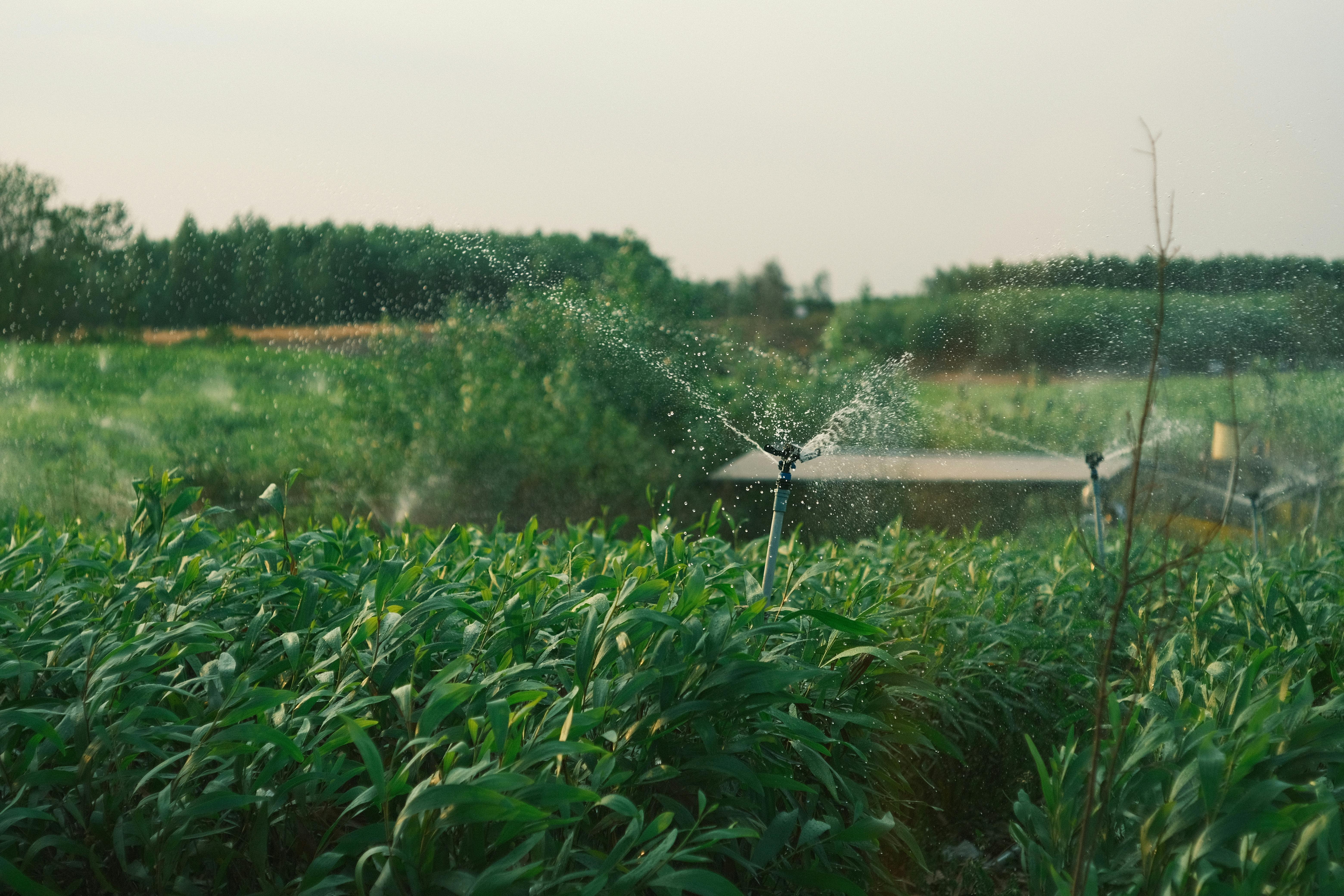
Assessing Crop Water Needs
- Evaluate soil moisture using advanced soil sensors.
- Calculate water requirements based on maize variety and growth stage.
- Monitor environmental conditions to fine-tune irrigation schedules.
For reliable moisture detection, consider the Soil pH & Moisture Tester Kit – available on Amazon.
Choosing and Installing Drip Systems
- Select drip components made from locally available materials.
- Install systems carefully to ensure uniform water distribution.
- Regularly inspect and maintain the system to prevent blockages.
Enhance your irrigation setup with the CARPATHEN Drip Irrigation System Kit.
Explore sustainable organic farming solutions with Biofarm Kenya
Case Studies, Examples, or Comparisons
Successful implementation of drip irrigation has been observed among maize farmers in counties like Nakuru, enhancing productivity and sustainability. According to the Africa Sustainable Commodities Initiative (ASCI), such technologies have catapulted agricultural advancements in Kenya.
Common Mistakes to Avoid
- Ignoring soil type variations, leading to uneven water distribution.
- Improper spacing between drip lines, which can cause runoff or dry patches.
- Neglecting regular system checks, leading to hidden inefficiencies.
Expert Tips or Best Practices
Incorporate organic compost to improve soil water retention. For an excellent starter, try the Crushed Oyster Shell Organic Fertilizer.
Explore sustainable organic farming solutions with Biofarm Kenya
Future Trends or Predictions
As smart agriculture takes center stage, innovations like AI-driven crop monitoring, vertical farming, and enhanced seed technologies continue to shape the future of Kenyan farming. Sustainability remains a core focus, with advancements poised to address food security amidst climate challenges.
Conclusion
Drip irrigation is a crucial step towards sustainable, water-efficient maize farming in Kenya. Discover trusted organic farming tools on Amazon and learn more about sustainable solutions with Biofarm Kenya.
FAQs
1. What is drip irrigation, and how does it work?
Drip irrigation involves delivering water directly to the plant root zone, minimizing waste. For a detailed guide, refer to the Sustainable Agriculture Companies in Kenya.
2. How can I calculate the water needs for my maize crop?
Calibration using soil sensors and climate data can offer precise calculations. Check out the MDPI’s guide on agricultural practices in Sub-Saharan Africa.
3. Is drip irrigation suitable for small-scale farms?
Yes, it is highly adaptable and cost-efficient, particularly when installed with local materials. To learn more, explore the LinkedIn discussions on sustainable agribusiness in Kenya.
4. What are the maintenance requirements for a drip irrigation system?
Regular checks for leaks and blockages are critical for optimal performance. For comprehensive maintenance tips, visit CGSpace’s resource on agriculture.
5. How do I choose the right drip irrigation kit?
Select kits based on your farm size and soil type. Options can be explored on Amazon.
6. Why is drip irrigation considered eco-friendly?
By minimizing water runoff and conserving resources, it promotes environmental sustainability. Learn about eco-friendly practices from the Food and Agriculture Organization.
Africa Sustainable Commodities Initiative (ASCI)
CGSpace Agriculture Resources
Sustainable Agriculture Companies in Kenya
MDPI on Agriculture in Sub-Saharan Africa
Sustainable Agribusiness in Kenya on LinkedIn
Food and Agriculture Organization
Biofarm Kenya Partnership
Biofarm Sustainable Solutions
Biofarm Irrigation Solutions
Biofarm Organic Products
Biofarm Kenya Services
Biofarm Innovation Hub


0 Comments