

Estimated Reading Time: 11 minutes
TL;DR: Unlock Profit with Drought-Resistant Millet in Kenya
Key Takeaways for Millet Farming Success:
Table of Contents
Introduction: Millet – Kenya's Climate-Smart Gold
Kenya's agricultural landscape is rapidly evolving, driven by the pressing need for sustainable practices in the face of unpredictable weather patterns. As the nation grapples with erratic rains and prolonged dry spells, farmers are actively seeking resilient solutions. This is where drought-resistant millet emerges as a powerful answer, trending as a beacon of hope for profitable diversification. Biofarm Kenya is at the forefront of advocating for climate-smart agriculture, and millet stands out as a prime example of a crop that not only endures challenging conditions but also offers significant economic benefits. Our focus is on empowering farmers with crop diversification techniques, emphasizing optimal planting densities (25-30 kg/ha), and implementing effective integrated pest management for millet. Research from KALRO (Kenya Agricultural and Livestock Research Organization 2025) unequivocally demonstrates millet's resilience, requiring a remarkable 30% less water than traditional maize and thriving in temperatures between 28-32°C. This natural hardiness, coupled with a growing high demand in urban markets for 'climate-smart' grains, is creating new, viable profit channels for Kenyan farmers committed to sustainable practices.
Background & Context: The Shifting Sands of Kenyan Agriculture
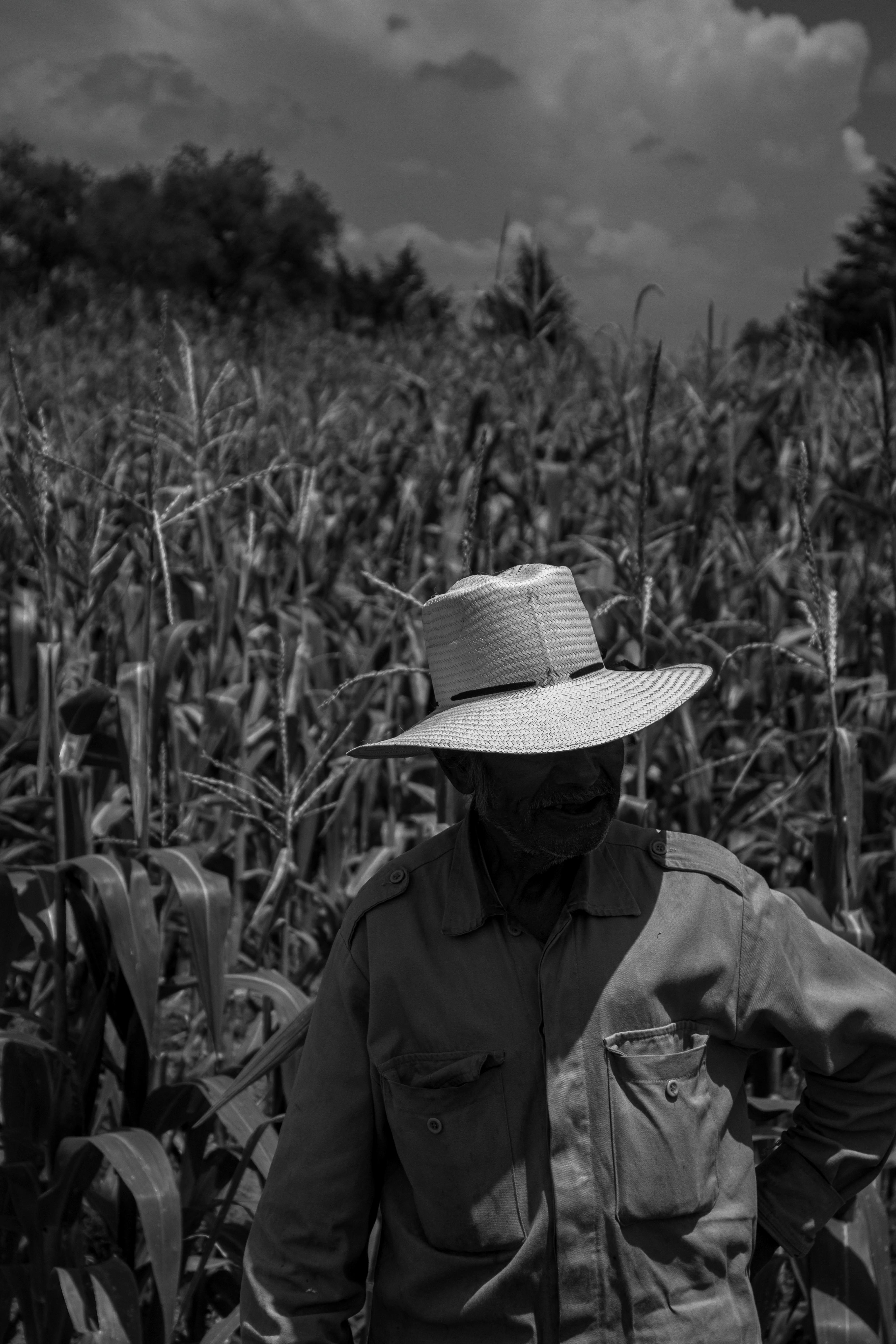
For decades, maize has been the staple crop in Kenya, yet its vulnerability to drought and pests has left many smallholder farmers exposed to significant losses. The ongoing climate crisis, marked by increasingly severe and frequent droughts, necessitates a fundamental shift in agricultural strategies. Sustainable agriculture, organic farming, and enhanced soil fertility are no longer niche concepts but essential pillars for the future of agribusiness growth in Kenya. Millet, particularly varieties like finger and bulrush millet, has historically been cultivated in marginal areas due to its inherent drought tolerance. Its short growing season further adds to its appeal, allowing farmers to achieve harvests even when other crops fail. The adoption of millet aligns perfectly with the principles of climate-smart agriculture, an integrated approach that aims to manage farms, crops, livestock, and natural resources to address climate change challenges while ensuring food security.
Data from the Ministry of Agriculture indicates a national push towards diversifying staple crops. While maize and bean yields have stagnated or declined in recent years due to climate impacts, crops like millet show immense potential. Organizations like KALRO are actively researching and promoting improved millet varieties and sustainable cultivation techniques. This focus on resilient crops like millet not only builds food security but also offers farmers a path to improved livelihoods through new market opportunities.
Key Insights & Strategies for Profitable Millet Cultivation

1. Harnessing Millet's Drought Resistance & Water Efficiency
Millet's most significant advantage lies in its remarkable ability to thrive with minimal water. This makes it an ideal crop for Kenya's arid and semi-arid regions where rainfall is scarce and unreliable. By choosing millet, farmers can significantly reduce their water footprint, making their operations more sustainable and less susceptible to drought-induced failures.
- Select Adapted Varieties: Opt for finger millet or bulrush millet varieties known to perform well in your specific agro-ecological zone. KALRO provides valuable resources on locally adapted cultivars.
- Implement Water Harvesting: Practice Soil Erosion Control and Water Harvesting (SEWHA) techniques to capture and conserve rainwater, maximizing its availability for your millet crop.
- Strategic Planting Times: Plant millet at the onset of short rains to take full advantage of available moisture, allowing the crop to establish itself before prolonged dry spells.
To truly understand your soil's water retention capabilities and nutrient needs, a reliable soil testing kit is invaluable. Boost your yields with the MySoil Soil Test Kit – available on Amazon, which offers complete and accurate nutrient and pH analysis tailored to your specific soil and plant requirements.
2. Optimal Planting & Crop Diversification Techniques
Achieving healthy millet yields begins with proper planting techniques and strategic crop diversification. These practices not only enhance productivity but also contribute to long-term soil health and pest resilience.
- Maintain Optimal Planting Densities: Aim for a planting density of 25-30 kg/ha. This ensures adequate space for each plant to grow without excessive competition for nutrients and water, leading to stronger plants and better yields.
- Practice Crop Rotation: Rotate millet with non-cereal crops, especially legumes like beans or cowpeas. This helps break pest and disease cycles, improves soil structure, and naturally enriches the soil with nitrogen.
- Consider Intercropping: Intercropping millet with leguminous crops offers dual benefits: natural pest suppression and improved soil fertility through nitrogen fixation. This synergy can significantly boost overall farm productivity.
3. Integrated Pest Management (IPM) for Millet
Effective pest management is critical for a profitable millet harvest. An integrated approach combines various strategies to control pests while minimizing environmental impact and promoting beneficial organisms.
- Use Clean, Certified Seeds: Start with weed-free and disease-resistant seeds to prevent initial pest and disease outbreaks.
- Implement Cultural Controls: Practices like appropriate spacing, timely weeding, and proper field sanitation reduce pest habitats and hinder their spread.
- Explore Biological Control: Encourage natural predators of common millet pests by promoting biodiversity around your farm.
- Adopt Push-Pull Strategies: This innovative method involves planting repellent crops (e.g., desmodium) within the millet rows and attractive trap crops (e.g., Napier grass) around the field perimeter to steer pests away from the main crop.
For sustainable pest control, consider using organic solutions. The GreenGro Pride Lands Defense - Organic Pest Control – available on Amazon offers an effective, natural way to eliminate mites, gnats, thrips, and aphids, ensuring your millet crop remains healthy.
To further enhance your farm's productivity and explore a range of sustainable organic farming practices, Explore sustainable organic farming solutions with Biofarm Kenya.
Case Studies & Examples: Kenyan Farmers Leading the Millet Revolution
Across Kenya, resourceful farmers are successfully embracing drought-resistant millet, transforming their livelihoods and demonstrating the crop's immense potential. Beatrice, a smallholder farmer in Nakhwana village, western Kenya, shared her experience with One Acre Fund, stating, 'I expect to harvest every time I plant millet, even in the seasons when my village receives little rainfall.' This testimony highlights millet's reliability as a food security crop even under challenging conditions. Beatrice adopted new planting techniques learned through training programs, achieving consistent yields.
In the arid and semi-arid lands (ASALs) of Eastern Kenya, farmer groups have successfully diversified from traditional maize cultivation to finger millet, observing enhanced food security and increased income from surplus sales in urban centers. These farmers often integrate conservation agriculture principles, such as minimal soil disturbance and mulching, which complement millet's drought tolerance by improving soil moisture retention. According to the Food and Agriculture Organization (FAO) in Kenya, promoting drought-tolerant crops like millet is a key strategy for building resilience against climate change and achieving national food security targets.
Another inspiring example comes from women's farming cooperatives in regions like Busia, who have been empowered by KALRO initiatives to adopt improved finger millet varieties. These varieties not only offer better yields but are also more resilient to local pests and diseases. By focusing on collective action and knowledge sharing, these groups have transformed millet farming into a sustainable and profitable venture, supplying nutritious grains to local and urban markets.
Common Mistakes to Avoid in Millet Farming
While millet is forgiving, avoiding common pitfalls can significantly impact your yields and profitability. Being aware of these mistakes can help you proactively implement better practices.
- Ignoring Soil Testing: Planting without understanding your soil's nutrient profile and pH levels is like flying blind. This leads to inefficient fertilizer application and suboptimal growth.
Correction: Conduct regular soil tests to inform your fertilization strategy and ensure your soil is conducive for millet growth. - Improper Water Management: While millet is drought-resistant, neglecting efficient water use, especially during critical growth stages, can still reduce yields. Over-watering can also lead to nutrient leaching and root rot in some soil types.
Correction: Implement smart water management systems like drip irrigation and consider mulching to conserve soil moisture. - Over-Reliance on Synthetic Inputs: While quick fixes, excessive use of synthetic fertilizers and pesticides can degrade soil health over time, kill beneficial microorganisms, and lead to pest resistance.
Correction: Prioritize organic fertilizers and adopt integrated pest management (IPM) techniques to foster a healthy, balanced ecosystem on your farm. - Neglecting Crop Rotation: Continuously planting millet in the same plot depletes specific nutrients, encourages the build-up of pests and diseases, and reduces soil fertility.
Correction: Practice systematic crop rotation with legumes or other suitable non-cereal crops to break disease cycles and replenish soil nutrients naturally. - Poor Seed Selection: Using uncertified or non-adapted millet seeds can result in low germination rates, poor yields, and increased susceptibility to local pests and diseases.
Correction: Always source certified, high-quality, and climate-resilient millet seeds from reputable suppliers like KALRO or Biofarm Kenya partners.
Expert Tips & Best Practices for Maximizing Millet Yields
To truly unlock the profit potential of drought-resistant millet, integrating advanced techniques and best practices is essential. These tips are designed to enhance your farm's productivity and sustainability.
- Advanced Water Management with Drip Irrigation: Even for drought-resistant crops, targeted water delivery is a game-changer. Drip irrigation systems deliver water directly to the plant roots, minimizing evaporation and ensuring every drop is utilized efficiently. This is particularly crucial during millet's critical flowering and grain-filling stages.
- Enrich Soil with Organic Matter: Healthy soil is the foundation of a thriving farm. Incorporate compost, animal manure, or green manures into your soil regularly. This improves soil structure, water retention capacity, and provides a slow release of essential nutrients for sustained millet growth. For farmers seeking to boost their soil's health naturally, the Wallace Organic Wonder, Soluble DS-80 Humic/Fulvic Acid – available on Amazon is an excellent choice to enhance nutrient absorption and overall plant vigor.
- Strategic Weed Control: Weeds compete aggressively with young millet plants for nutrients and water. Implement timely and consistent weeding, especially in the first 3-4 weeks after planting. Consider sustainable methods like mulching or intercropping with groundcover crops that suppress weeds.
- Market Access and Value Addition: Don't just grow millet; plan for its sale. Connect with urban markets demanding 'climate-smart' grains. Explore value addition opportunities such as milling millet flour, producing millet snacks, or even animal feed to fetch better prices and expand your profit margins.
- Continuous Learning and Adaptation: Agriculture is dynamic. Stay updated on the latest research from institutions like KALRO, attend farmer field schools, and share experiences with fellow farmers. Adapting to new challenges and opportunities is key to long-term success.
Investing in efficient irrigation can make a significant difference. Consider a solution like the Raindrip R560DP Drip Watering System – available on Amazon to ensure your millet receives consistent, targeted moisture, optimizing growth even in challenging conditions.
To further empower your farming journey with valuable resources and partnerships, Explore sustainable organic farming solutions with Biofarm Kenya.
Future Trends & Predictions: The Rise of Smart Millet Farming
The future of agriculture in Kenya, and specifically millet farming, is increasingly intertwined with technological innovation. Smart farming solutions are set to revolutionize how farmers grow crops, making processes more efficient, sustainable, and profitable. We anticipate a significant uptake in technologies that provide real-time data and actionable insights.
Precision Agriculture with IoT and AI: Expect to see more Internet of Things (IoT) devices in fields, monitoring soil moisture, nutrient levels, and even plant health. Coupled with Artificial Intelligence (AI), this data will enable precision agriculture, allowing farmers to apply water and organic fertilizers exactly where and when needed. Companies like Apollo Agriculture in Kenya are already using satellite data and machine learning to offer input credit and insurance to smallholders, demonstrating the power of data-driven decisions.
Drone Technology for Crop Monitoring and Pest Control: Drones are becoming more accessible, offering aerial views of large millet fields. They can identify pest infestations early, monitor crop health, and even assist in targeted application of organic pest control, significantly reducing labor and resource waste. This allows for proactive rather than reactive management, especially crucial for integrated pest management.
Vertical Farming and Controlled Environment Agriculture: While currently more common for high-value crops, advancements in vertical farming and controlled environment agriculture could be adapted for specialized millet production, especially in urban or peri-urban areas where land is scarce. This offers maximum yield per square foot and significantly reduces water usage, pushing the boundaries of sustainable cultivation.
Digital Extension Services and Market Linkages: Mobile applications and digital platforms will continue to bridge the knowledge gap, offering real-time agricultural advice, weather forecasts, and direct market access for millet farmers. This democratizes information and empowers even the smallest farm to compete effectively in the market.
The World Bank predicts that Agri-Tech could increase Africa's agricultural productivity by up to 70% by 2030. For millet farmers in Kenya, embracing these innovations will not only secure their harvests but also position them at the forefront of a sustainable agricultural revolution.
Conclusion: Cultivating a Resilient Future with Millet
As Kenya navigates the complexities of climate change, the role of drought-resistant millet becomes increasingly vital. This remarkable grain offers a robust pathway to profitable diversification, enhanced food security, and sustainable agricultural practices. By understanding millet's unique resilience, implementing optimal planting densities (25-30 kg/ha), and embracing integrated pest management, Kenyan farmers can unlock significant economic opportunities. The high demand for 'climate-smart' grains in urban markets further solidifies millet's position as a cornerstone of Kenya's agricultural future.
From strategic crop diversification and meticulous soil management to the adoption of cutting-edge smart farming technologies, every step towards sustainable millet cultivation contributes to a more resilient and prosperous farming community. Biofarm Kenya remains committed to supporting farmers through knowledge, resources, and partnerships, ensuring that the journey towards profitable, climate-smart agriculture is accessible to all.
Discover trusted organic farming tools on Amazon and learn more about sustainable solutions with Biofarm Kenya.
Frequently Asked Questions (FAQs) About Millet Farming in Kenya
1. What makes millet farming profitable in Kenya?
Millet farming is increasingly profitable due to its drought resistance, requiring 30% less water than maize, making it a reliable crop even with erratic rains. There's also a growing demand for 'climate-smart' and gluten-free grains in urban markets, fetching better prices. Furthermore, its short growing season allows for quick returns and potential for multiple harvests. For more on the benefits, refer to research by KALRO (Kenya Agricultural and Livestock Research Organization).
2. What are the optimal planting densities for millet in Kenya?
For optimal yields, it is recommended to maintain a planting density of 25-30 kg/ha for most millet varieties in Kenya. This spacing allows for adequate plant development, nutrient uptake, and air circulation, minimizing competition and promoting healthy growth. Consulting local agricultural extension services can provide specific recommendations based on your soil type and chosen millet variety.
3. How can I manage pests organically in millet farms?
Organic pest management for millet involves an Integrated Pest Management (IPM) approach. Key strategies include crop rotation, intercropping with legumes (which can deter pests), using clean and certified seeds, practicing timely weeding, and encouraging natural predators. The 'push-pull' strategy, which uses repellent and trap crops, is also highly effective against stemborers. Learn more about sustainable pest management from the International Crops Research Institute for the Semi-Arid Tropics (ICRISAT).
4. Is millet more nutritious than other staple grains like maize?
Yes, millet is highly nutritious. It is rich in dietary fiber, essential amino acids, vitamins (especially B-complex), and minerals such as iron, magnesium, phosphorus, and zinc. Millet is also gluten-free, making it an excellent alternative for individuals with gluten sensitivities. Its nutritional profile contributes significantly to food security and improved public health in Kenya. Detailed nutritional information can be found from the World Health Organization (WHO).
5. What role does Biofarm Kenya play in promoting millet farming?
Biofarm Kenya is dedicated to promoting sustainable and profitable organic farming solutions, including drought-resistant millet. We provide valuable information, training, and connect farmers with resources to adopt climate-smart agricultural practices. Our focus is on empowering farmers with techniques for crop diversification, optimal planting, and integrated pest management, alongside fostering market linkages for 'climate-smart' grains. You can learn more about our initiatives and partner programs.
6. What are the future trends in millet cultivation in Kenya?
The future of millet cultivation in Kenya will be shaped by smart farming innovations. This includes the adoption of IoT devices for soil and crop monitoring, AI-driven analytics for precision agriculture, and drone technology for efficient pest detection and resource application. Digital platforms will continue to offer real-time agricultural advice and market access, enhancing productivity and sustainability. These advancements, supported by organizations like the World Bank in Kenya, aim to make farming more efficient and resilient to climate challenges.
Discover More Drought-Resistant Crops
Your Guide to Organic Fertilizers
Essential Soil Health Management Tips
Sustainable Pest Control Solutions


0 Comments