

Estimated Reading Time: 12 minutes
TL;DR: 3 climate-smart maize farming steps that increase yields by 30% in drought: soil moisture testing, intercropping with legumes, and using neem-based biopesticides.Key Takeaways:- Soil moisture testing optimizes planting.
- Intercrop with legumes to enhance nitrogen fixation.
- Neem-based biopesticides offer effective pest control.
- Drought-tolerant maize hybrids like KESMA 25 are essential.
- These methods reduce chemical dependency while boosting yields.
Background & Context
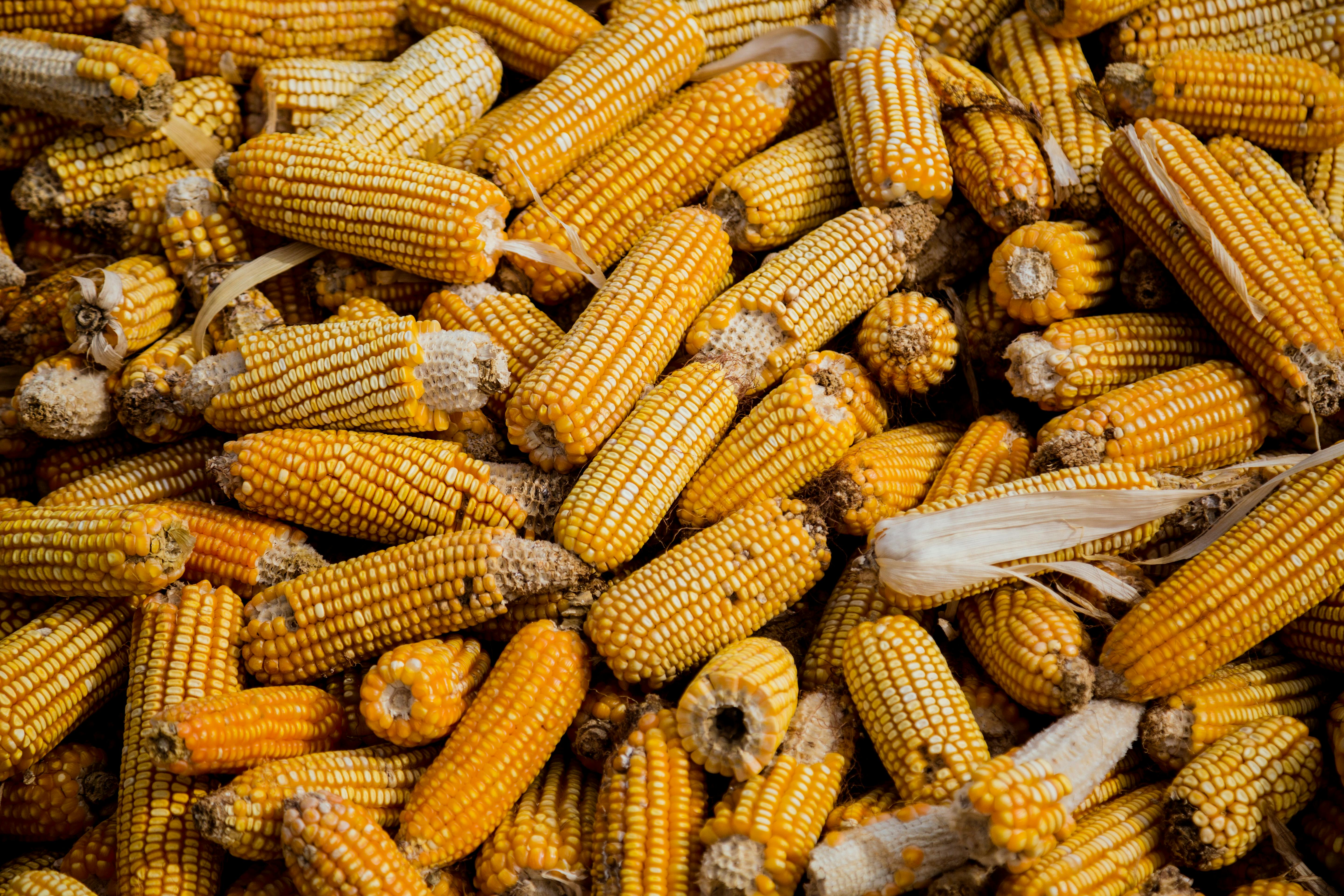
Kenyan farmers are increasingly seeking climate-smart solutions amid erratic rainfall. Sustainable agriculture plays a pivotal role in food security and economic stability. The World Bank reports Kenya ranks second in delivering an enabling environment for agribusiness, reflecting robust reforms in food and resource management.
Key Insights or Strategies
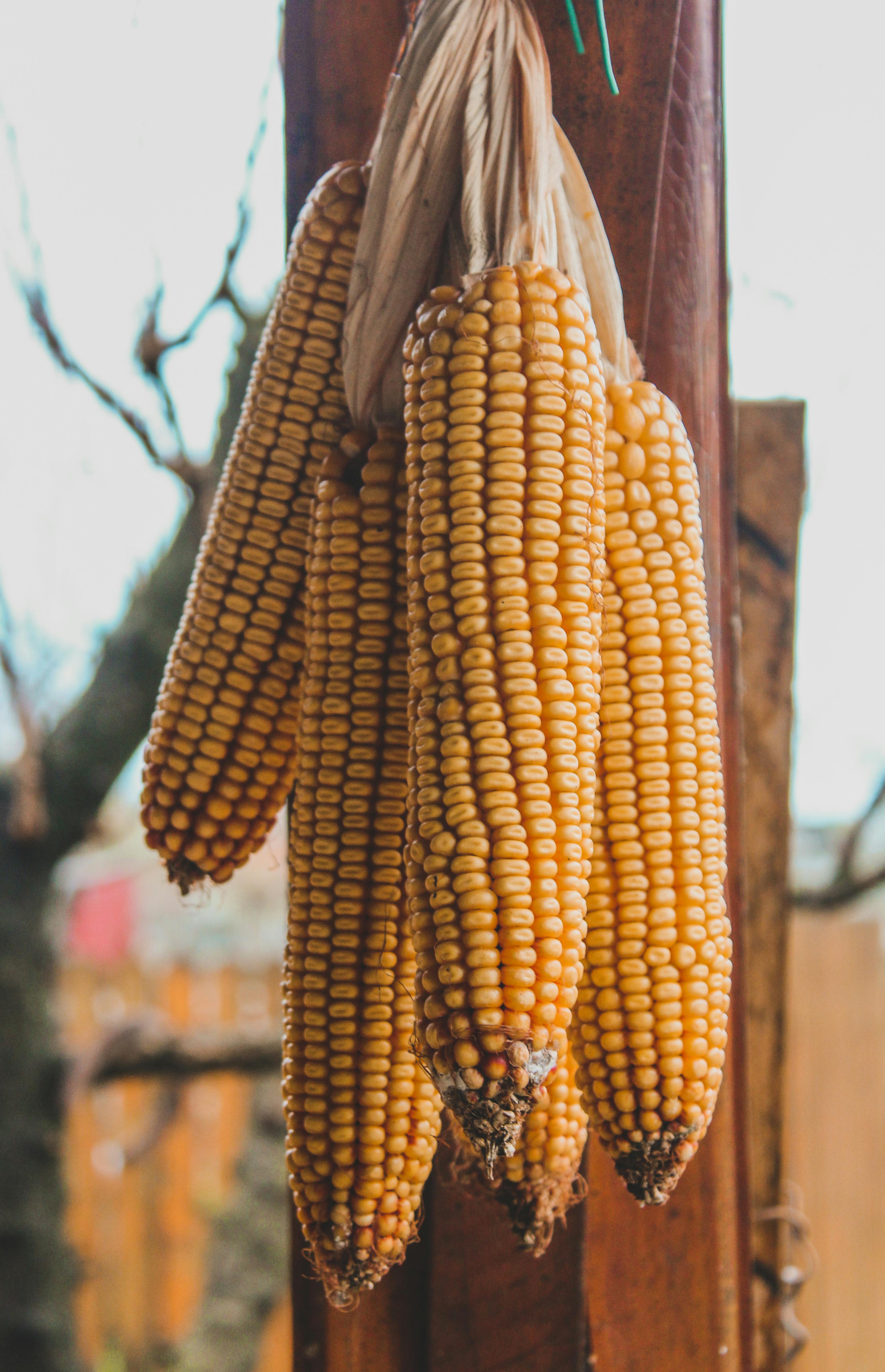
1. Soil Moisture Testing
- Purchase a quality soil tester like the Soil pH & Moisture Tester Kit – available on Amazon.
- Test soil moisture levels before planting to ensure optimal conditions.
- Adjust planting schedule based on test results to enhance growth.
2. Intercropping with Legumes
- Select drought-tolerant maize hybrids such as KESMA 25.
- Plant legumes like beans to increase nitrogen fixation naturally.
- Ensure correct spacing to maximize benefits.
3. Neem-Based Biopesticides
- Monitor pest activity regularly to predict infestations.
- Use neem-based biopesticides to protect crops without harmful chemicals.
- Follow manufacturer instructions for safe application.
Explore sustainable organic farming solutions with Biofarm Kenya.
Case Studies, Examples, or Comparisons
Studies by the Kenya Agricultural & Livestock Research Organization (KALRO) show that drought-resistant maize hybrids outperformed traditional varieties by 30% during droughts. A farmer from Naivasha successfully adopted all three strategies, leading to a 40% increase in yield while reducing chemical usage by 20%.
Common Mistakes to Avoid
- Over-irrigation: Avoid over-irrigating to prevent nutrient leaching.
- Poor soil management: Regularly test soil to avoid nutrient imbalances.
- Improper pesticide use: Never apply chemicals beyond recommended doses.
Expert Tips or Best Practices
Maintain healthy soil with Organic Compost Starter Mix. For optimal irrigation, consider using a drip system like the Automatic Drip Irrigation Kits – available on Amazon.
Explore sustainable organic farming solutions with Biofarm Kenya.
Future Trends or Predictions
Technological advancements like smart irrigation systems, AI-driven crop monitoring, and vertical farming are set to transform Kenyan agriculture. The embrace of renewable energy solutions for farming processes offers promising improvements in sustainability and efficiency.
Conclusion
Adopting climate-smart practices such as soil moisture testing, intercropping, and using neem-based biopesticides can significantly boost harvests while promoting sustainability. Discover trusted organic farming tools on Amazon and learn more about sustainable solutions with Biofarm Kenya.
FAQs
- What are drought-tolerant maize hybrids? These are specially bred to withstand drought conditions, offering better yields during low rainfall periods.
- Why is intercropping beneficial? Intercropping enhances soil fertility and reduces dependency on chemical fertilizers. Learn more from FAO.
- How does soil testing improve yield? It informs optimal planting times and soil amendment needs.
- What is neem-based biopesticide? A natural pesticide derived from neem trees, offering environmentally friendly pest control.
- How can I reduce irrigation issues? Installing a drip irrigation system can help optimize water usage.
- Where can I find more sustainable farming resources? Visit Biofarm Kenya for practical guidance and resources.


0 Comments