

African Vegetables Boom Cartels Keep Farmers Broke
Meta Description: Kenya's 'green gold' from traditional African vegetables generates fortunes. Discover how cartels exploit small farmers, trapping them in poverty despite high demand.
Estimated Reading Time: 9 minutes
TL;DR: Kenya's traditional African vegetable (TAV) market is booming, driven by increasing consumer demand for nutritious, indigenous foods. However, this prosperity rarely reaches the small-scale farmers who cultivate these 'green gold' crops. Powerful cartels dominate the supply chain, controlling input costs, market access, and ultimately, farmer prices. This exploitation traps dedicated farmers in a cycle of poverty, undermining food security and sustainable agricultural development. Addressing this systemic issue requires concerted efforts in policy reform, market transparency, and empowering farmer cooperatives to reclaim their rightful share of the value chain.
Key Takeaways:
Table of Contents:
Introduction: The Paradox of Kenya's 'Green Gold'
In the vibrant heart of East Africa, Kenya boasts a rich agricultural heritage, with traditional African vegetables (TAVs) emerging as a true 'green gold.' These indigenous crops, ranging from African nightshade and amaranth to cowpeas and spider plant, are not just vital dietary staples but also highly sought after in urban markets and beyond. Their exceptional nutritional profiles and adaptability to local climates make them invaluable for food security and public health. Indeed, the demand for these vegetables is soaring, generating significant fortunes across the value chain. Yet, beneath this burgeoning market lies a stark paradox: the very small-scale farmers who cultivate this 'green gold' often remain trapped in poverty, their livelihoods systematically undermined by powerful cartels. This article delves into how this exploitation prevents farmers from reaping the benefits of high demand, explores the systemic issues at play, and proposes actionable solutions to foster a more equitable and sustainable agricultural landscape in Kenya.
Background & Context: A Resurgent Market Under Duress

The resurgence of traditional African vegetables (TAVs) in Kenya marks a significant shift in dietary preferences and agricultural focus. Once dismissed as 'poor man's food,' these indigenous leafy greens are now celebrated for their superior nutritional content, offering a natural defense against malnutrition and lifestyle diseases. Consumers are increasingly turning to TAVs for their rich micronutrient profiles, including beta-carotene, calcium, iron, and zinc, which are often higher than those found in their exotic counterparts (Source: NCBI). This growing appreciation has transformed urban markets, with places like Kisumu's Kibuye Market, once dominated by foreign produce, now teeming with vendors specializing in over 200 varieties of indigenous vegetables daily (Source: Alliance Bioversity-CIAT). Despite this robust market demand, the small-scale farmers, who comprise over 70% of Kenya's agricultural production and feed about 75% of the nation, face immense challenges (Source: Route to Food Alliance). They contend with limited access to quality seeds, modern farming tools, financial resources, and critical training. More critically, they are at the mercy of pervasive cartels that control the supply of farm inputs and dominate market channels, effectively dictating prices and squeezing farmer profits to a bare minimum.
Key Insights or Strategies: Navigating the Exploitative Labyrinth
Understanding the intricate web of exploitation is the first step toward dismantling it. For Kenya's small-scale traditional African vegetable farmers, the challenge isn't just about growing crops, but about surviving a market designed to keep them disadvantaged. Here are key insights into the dynamics of this exploitation and strategies to counteract it.
The Cartel Grip: Control from Input to Market
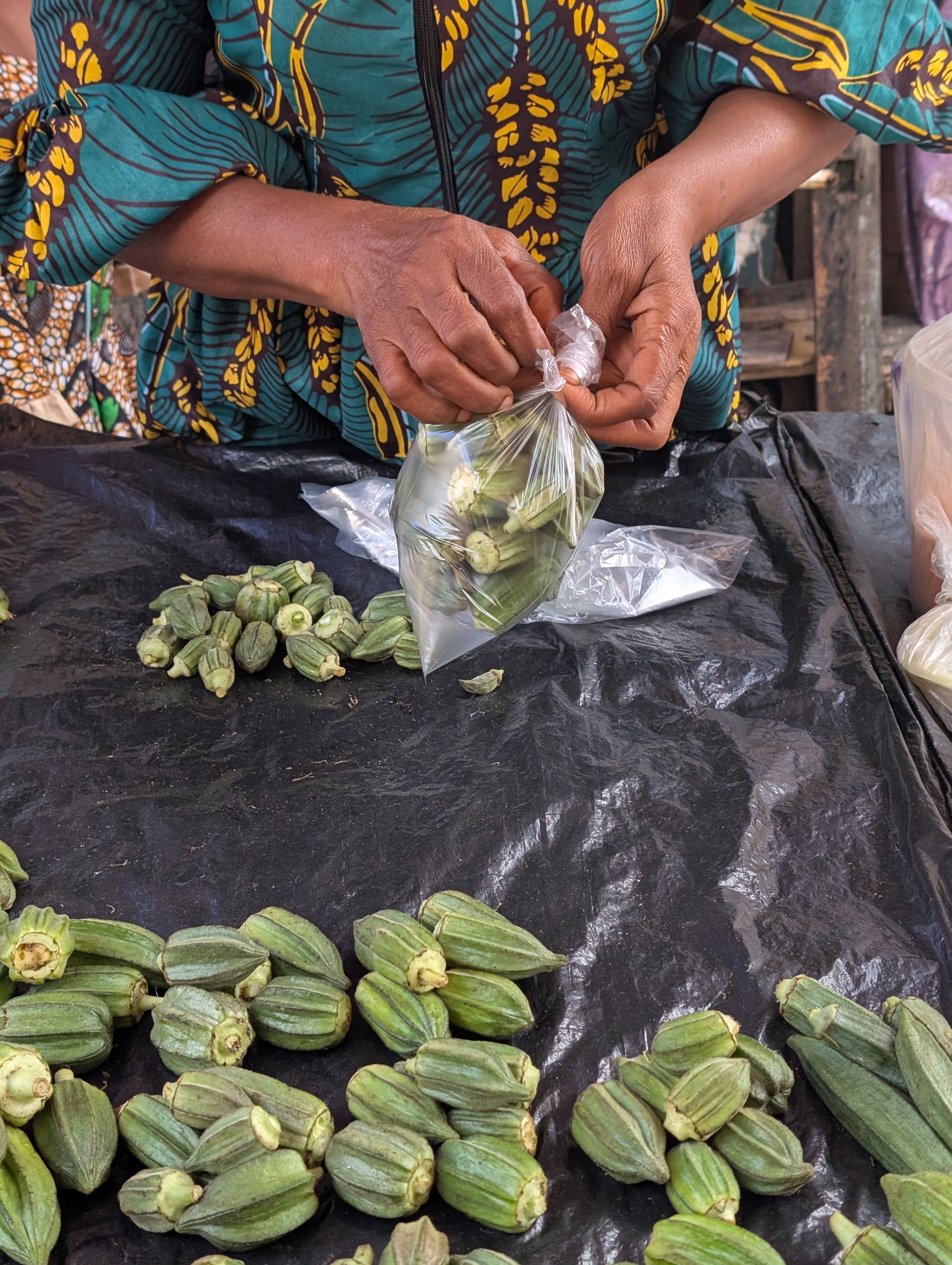
Cartels in Kenya operate with impunity, creating an environment where farmers have little bargaining power. They control the import and distribution of essential farm inputs like fertilizers and quality seeds, often selling them at inflated prices. At the other end, these same cartels dominate market access, acting as brokers who purchase vegetables from farmers at rock-bottom prices, then sell them to urban consumers at exorbitant rates. This dual control stifles farmer profitability and limits their ability to invest in better practices or expand their operations.
Actionable Steps for Farmers and Stakeholders:
Policy Gaps and the Neglect of Indigenous Crops
A significant factor contributing to farmer exploitation is the historical and ongoing policy focus on cash crops and industrial agriculture, often at the expense of traditional African vegetables. This neglect means less government investment in research, extension services, and infrastructure specifically tailored for TAVs. Without adequate policy frameworks to protect them, small-scale farmers remain vulnerable.
Actionable Steps for Policy Advocacy:
By implementing these strategies, both farmers and supporting organizations can work towards creating a more resilient and equitable market for Kenya's 'green gold.' For those looking to support or engage with sustainable agricultural solutions, consider exploring opportunities with Eco-Oasis Firm: Explore sustainable living solutions with Eco-Oasis Firm.
Case Studies, Examples, or Comparisons: Echoes of Exploitation Across Sectors
The exploitation of small-scale farmers by cartels is not an isolated phenomenon in Kenya's traditional African vegetable market; it echoes across various agricultural sectors, demonstrating a pervasive systemic issue. Examining these real-world examples highlights the similar mechanisms of control and the devastating impact on livelihoods.
One prominent example is the Kenyan tea sector, where smallholder tea farmers have historically battled powerful cartels and brokers who dictate prices at the tea auction, leaving farmers with minimal returns despite producing high-quality tea. A report by the Ministry of Agriculture indicated that farmers often receive less than 30% of the final retail price, with the lion's share absorbed by middlemen and processors (Source: YouTube - Govt Cracks Down on Cartels Exploiting Tea Farmers). This mirrors the situation in the TAV market, where farmers lament selling their nutrient-rich greens for a pittance, only to see them retail at significantly higher prices in urban centers.
Similarly, the potato farming sector in Kenya faces intense broker exploitation. Farmers are vulnerable due to a lack of collective marketing strategies and inadequate storage facilities, forcing them to sell their produce immediately after harvest at whatever price is offered. This vulnerability is ruthlessly exploited by middlemen who then hoard the potatoes, creating artificial scarcity and driving up prices for consumers while farmers remain impoverished (Source: Nation.Africa). This pattern of control over storage and distribution is also observed in the TAV market, where cartels may control logistical networks, ensuring farmers have limited options for getting their produce to market independently.
On the flip side, successful green initiatives and eco-innovations offer a glimmer of hope. Projects like the Kenya Sustainable Agriculture Land Management (SALM) Project, supported by the World Bank's BioCarbon Fund, demonstrate how empowering smallholder farmers with sustainable land management (SLM) skills can lead to significant improvements. For instance, participating farmers reported a tripling of maize yields within three years and collectively received carbon revenue for their environmental services (Source: World Bank). While not directly focused on TAVs, this case illustrates that structured support and access to alternative income streams (like carbon credits) can buffer farmers against market shocks and exploitation, paving the way for more resilient and profitable agriculture. The lesson here is clear: when farmers are equipped with knowledge, resources, and protected market access, they can thrive, regardless of external pressures.
Common Mistakes to Avoid
For farmers, policymakers, and consumers alike, navigating the complexities of the traditional African vegetable market in Kenya requires careful consideration to avoid perpetuating existing problems. Understanding these common pitfalls is crucial for fostering genuine sustainability and equity.
One significant mistake is the failure to organize farmers into strong, democratically run cooperatives. Individual farmers, especially smallholders, possess very little bargaining power against entrenched cartels. Without collective representation, they remain isolated and easily exploited. Relying solely on individual negotiation allows middlemen to dictate unfair prices and control market access, perpetuating a cycle of poverty.
Another common misconception, particularly among consumers, is the underestimation of traditional African vegetables' value and quality. Historically, these crops were sometimes perceived as inferior or 'food for the poor.' This perception, while slowly changing, can still lead to undervaluation and a lack of advocacy for fair prices, indirectly benefiting exploiters. It also discourages investment in TAV research and development.
From a policy perspective, a critical error is the continued neglect of TAVs in national agricultural strategies and budgets. If government support, research funds, and extension services primarily target conventional cash crops, indigenous vegetables will remain marginalized. This lack of dedicated support leaves the TAV value chain vulnerable to unregulated market forces and cartel dominance.
Furthermore, ignoring the importance of post-harvest handling and value addition is a costly mistake. TAVs are perishable, and without proper storage, transportation, and processing facilities, farmers are forced to sell quickly at any price to avoid spoilage. This urgency makes them prime targets for exploitative buyers. A lack of investment in these areas hands more power to those who control the logistics.
Finally, a dangerous pitfall is the failure to enforce existing regulations or create new ones against monopolistic practices and unfair trade. If cartels operate without consequence, their exploitative grip will only tighten. Weak regulatory oversight emboldens these actors, making it nearly impossible for small farmers to compete fairly or escape their influence.
Expert Tips or Best Practices: Cultivating Resilience and Equity
Building a resilient and equitable traditional African vegetable sector in Kenya demands a multi-faceted approach, combining best agricultural practices with strategic market engagement and community empowerment. Here are expert tips to help farmers thrive and consumers make impactful choices.
Empowering Farmers Through Knowledge and Collective Action
For small-scale TAV farmers, knowledge is power. Investing in continuous learning about sustainable and climate-smart agricultural practices is paramount. Try switching to regenerative agriculture techniques for energy-efficient solutions and improved soil health. These methods not only boost yields but also enhance resilience to environmental changes, reducing reliance on expensive external inputs often controlled by cartels. Embrace agroecology principles that focus on biodiversity, natural pest control, and nutrient cycling.
Crucially, join or form farmer producer organizations (FPOs) or cooperatives. These collective bodies enable farmers to achieve economies of scale in purchasing inputs, accessing credit, and marketing their produce. A strong cooperative can negotiate better prices, reduce transport costs, and even establish direct sales channels to consumers, institutions, or ethical retailers, effectively bypassing predatory middlemen. They can also facilitate shared access to essential resources like cold storage or processing equipment, adding value to perishable crops.
Leveraging technology is another game-changer. Utilize mobile applications that provide real-time market information, weather forecasts, and agronomic advice. Digital tools can help farmers monitor crop health, detect diseases early, and connect with potential buyers, making them less reliant on informal, easily manipulated networks (Source: The Conversation). Consider platforms that offer transparent pricing and direct-to-consumer models.
Supporting the System: What Consumers and Stakeholders Can Do
Consumers play a vital role in demanding transparency and ethical sourcing. Actively seek out traditional African vegetables from farmer-led initiatives, certified organic farms, or local markets where you can directly interact with producers. Ask questions about the origin of your food and how farmers are compensated. Your purchasing power can drive demand for fair trade practices.
For non-governmental organizations and development partners, focus on capacity building that goes beyond farming techniques. Provide training in financial literacy, business management, and advocacy skills. Support initiatives that help farmers secure land tenure and access affordable credit. Invest in infrastructure projects that improve rural roads, storage facilities, and processing units, reducing post-harvest losses and empowering farmers to fetch better prices.
Ultimately, a sustainable future for Kenya's 'green gold' depends on creating an ecosystem where farmers are respected, fairly compensated, and empowered. For those seeking deeper engagement or partnerships in cultivating such an ecosystem, we invite you to Explore sustainable living solutions with Eco-Oasis Firm.
Future Trends or Predictions: Shifting Tides in Kenyan Agriculture
The landscape of Kenyan agriculture, particularly concerning traditional African vegetables (TAVs), is poised for significant transformation. Several local and global eco-trends, coupled with emerging technological advancements, suggest a future where the current cartel-driven exploitation could face increasing pressure, though not without concerted effort.
One major trend is the growing consumer awareness and demand for healthy, sustainably sourced, and ethnically diverse foods. This will continue to fuel the market for TAVs, moving them further from being considered 'food for the poor' to premium, health-conscious choices. As incomes rise and nutritional education expands, urban populations are likely to seek out authentic, locally grown produce, increasing the value proposition for TAV farmers. This shift could create more direct market opportunities, reducing reliance on traditional, exploitative supply chains.
The digitization of agriculture (Agri-tech) is another powerful trend. We predict an acceleration in the adoption of digital tools, including AI-powered platforms and mobile applications that offer real-time market prices, weather advisories, disease detection, and direct buyer-seller linkages. These technologies can significantly empower farmers by providing transparent information, improving decision-making, and expanding their market reach beyond the physical confines of local exploitative networks. The success of pilot projects demonstrating how farmers can co-design and utilize smartphone applications for crop monitoring bodes well for wider adoption (Source: NCBI - Citizen Science).
Globally and locally, there's an increased emphasis on climate-smart agriculture (CSA) and regenerative farming practices. As Kenya faces climate variability, farmers will increasingly adopt techniques that build soil health, conserve water, and reduce reliance on chemical inputs. This not only enhances environmental sustainability but also improves farm resilience and reduces input costs, potentially lowering farmer vulnerability to cartels controlling conventional inputs. Government and international bodies are likely to increase funding and support for such practices, as seen in the Kenya Climate Smart Agriculture Project.
Finally, we anticipate a stronger push for regulatory reforms and enforcement against anti-competitive practices. Public outcry and ongoing advocacy from farmer groups and civil society will likely pressure the Kenyan government to crack down harder on agricultural cartels. While challenging, the long-term economic and social costs of unchecked exploitation are too high to ignore. This could lead to more transparent market regulations, anti-monopoly laws, and increased protection for smallholder farmers, slowly but surely eroding the power base of these illicit networks.
Conclusion: Reclaiming the Promise of Traditional African Vegetables
The story of Kenya's traditional African vegetables is one of immense potential overshadowed by deep-seated exploitation. These nutrient-rich crops represent not just a culinary revival but a crucial pathway to food security, improved health, and economic empowerment for countless small-scale farmers. However, the pervasive influence of cartels, coupled with historical policy neglect, has created a system where the very hands that cultivate this 'green gold' remain mired in poverty. The journey towards an equitable agricultural future is complex, requiring a concerted effort from all stakeholders. By empowering farmers through robust cooperatives, fostering the adoption of climate-smart and regenerative practices, leveraging agri-tech for transparent market access, and demanding unwavering policy support and regulatory enforcement, Kenya can begin to dismantle the exploitative structures that currently prevail. The promise of traditional African vegetables—to nourish a nation and uplift its farmers—is within reach, but it demands collective action and a commitment to justice. Let us stand with Kenyan farmers and ensure that the wealth generated by their toil truly benefits them. Explore sustainable living solutions with Eco-Oasis Firm to support ethical and sustainable agricultural initiatives.
FAQs: Understanding the Challenges and Solutions for Kenyan Farmers
Q1: What are traditional African vegetables, and why are they important in Kenya?
A1: Traditional African vegetables (TAVs) are indigenous leafy greens and other crops like African nightshade, amaranth, cowpeas, and spider plant, historically cultivated and consumed across Africa. In Kenya, they are crucial for food security and nutrition due to their high content of essential micronutrients (vitamins, minerals) and their resilience to local environmental conditions. Their increasing popularity reflects a growing appreciation for healthy, indigenous food sources (Source: NC State University).
Q2: How do cartels exploit small-scale traditional African vegetable farmers in Kenya?
A2: Cartels exploit farmers primarily by controlling key aspects of the agricultural value chain. This includes monopolizing the supply of farm inputs (like seeds and fertilizers) at inflated prices and dominating market access, forcing farmers to sell their produce at unfairly low prices. These middlemen then sell the vegetables to consumers at significantly higher rates, pocketing the bulk of the profit and trapping farmers in a cycle of poverty (Source: The Elephant).
Q3: What are the main challenges small-scale TAV farmers face beyond cartel exploitation?
A3: Beyond cartels, small-scale TAV farmers face challenges such as limited access to modern farming technologies, quality seeds (with over 90% still relying on farmer-saved seeds), inadequate financial resources, and lack of proper training in modern agricultural practices. Post-harvest losses due to poor storage and transportation infrastructure also significantly reduce their potential earnings (Source: CABI Blog).
Q4: What role can government play in protecting traditional African vegetable farmers?
A4: Government intervention is crucial. This includes implementing and enforcing stricter anti-monopoly laws to dismantle cartels, developing and enforcing fair pricing policies for agricultural produce, and investing in TAV-specific research, extension services, and infrastructure. Providing subsidized quality inputs, facilitating access to affordable credit, and supporting farmer cooperatives are also vital to empower farmers and ensure market transparency (Source: Greenpeace Africa).
Q5: How can sustainable farming practices help TAV farmers in Kenya?
A5: Sustainable farming practices, such as regenerative agriculture, agroecology, and climate-smart agriculture, can significantly benefit TAV farmers. These methods improve soil health, conserve water, reduce reliance on expensive chemical inputs (which cartels often control), and enhance crop resilience to climate change. By lowering production costs and increasing yields sustainably, farmers can improve their profitability and reduce their vulnerability to market manipulation (Source: Farm Africa).
Q6: What innovative solutions are emerging to support traditional African vegetable farmers?
A6: Innovative solutions include the development and adoption of digital agricultural tools such as mobile applications providing real-time market prices, weather forecasts, and pest/disease management advice. These platforms can connect farmers directly to buyers, offering transparent market access. Additionally, initiatives supporting farmer-led cooperatives, value addition processes (like drying and packaging), and direct-to-consumer models are empowering farmers to bypass traditional exploitative channels and capture more of the value chain (Source: Instagram - Kenya AI Challenge).
Suggested External Authoritative Links (for further reading):
Suggested Internal Link Ideas (for Eco-Oasis Farm's blog/site):


0 Comments