

Estimated Reading Time: 12 minutes
TL;DR: Sustainable agriculture in Kenya is booming. Agroforestry, using drought-tolerant tree species, enhances soil health, yields, and resilience. Key practices include selecting climate-smart trees, effective tree-crop integration, and utilizing organic mulches. Kenyan farms practicing agroforestry report significantly higher yields.Key Takeaways:1. Agroforestry integrates trees with crops to enhance drought resilience.2. Drought-resistant species like Grevillea and Acacia improve soil and reduce erosion.3. Organic mulches from tree leaves significantly boost crop yields.Table of Contents:- Background & Context
- Key Insights or Strategies
- Case Studies, Examples, or Comparisons
- Common Mistakes to Avoid
- Expert Tips or Best Practices
- Future Trends or Predictions
- Conclusion
- FAQs
Background & Context
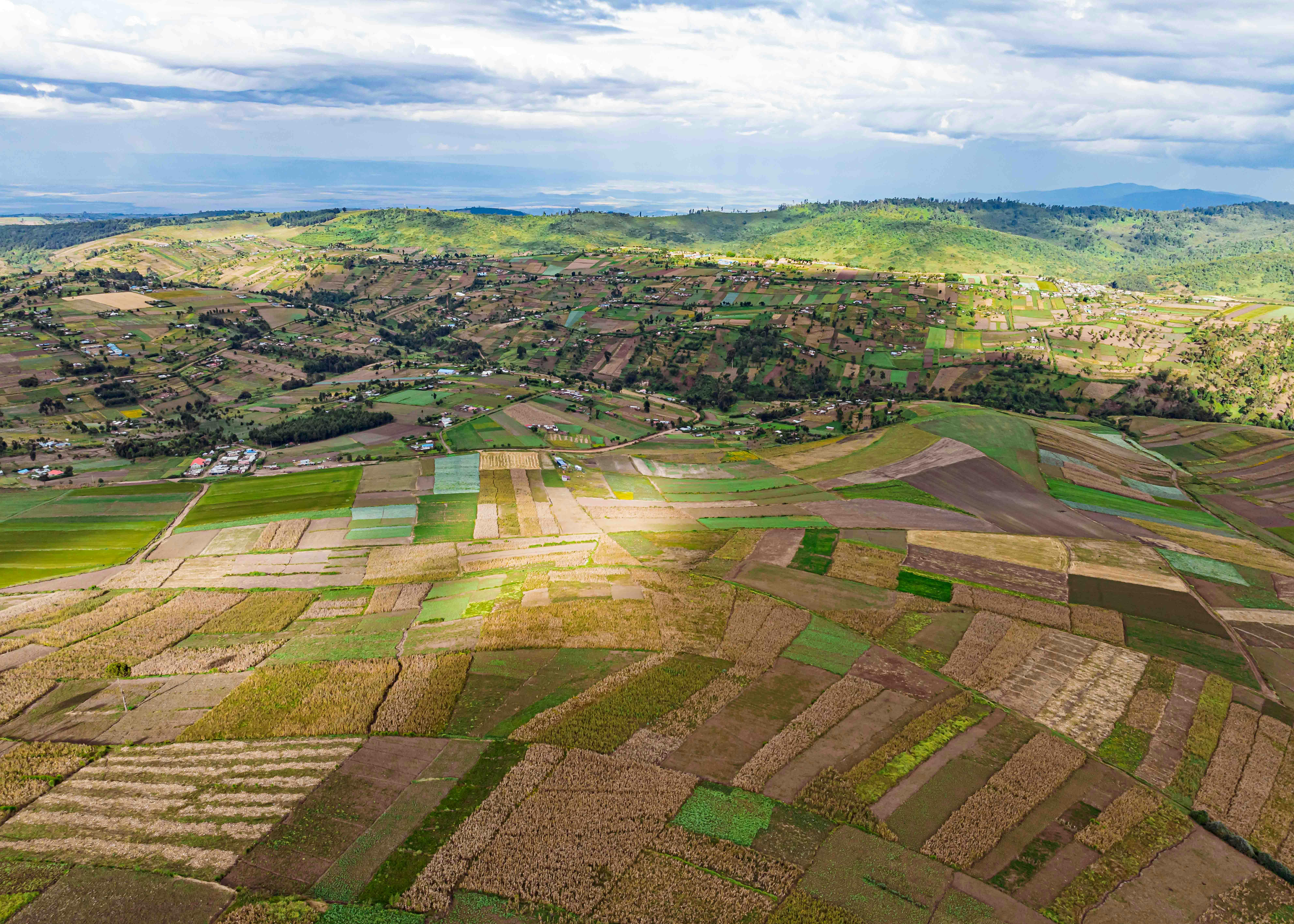 Sustainable agriculture in Kenya is rapidly gaining traction as escalating droughts pressure farmers to adapt. With Kenya facing escalating droughts, agroforestry adoption is surging as farmers seek climate resilience. This training guide focuses on integrating drought-tolerant trees (e.g., Grevillea, Acacia) with crops to improve soil moisture, reduce erosion, and boost yields. Recent initiatives have highlighted the significant benefits of agroforestry, enhancing soil fertility and providing environmental stability.
Key Insights or Strategies
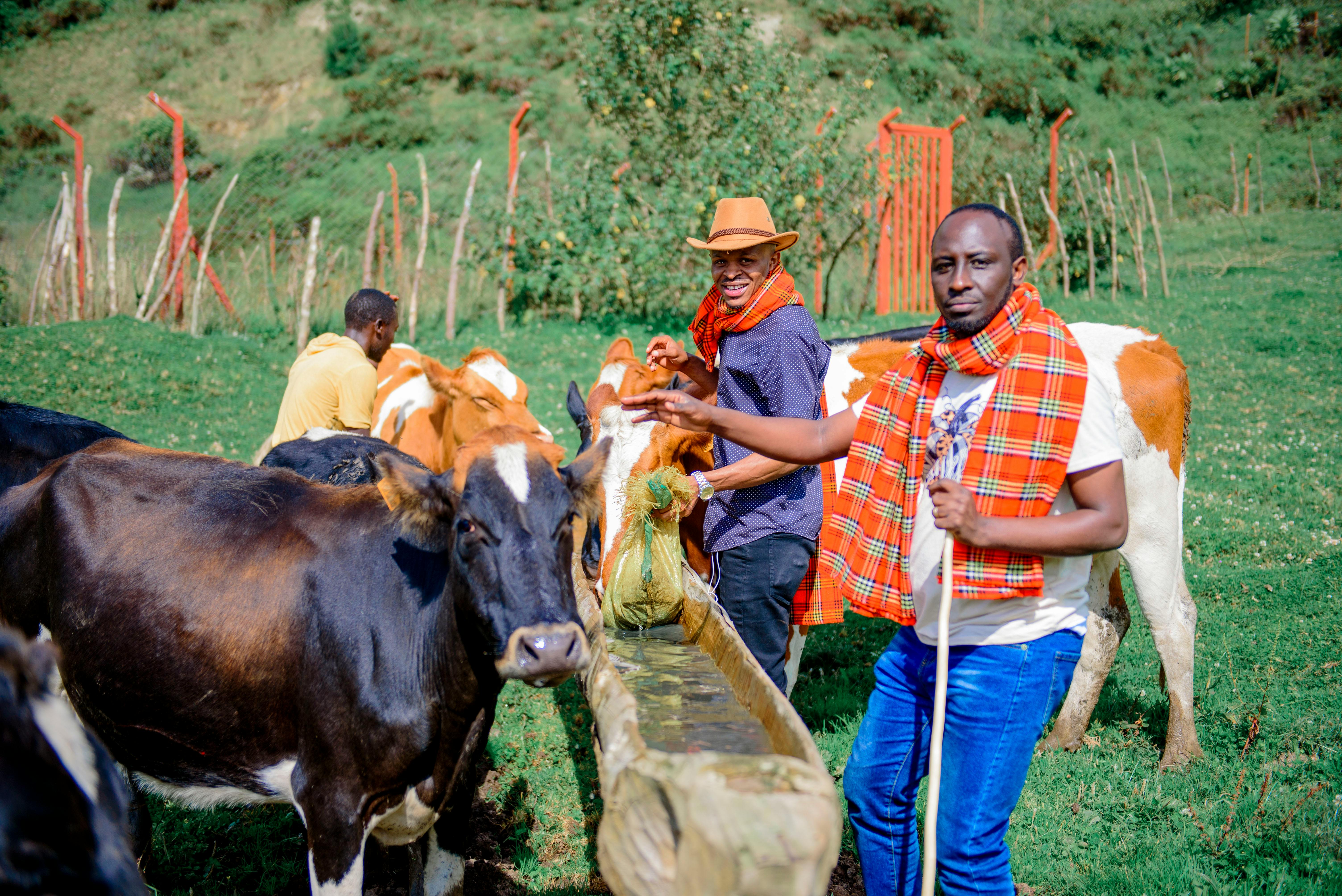
1. Select Climate-Smart Tree Species
Choosing drought-resistant trees such as Grevillea and Acacia helps improve soil quality and reduce erosion.2. Optimize Tree-Crop Integration
Ensuring efficient spacing allows crops and trees to coexist, optimizing sunlight and nutrient use.- Identify zones for tree planting around crops.
- Use Soil pH & Moisture Tester Kit – available on Amazon to assess land suitability.
- Implement spacing techniques that enhance crop compatibility.
3. Utilize Organic Mulches
Fallen leaves from the integrated trees can be used as mulch to retain soil moisture and fertility.For additional support or advice, you can explore sustainable organic farming solutions with Biofarm Kenya.Case Studies, Examples, or Comparisons
In Kajiado County, farmers have successfully adopted agroforestry practices with significant results. According to a 2025 KARI study, farms using agroforestry protocols saw 40% higher maize yields during dry seasons compared to conventional plots. The FAO also underscores the benefits of tree integration in enhancing resilience against climatic changes.Common Mistakes to Avoid
Avoid these common errors:- Overcrowding trees and crops, which limits growth.
- Neglecting pest control can undermine organic systems.
- Failure to manage soil pH might result in poor crop yields.
Expert Tips or Best Practices
For optimal agroforestry application:- Use a CARPATHEN Drip Irrigation System Kit to maintain consistent moisture levels.
- Incorporate organic compost to enhance soil nutrients, such as Purple Cow Organics All Purpose Veggie Mix.
Future Trends or Predictions
The future of sustainable agriculture in Kenya is bright. Revolutions like AI-driven crop monitoring and smart irrigation techniques are on the rise. Tools for precision farming are expected to be more accessible, allowing farmers to optimize resources and enhance yields effectively.Conclusion
Incorporating agroforestry practices not only boosts yields but also supports environmental sustainability in Kenya. Discover trusted organic farming tools on Amazon and learn more about sustainable solutions with Biofarm Kenya.FAQs
1. What is agroforestry and why is it beneficial for Kenyan farmers?Agroforestry combines agriculture with tree planting, which enhances soil nutrients and provides resilience against droughts. Learn more at the FAO.2. How does organic farming compare to conventional farming in Kenya?
Organic farming avoids synthetic inputs, promoting biodiversity and soil health. The Kenya Bureau of Standards (KEBS) supports this initiative for its long-term benefits.3. Which tree species are most effective for agroforestry?
Grevillea and Acacia are commonly recommended for their drought resistance and soil-enhancing properties, according to the FAO.4. Is there government support for sustainable agriculture in Kenya?
Yes, the Kenyan government provides resources and support for sustainable agricultural practices. See Ministry of Agriculture for more information.5. Can agroforestry be implemented in semi-arid regions?
Yes, with proper species selection and water management. The National Environment Management Authority (NEMA) offers guidelines for effective implementation.6. How can Biofarm Kenya assist farmers in adopting sustainable practices?
Explore sustainable solutions with Biofarm Kenya to access resources and expertise in sustainable agriculture.


0 Comments