

Estimated Reading Time: 9 minutes
TL;DR: Discover how millet and sorghum farming can be a profitable, sustainable option for Kenyan farmers in arid regions. Learn about soil preparation, pest-resistant varieties, and establishing value-chain partnerships.
Background & Context
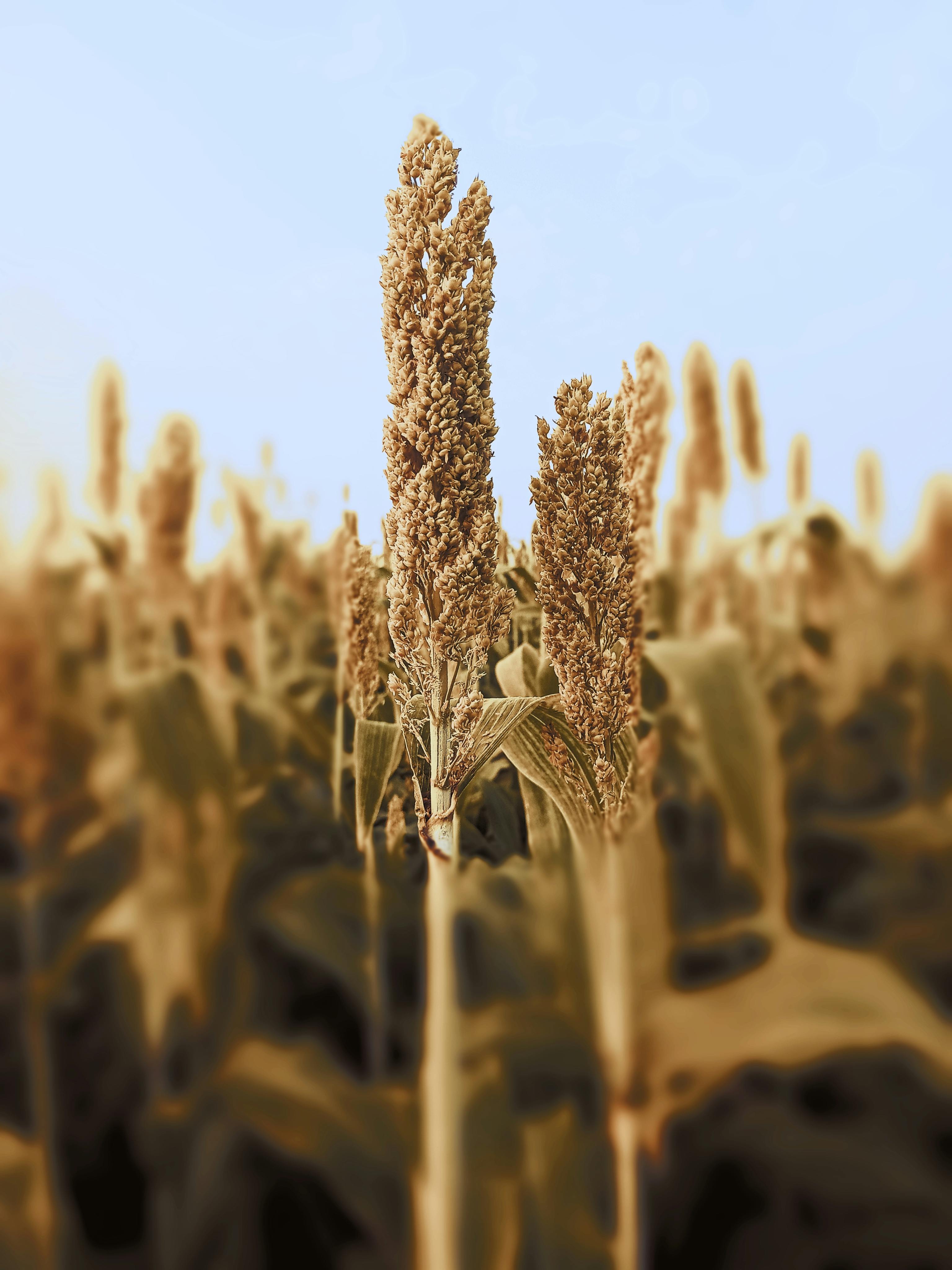
Sustainable agriculture in Kenya is crucial, especially in arid regions where erratic rains make traditional crops like maize risky. Kenyan farmers in such areas are increasingly seeking alternatives to maize – with millet and sorghum emerging as valuable options. According to the Kenya Agricultural Research Institute (KARI) 2025, these crops require 30% less water than maize and fetch premium prices in drought years.
Key Insights or Strategies
Soil Preparation for Low-Input Millet/Sorghum Farming

Effective soil preparation involves the following steps:
- Testing Soil Quality: Use a reliable MySoil Soil Test Kit – available on Amazon. This ensures nutrient levels are balanced for optimal growth.
- Applying Organic Fertilizers: Consider the Drammatic® Organic™ Original Fertilizer to enrich the soil naturally.
- Conservation Tillage: Minimize soil disturbance to conserve moisture and improve soil health.
Explore sustainable organic farming solutions with Biofarm Kenya
Case Studies, Examples, or Comparisons
Farmers in Kitui County have successfully transitioned to millet and sorghum, leading to resilience against climate variability. A detailed report by the Food and Agriculture Organization (FAO) indicates a 40% increase in productivity among these innovative farmers.
Common Mistakes to Avoid
Over-irrigation: Both millet and sorghum thrive with minimal water. Mismanagement can lead to root diseases.
Ignoring Pest-Resistant Varieties: Favoring untested varieties can result in lower yields.
Expert Tips or Best Practices
Choose pest-resistant varieties like those validated by the 2026 Jomo Kenyatta University trials. Regular crop rotation and intercropping with legumes can significantly boost yields.
Ensure healthy soil with the Organic Compost Starter Mix.
Explore sustainable organic farming solutions with Biofarm Kenya
Future Trends or Predictions
Emerging innovations such as smart irrigation systems and AI-driven crop monitoring are set to revolutionize farming in Kenya. Adoption of such technologies can enhance efficiency and sustainability.
Conclusion
Transitioning to drought-proof crops like millet and sorghum presents a viable solution for farmers in arid regions. Discover trusted organic farming tools on Amazon and learn more about sustainable solutions with Biofarm Kenya.
FAQs
What are the benefits of growing millet and sorghum in arid regions? Millet and sorghum are drought-resistant crops requiring less water than maize. They are ideal for arid regions.
For more information, visit the FAO.
How can I test my soil for nutrient content? Use soil testing kits like the MySoil Soil Test Kit for a complete nutrient analysis.
Details available on Amazon.
What are pest-resistant varieties recommended for Kenyan farmers? New pest-resistant varieties have been validated by Jomo Kenyatta University trials.
Refer to JKUAT for more details.
What irrigation methods are suitable for millet and sorghum? Drip irrigation is highly efficient for water conservation and crop health.
Explore options on Amazon.
Are there financial incentives for farmers switching to millet/sorghum? Government and NGO initiatives often support sustainable crop transition.
Check the NEMA site for the latest updates.
Where can I learn more about organic farming methods? Biofarm Kenya offers resources and insights into organic farming.
Visit Biofarm Kenya.


0 Comments