


Introduction: Why Psychedelic Mushroom Farming Is Exploding in 2026
In March 2026, the FDA approved psilocybin for treatment-resistant depression, sparking a $10 billion gold rush. This landmark decision didn’t just open the door for medical breakthroughs—it ignited a revolution in agri-tech, with vertical farming for psychedelic mushrooms leading the charge. The market is evolving at breakneck speed, driven by FDA and EU approvals, DEA rescheduling, and a 40% price crash due to oversupply. But what does this mean for farmers, investors, and wellness enthusiasts?
This guide dives deep into the vertical farming of psychedelic mushrooms, covering everything from market trends and legal landscapes to cutting-edge cultivation techniques. Whether you're a small-scale grower, an agri-tech investor, or a farmer exploring new opportunities, this article will equip you with the knowledge to navigate this rapidly changing industry.
The Psychedelic Mushroom Market in 2026: Trends, Data, and Predictions
The $10B Gold Rush (And the Bubble Fears)
The psychedelic mushroom market is experiencing unprecedented growth, with projections estimating a $10 billion industry by 2027. This surge is fueled by FDA and EU approvals for psilocybin therapy, DEA rescheduling, and advancements in vertical farming technology. However, the market is not without its challenges. A 40% price drop in early 2026 has raised concerns about an oversupply bubble, particularly as small-scale growers in Oregon, Colorado, and the Netherlands flood the market with low-cost psilocybin.
Key drivers of this growth include:
- FDA/EU approvals for treatment-resistant depression and PTSD.
- DEA rescheduling of psilocybin to Schedule III, making it easier to cultivate legally.
- Vertical farming tech, which has reduced production costs by 60% since 2024.
However, risks loom large. Oversupply, Big Pharma dominance, and insurance coverage gaps threaten to destabilize the market. As Bloomberg Green reported in June 2026, wholesale psilocybin prices plummeted from $12,000/kg to $7,200/kg in just three months, leaving many small growers struggling to stay afloat.
"Psilocybin prices fell from $12K/kg to $7.2K/kg in 3 months—is this the start of a bubble or a correction?"
Who’s Winning? Big Pharma vs. Open-Source Growers
The psychedelic mushroom market is a battleground between Big Pharma and open-source advocates. Companies like Bayer, Compass Pathways, and Usona Institute are patenting strains and vertical farming technologies, while grassroots movements like Decriminalize Nature fight to keep psilocybin accessible to all.
| Player | Strategy | Market Impact | Controversy |
|---|---|---|---|
| Bayer (MycoPharm) | AI-driven vertical farms, patented strains | First FDA-approved producer | Accused of "biopiracy" |
| Compass Pathways | Synthetic psilocybin, clinical trials | Phase 3 success (2026) | Patenting natural strains |
| Usona Institute | Open-source research | Non-profit model | Limited commercial scale |
| Smallhold (NYC) | Modular vertical farms | Selling to restaurants/wellness centers | FDA warning letters (2026) |
| DIY Growers | Underground/legal loopholes | Flooding the market | Quality control risks |
Expert commentary highlights the tension in the industry:
"Big Pharma is treating psilocybin like a blockbuster drug—but mushrooms have been used for centuries. This is cultural theft." — Decriminalize Nature (May 2026)
The Underground Market: Wellness Retreats, Microdosing, and Legal Loopholes
While the legal market expands, the underground economy thrives. Wellness retreats in Jamaica, Costa Rica, and Portugal offer psilocybin experiences under the guise of "wellness tourism." Microdosing clubs in Oakland, Amsterdam, and Lisbon provide sub-perceptual doses to professionals seeking cognitive enhancement. Meanwhile, companies exploit legal loopholes by selling "adaptogenic mushroom blends" with trace amounts of psilocybin.
However, the FDA has cracked down on these practices, issuing warning letters to 12 brands in May 2026 for mislabeling psilocybin-infused products. The legal gray area remains a significant challenge for growers and consumers alike.
Why Vertical Farming Is the Future of Psychedelic Mushroom Cultivation
How Vertical Farming Works for Psilocybin Production
Vertical farming is revolutionizing psychedelic mushroom cultivation by providing a controlled environment that maximizes yield, minimizes contamination, and ensures year-round production. Unlike traditional outdoor growing, vertical farming uses stacked grow racks, LED lighting, and automated climate control to create the ideal conditions for psilocybin production.
Here’s why vertical farming outperforms outdoor growing:
| Factor | Vertical Farming | Outdoor Growing |
|---|---|---|
| Yield per m² | 5x higher | Seasonal, weather-dependent |
| Contamination Risk | Near-zero (sterile) | High (pests, mold) |
| Year-Round Production | Yes | No (seasonal) |
| Regulatory Compliance | Easier (FDA/EU) | Harder (legal risks) |
| Startup Cost | High ($50K–$500K) | Low ($1K–$10K) |
Farmers looking to implement these practices may benefit from using reliable agricultural tools and inputs. For those interested in exploring the basics of psychedelic mushroom cultivation, the following resource provides a comprehensive introduction:
The Top Vertical Farming Tech for Psychedelic Mushrooms
Vertical farming technology is evolving rapidly, with companies like Bayer, Smallhold, and Ginkgo Bioworks leading the charge. Here’s a breakdown of the top systems available in 2026:
- Bayer’s MycoPod System: AI-driven climate control, patented high-yield strains, and FDA approval make this the gold standard for commercial growers.
- Smallhold’s Modular Farms: Plug-and-play systems designed for restaurants and wellness centers, offering flexibility and scalability.
- Ginkgo Bioworks’ Synthetic Psilocybin: Engineered yeast produces psilocybin without mushrooms, bypassing traditional cultivation entirely.
- DIY Vertical Farms: Low-cost setups for small-scale growers, ideal for legal states like Oregon and Colorado.
| Tech | Cost | Yield | FDA-Compliant? | Best For |
|---|---|---|---|---|
| Bayer MycoPod | $500K+ | 100+ kg/year | Yes | Large-scale producers |
| Smallhold | $50K–$200K | 50–100 kg/year | No (gray area) | Restaurants, wellness centers |
| Ginkgo Bioworks | $1M+ | 500+ kg/year | Yes | Pharmaceutical companies |
| DIY Vertical Farm | $5K–$20K | 5–20 kg/year | No (varies by state) | Small growers, home use |
When evaluating agricultural products, factors such as durability, performance, customer reviews, and suitability for local conditions are worth considering. For beginners, a detailed guide can make the learning curve more manageable:

Step-by-Step: How to Start a Vertical Farm for Psychedelic Mushrooms
Starting a vertical farm for psychedelic mushrooms requires careful planning, from legal considerations to equipment selection. Here’s a step-by-step guide to help you get started:
Legal Considerations (2026)
- U.S.: Legal in Oregon and Colorado (licensed); Schedule III for pharmaceutical use.
- EU: Legal in Germany, Netherlands, and Portugal (medical use only).
- International: Decriminalized in Jamaica, Costa Rica, and Brazil.
Equipment Needed
- Grow racks (stackable, stainless steel)
- LED lighting (full-spectrum for mycelium growth)
- Humidity/temperature controllers (e.g., Inkbird, AC Infinity)
- Sterilization tools (autoclave, laminar flow hood)
- Substrate (rye grain, coco coir, vermiculite)
Step-by-Step Process
- Sterilize the workspace to prevent contamination.
- Inoculate substrate with psilocybin spores (legal strains only).
- Incubate mycelium for 7–14 days at 75°F and 90% humidity.
- Trigger fruiting by dropping the temperature to 65°F and increasing fresh air.
- Harvest & dry using a dehydrator or desiccant.
- Test potency with HPLC or lab testing for compliance.
Cost Breakdown
| Expense | Low-End | High-End |
|---|---|---|
| Equipment | $5,000 | $50,000 |
| Licensing/Legal | $2,000 | $20,000 |
| Substrate/Spores | $500 | $5,000 |
| Labor | $3,000 | $30,000 |
| Total | $10,500 | $105,000 |
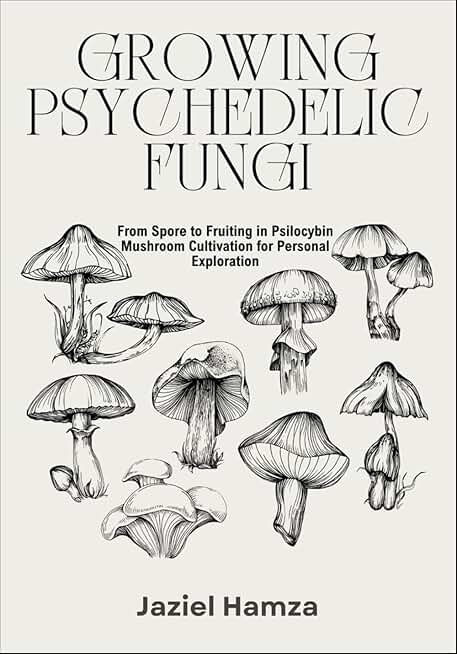
Many successful farmers prioritize quality equipment and trusted agricultural brands when making purchasing decisions. For those looking to deepen their knowledge, this resource offers advanced insights into psychedelic mushroom cultivation:
The Science of Psychedelic Mushrooms: Benefits, Risks, and FDA Approvals
What the Science Says: Psilocybin for Depression, PTSD, and More
The FDA’s 2026 approval of psilocybin for treatment-resistant depression was based on groundbreaking clinical trials. Studies published in Nature Medicine and JAMA Psychiatry demonstrate psilocybin’s potential to revolutionize mental health treatment. Here’s what the science reveals:
- Treatment-Resistant Depression: Psilocybin, combined with therapy, achieved a 65% response rate in Phase 3 trials, outperforming traditional SSRIs.
- PTSD: MAPS’ Phase 3 trials (expected 2027 approval) show psilocybin reduces PTSD symptoms by 50% after just two sessions.
- End-of-Life Anxiety: Johns Hopkins and NYU studies found psilocybin significantly reduces anxiety in terminal cancer patients.
Risks and Side Effects: What You Need to Know
While psilocybin offers promising therapeutic benefits, it’s not without risks. Physical side effects include nausea, increased heart rate, and temporary blood pressure spikes. Psychological risks, such as bad trips and HPPD (Hallucinogen Persisting Perception Disorder), are rare but possible. The key to safe use lies in set and setting—a controlled environment with professional supervision.
Synthetic Psilocybin vs. Natural Mushrooms: Which Is Better?
The debate between synthetic and natural psilocybin is heating up. Synthetic psilocybin, produced by companies like Ginkgo Bioworks, offers 99% purity and scalability but lacks the beta-carbolines found in natural mushrooms, which may enhance therapeutic effects. Natural mushrooms, on the other hand, are more accessible but vary in potency and purity.
| Factor | Natural Mushrooms | Synthetic Psilocybin |
|---|---|---|
| Production | Grown in farms | Lab-engineered (yeast, bacteria) |
| Cost | $5K–$12K/kg | $20K–$50K/kg |
| Purity | Variable | 99%+ pure |
| FDA Approval | Only for specific strains | Easier to standardize |
| Consumer Trust | Preferred by purists | Trusted by Big Pharma |
Legal Landscape: FDA, Patents, and the Underground Market
FDA and EU Regulations: What’s Legal in 2026?
The legal status of psychedelic mushrooms varies widely by region. In the U.S., psilocybin is legal for medical use in Oregon and Colorado and classified as Schedule III for pharmaceutical purposes. The EU allows medical use in Germany, the Netherlands, and Portugal, while countries like Jamaica and Costa Rica offer legal loopholes for wellness retreats.
The Patent Wars: Big Pharma vs. Open-Source Advocates
Big Pharma is aggressively patenting psilocybin strains and cultivation methods, sparking backlash from open-source advocates. Compass Pathways holds 17 patents, while Bayer’s MycoPod system is protected by intellectual property laws. Decriminalize Nature and the Psychedelic Bar Association are suing the USPTO to invalidate these patents, arguing they violate prior art.
The Underground Market: Microdosing, Retreats, and Darknet Sales
The underground market for psychedelic mushrooms is thriving, with microdosing clubs, wellness retreats, and darknet sales on the rise. While these avenues offer accessibility, they come with significant risks, including contamination, legal consequences, and lack of quality control.
The Future of Psychedelic Mushroom Farming: Predictions for 2027 and Beyond
Will the Shroom Bubble Burst?
The psychedelic mushroom market faces a critical juncture in 2026. While oversupply and Big Pharma dominance threaten small growers, FDA approvals for PTSD and anxiety could drive demand. Prices are expected to stabilize between $5,000 and $6,000/kg by late 2026, but the long-term outlook depends on regulatory developments and insurance coverage.
Emerging Trends to Watch
- Psychedelic-Assisted Therapy Clinics: Ketamine clinics are pivoting to psilocybin, with insurance coverage expanding in 5+ U.S. states by 2027.
- Psychedelic Wellness Tourism: Jamaica, Costa Rica, and Portugal are leading the retreat boom, attracting Silicon Valley execs and wellness enthusiasts.
- Synthetic Psilocybin Dominance: Lab-engineered psilocybin is scaling up, raising questions about the future of natural mushroom cultivation.
- Open-Source Movement: Advocacy groups are fighting to keep psilocybin accessible, sharing non-patented strains and DIY growing techniques.
How to Invest in the Psychedelic Mushroom Industry
Investors have multiple avenues to explore, from public companies like Compass Pathways and Bayer to private startups like Smallhold and PsyBio Therapeutics. DIY opportunities exist in legal states like Oregon and Colorado, while wellness retreats in Jamaica and Costa Rica offer alternative revenue streams.
FAQs: Your Top Questions About Vertical Farming for Psychedelic Mushrooms
Is It Legal to Grow Psychedelic Mushrooms in 2026?
In the U.S., it’s legal in Oregon and Colorado with a license and for pharmaceutical use under Schedule III. In the EU, it’s legal for medical use in Germany, the Netherlands, and Portugal. Always check local laws before starting a farm.
How Much Does It Cost to Start a Vertical Mushroom Farm?
A small DIY setup costs $5,000–$20,000, while a commercial vertical farm can cost $50,000–$500,000. Ongoing costs include labor, substrate, and electricity.
What’s the Best Vertical Farming Tech for Psilocybin?
Bayer’s MycoPod (FDA-approved), Smallhold’s modular farms (for restaurants), and Ginkgo Bioworks’ synthetic psilocybin (lab-engineered) are top choices.
Are Psychedelic Mushrooms Safe?
FDA-approved for depression under medical supervision. Risks include nausea, bad trips, and HPPD (rare). Not safe for people with psychosis, heart conditions, or a family history of schizophrenia.
Will Big Pharma Control the Psychedelic Mushroom Market?
Likely. Bayer, Compass Pathways, and Usona will dominate legal sales, but open-source advocates and DIY growers will keep the underground market alive.
How Do I Get a License to Grow Psychedelic Mushrooms?
In Oregon, apply through the Oregon Psilocybin Services Program. In Colorado, licensing starts in 2026 under the Natural Medicine Health Act. Consult a psychedelic business attorney for guidance.
What’s the Difference Between Natural and Synthetic Psilocybin?
Natural psilocybin comes from mushrooms and contains beta-carbolines, which may enhance effects. Synthetic psilocybin is 99% pure but lacks these compounds.
Can I Sell Psychedelic Mushrooms as a "Functional Food"?
No. The FDA banned psilocybin-infused products in May 2026. Some companies sell "adaptogenic mushroom blends" with trace psilocybin, but this is a legal gray area.
What’s the Future of Psychedelic Mushroom Prices?
Prices are expected to stabilize at $5,000–$6,000/kg by late 2026, with potential increases if demand outpaces supply.
Where Can I Learn More About Psychedelic Mushroom Farming?
Books like The Psilocybin Mushroom Bible and courses from the Psychedelic Science Funders Collaborative offer valuable insights. Online communities like r/Psychedelics and Decriminalize Nature provide additional resources.
Conclusion: The Psychedelic Mushroom Revolution Is Here—Are You Ready?
The psychedelic mushroom industry is at a crossroads. FDA and EU approvals have unlocked a $10 billion market, but oversupply, Big Pharma dominance, and legal gray areas pose significant challenges. Vertical farming is the key to scaling this revolution, offering higher yields, lower costs, and regulatory compliance.
Whether you're a grower, investor, or wellness enthusiast, the opportunities are vast—but so are the risks. Stay informed, prioritize quality, and explore the resources available to navigate this exciting frontier.
What’s your take? Will Big Pharma dominate psychedelics, or will open-source win? Share your thoughts in the comments below!
```


0 Comments