Estimated Reading Time: 15 minutes
TL;DR: Discover how Kenyan farmers can boost maize yields by 30% using organic composting. This guide covers sustainable techniques in soil health, pest control, and crop management, emphasizing cost-effectiveness.
Background & Context
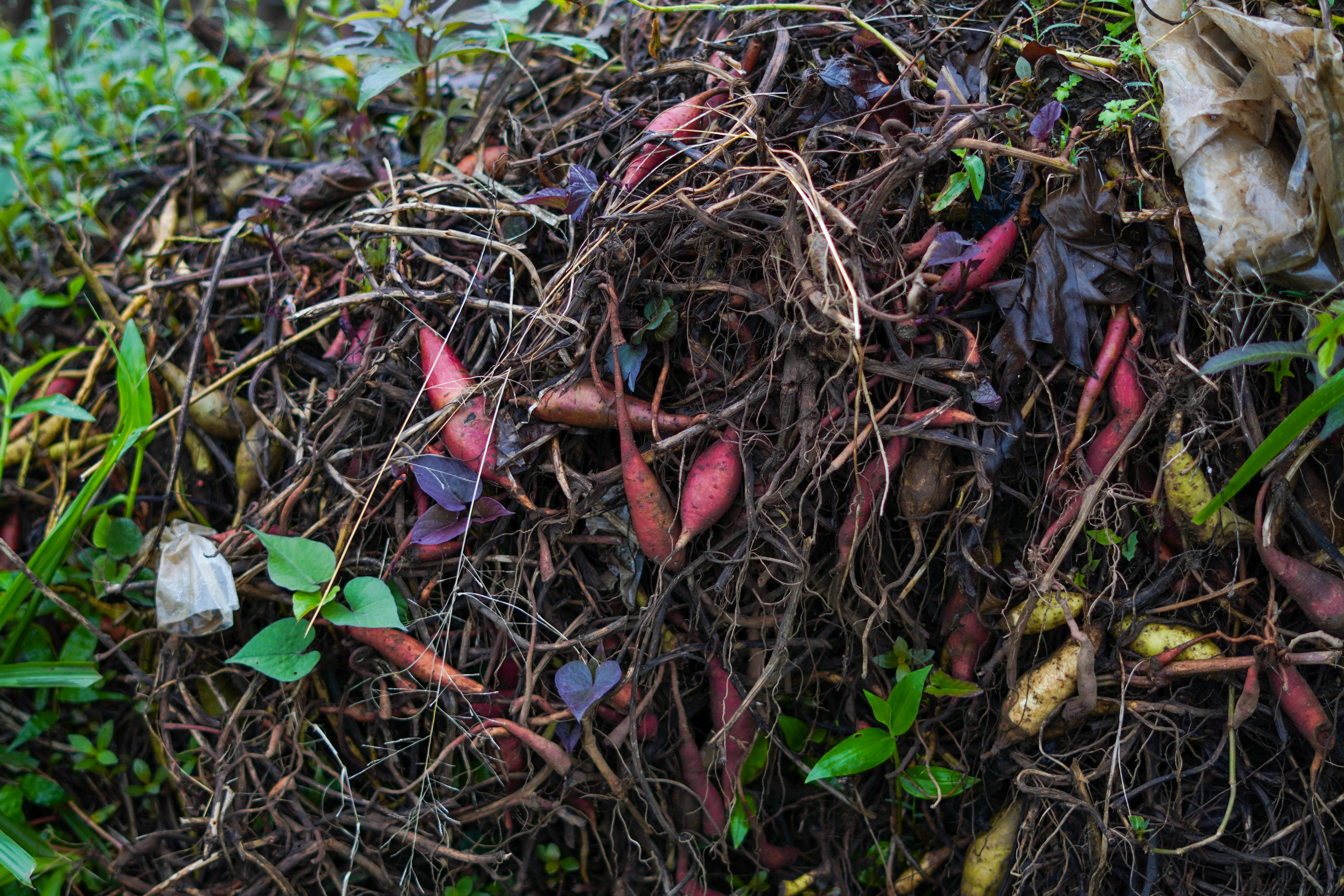
In Kenya, sustainable agriculture is becoming a crucial topic as farmers shift towards cost-effective, climate-resilient practices. An initiative to prioritize organic composting has shown promising results, with farms experiencing 30% higher maize yields. This shift not only reduces input costs but also enhances soil fertility by using locally available resources.
Key Insights or Strategies

1. Compost Pile Management
Create a compost heap, layering organic waste such as coffee pulp, vegetable scraps, and manure.Turn the pile regularly to ensure proper aeration and microbial activity.Maintain moisture levels similar to a damp sponge.Boost your yields with the Drammatic® Organic™ Original Fertilizer – available on Amazon.2. Strategic Crop Rotation
Rotate maize with leguminous cover crops such as beans to fix nitrogen in the soil.Utilize seasonal variations for optimal planting and resting phases.Explore sustainable organic farming solutions with Biofarm Kenya.Case Studies, Examples, or Comparisons
In Western Kenya, the adoption of organic composting coupled with bean intercropping resulted in a 40% decrease in pest infestations and a significant increase in maize yield. The Food and Agriculture Organization (FAO) acknowledges these techniques for improving soil health and sustainability.
Common Mistakes to Avoid
Avoid over-composting which can lead to soil nitrogen depletion. Always integrate nitrogen-fixing crops.Neglecting to check soil pH can lead to poor crop nutrient uptake. Use a reliable soil test kit to monitor soil conditions.Expert Tips or Best Practices
Embrace mulching to conserve soil moisture and protect against erosion. Using a drip irrigation system – available on Amazon, can enhance efficiency in water utilization.
Maintain healthy soil with the Purple Cow Organics All Purpose Veggie Mix.Explore sustainable solutions with Biofarm Kenya.Future Trends or Predictions
The integration of smart irrigation systems using AI technology for precision agriculture is on the rise. This innovation promises improved crop management and resource conservation.
Conclusion
Transitioning to organic composting provides a sustainable path for Kenyan farmers, boosting productivity while reducing costs. Discover trusted organic farming tools on Amazon and learn more about sustainable solutions with Biofarm Kenya.
FAQs
What are the benefits of organic farming?Organic farming improves soil health, reduces dependency on chemical fertilizers, and is environmentally sustainable. For more, see the FAO Guide on Organic Farming.How does composting affect soil quality?Composting enhances soil structure and nutrient content, fostering better crop growth. Resources can be found at FAO Soils Portal.Which crops are best for nitrogen fixation in Kenya?Leguminous crops like beans and peas are excellent for nitrogen fixation, contributing to soil fertility. Detailed insights are available on the KALRO website.How can I manage pests organically?Utilize natural pesticides and plant pest-repelling crops like garlic. The NEMA website offers regulatory guidance on natural pest control.Are there government incentives for organic farming in Kenya?Yes, various incentives are provided to farmers turning to sustainable methods. Inquire with Kenya's Ministry of Agriculture for more.How is climate change affecting Kenyan agriculture?Climate change leads to unpredictable weather patterns affecting crop yields, necessitating adaptive farming strategies. Insights are available at the National Environment Management Authority.Internal Biofarm Links:
Biofarm Kenya PartnershipsSustainable ResourcesTraining Programs


0 Comments